Email campaign ideas that don't need a discount code

A code is the easiest send to write and the hardest habit to break. These are the campaigns we run instead, each one built out in full.
Let your customers do the selling
Reviews, results and other people's words, used to settle the doubt that was stopping the order.
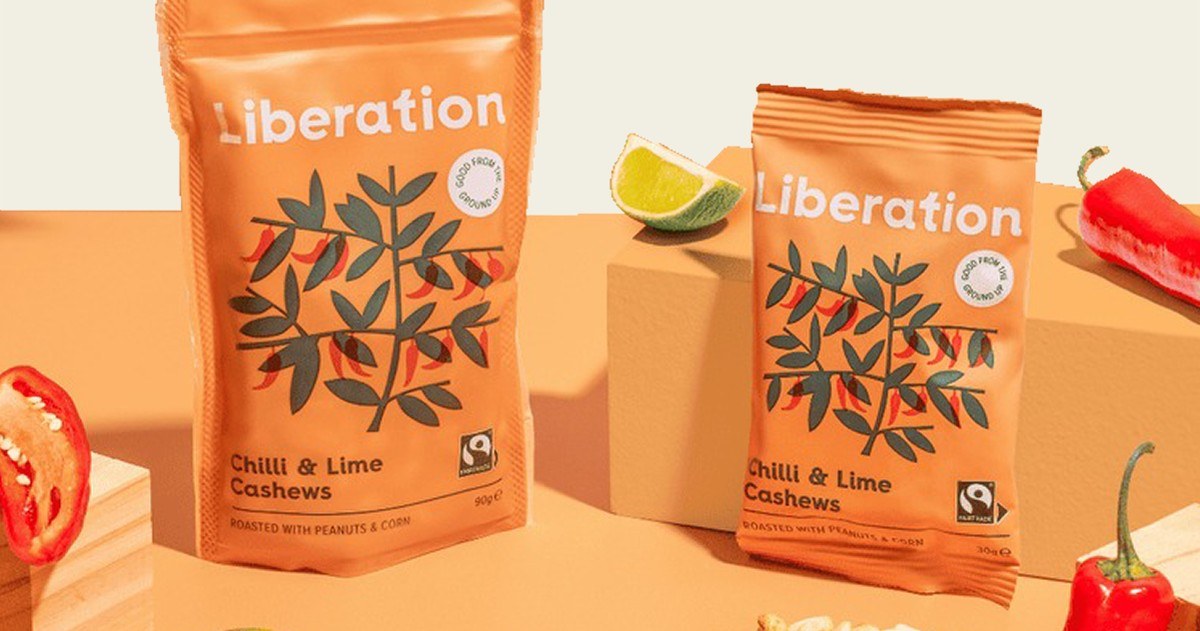
How to build a testimonial email a sceptical reader believes
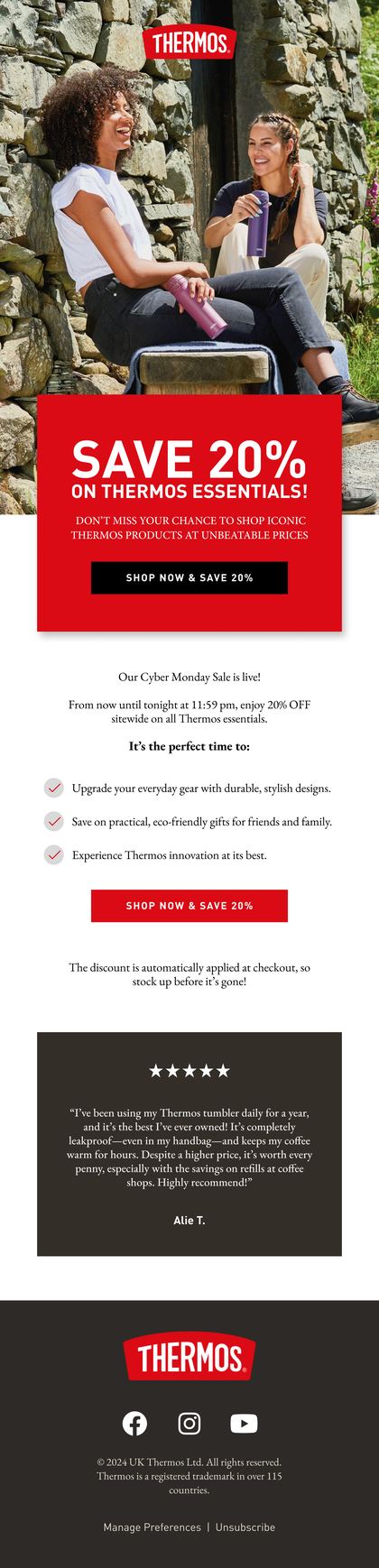
Star ratings persuade nobody. One customer, quoted at length, answering the objection that was already stopping the sale, is a different email.
See the campaign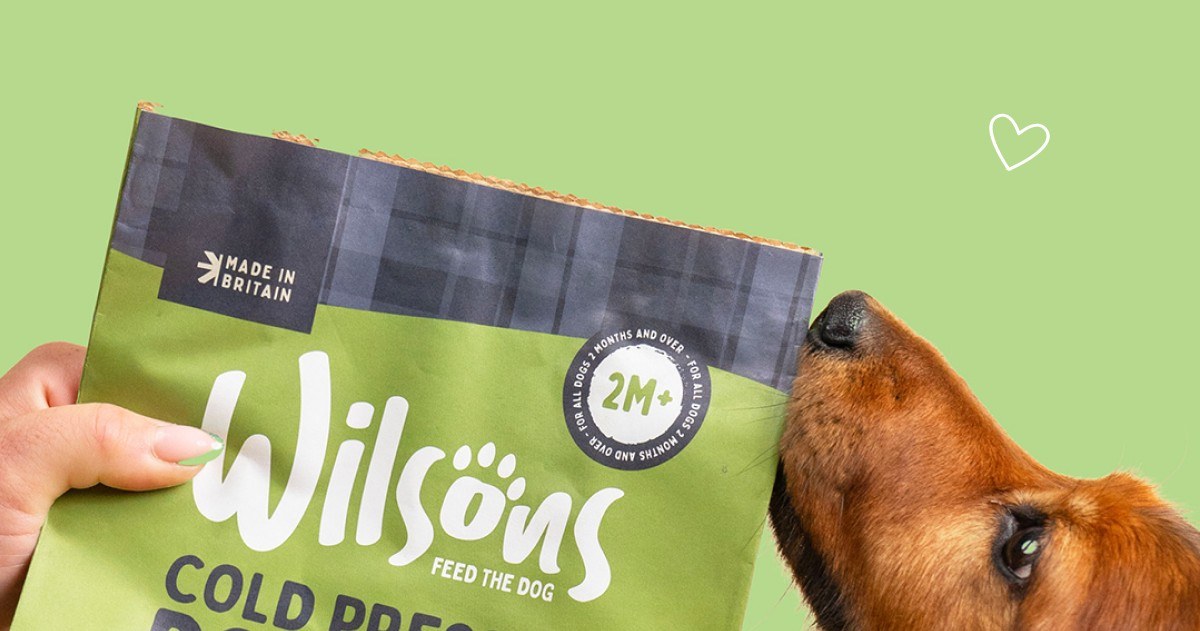
The customer spotlight email, built from one real order
A testimonial is a quote about you. A spotlight is a portrait of them, which is a longer read and a much better one.
See the campaign- Before and after emailTwo photographs, honestly taken, out-argue any paragraph you could write about the same result. The work is in the honesty.
- UGC emailCustomer photographs outperform studio photography in almost every test, and using them without asking is how brands end up apologising.
- Community spotlight emailSome categories have a conversation running whether you join it or not. Pointing at it beats trying to start one.
- Press roundup emailA logo bar of publications proves you have a publicist. A quoted sentence from a journalist who tested the thing proves something else entirely.
- Award announcement emailAn award is a fact about you. The campaign only works once it becomes a fact about the product somebody's deciding to buy.
- Us vs them emailThe comparison send works when it argues with the way something is normally done, not with a brand you would rather nobody had heard of.
- Risk reversal emailMost brands publish a returns policy and never mention it again. Sent as a campaign, the same terms answer the objection nobody writes in.
Teach the product
The sends that make what you sell easier to choose, use and look after.
How to write an ingredient spotlight email people finish reading
One component, explained properly, is a campaign. A list of everything in the product is a specification sheet nobody asked for.
See the campaign
The product tutorial email, sent when the box has just landed
A customer who uses the product properly the first time buys again. One who gets it slightly wrong quietly decides it was not for them.
See the campaign- Care instructions emailA product that wears out early because nobody explained how to look after it leaves you a bad review and no repeat purchase.
- Use cases emailMost customers find one use for a product and stop looking. Every additional one you show them is a reason to buy a second.
- Comparison chart emailWhen two of your own products look interchangeable, the customer settles it by buying neither. A chart is how you unblock that.
- Style guide emailCustomers hesitate because they cannot picture the thing in their own life. A styling email answers that better than any specification.
- FAQ emailEvery question your support inbox answers twice a week is a question the silent majority had and never asked.
- Myth vs fact emailCorrecting a belief your customers hold is a campaign. Correcting one they have never heard of is a lecture nobody asked for.
- Unboxing emailThe days between paying and receiving are the most attentive a customer will ever be, and most brands fill them with a courier link.
- Day in the life emailOne version shows a customer's routine with your product in it. The other shows yours. They persuade different people and should not be mixed.
Show the people behind it
Founders, the team and the decisions nobody outside the business ever gets to see.
The brand story email that is not a founder's autobiography
Nobody subscribed to read a company history. They'll read the moment somebody decided the existing options weren't good enough.
See the campaign
The founder note email, and when plain text beats the designed send
A note from the person whose name is on the business earns attention no template can buy, then loses it the moment it looks designed.
See the campaign- Founder Q and A emailAsk your list what they want to know and you get two campaigns: the questions themselves, and the answers a fortnight later.
- Behind the scenes emailNobody wants a tour of your warehouse. They want to know why the thing takes three weeks, and what happens in those three weeks.
- Meet the team emailOrganised by job title it is an org chart. Organised by what a customer might need, it is the most useful email in the sequence.
- Employee spotlight emailNobody subscribed to meet your operations assistant. They will happily meet the person who packs the parcel, if that changes something for them.
- Staff picks emailA curated edit chosen by marketing is a promotion. The same edit chosen by the people who handle the returns is something else.
- Sourcing emailProvenance is the argument your competitors cannot copy by spending more on advertising, and most brands leave it on the back of the pack.
- Behind the numbers emailPublishing real operational numbers to customers is either the most credible campaign you'll send or the one you regret. Depends which numbers.
- We heard you emailCustomers tell brands what is wrong constantly and almost never hear what happened next. Closing that loop is a campaign in itself.
Launches, moments and games
New stock, the dates your customers care about, and the sends people play with.

The new product launch email, sequenced over a fortnight
One announcement reaches whoever happened to be looking that morning. A sequence reaches everybody, and each send has a different job.
See the campaign
The restock email, and why it is not the back in stock alert
One is an automation for the people who asked. The other is a campaign for everybody who wanted it and never said so.
See the campaign- Seasonal tie-in emailIf the campaign still makes sense with the occasion removed, it was never a tie-in. It was a normal email wearing a costume.
- Bundle emailA sitewide code cuts margin on everything, including what would have sold anyway. A bundle only changes one combination.
- Loyalty perks emailMost loyalty programmes are built once and never mentioned again. The benefits sit unclaimed, which is a campaign waiting to be sent.
- Crossword emailA puzzle in an inbox is a genuine novelty. It's also a real production cost, and it earns its place in a handful of programmes.
- Spot the difference emailA game is a poor reason to send one of these. Making somebody study your product closely for thirty seconds is an excellent one.
- Choose your own adventure emailAsk the reader to pick a path and two things happen. They land somewhere relevant, and you learn something you couldn't have guessed.
A campaign is a decision you make this month. A flow is one you made once, and it keeps paying.
FAQs
How many email campaigns should we send a month?
Enough that every send has a reason to exist, and no more. For most lists that's somewhere between one a week and a few a week, set against how fast your engaged segment grows and how much you've actually got to say. Send more than the story supports and the unsubscribes tell you before the revenue does.
Do campaigns without a discount actually sell?
They do. They just sell differently. A code pulls revenue forward from people who'd have bought anyway. A testimonial, a tutorial or a founder note settles the doubt that was stopping somebody who wouldn't have. Run both, but don't let the code become the only thing your list ever hears from you.
What's the difference between a campaign and a flow?
A campaign is a one-off send you schedule to a segment: a launch, a seasonal note, a story. A flow is automated. It fires on something a customer does, like signing up or leaving a cart, and runs on its own. You need both. The flows earn while nobody's watching, and the campaigns are where the brand actually talks.
Which campaign type should we start with?
The testimonial email, nine times out of ten. Somebody else has already written it for you, and it answers the doubt that's costing you orders right now. Search your reviews for the words I was worried and you'll have your first send by lunchtime.
Rather we planned the campaigns for you?
Bring your Klaviyo account and next quarter's calendar. We'll tell you which of these sends your list is missing, and which one we'd run first.


Half an hour with Theo, our founder.
We're all about relationships built on trust, mutual respect and a shared vision for success. If that sounds like your vibe, let's make some waves together 🌊