The lifecycle strategy agency that maps the journey before the flows






Every message should name the stage it moves and the number it answers to. We draw that map from your own order data.
The journey, stage by stage, with the leaks marked
Nobody buys twice because a flow exists. They buy twice because the right thing reached them in the right week.
Keep spending on ads alone and growth stays rented. Look after your customers after the very first order and they reorder, refer their friends and stay loyal for longer.









The messages usually exist. The cross-sell fires while the parcel is still in transit, the reorder prompt lands a month before they run out, the winback turns up six months late. Most brands don't have a retention problem, they have a sequencing problem, and sequencing is free to fix.
The six decisions a lifecycle map makes
A map isn't a diagram of what you already send. It's six decisions, made once, that every flow and campaign afterwards has to obey.
Which stage is actually leaking
Cohorts before flows: repeat rate, the gap between order one and order two, and where each cohort stops moving. The stage with the deepest drip gets built first. Not the one that's quickest to switch on.
One channel owns each moment
Email, SMS, WhatsApp, direct mail and loyalty are each told which stages they own, which they support and which they stay quiet for. Two channels asking for the same order on the same afternoon is attrition, not urgency.
Timing is the whole intervention
A cross-sell that fires while the parcel's in transit and a reorder prompt that lands a month early are the same fault. Moving when a message arrives costs you nothing, and it routinely beats sending more of them.
The reorder window is measured, not guessed
Days between order one and order two, read per product, not per account, so the prompt gets built around how long the thing actually lasts. The average sits in the wrong place. The distribution shows you where the window really is.
Discounts are a stage decision
A code exists where it changes behaviour and nowhere else. If a customer was always going to buy, the discount is margin you posted to them, and it teaches the rest of the list to wait for the next one.
Suppression is planned as carefully as targeting
Anyone inside a live purchase journey is held out of the campaign calendar, so the flow doing the work doesn't get talked over. The map decides who doesn't get a send as carefully as who does.
The map ships as work, not a document
Take it in-house and run it yourself, or have us build and run it inside your own Klaviyo, SMS and loyalty accounts. Thirty day rolling terms either way.
Set up once, then forgotten
Flows nobody watches leak revenue for months. We find the leaks and fix them.
Book a growth consultationWhat the map moved in three real accounts
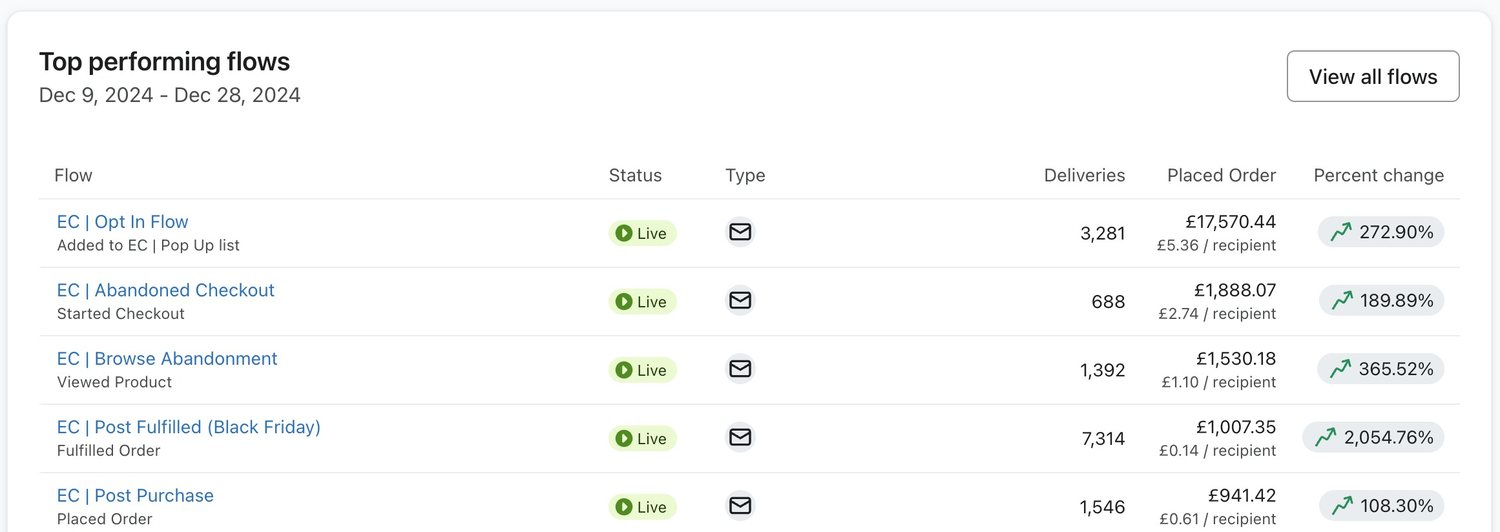
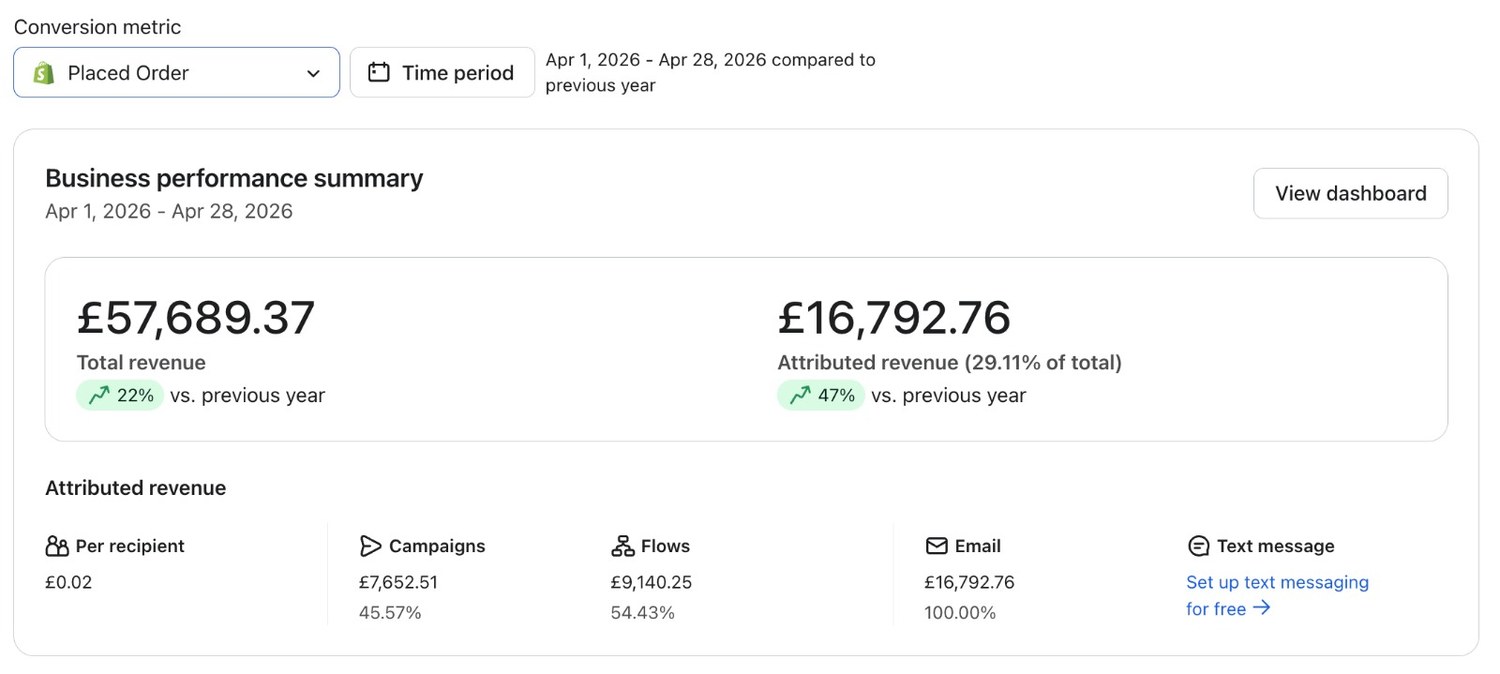
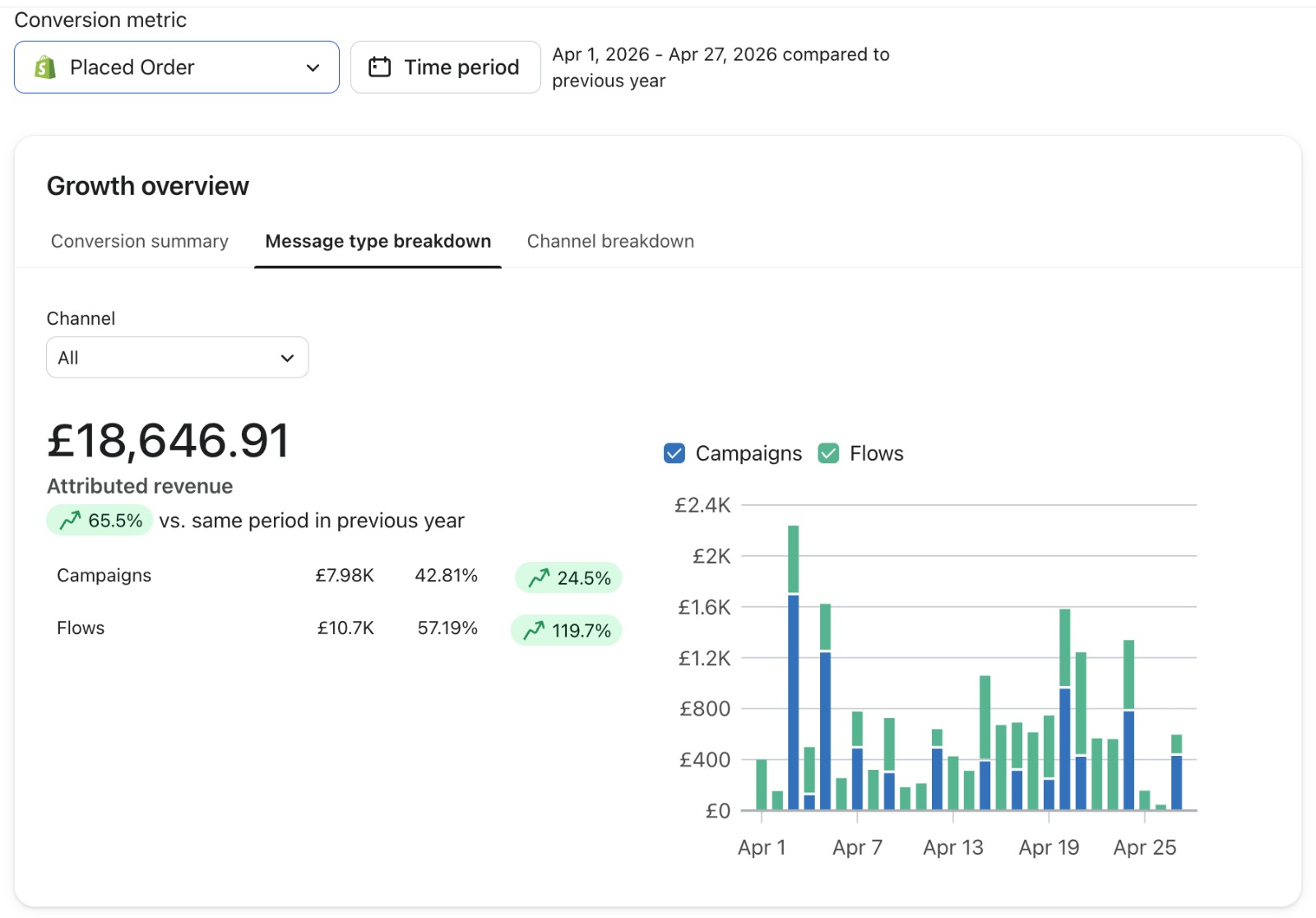
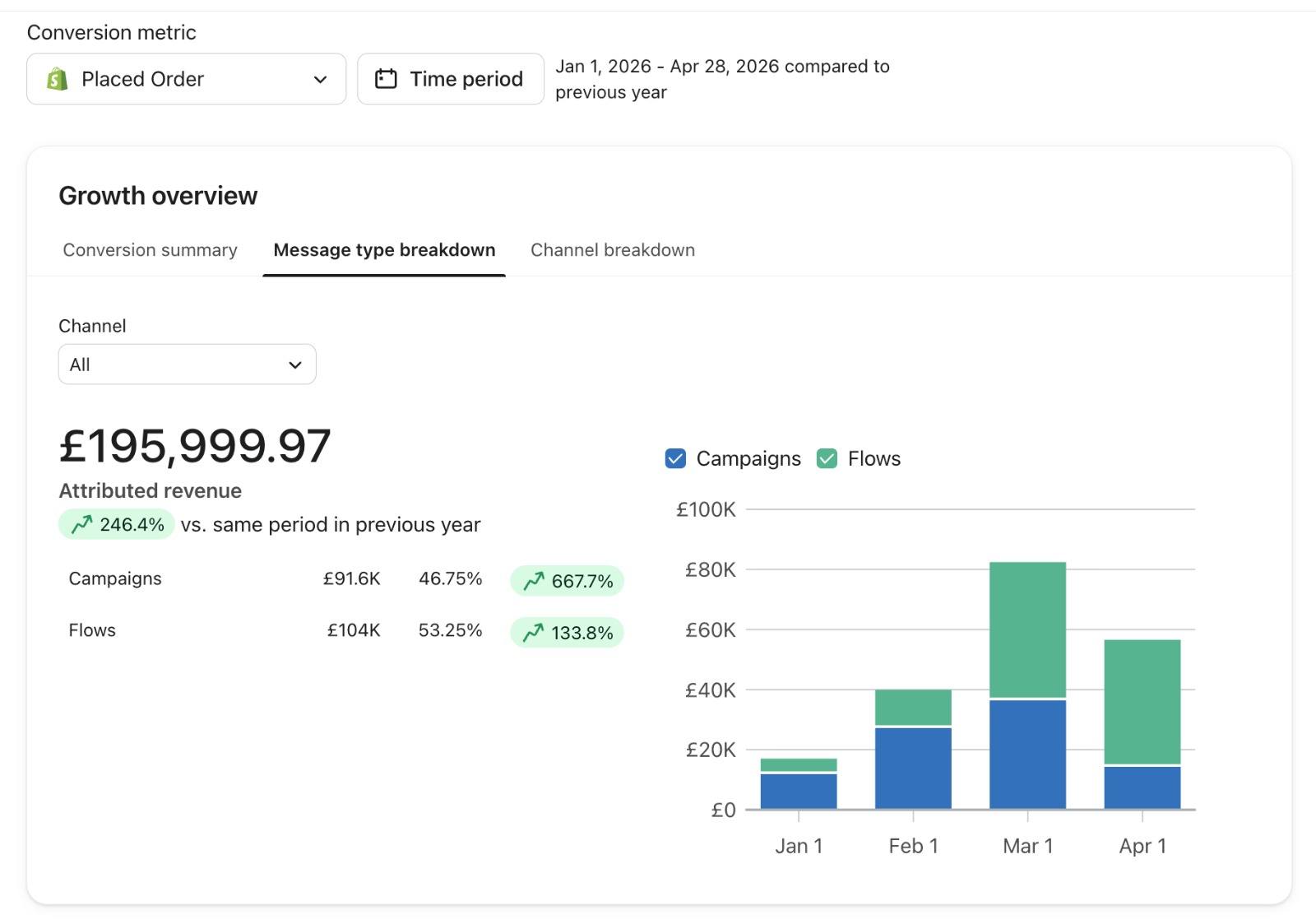
Three programmes where the journey itself was redrawn before a single flow was rebuilt.





FAQs

What actually is lifecycle strategy?
It's the plan behind the messages. We map your customer journey end to end, first visit through to loyal advocate, and decide which message, which channel and which offer belongs at each stage. The flows and campaigns are the output. The strategy is knowing why each one exists and what number it answers to.
How is this different from just doing email marketing?
Email is one channel inside the system. Lifecycle sits above email, SMS, WhatsApp, direct mail and loyalty, and tells each one its job. So a customer gets the right message on the right channel in the right week. Skip that layer and your channels end up competing for the same sale.
Do I need this if my flows are already set up?
If they were built one at a time, almost certainly. We keep finding welcome series fighting the pop-up offer, cross-sells firing before the parcel lands, winbacks starting months too late. Tweaking a flow never catches that. Only looking at the whole run does.
What is your pricing structure?
It depends what you want from us. Lifecycle can be a one-off piece: the audit, the journey map and a roadmap your own team runs. Or it's the strategy layer sitting over a full retention retainer with us. Either way you get a proposal in writing, with no hidden fees.
What does a lifecycle engagement look like?
We start with your data: cohorts, repeat rates, time between orders, channel attribution. Then we map the journey you've got, mark where it leaks, and draw the one you want: every stage, every message, every channel. You keep the strategy, the build order and the measurement plan.
Which tools do you work with?
Klaviyo at the core, plus the SMS platforms: Postscript, Attentive, Yotpo. Then Recharge, Smile and LoyaltyLion for subscriptions and loyalty, and the direct mail integrations. The map itself doesn't care what you run on; the build plugs into whatever you already have.
Can you execute the strategy too?
Yes, and most clients do. We build and run what we design: flows, campaigns, SMS, loyalty and the reporting. Got a team in-house already? We'll hand them the roadmap and stay on as the strategy layer instead.
What metrics does lifecycle strategy actually move?
The compounding ones: second-order rate, time between orders, 365-day LTV, repeat revenue share, and what email and SMS get the credit for. Those are the numbers that change the economics of the business, because they make every customer you buy worth more.
How quickly can I expect to see results?
Sequencing fixes pay back fast. Close an obvious gap like a missing reorder prompt or a mistimed winback and it tends to show up in weeks. A redesigned journey takes a quarter or two to compound, as cohorts move through it.
Will I have access to reports and analytics?
Always. Reporting comes back stage by stage against the map, so you can see which stages moved and where the next one is. It's your brand and your data; nothing is hidden.
What the map hands the work to
Where is your revenue leaking?
Up to four questions. One answer: what we'd fix first, and where to start on it.
How big is the brand?
Want a retention system, not a pile of flows?
Send us twelve months of orders and read-only access to your Klaviyo account. In your growth consultation we'll tell you which stage is leaking hardest, what we'd fix first, and roughly what closing it is worth. You keep that read either way.


Half an hour with Theo, our founder.
We're all about relationships built on trust, mutual respect and a shared vision for success. If that sounds like your vibe, let's make some waves together 🌊