The VIP flow that rewards your best customers without discounting them
Your best customers keep coming back. Not the ones who spent the most, once. This is the flow that tells the two apart.






Who's in it, and what the evidence has to be
Three readings off your own data, and the one habit that fills it with the wrong people.
The segment is the flow
Everything after this follows from who's in it. So we build it in Klaviyo against your definitions and read it again every month. Leave a segment alone for a year and it turns into a list of people who used to be your best customers.
Joining the segment starts it. After that it waits for something worth being first to, and stays quiet when there's nothing.
Repeat rate, against your own reorder gap
How often somebody comes back, measured against the gap between a first and a second order on your own account. Not a round number of orders. Two a year is loyalty for a mattress and a warning for coffee.
What it rules outRanking an ordinary buyer as exceptionalRecency, so the segment describes now
Somebody who bought monthly last year and nothing since is a winback problem, not a VIP. Recency keeps the list about now. Otherwise it's a monument to a good quarter.
What it rules outThanking people who've already goneContribution across a fixed window
What they've actually paid over a window you set, after the returns, the refunds and the codes they used. Gross spend quietly promotes the serial returner to the top.
What it rules outRewarding revenue you didn't keepOne big order is an event, not a relationship
Lifetime spend is the easy sort, so almost every VIP list we inherit fills up with people who bought once, at Christmas, three years ago. Those are your biggest receipts, not your best customers, and the programme ends up flattering strangers while the person who orders every six weeks hears nothing.
Three emails, and the one thing none of them carry
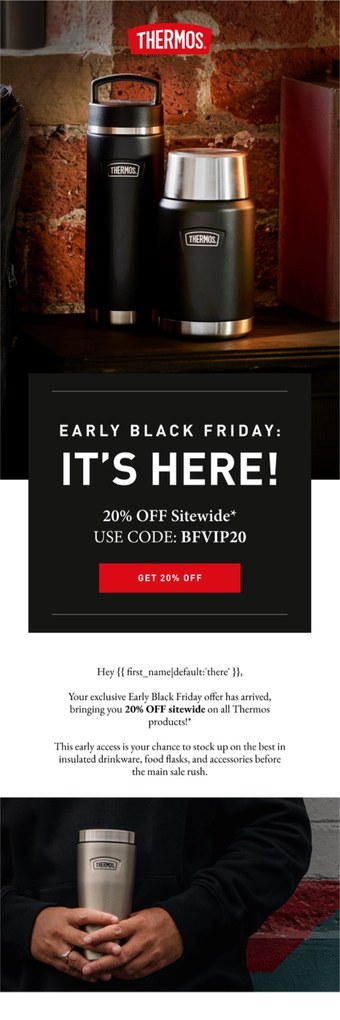
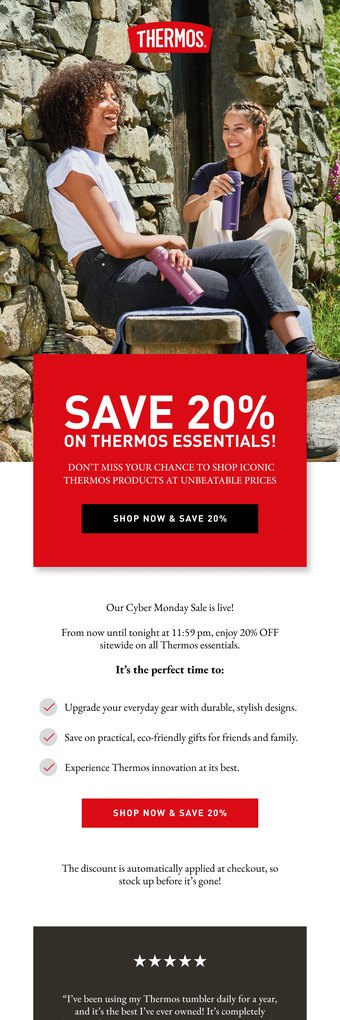
Early access, before the list sees it
Subject line · Yours first, before it goes out
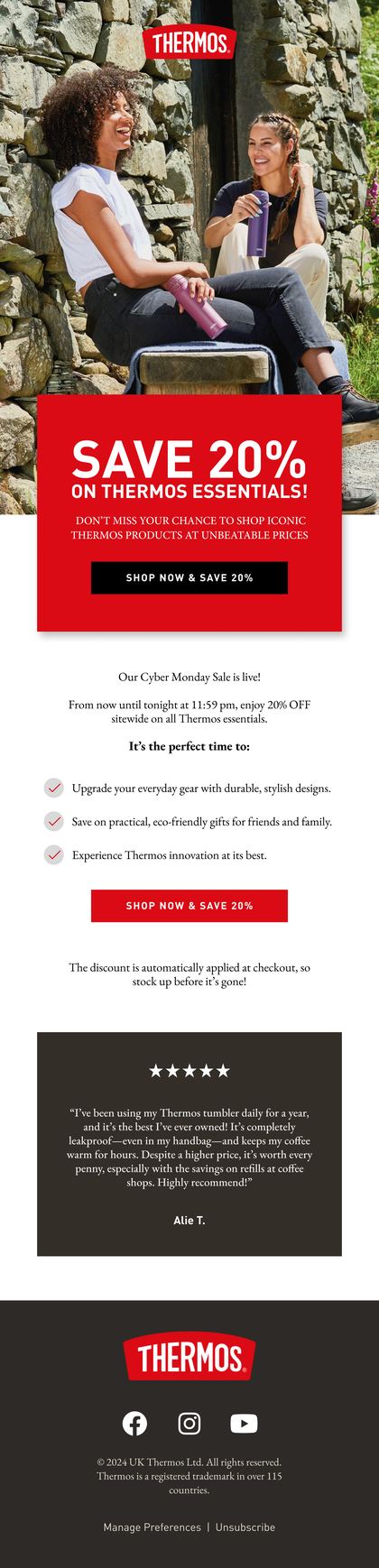
The sale, the drop or the restock reaches them before the list does. It costs you nothing: the offer already exists. What they get is the head start and the pick of the stock.
First pick of what's new or scarce
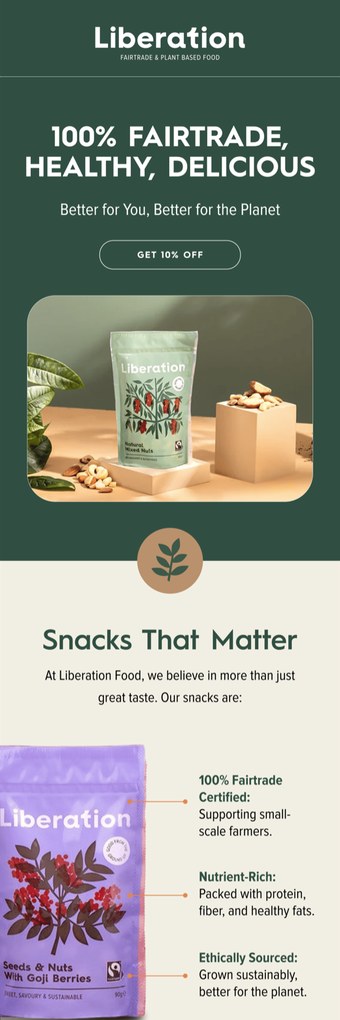
Subject line · The new range, opening to you today
A new line, a short run, or the size that always sells out. The link opens the product with their usual choice already made. We know what they buy.
A thank you that asks for nothing
Subject line · No offer, just a thank you
Once a year, with no code and no offer attached. It's the only send in the stack whose job is to be read, not converted. It's also the one people reply to.
A calendar, not a timer. Two or three moments a year beat a monthly send that turns being a VIP into just another newsletter.
Stop meeting the definition and you drop out on the next refresh, quietly. Ask to hear less and you're out for good, with the segment barred from putting you back.
The long version sits in what RFM segmentation is and what moves repeat purchase rate. Turn the segment into a published tier and you're into subscriptions and loyalty work, not a flow.
The subject lines above are drafts. We rewrite them in your voice before anything goes out.
What a standing VIP discount quietly costs
Three of them, and the first takes about two seasons to show up.

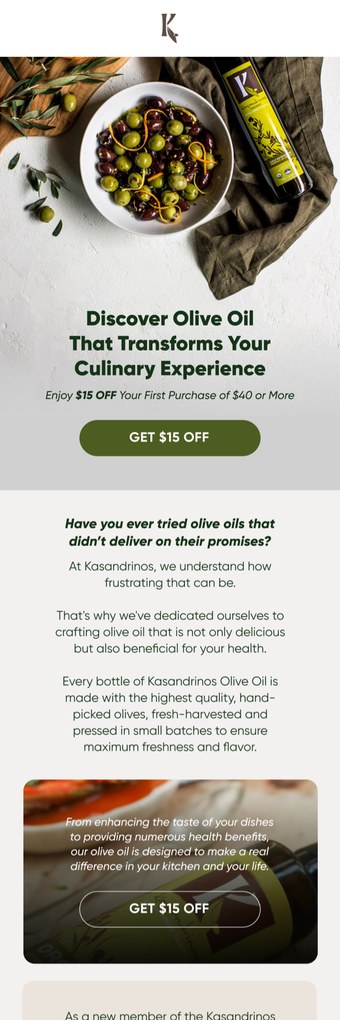
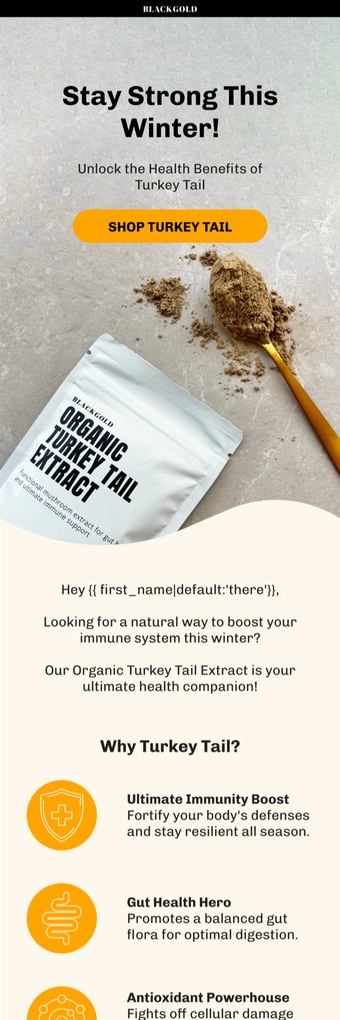
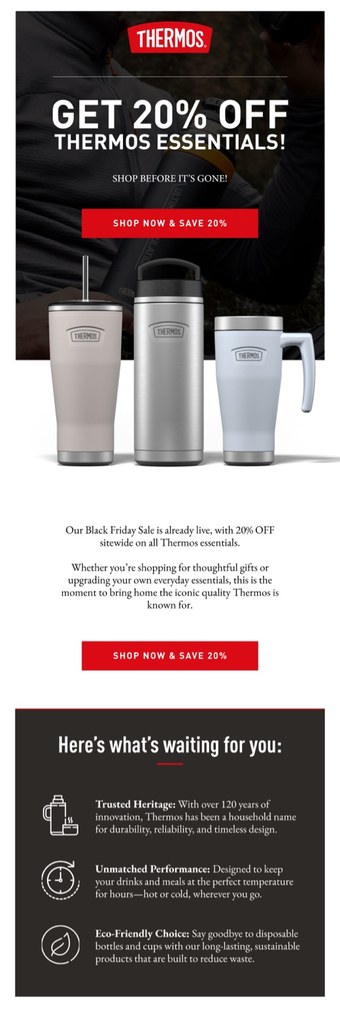
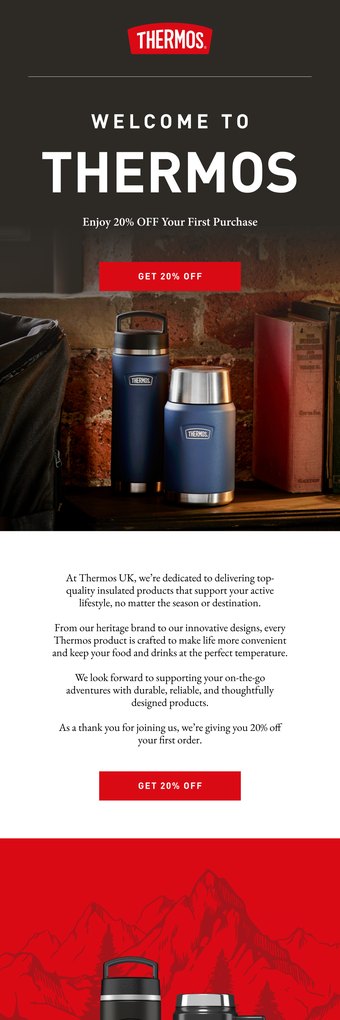
The discount stops being a reward and becomes the price
Give your best customers a permanent percentage and within two seasons they can't see the full price any more. The next email at list price reads like a mistake. Then the only lever left is a bigger number.
You're paying for orders you already had
These are the people most likely to buy anyway. A standing code takes margin off orders that were coming either way, then files the cost under loyalty. Nobody goes looking in there.
The revenue report agrees with you, right up until it doesn't
Attributed revenue holds, so nothing looks broken. What's falling is the contribution behind each order. You see it a quarter later, once the discount is the price.
The readings that would make us move the line
Three each quarter: how many profiles enter and leave, what a VIP order is worth against everybody else's, and whether the thank you gets read. Any one of them can move the line.
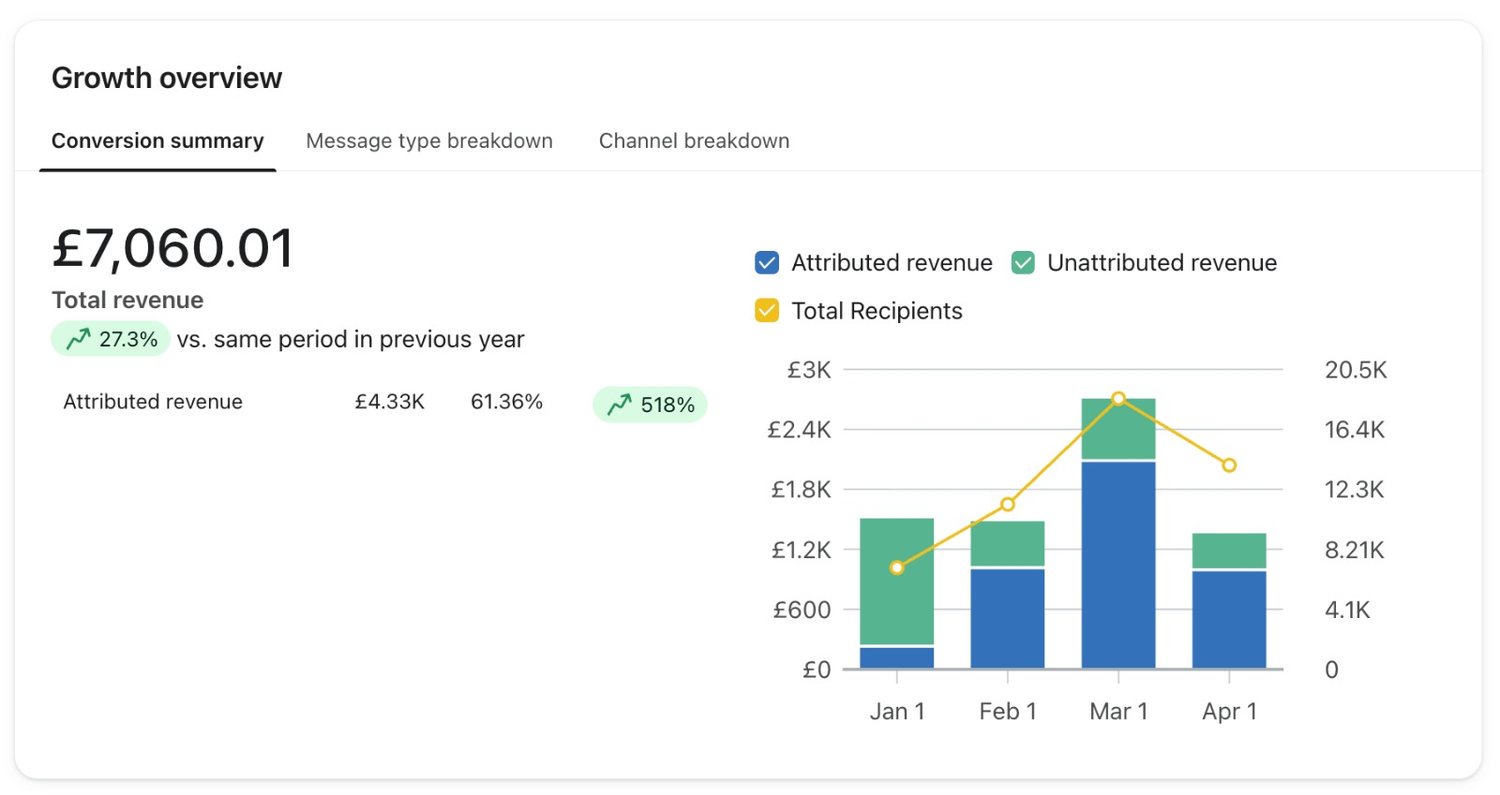
What one account's send to its best customers did
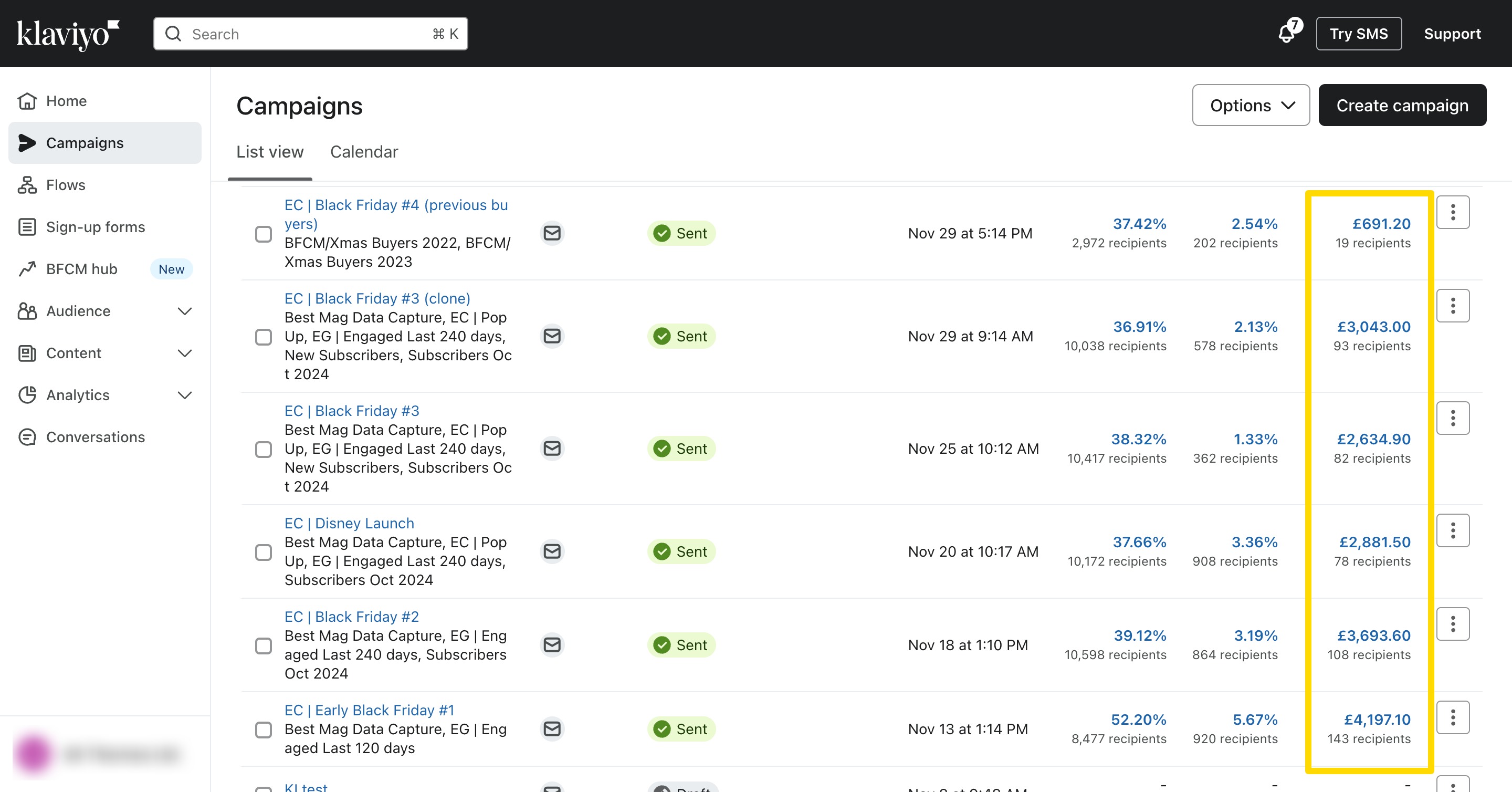
One client, one quarter, on a send to their repeat buyers. We won't pass it off as the flow's own revenue.
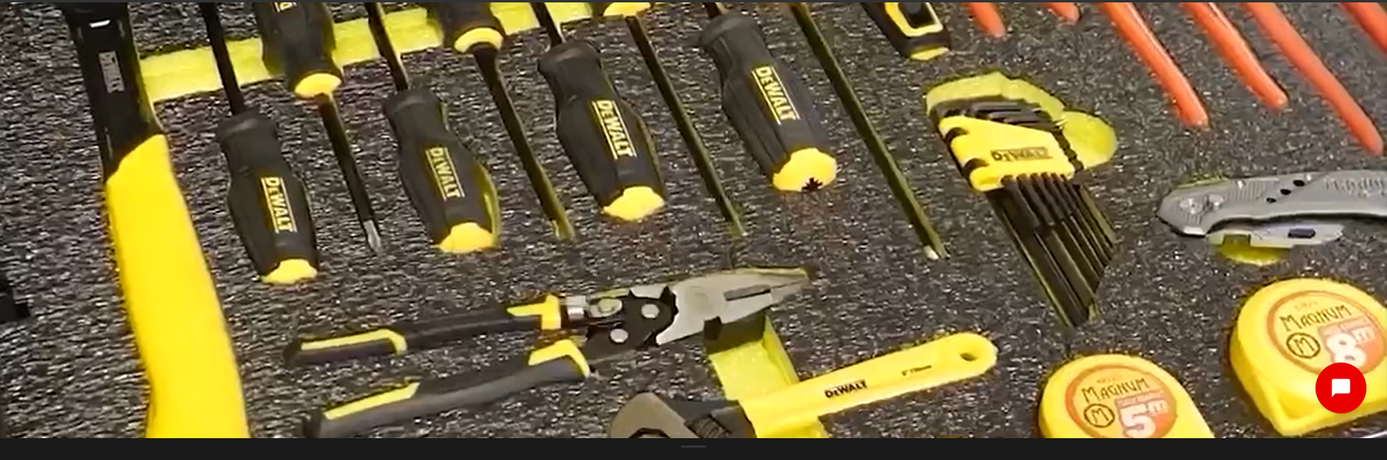

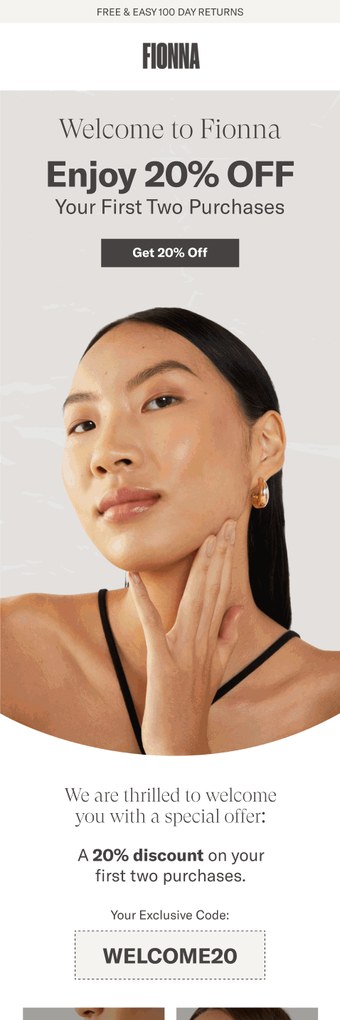
Shadow Foam, Q3 2025, on a send to a segment of their best customers, not to the list. Read the case study.
The same account, the same quarter. Both pairs describe a campaign sent to a segment of repeat buyers, not the flow itself.
FAQs
What is a VIP flow?
A VIP flow is an automated sequence for the small group of customers who buy most often and contribute most over a set window. They get early access, first pick and a genuine thank you instead of a discount. It's the only flow whose entry condition describes a person, not one thing they just did.
How do you decide who counts as a VIP customer?
Three readings off your own account: how often somebody comes back against your own gap between a first and second order, how recently they last bought, and what they've contributed across a fixed window after returns and discounts. All three have to hold at once. We set the thresholds with you in the first month, then read the membership again every month.
Should a VIP segment be built on total spend?
No, and this is the most common way the segment goes wrong. Sort by lifetime spend and the list fills with one big purchase from somebody who never came back, while the customer who orders every six weeks sits outside it. Spend belongs in the definition as contribution over a window. Not as all of it.
Should VIP customers get a permanent discount?
No. A standing percentage resets what your best customers believe the product costs, and it takes margin off orders you were going to get anyway. Access, timing and recognition cost you nothing, and a competitor with deeper pockets can't copy them.
What is the difference between a VIP flow and a loyalty programme?
The flow is email: a segment, a few well timed sends and an exit. A loyalty programme is a published set of rules customers can join and hold you to, with tiers, points or a paid membership behind it. Want named tiers and rewards people can count? That's subscriptions and loyalty work, and the flow announces it instead of being it.
How often should a VIP flow send?
Only when there's something worth being first to. For most brands that's two or three moments a year, plus the thank you. A monthly VIP email is a newsletter with a flattering name on it.
Where this sits beside the evergreen stack
Fourteen more flows, drawn the same way
One automation each, with its real trigger, its waits and its exits.
- WelcomeThe first sequence after signup
- Site searchSearched, then went no further
- Category browseBrowsed a category, opened nothing
- Browse abandonmentViewed a product, then left
- Back in stockThe moment the stock lands
- Price dropOnly the people already watching
- Abandoned cartBasic and advanced, on one page
- Checkout abandonmentStopped at the payment step
- BirthdayOne date, given on purpose
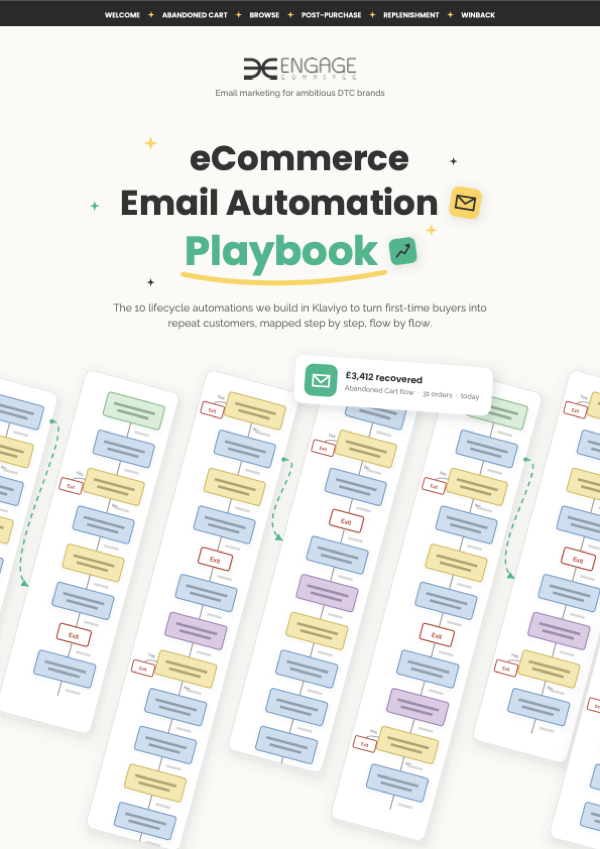
The eCommerce Email Automation Playbook
Twelve pages of decision trees: the evergreen automations, each with its trigger, delays, splits and exits drawn out. A VIP programme isn't one of them. It fires off a definition you set, not one thing a shopper did.
- Post purchaseThe first order welcome
- ReplenishmentTimed to the reorder window
- Cross sellThe second product, not the same one
- WinbackThe dormant shopper, before sunset
- SunsetThe profiles that stopped reading
- The flow libraryAll fourteen, in one place
The channel is email marketing, the platform is Klaviyo, and the order they fire in is set by lifecycle strategy.
Where is your revenue leaking?
Up to four questions. One answer: what we'd fix first, and where to start on it.
How big is the brand?
Shall we find out who your best customers actually are?
Bring your Klaviyo login and a year of orders to your growth consultation. We'll count who's come back inside your own reorder gap, and what they're worth against everybody else. Even if you never build the flow, that's a list worth having.


Half an hour with Theo, our founder.
We're all about relationships built on trust, mutual respect and a shared vision for success. If that sounds like your vibe, let's make some waves together 🌊