The cross sell email flow we build to win the second product
They bought one thing. Days after the order lands, this sequence puts the item that finishes it in front of them.





Bought one thing, not the other: the whole logic
Every delay, every split and every way out.
Somebody buys one half of a pair
It fires when somebody buys one product and hasn't bought the one that goes with it. Two conditions, so nobody enters for something already sitting in their order history.
Has the partner product been bought since the last order?
The completion
Subject line · Complete your {product}
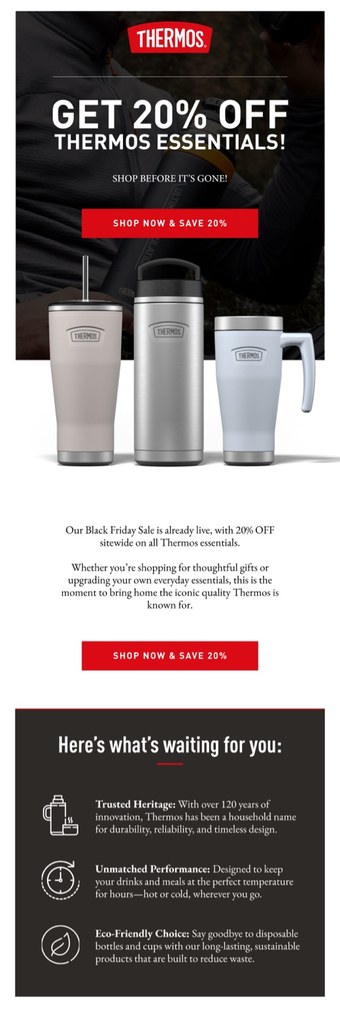
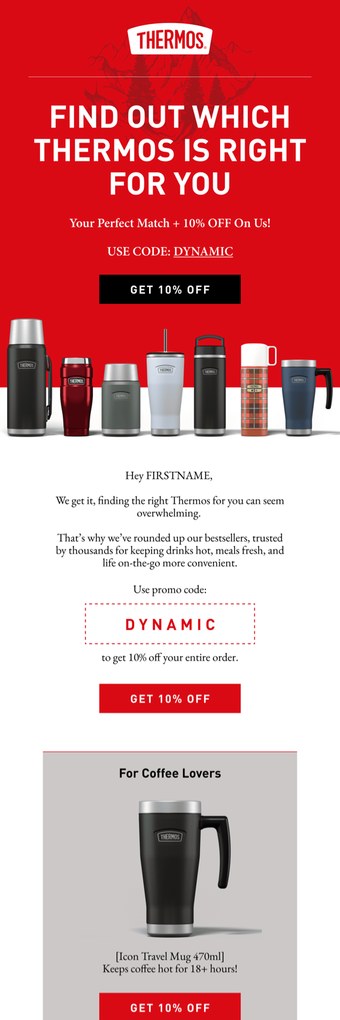
It names the thing they already own and shows the one item that finishes it. One pairing. Not a wall of bestsellers.
Has the partner product been bought in the last two days?
The wider suggestion
Subject line · We think you'll also like {product}
Maybe the first suggestion was wrong. So this one widens out from the single pairing to the rest of the range that suits what they bought.
Has the partner product been bought in the last day?
The last nudge, carrying an offer
The last send puts a discount on the pairing and closes the sequence. We set the size of it against your margin on the partner product, not against a template default.
The profile leaves the pairing
Every route out ends here. Buy the partner product, or reach the end of the third send, and you land in the same place. The next pairing is a separate entry, so nobody's got two running at once.
The delays above are starting points. They move to fit how long your orders take to arrive, and we rewrite the subject lines in your voice, keeping the job each send does.
Where the second product never gets offered
Three dynamics, and your campaign report shows you none of them.
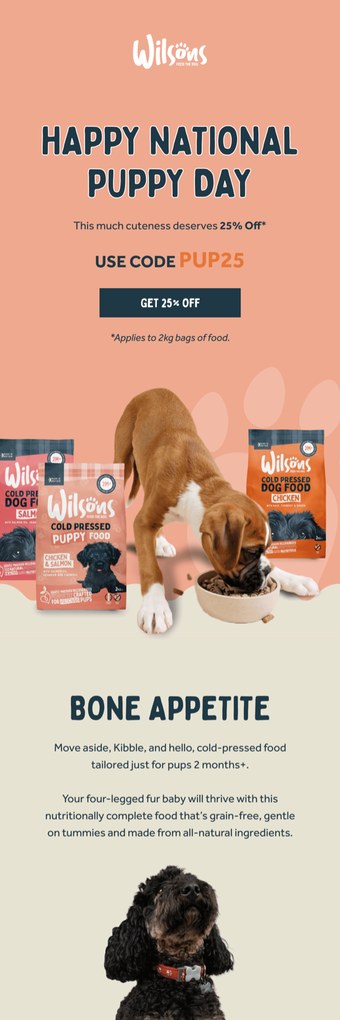
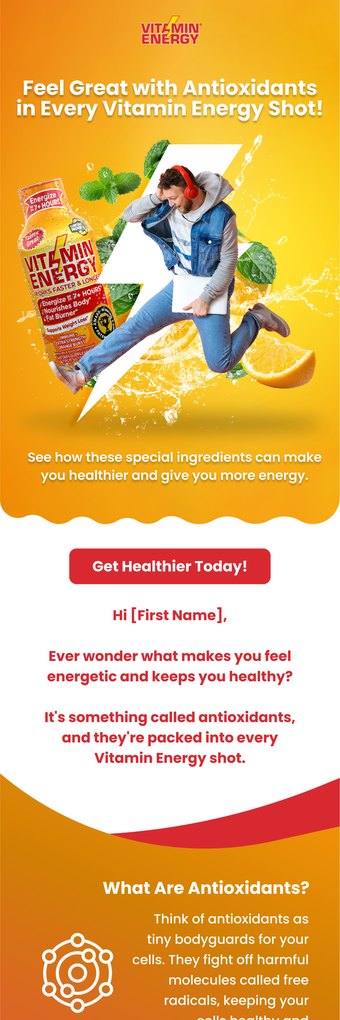
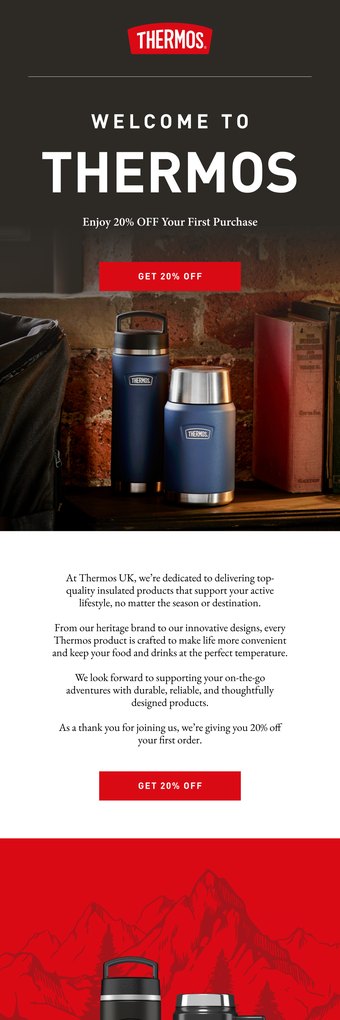
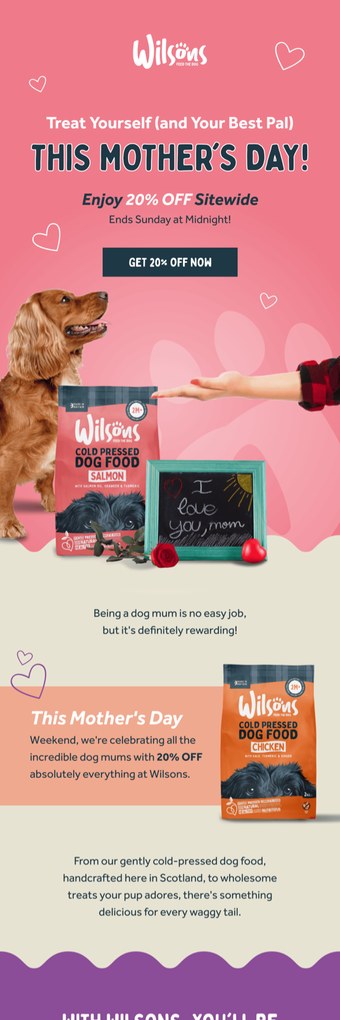
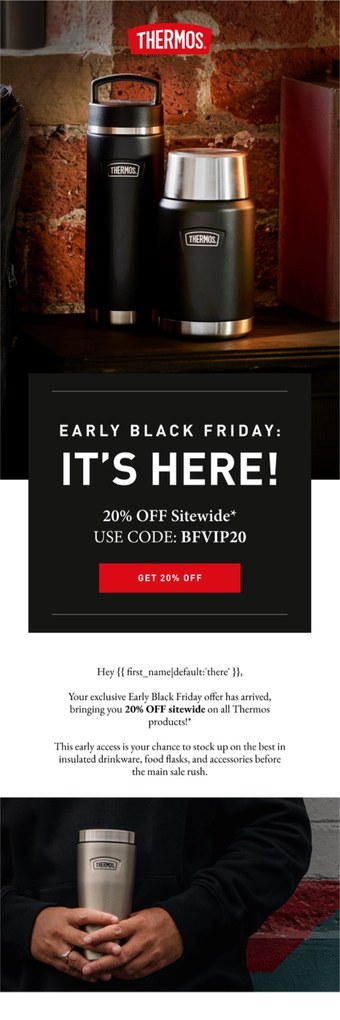
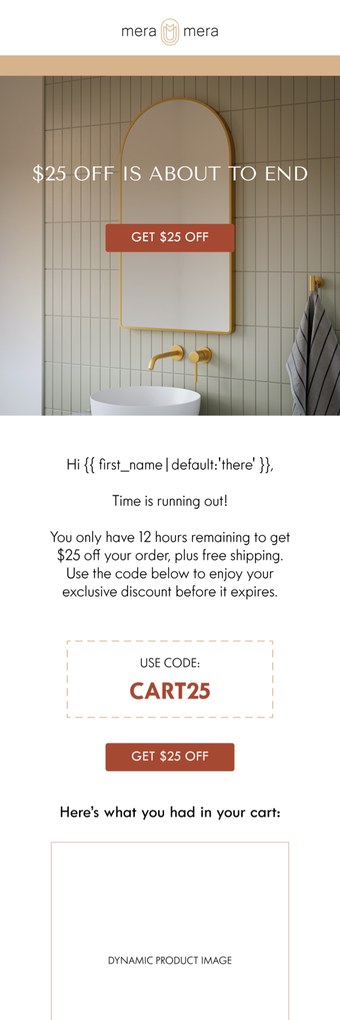
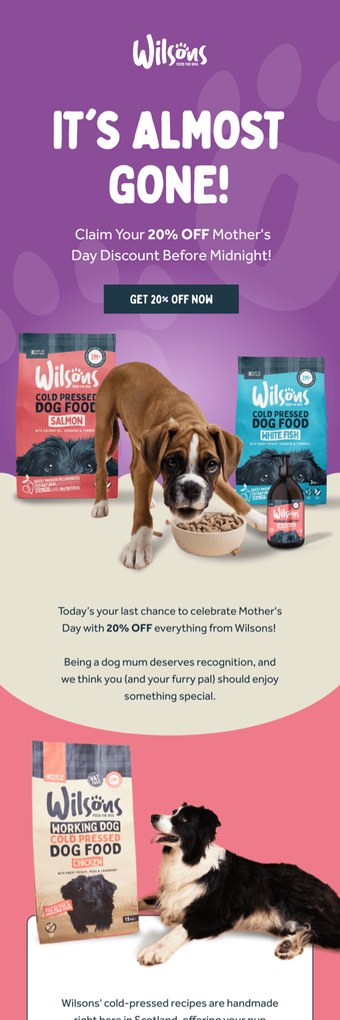
Every buyer stays a one product buyer
Somebody finds one item, buys it, and never meets the rest of the range. Your catalogue exists. The only person who's read it works for you.
Recommendations that ignore what's already owned
A generic bestsellers block shows people the thing sitting in the cupboard they just unpacked. Nothing reads less personal than being sold your own order.
The window after the first order goes unused
The days around delivery are when a second order is easiest, and a newsletter can't aim at those. By the next campaign, the moment's gone.
What we test once the pairs are running
Three things we test: whether a pairing rule you've written beats the pairs your order data finds on its own, whether the third send needs its offer at all, and where the first delay sits against delivery. Each one runs long enough that orders decide it, not clicks.
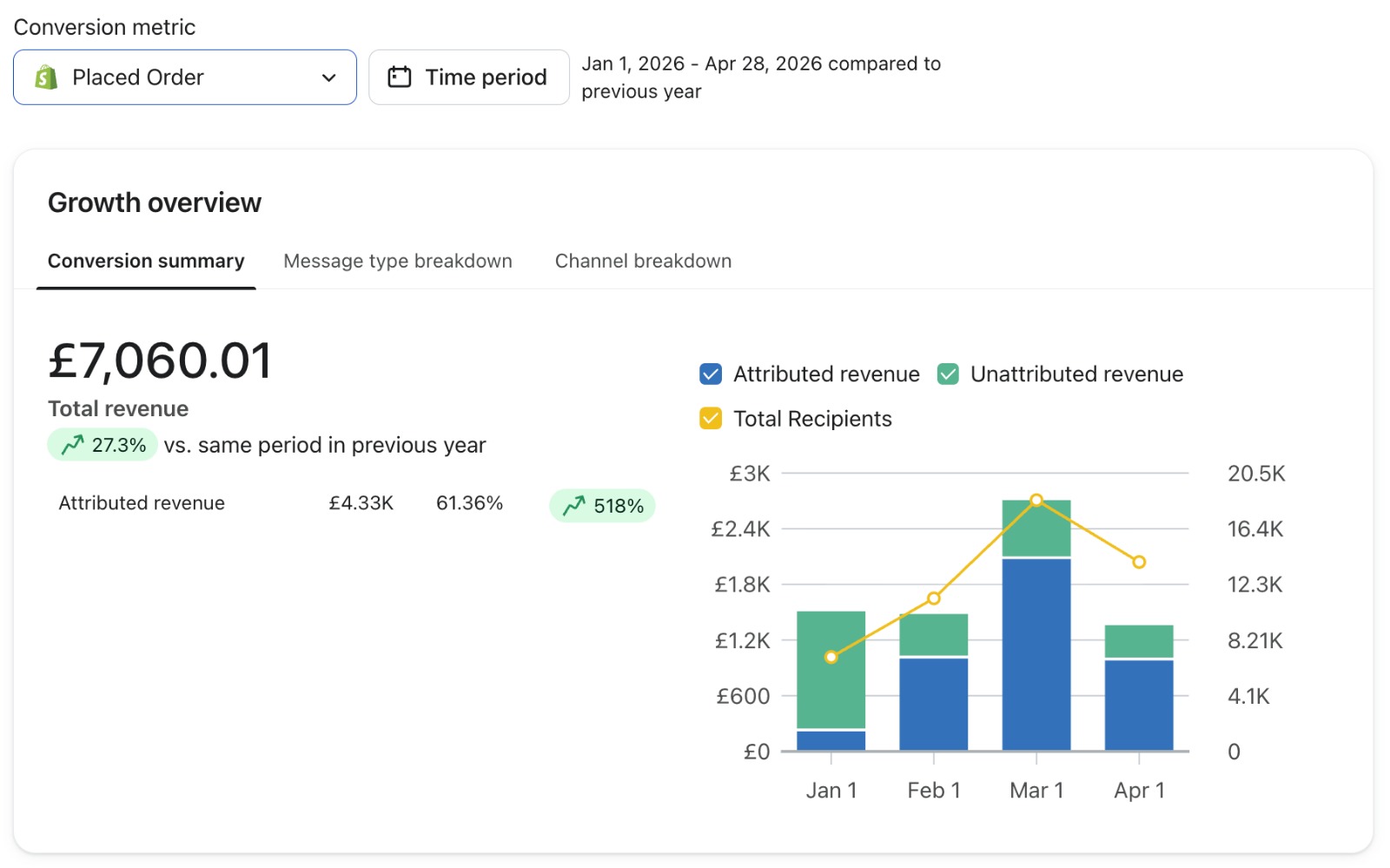
What better retention did for repeat buyers
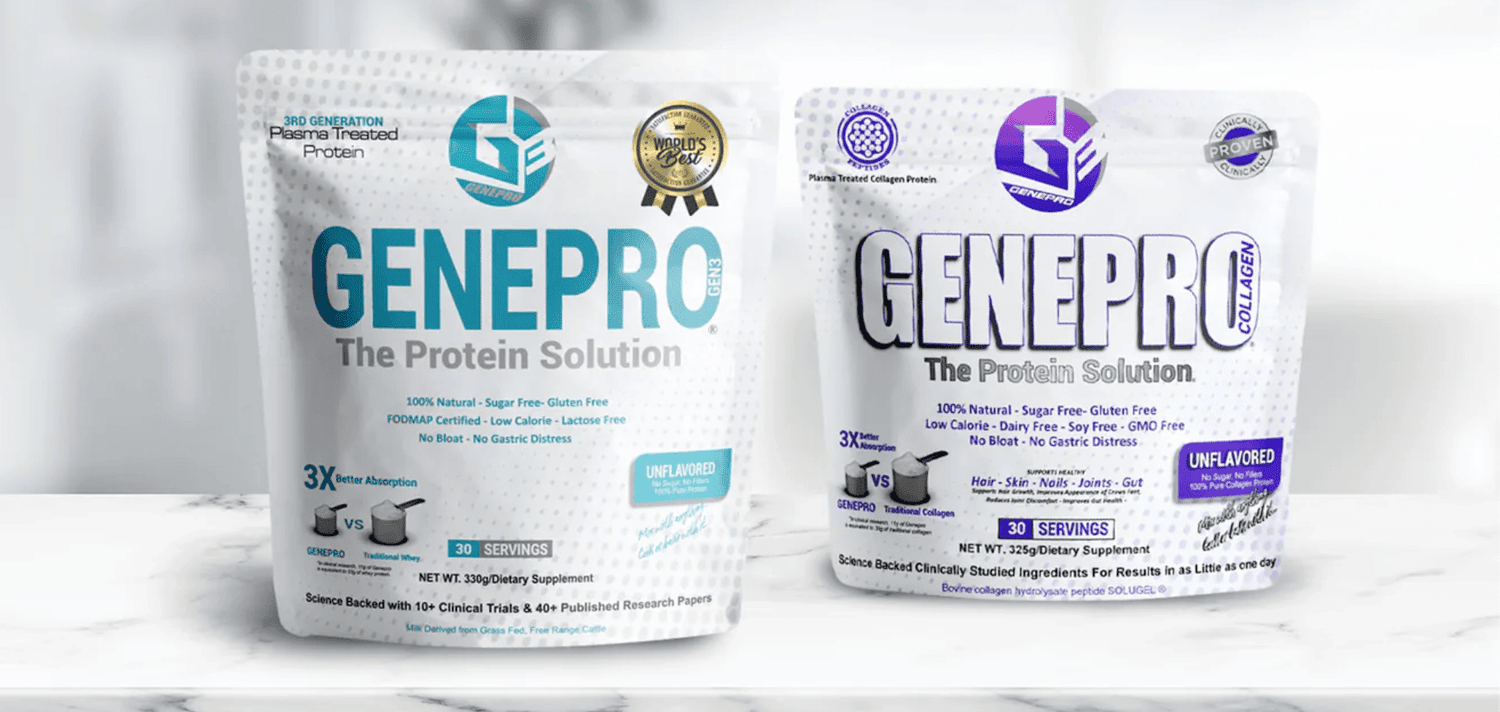

GenePro Protein, five months. That belongs to the whole retention programme, not to this flow on its own, and the workings are in the case study.
FAQs
What is a cross sell email flow?
A cross sell email flow is an automated sequence that fires after somebody buys one product and offers the item that goes with it, not more of the same thing. Ours triggers on a purchase where the paired product hasn't been bought, runs three sends across four days, and checks before each one whether that pair's been completed since.
How is cross selling different from upselling in email?
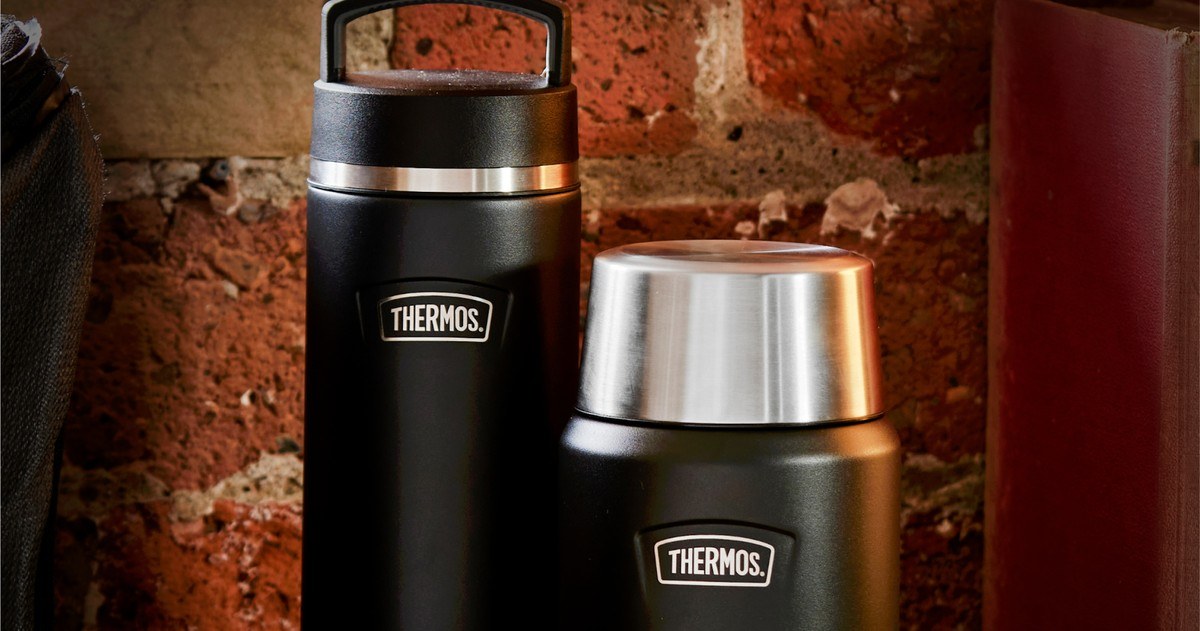
A cross sell offers a different product that completes the one they've already bought: the case for the flask, the topper for the food. An upsell offers a bigger version of the same thing, and it belongs before the order, not after it. Timing is what separates them. Upsells work on the product page and in the cart; cross sells work in the days after delivery.
When should the first cross sell email send?
We wait one day after the order, then check the pair before anything sends. One day is a starting point, not a rule. Ship in a week and it lands before your customer has even held the thing. So we move that delay to sit just after typical delivery.
How do you choose which products to pair?
Two ways, and most accounts run both. First, rules we write with you from what your catalogue already knows: the accessory that belongs to the appliance, the refill that belongs to the device, the next size up that belongs to a growing dog. Second, the pairings your order history already shows, the items that keep turning up in the same basket. Rules win on a small range. Order data wins when the range is too wide to map by hand.
Can you send cross sell emails to existing customers under UK GDPR and PECR?
Usually yes. Somebody who's bought from you is covered by the soft opt-in for similar products, as long as they were given the chance to refuse at the point of sale and in every message since. We keep one-click unsubscribe in every send, record where and when each profile was collected, and hold the recommendation to products a reasonable person would call similar to what they bought.
How do you know whether a cross sell flow is working?
Placed order rate on the paired product, and revenue per recipient across the sequence. Clicks on a recommendation block tell you it was seen. Nothing more. We read the exit rate at each split too: most profiles leaving before email two isn't a failing flow, that's the pair getting completed early.
Every evergreen flow, drawn as a decision tree
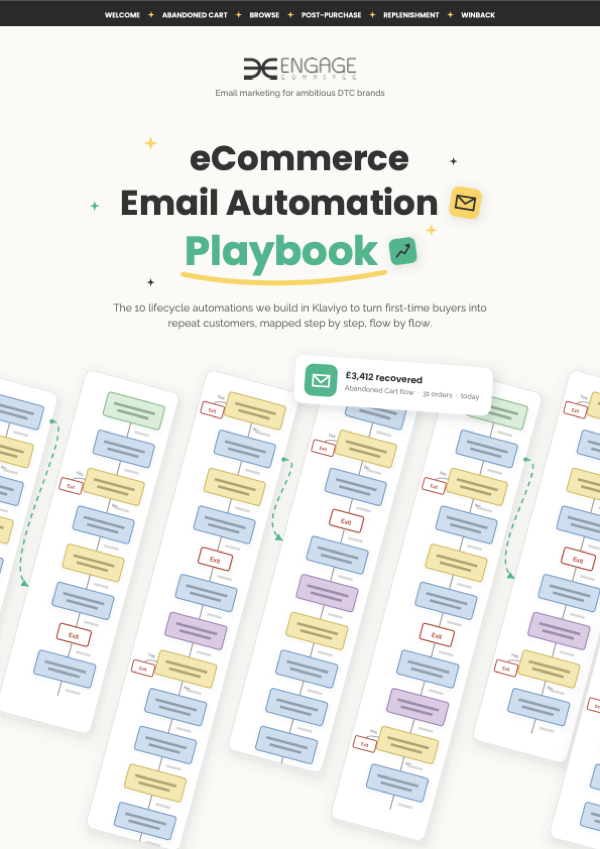
The eCommerce Email Automation Playbook
Twelve pages of decision trees, one per evergreen automation, each with its trigger, delays, splits and exits drawn out.
The sibling flows, and the hub that maps them
The real trigger, the real delays, and the exits that decide who stops hearing from you.
- WelcomeThe first sequence after signup
- Site searchSearched, then went no further
- Category browseBrowsed a category, opened nothing
- Browse abandonmentViewed a product, then left
- Back in stockThe moment the stock lands
- Price dropOnly the people already watching
- Abandoned cartBasic and advanced, on one page
- Checkout abandonmentStopped at the payment step
- BirthdayOne date, given on purpose
- Post purchaseThe first order welcome
- ReplenishmentTimed to the reorder window
- VIPYour best customers, kept close
- WinbackThe dormant shopper, before sunset
- SunsetThe profiles that stopped reading
- The flow libraryAll fourteen, in one place
The whole stack is drawn in the Automation Playbook. The channel it runs in is email marketing, and the map behind the lot is lifecycle strategy.
Where is your revenue leaking?
Up to four questions. One answer: what we'd fix first, and where to start on it.
How big is the brand?
Shall we pair your catalogue up?
Bring your Klaviyo login and your five best sellers to your growth consultation. We'll tell you which pairings your order history supports, and which of these three sends you're missing. No forecast at that stage: we'd be making it up.


Half an hour with Theo, our founder.
We're all about relationships built on trust, mutual respect and a shared vision for success. If that sounds like your vibe, let's make some waves together 🌊