The browse abandonment flow for shoppers who never reach the cart
It answers a product view. That's the signal a shopper gives you long before the cart.



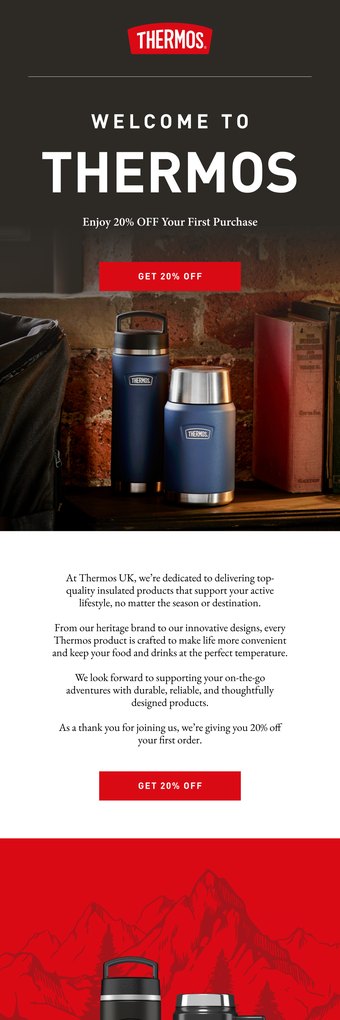
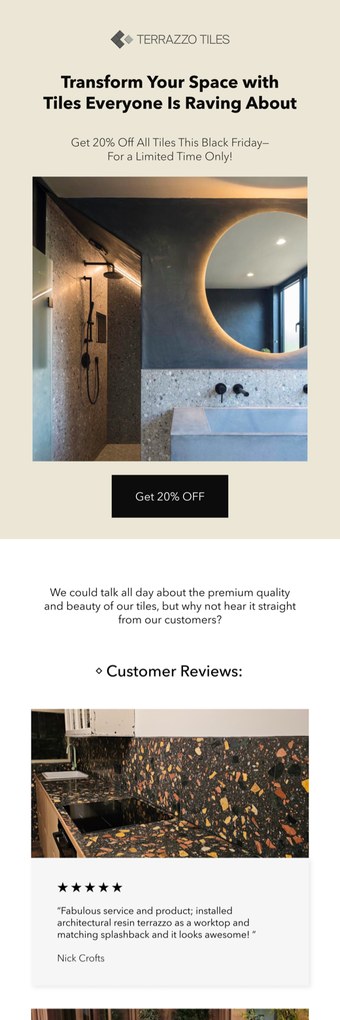
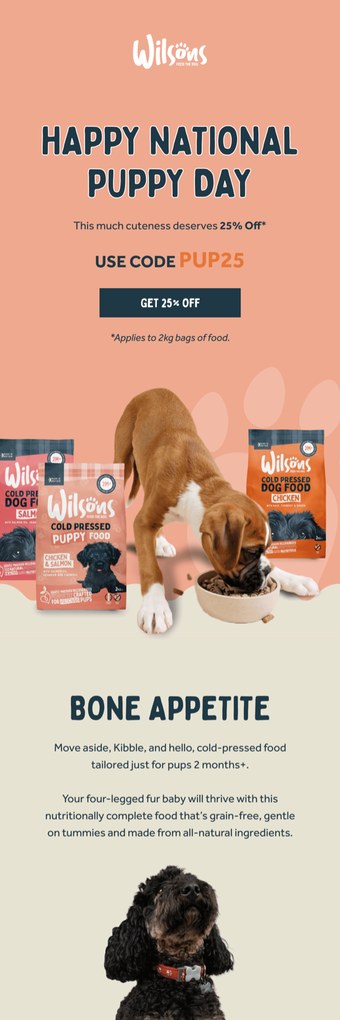
From a product view to an order, in three sends
Every delay, guard and split our Automation Playbook draws for this flow.
Somebody views a product and leaves
It fires on a product view where nothing reached the cart. That view is somebody telling you which product they were weighing up.
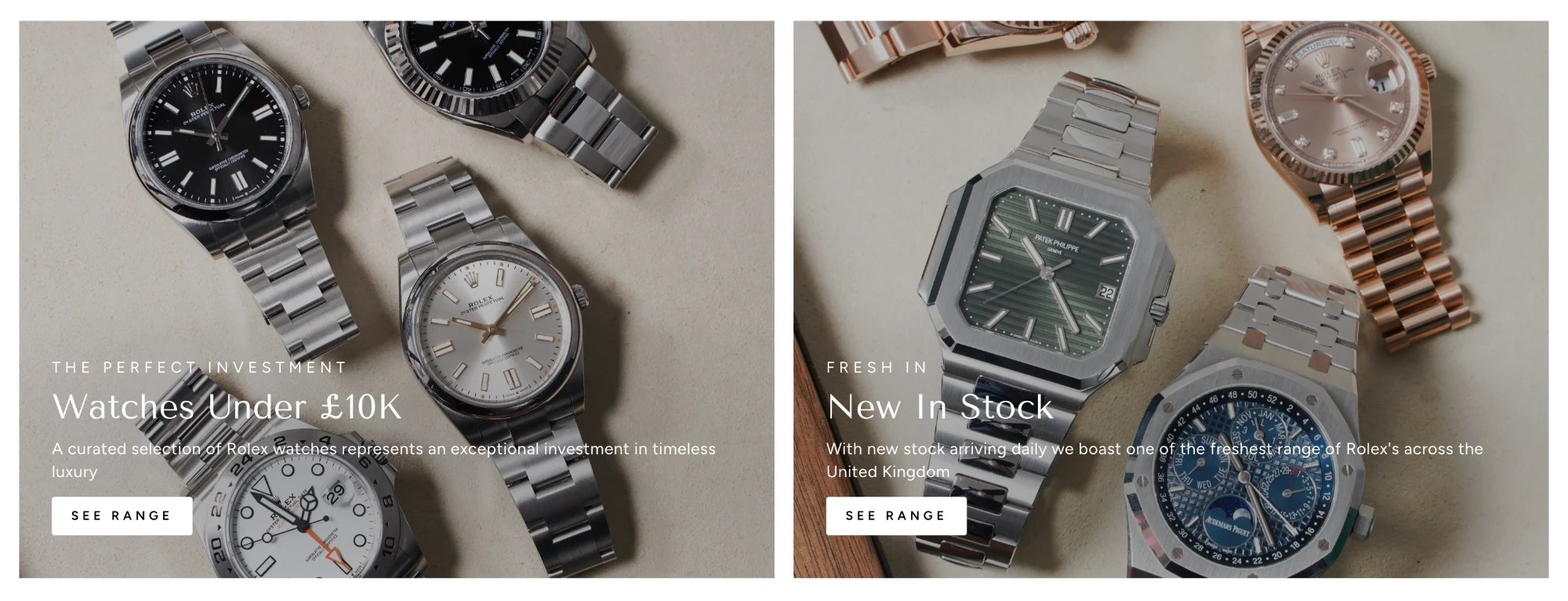
Have they had a browse email in the last seven days?
Did an order land in those seventy minutes?
The quiet reminder
Subject line · A quick reminder...
It goes out just over an hour later, while the tab may still be open. One product, one button, nothing else asked.
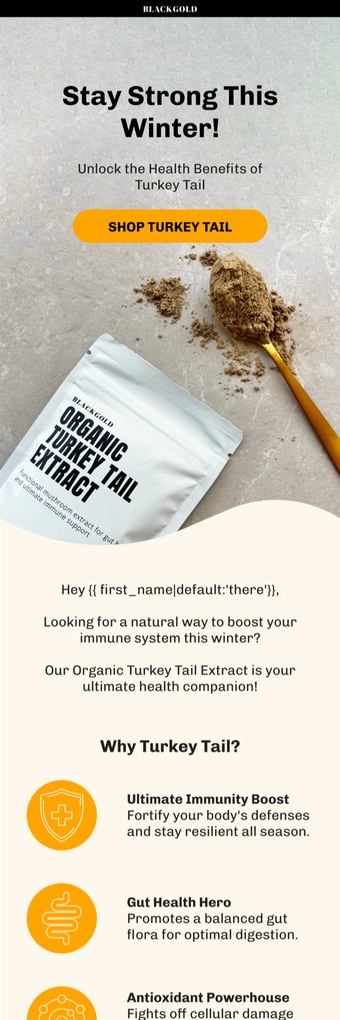

Did an order land in those two days?
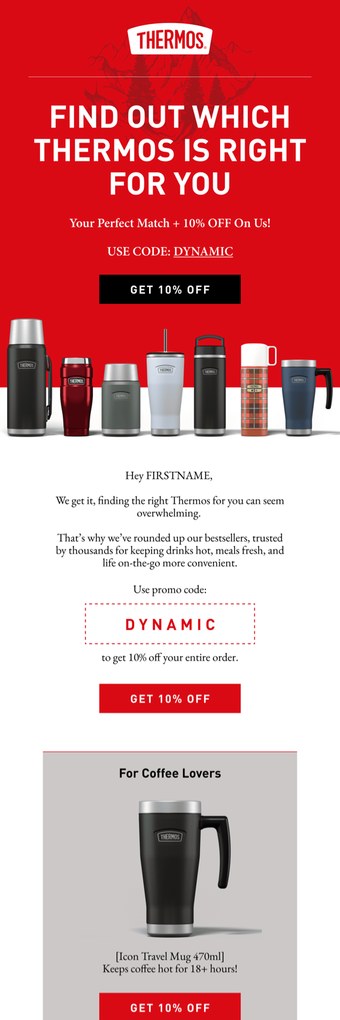
The product, and the ones beside it
Subject line · Shop {product_title} and more...
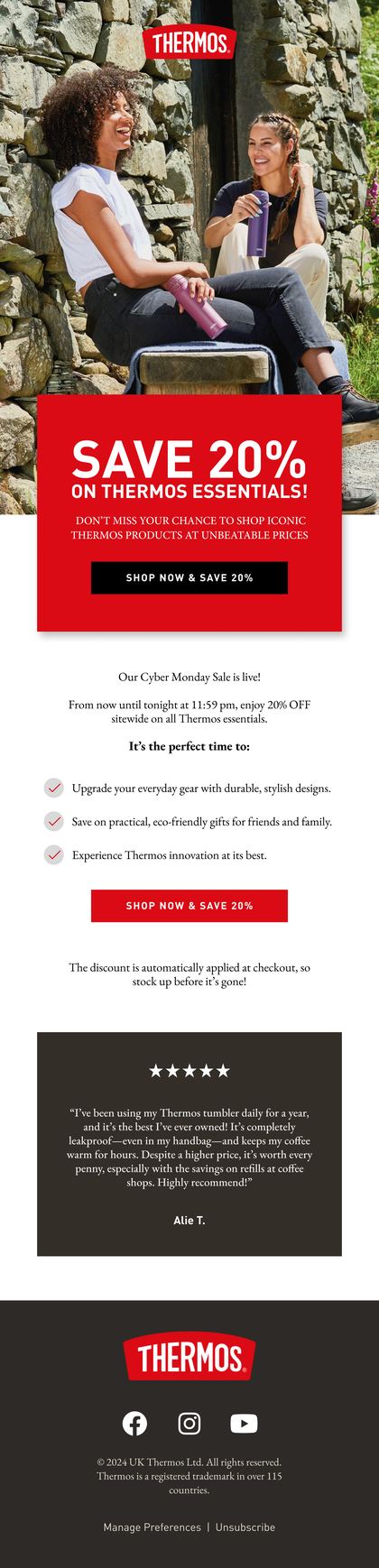
The same product, now beside what people buy instead of it. Looking without buying usually means the first choice was close, not right.
Did an order land in that day?
Have they used a coupon code in the past ninety days?
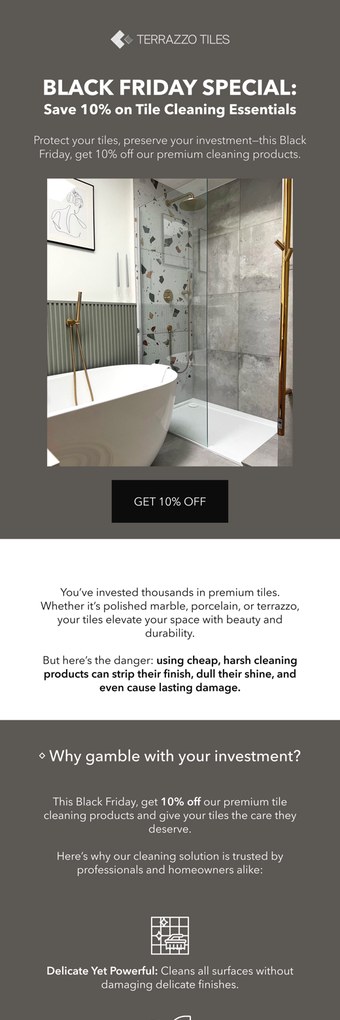
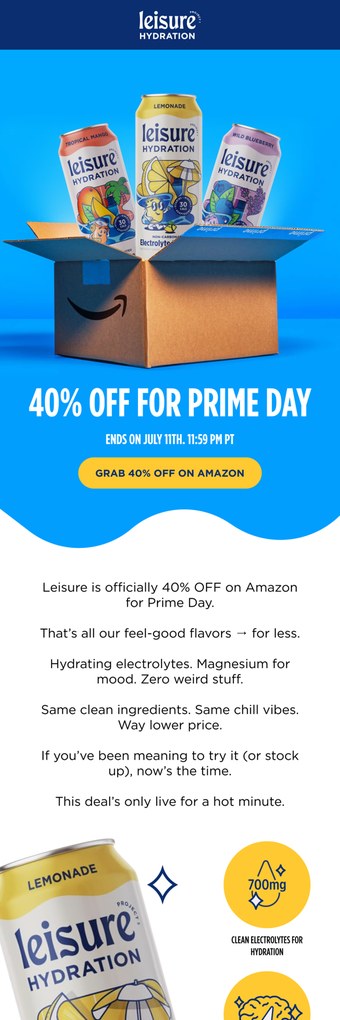
Email three, on availability
Subject line · Almost sold out - {product_title}
Somebody who buys on codes doesn't need another one. Stock does the work instead.
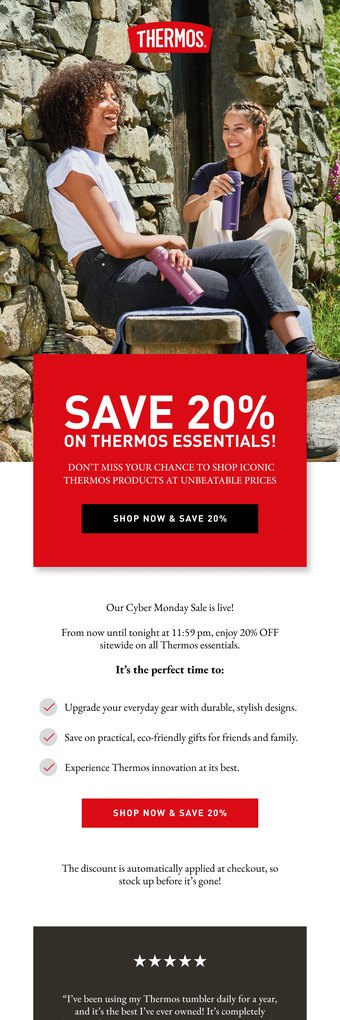
Email three, on the offer
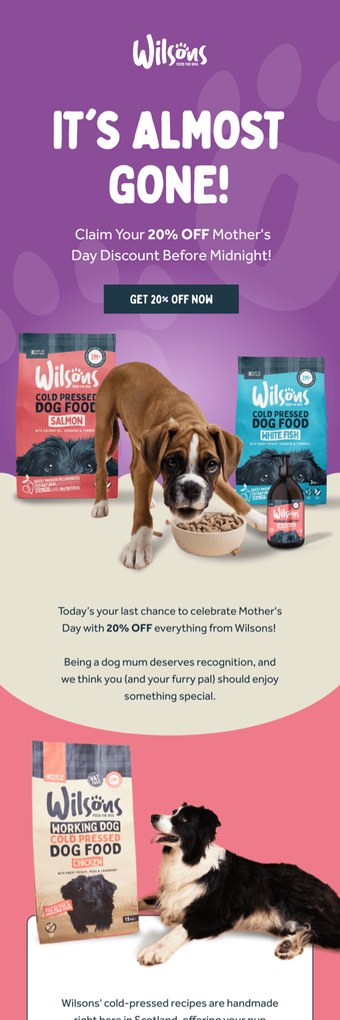
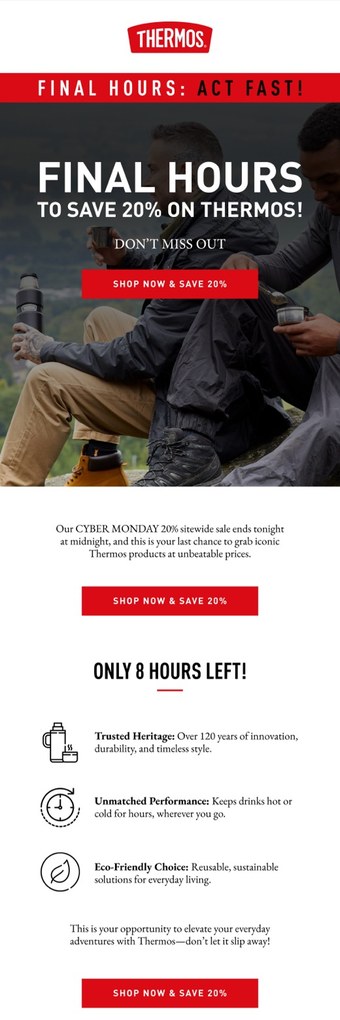
Subject line · [ONLY FOR 24hrs] Your Exclusive Discount...
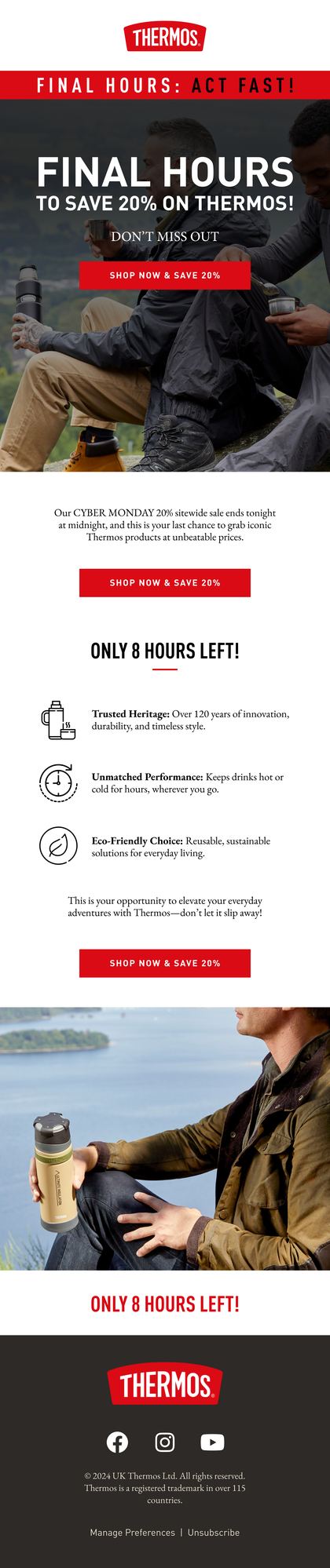
Somebody who's never needed a code is worth spending margin on. One day only.
Both branches leave the same way
Whichever third email sends, the profile exits here. The seven day check at the top stops tomorrow's browse pulling them back in.
What an unanswered product view costs
Three things a flow report never shows you.
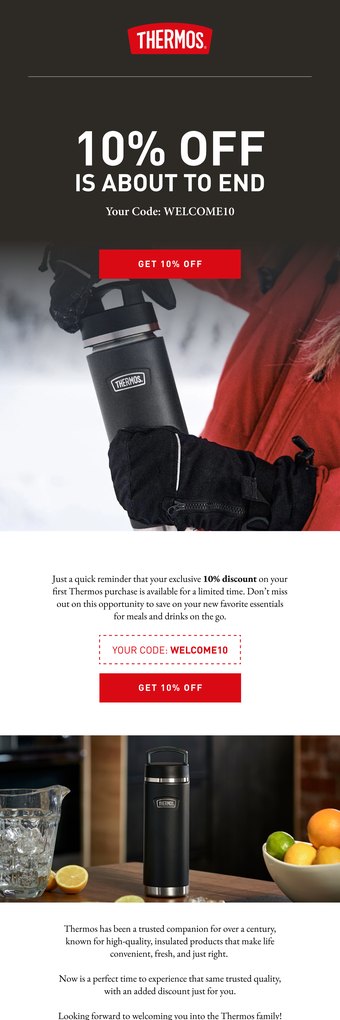
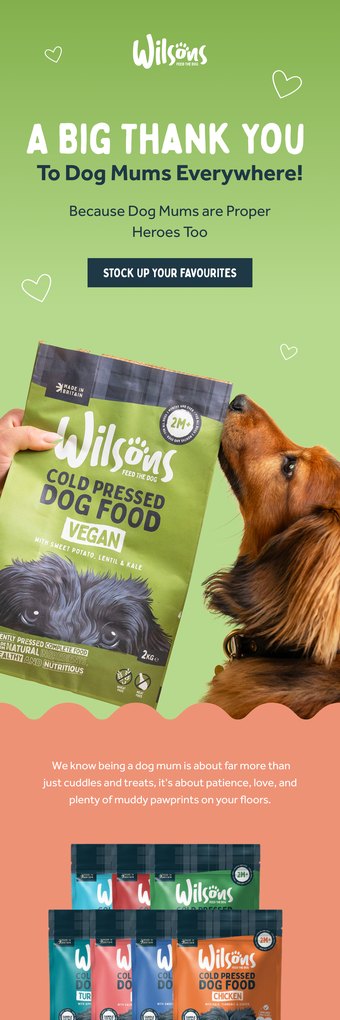
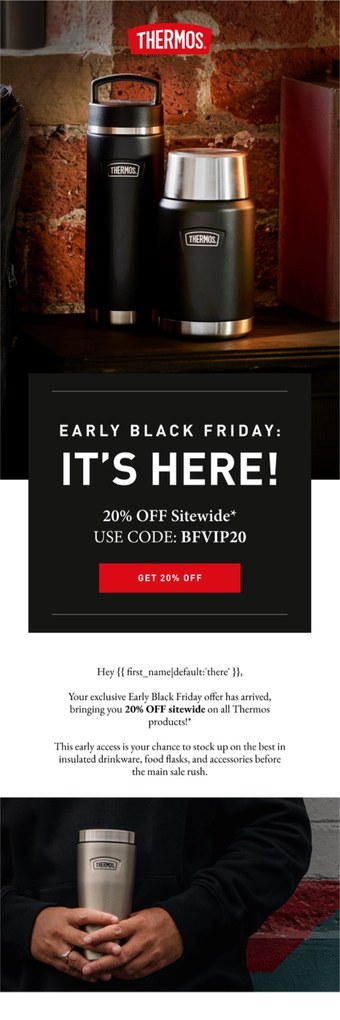

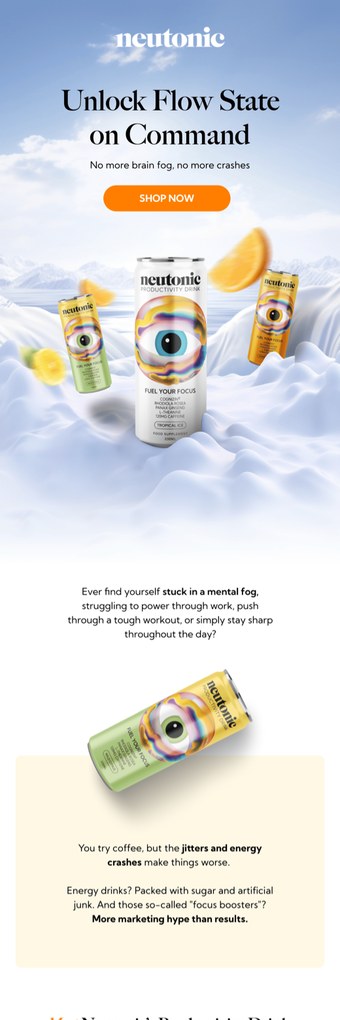
The clearest signal, and no reply to it
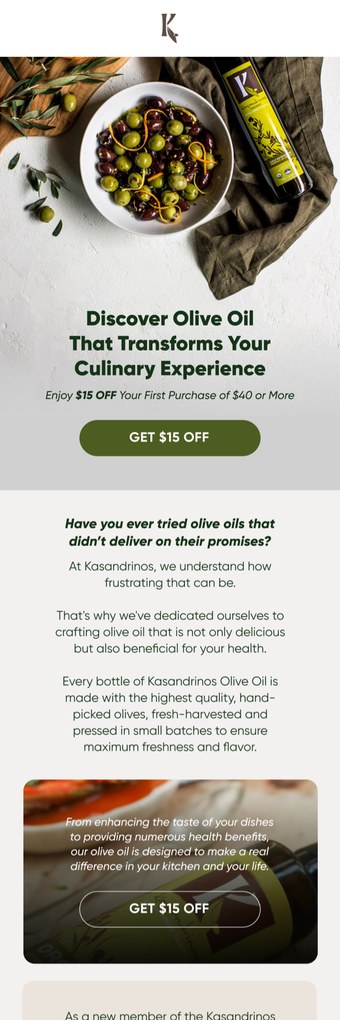
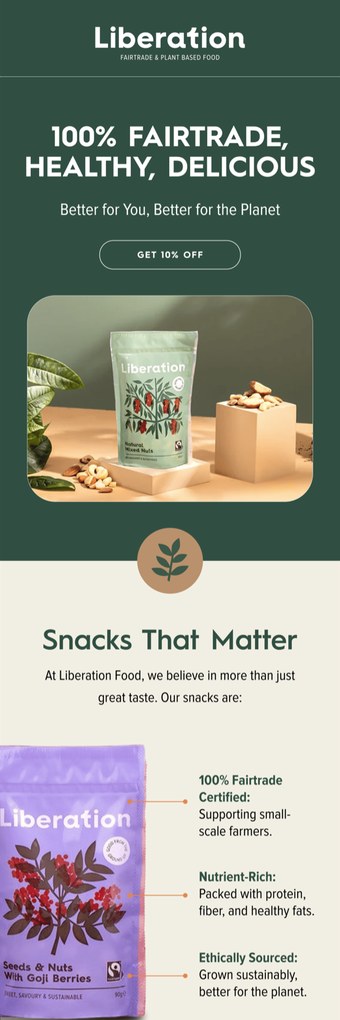
A product view is the last thing a shopper tells you before the cart. Most stores answer the cart and let that one go.
The same email, every time they look
With no frequency guard, a browse on Monday, Tuesday and Wednesday earns three near-identical emails. The reminder turns into noise. Then into an unsubscribe.
A code handed to the people already waiting for one
Send the offer to everyone and your discount buyers just collect another code. Meanwhile the people who'd have paid full price learn there's always one coming.
Three tests, in this order, decided on orders
First that seventy minute wait, then whether email two leads with the browsed product or the category around it, then which third email wins for coupon users. Each one decided on placed orders, not opens.
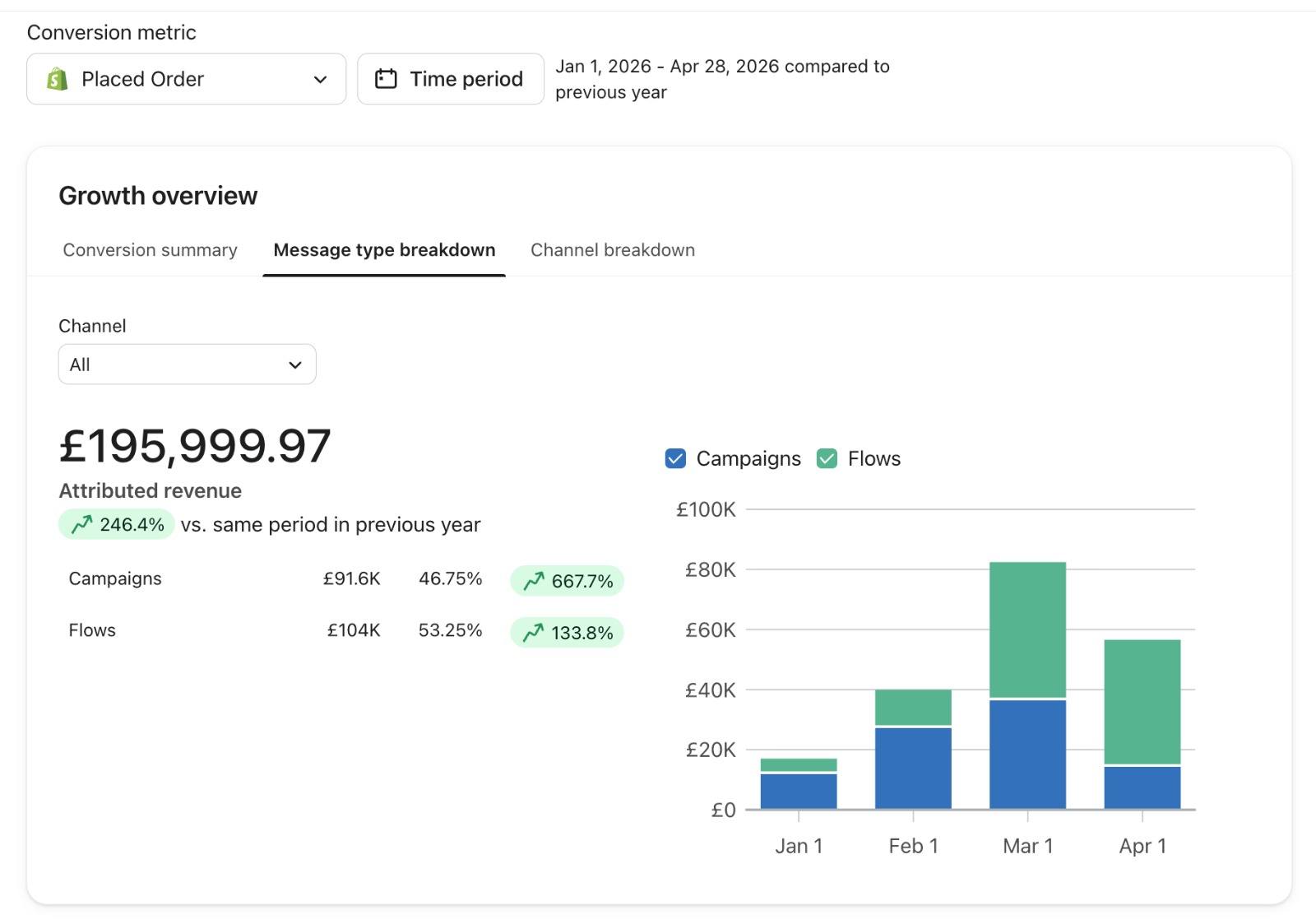
What browse abandonment earned on real accounts
Two clients, two reporting periods, and the flow it usually gets measured against.
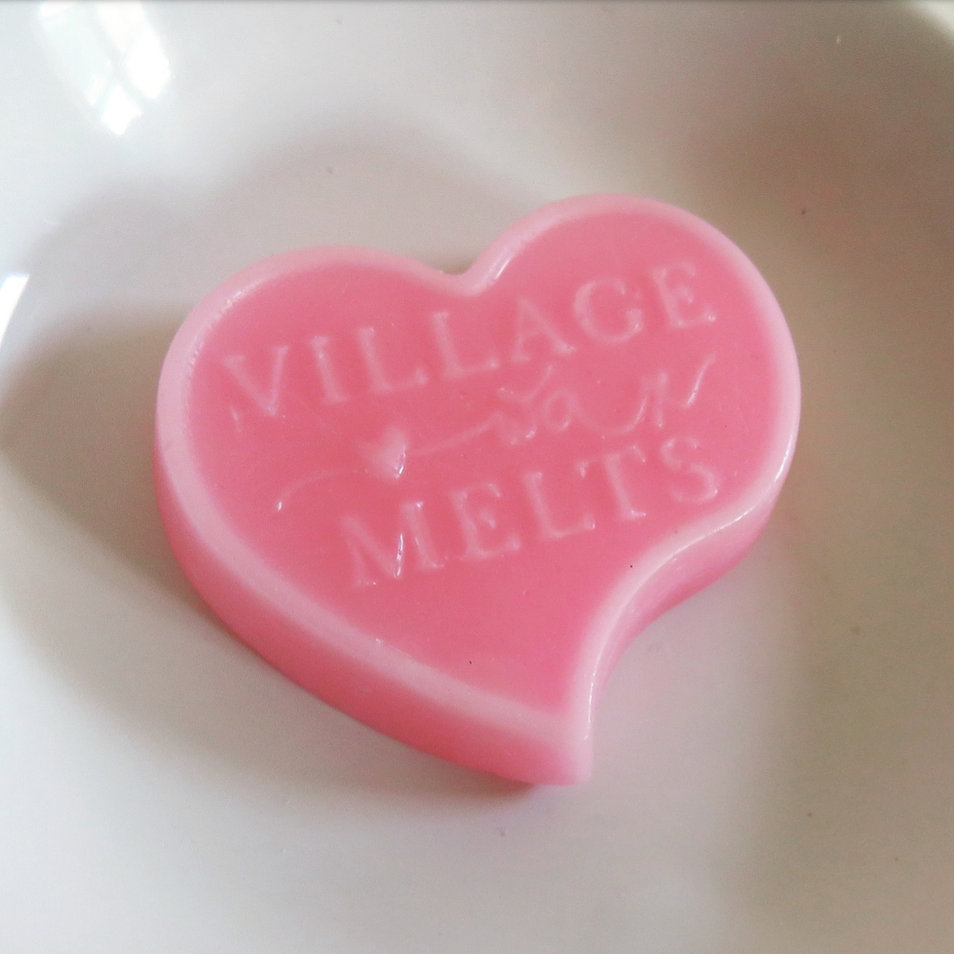
Village Wax Melts, full year 2025: browse beat checkout, at £0.43 per recipient across a far larger audience. Patio Black Spot Removal, eight months: £34.1K at £3.35 per recipient. On Shadow Foam checkout is still ahead.

FAQs
What is a browse abandonment flow?
A browse abandonment flow is an automated email sequence that sends after somebody views a product page and leaves without adding it to their cart. Ours waits seventy minutes, then runs three emails across three days, with an order check before every send. It starts a step earlier than a cart flow, so far more people see it.
How is a browse abandonment flow different from an abandoned cart flow?
The trigger. A cart flow needs somebody to add the product; a browse flow only needs them to look at it. That audience is bigger and colder, so the first email asks for less and any discount waits until the third send. Our Automation Playbook notes that this series can outperform the cart abandonment campaigns in many cases, and on one published account it did. We won't promise you that. We'll check it on your numbers.
When should the first browse abandonment email send?
Seventy minutes after the view is where we start. Long enough that they've genuinely left, not just opened a second tab, and short enough that the product is still on their mind. A considered purchase wants a longer wait, an impulse category a shorter one. It's the first thing we test.
How many emails should a browse abandonment flow have?
Three in our build: the reminder, the product with its alternatives, then a final send that changes with the shopper. Fewer than a welcome series, because the signal is weaker and it ages fast. A fourth send on this trigger usually buys you unsubscribes, not orders.
Should a browse abandonment email include a discount?
Only on the last send, and only for people who haven't used a coupon code in the past ninety days. Somebody who buys on codes will wait for the next one whatever you send them, so they get the availability message instead. Holding it back protects your margin on everybody who'd have paid full price two days earlier.
What does a browse abandonment flow need in place to work?
Tracked product views. In Klaviyo that's the on-site script firing a viewed product event against a known profile, which usually happens once somebody's clicked an email or signed up. Your consent banner has to permit that tracking too. So under UK GDPR and PECR, this flow only reaches people who opted in and were tracked lawfully.
Every evergreen flow, drawn as a decision tree
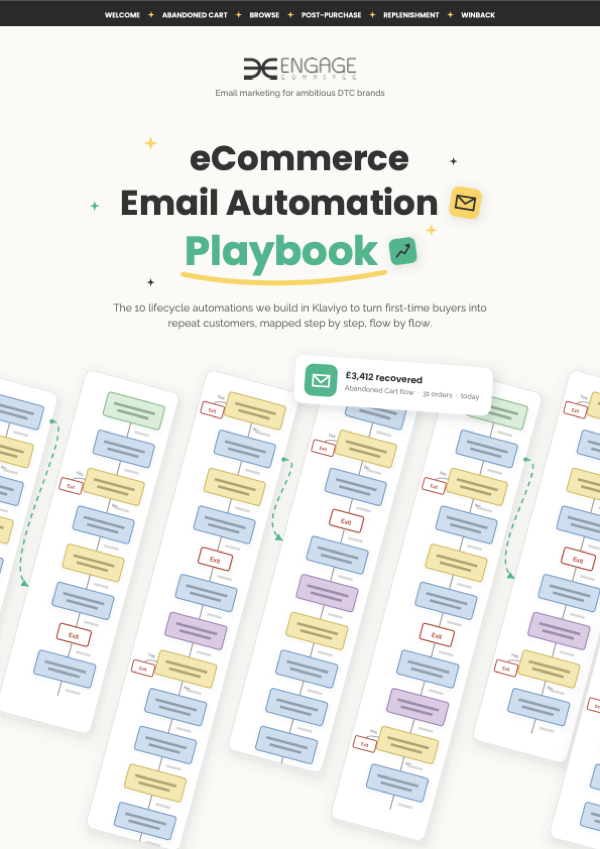
The eCommerce Email Automation Playbook
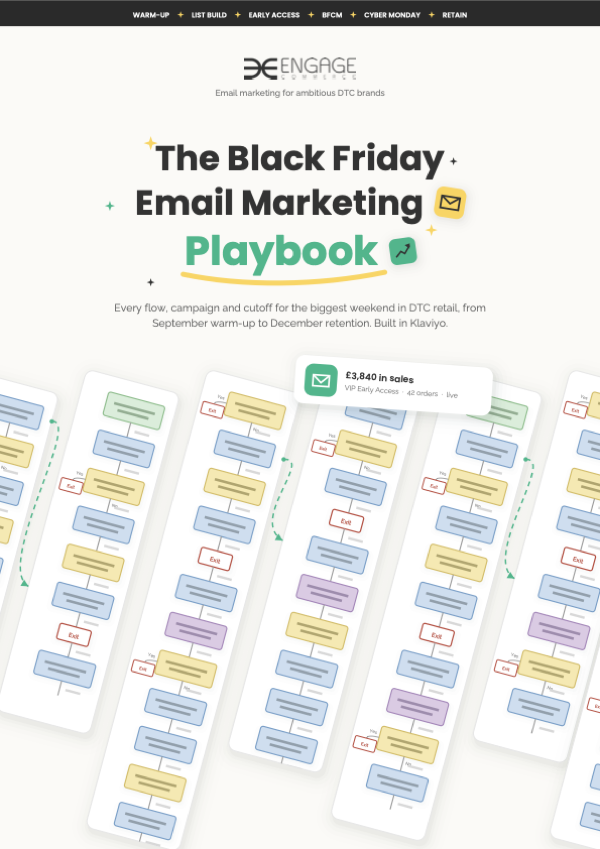
Twelve pages of decision trees: every evergreen automation with its trigger, delays, splits and exits, subject lines included.
Fourteen sibling flows, and the map that holds them
Each one is drawn the same way: the real trigger, the real delays, the splits that decide who stops hearing from you.
- WelcomeThe first sequence after signup
- Site searchSearched, then went no further
- Category browseBrowsed a category, opened nothing
- Back in stockThe moment the stock lands
- Price dropOnly the people already watching
- Abandoned cartBasic and advanced, on one page
- Checkout abandonmentStopped at the payment step
- BirthdayOne date, given on purpose
- Post purchaseThe first order welcome
- ReplenishmentTimed to the reorder window
- Cross sellThe second product, not the same one
- VIPYour best customers, kept close
- WinbackThe dormant shopper, before sunset
- SunsetThe profiles that stopped reading
- The flow libraryAll fourteen, in one place
Next door is the abandoned cart flow, which picks up the shoppers this one hands over. They all sit in the flow library and in the Automation Playbook, the channel is email marketing, and the map behind them is lifecycle strategy.
Where is your revenue leaking?
Up to four questions. One answer: what we'd fix first, and where to start on it.
How big is the brand?
Want this flow reading your product pages?
Bring your Klaviyo login. We'll check whether product views are tracked at all, then tell you what this flow is worth on your traffic. No pressure either way.


Half an hour with Theo, our founder.
We're all about relationships built on trust, mutual respect and a shared vision for success. If that sounds like your vibe, let's make some waves together 🌊