The sunset flow that stops you emailing people who stopped reading
One automation, one job: send less. It finds the people who quietly stopped reading you and takes them off the list on purpose.






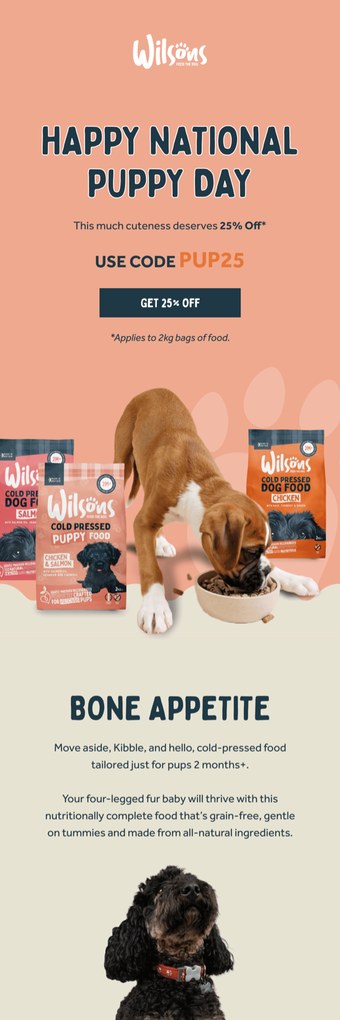
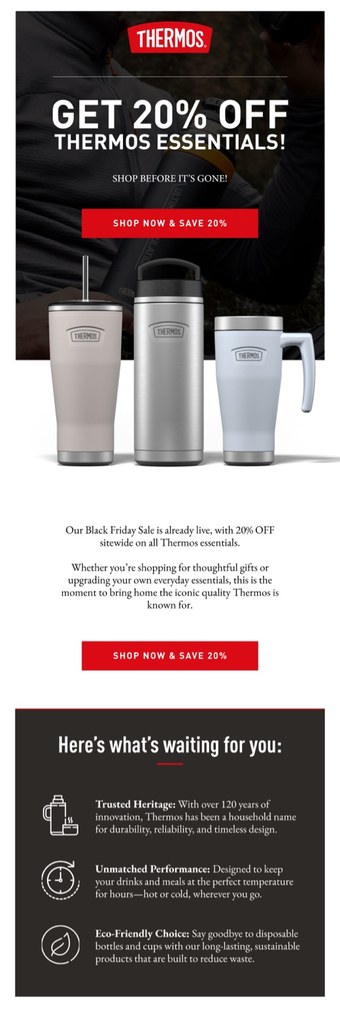
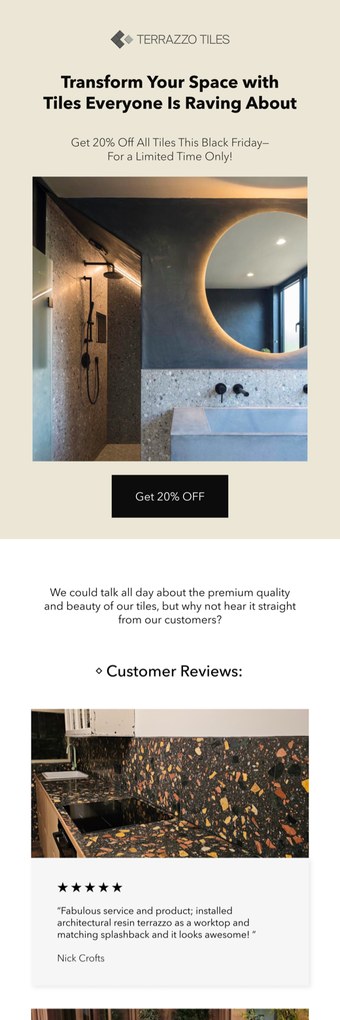
One segment, two plain sends, and a decision that ends the sending
Every rule we run, and why it sits where it does.
A segment, not a send date
A profile enters when it hasn't opened, clicked, visited or ordered inside the engagement window. Anybody who joined inside that window is held back, so a new subscriber never gets swept up.
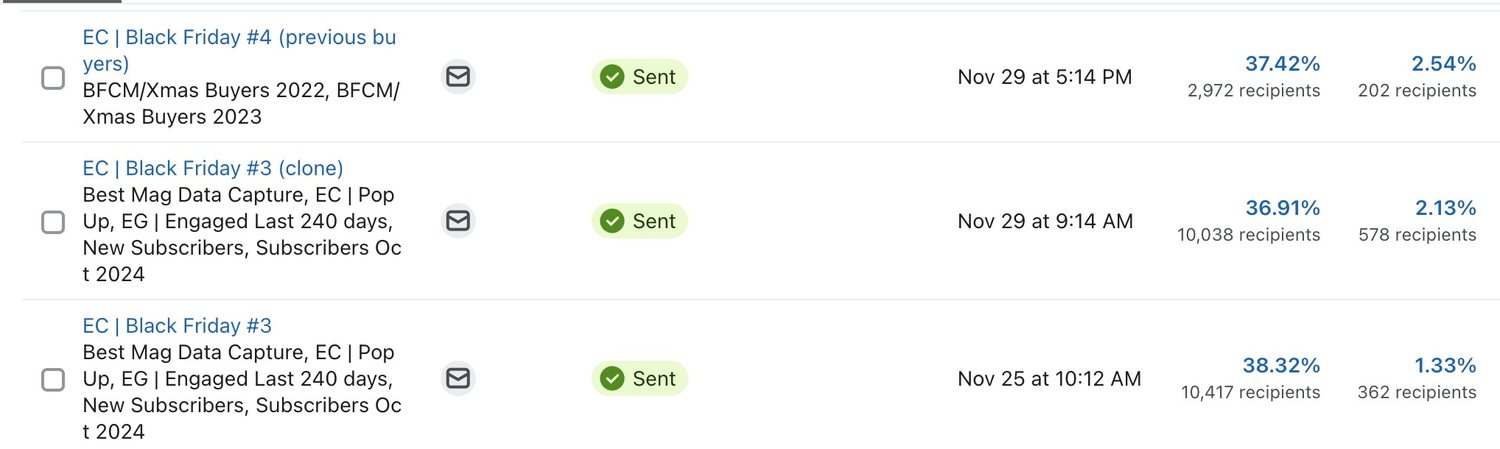
Set outside your own buying cycle, not to a default
The only real decision in the flow. Start from the gap between a first and second order on your own account, then put the window comfortably beyond it: often six months or more for anything bought as a treat. Ninety days is a platform default, and using it is how you suppress the people who were always coming back.
What counts as still being there
Clicks, site activity and orders carry the weight. Opens are a tie breaker, not the test, because mail apps now fetch images on the reader's behalf.
Plain, short, and carrying no offer
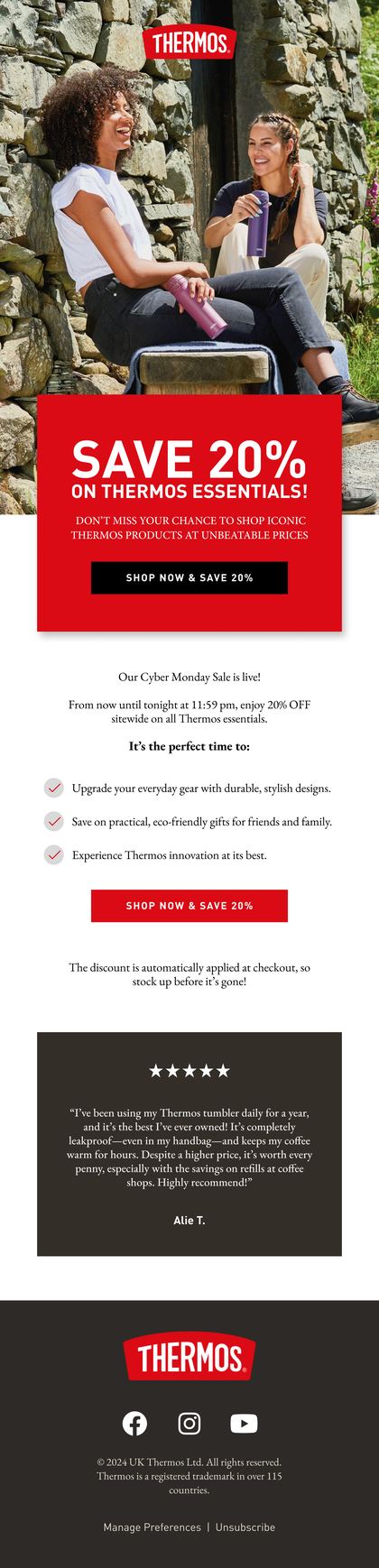
Subject line · Still want to hear from us?
It says why we're writing and asks one question. No discount. Paying somebody to open one email teaches everybody still reading that going quiet is how you get money off.
The one that says it's the last
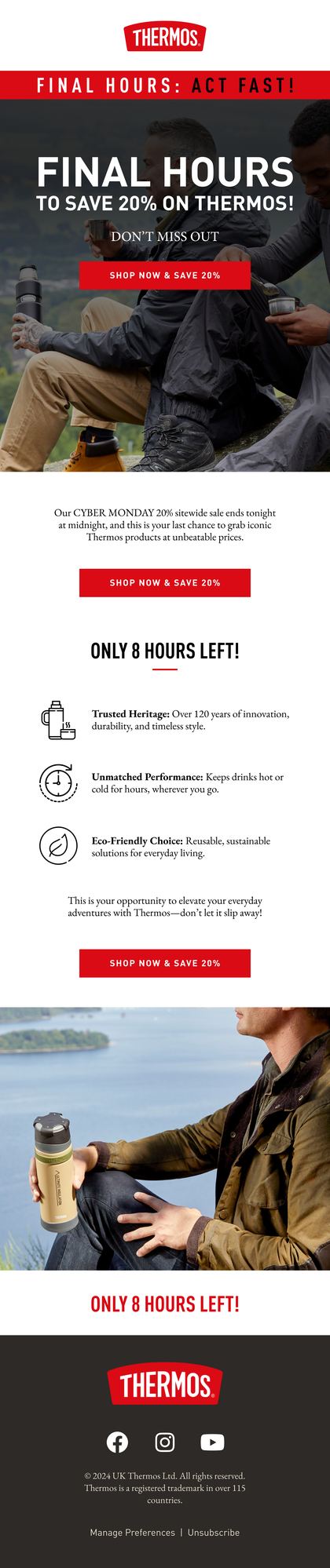
Subject line · Last email, unless you say otherwise
It says plainly that nothing else is coming, and gives one obvious way to stay. Two sends is the whole goodbye. A five email farewell is a re-engagement campaign aimed at the people least likely to want one.

Anything opened, clicked or ordered since they entered?
They opened, so nothing happens to them
They leave the flow, drop out of the unengaged segment on its next refresh, and carry on hearing from the campaign calendar and the flows they qualify for. Going quiet isn't held against anybody.
They didn't, so the sending stops
We suppress at profile level, so campaigns and flows stop together. Suppressing isn't deleting, and that difference is why this flow is safe to run:
- The record stays, so reporting still works: orders, events and the reason they were suppressed
- Anybody who subscribes again comes back with their history intact
- Deleting is for an erasure request under UK GDPR, not for tidiness
Sunset isn't one of the flows in the Automation Playbook. It earns nothing on its own, and that's exactly why it gets skipped. We set the window against your own reorder data in the first month.
What a list that stopped reading takes with it
Three costs, and only one of them turns up in a campaign report.



Silence is a signal, and it goes out on every send
Mailbox providers judge you per sender. A block of addresses that never opens anything tells Gmail and Outlook what to do with your next campaign.
The report reads fine while the reach narrows
Attributed revenue holds steady while delivery shrinks to the people who were always going to buy. Revenue per recipient moves first. Open rate follows.
You pay for every profile, reader or not
Klaviyo prices by active profile count. So a segment that never opens sits on your invoice every month, and drags down the return on everything else.
What we watch after the first clean
Three numbers each quarter: profiles suppressed, profiles arrived, and whether the engaged segment is bigger than it was. Prune a list and never feed it and it just gets smaller.
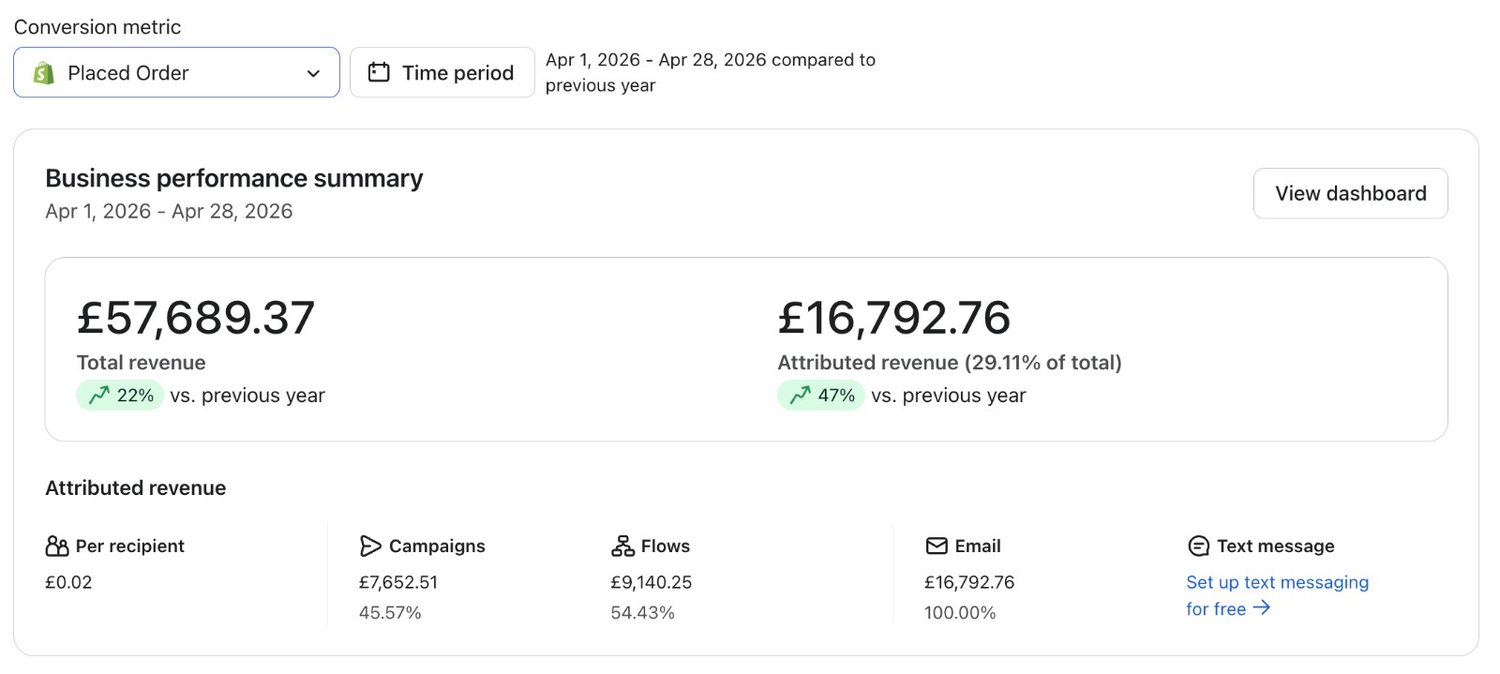
What cleaning a list did for one account's delivery
One client, one year, the unglamorous half of the job.
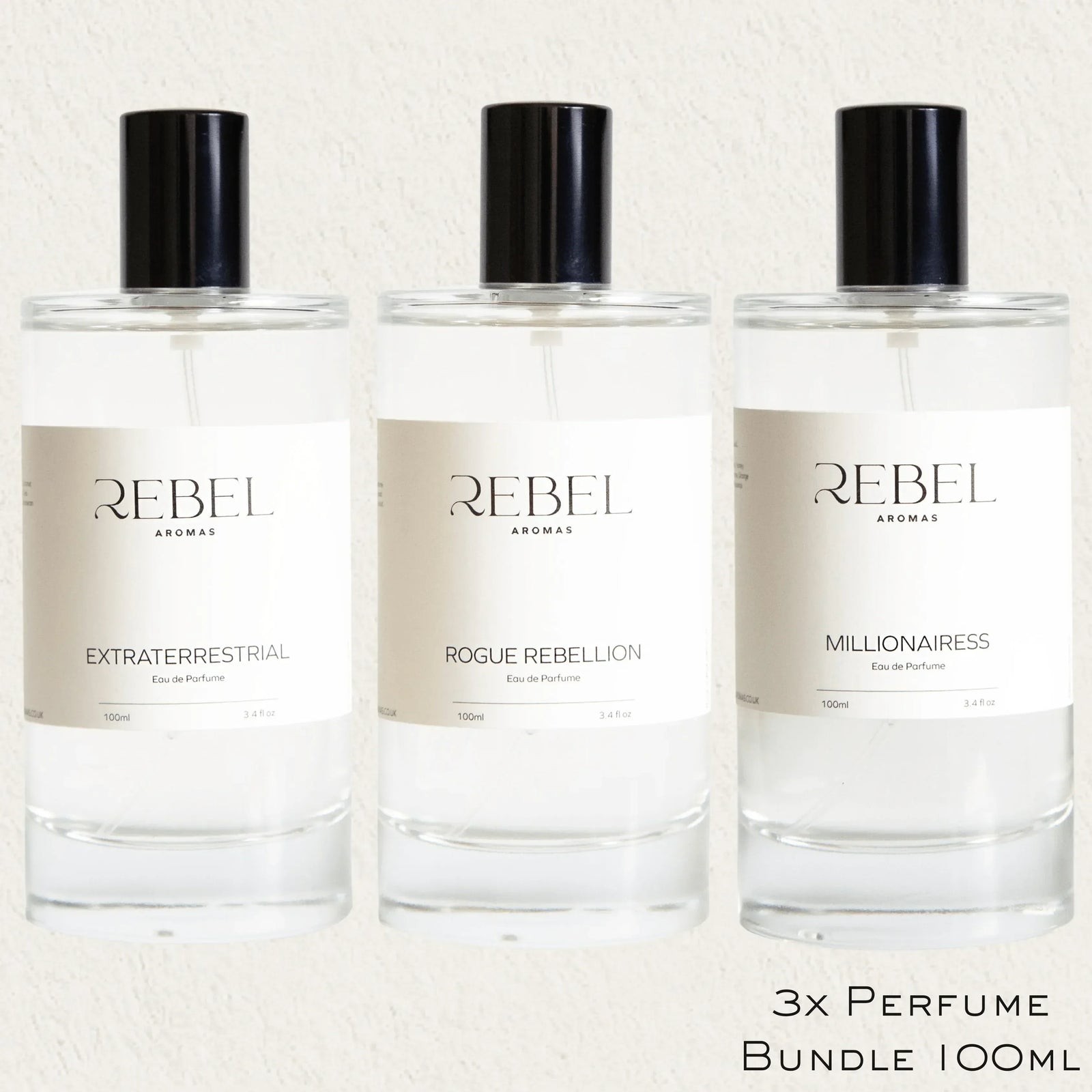

Rebel Aromas, 2025. Campaign open rates doubled to 38.4% over the same year, and we didn't switch on a single new flow until the delivery was fixed. Read the case study.
FAQs
What is a sunset flow?
A sunset flow is an automated sequence that watches for subscribers who've stopped engaging, gives them one last chance to say they're still there, then stops sending to them. It ends in suppression, not a sale. That's what separates it from every other flow in the stack, and it's what keeps the rest of your programme landing in the inbox.
How long should the engagement window be?
Longer than the gap between a customer's first and second order. That gap is different for every brand: six months or more for a considered or seasonal product, much shorter for a fast consumable. Start from your own reorder data, not a default. Weight clicks, site activity and orders above opens when you decide what engagement means.
How many emails should a sunset flow send?
Two is usually enough, about a week apart, and neither should carry a discount. The first asks whether they still want to hear from you. The second says plainly that it's the last one. A longer goodbye just keeps mailing the addresses that are damaging your delivery while it runs.
What is the difference between a sunset flow and a winback flow?
A winback flow goes after a lapsed buyer for another order, so it's a revenue flow with an offer in it. Sunset isn't. It takes anybody who stopped opening, bought or not, and ends in suppression instead of a conversion. They run in sequence: winback first, and the people it doesn't reach are the people sunset should take.
Why suppress a profile instead of deleting it?
Suppressing stops all sending but keeps the profile, its order history and the reason it was suppressed, so reporting still works and anybody who subscribes again comes back with their record intact. Deleting removes all of that. We suppress at profile level instead of pulling somebody off a list, because a list records how they joined and suppression belongs to the person. Deletion is for an erasure request under UK GDPR.
Does a sunset flow save money as well as deliverability?
Both. Klaviyo prices by active profile count, so profiles that never open sit on your bill every month. And Google and Yahoo's bulk sender requirements made spam complaint rates and authentication an explicit condition of sending in volume. A list of people who stopped reading is the quickest way to breach them.
Where sunset sits next to the flows that earn
The flows that sell, and the hub they sit in
The real trigger, the real delays, and the checks that decide who hears from you.
- WelcomeThe first sequence after signup
- Site searchSearched, then went no further
- Category browseBrowsed a category, opened nothing
- Browse abandonmentViewed a product, then left
- Back in stockThe moment the stock lands
- Price dropOnly the people already watching
- Abandoned cartBasic and advanced, on one page
- Checkout abandonmentStopped at the payment step
- BirthdayOne date, given on purpose
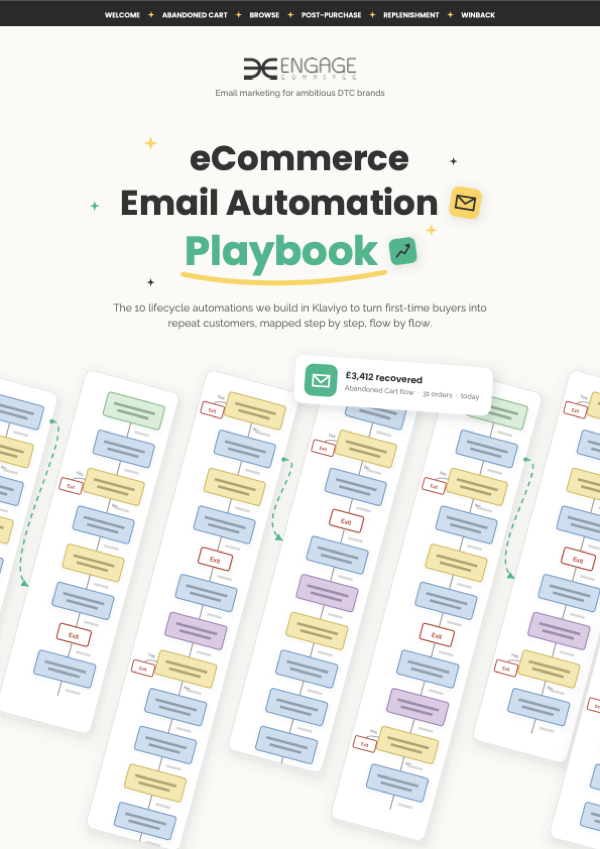
The eCommerce Email Automation Playbook
Twelve pages of decision trees: ten revenue flows, each with its trigger, delays, splits and exits. Sunset isn't one of them. It protects the ten instead of being an eleventh way to sell.
- Post purchaseThe first order welcome
- ReplenishmentTimed to the reorder window
- Cross sellThe second product, not the same one
- VIPYour best customers, kept close
- WinbackThe dormant shopper, before sunset
- The flow libraryAll fourteen, in one place
The channel is email marketing, the platform is Klaviyo, and the map behind both is lifecycle strategy.
Where is your revenue leaking?
Up to four questions. One answer: what we'd fix first, and where to start on it.
How big is the brand?
Shall we count how many are already quiet?
Bring your Klaviyo login to your growth consultation. We'll count the profiles that haven't opened anything inside your own reorder gap, and tell you what they're costing you.


Half an hour with Theo, our founder.
We're all about relationships built on trust, mutual respect and a shared vision for success. If that sounds like your vibe, let's make some waves together 🌊