The Klaviyo sunset flow: cleaning a list without losing revenue
The flow that stops you sending to people who stopped reading, and the rules that decide who it takes.


Nobody enjoys shrinking a list. The argument for it is short: the addresses that never open anything are telling the mailbox providers you're not worth delivering, and they do it on every send. A sunset flow is how you let them go on purpose instead of by accident.
A sunset flow is a leaving procedure, not a delete button
A sunset flow watches for subscribers who have stopped engaging, gives them one last chance to say they're still there, and then stops sending to them. Inside Klaviyo it's an ordinary flow: a trigger, a wait, a conditional split and one action at the end that most accounts skip.
That last action is the whole point. The profile gets suppressed, instead of sitting in a list where next Thursday's campaign picks it up again. Without it you've built a re-engagement flow with a sad name.
- Trigger on entering an unengaged segment, not on a date
- Wait long enough that a holiday or a quiet month doesn't sweep somebody up
- Split on whether anything was opened or clicked since they entered
- Finish by suppressing, and record why, so the next audit can read it
Choosing the window, and why ninety days is usually wrong
The window is the only real decision in this flow. It has to sit outside your natural purchase cycle, or you'll suppress people who were always going to reappear in month five with a full basket.
So start from the gap between first and second order on your own account, then set the engagement window comfortably beyond it. For fragrance, homeware or anything bought as a treat, that's often six months or more. Ninety days is a software default, not a rule.
Decide what engagement means before you pick the number. Opens are a soft signal now that mail apps fetch images on the reader's behalf, so weight clicks, site activity and orders above them and keep opens as a tie breaker.
One honest send before anybody is suppressed
The final email should be plain, short and honest, and it shouldn't carry a discount. Somebody who needs money off to open one message isn't the subscriber you're trying to keep, and the code teaches everyone still reading to wait for the next one.
Ask a question, or offer the exit. Both beat pretending nothing has happened. If the winback flow has already been at them twice with the same offer, this isn't the moment for a third go at it.
Two emails is usually enough, a week or so apart, and the second should say plainly that it's the last. A five email goodbye is a re-engagement campaign in a different hat, aimed at the people least likely to want one.
The difference that matters a year later
Suppressing a profile keeps the record and stops the sending. Deleting it takes the history with it: the orders, the events, and the reason they were suppressed in the first place.
- A suppressed profile stops receiving everything, flows included
- The purchase history stays attached to the customer, which reporting needs
- Somebody who subscribes again comes back with their record intact
- Deleting is for a request under UK GDPR, not for tidiness
One habit is worth building in early. Suppress at profile level instead of pulling somebody off a list: a list records how they joined, and suppression is a property of the person. Mixing the two up is how a suppressed subscriber turns up in a campaign six weeks later.
This matters because somebody always asks about the list count. A smaller list of people who open things is worth more than a larger one that caps your delivery, and the record is what lets you show that six months later. List hygiene is in the glossary if a colleague needs convincing.
The revenue you lose, and the revenue you get back
You'll lose something on paper. A small tail of dormant subscribers do eventually buy, and suppressing them means that sale, if it happens, gets attributed somewhere else in the report.
There's a second cost nobody warns you about, and that's the argument. Somebody paid to acquire those addresses and won't enjoy watching them go. Take the delivery numbers into that conversation instead of the principle.
What you get back is delivery to everybody else. Cleaner lists earn a better sender reputation, and a better reputation puts the emails your buyers actually want in front of them, not in a tab they never open.
The rules that run after the first cleanup
The first cleanup is a project. Keeping it clean is a rule that runs on its own, and that's the entire reason to build a flow instead of doing it by hand every quarter and forgetting two quarters in a row.
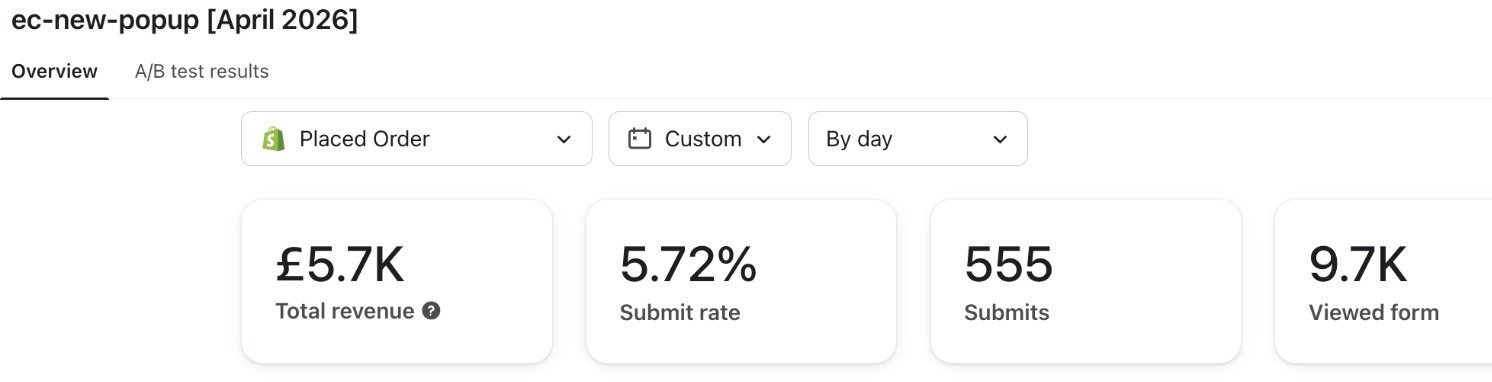
The other half is growth. A list that gets pruned and never fed just gets smaller, so the sunset rule and the sign-up form are one job seen from both ends.
Check three things on your own account once a quarter: how many profiles were suppressed, how many arrived, and whether the engaged segment is bigger than it was. If you'd rather not, what we do inside Klaviyo starts with exactly this.
Alex Gregoriades
Operations director at Engage Commerce, where he runs the accounts the writing comes out of.
FAQs
How long should the engagement window be?
Longer than the gap between a customer's first and second order, which is different for every brand. For considered or seasonal products that can be six months or more, and for a fast consumable it's much shorter. Start from your own reorder data, not from a default in a help article.
Will suppressing subscribers reduce my revenue?
Slightly on paper, and usually less than people fear. The profiles being suppressed haven't opened anything for months, so what you lose is the small tail that might have bought anyway. What improves is delivery to everybody still reading, which is where the revenue actually sits.
What is the difference between suppressing and deleting a profile?
Suppression stops all sending and keeps the profile and its order history, so reporting still works and a returning subscriber comes back with a record. Deleting removes everything. Delete when somebody asks you to under UK GDPR, not as housekeeping.
Can I just delete the unengaged segment instead of building a flow?
You can, once. The trouble is that a manual cleanup happens when somebody remembers, which tends to be the week after a deliverability scare, not every month. A flow does it on a rule you agreed in advance, and it leaves a record of who left and why.
Should the last email carry a discount?
We wouldn't put one in. A discount buys an open from somebody who was leaving anyway, and it teaches the people still reading that going quiet is how you get money off. A plain question or a clear exit does the same job without the training effect.
A list is not an asset, an engaged list is
The count on the dashboard is the least useful number in the account, and it's the one everybody quotes. Sunset rules trade it for delivery, and delivery is what every other thing you build depends on. Rebel Aromas had its list cleaned and its domain warmed before a single new flow was switched on, and that write-up is the order we'd still use today.
Klaviyo mechanics
The settings that quietly decide what your flows do, from someone who has rebuilt a flow stack.
The Klaviyo attribution window, and what it is actually counting
What the window credits, where it is set, why Klaviyo and Shopify never agree, and what an honest report has to say out loud.
Read it
Klaviyo smart sending and quiet hours: the settings that mute your flows
What smart sending actually does to a message, how a muted flow looks in the reporting, and the four settings people blame instead.
Read it
Klaviyo flow filters vs trigger filters: which one decides who gets the email
One is checked once, at the door. The other is checked again before every email, and that is where the money leaks.
Read itWould you rather this was just handled?
Bring your Klaviyo account and the thing annoying you most. We will tell you what we would fix first, before you spend anything.


Half an hour with Theo, our founder.
We're all about relationships built on trust, mutual respect and a shared vision for success. If that sounds like your vibe, let's make some waves together 🌊