The winback email flow that goes after a customer who stopped buying
The last automated conversation a dormant buyer gets. It runs on their clock, not on your campaign calendar.





One order, one long wait, three sends and a decision that ends it
Every delay, every check and every way out.
Somebody buys, and the clock starts
An order arms this one, not a signup, so every customer you've ever served is already inside it. The clock runs from their own last order date, not from your calendar.
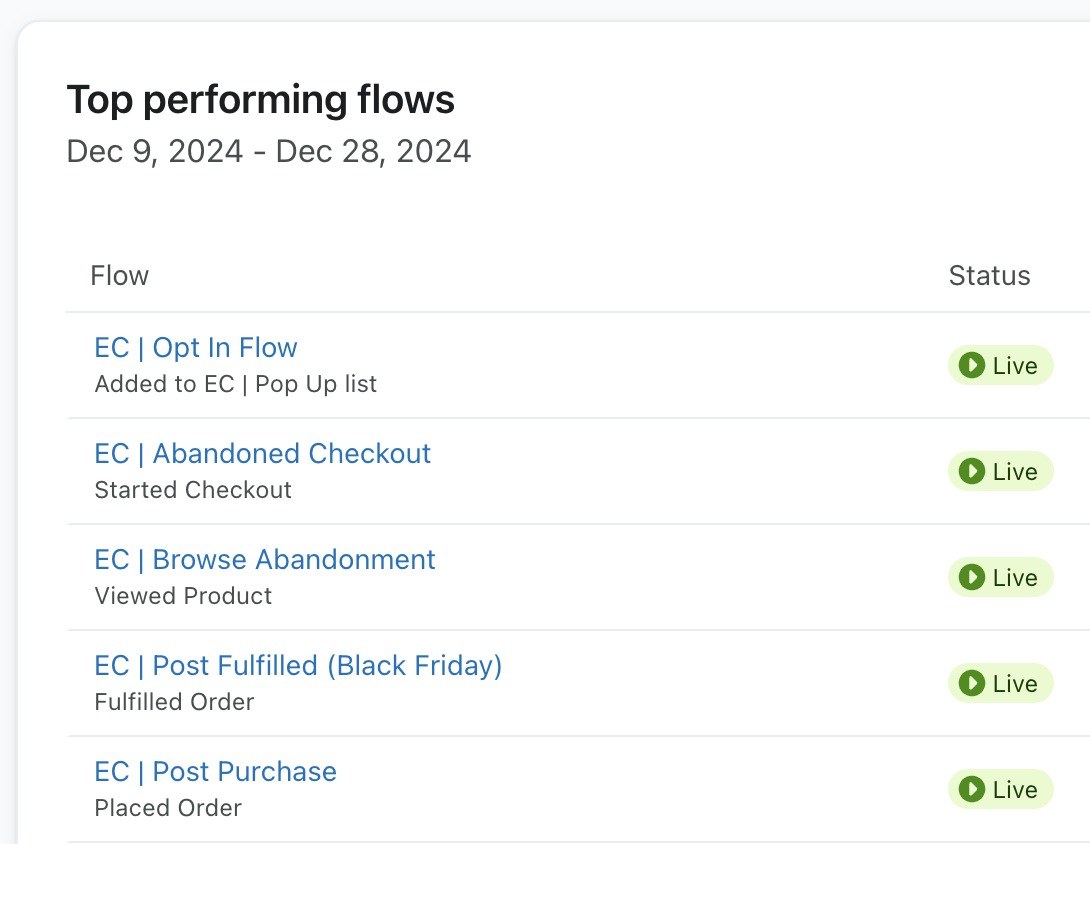
Has an order been placed in the last 120 days?
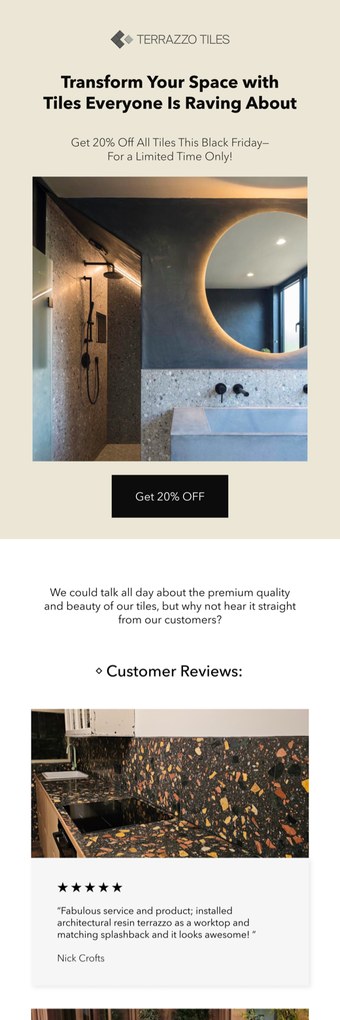
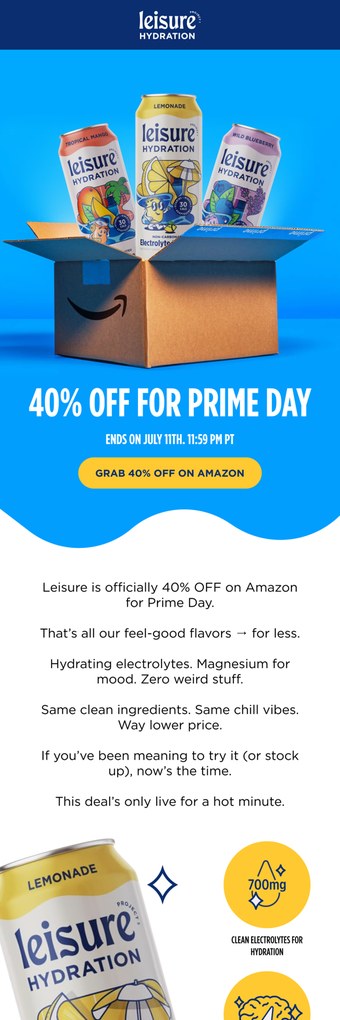
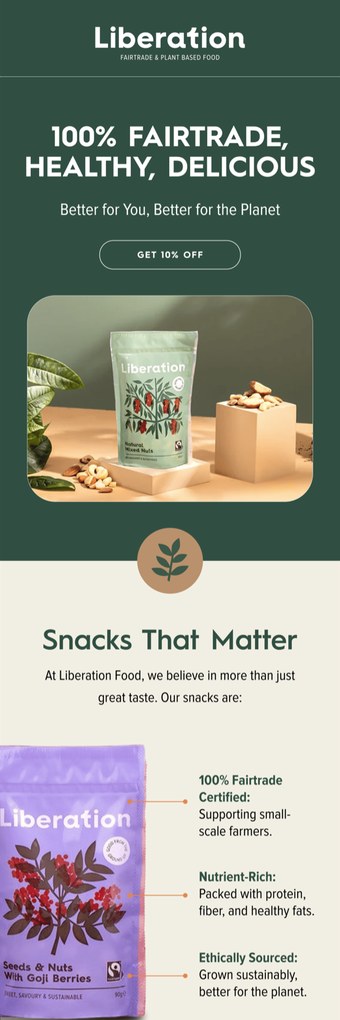
The one that names the gap
Subject line · {first_name}, we miss you
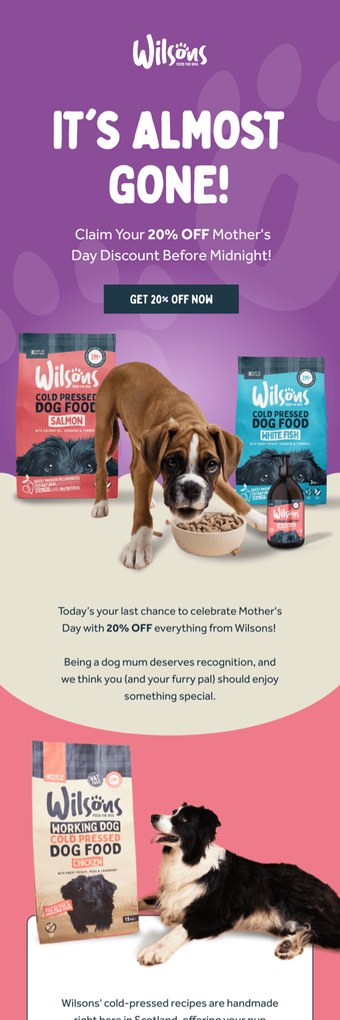
It opens on the absence, not on a deal, and shows what's changed since they last bought. The offer waits for the next send. This one still has somewhere to go.
Has an order been placed in the last two days?
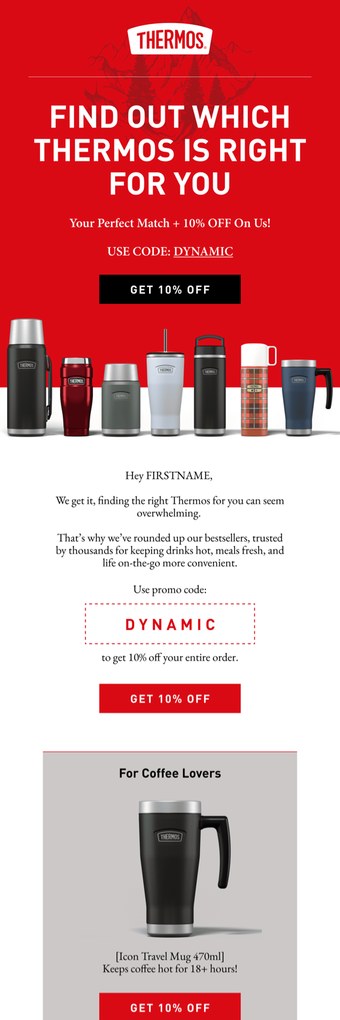
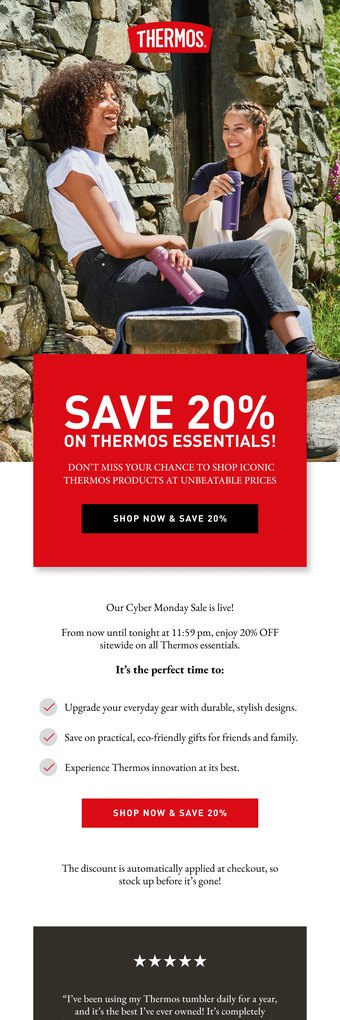
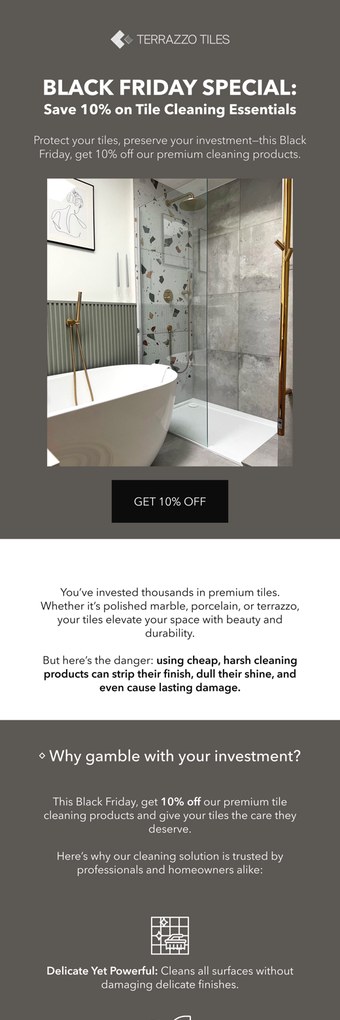
The offer, with a window on it
Subject line · Get X% off for 48hrs
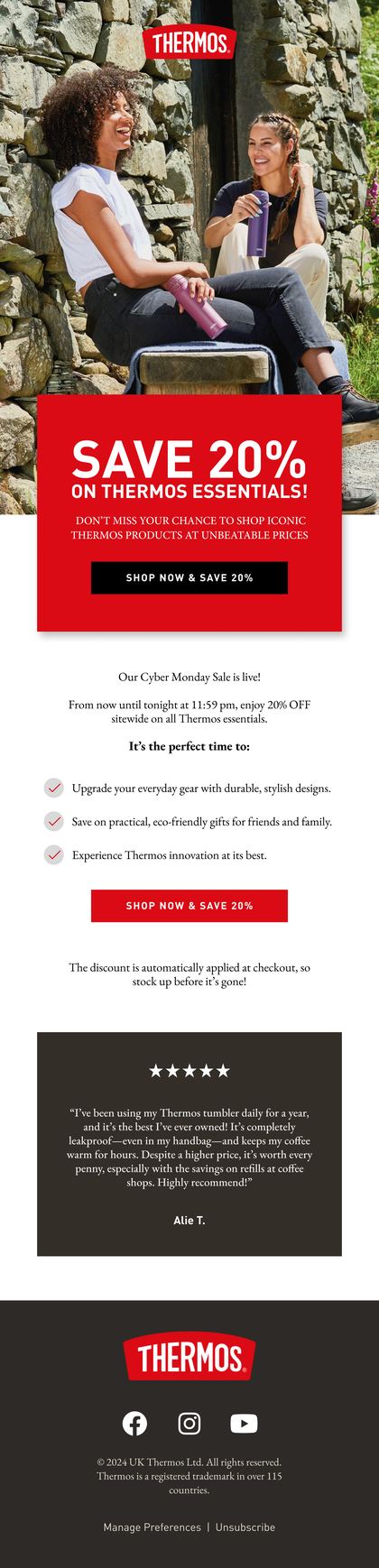
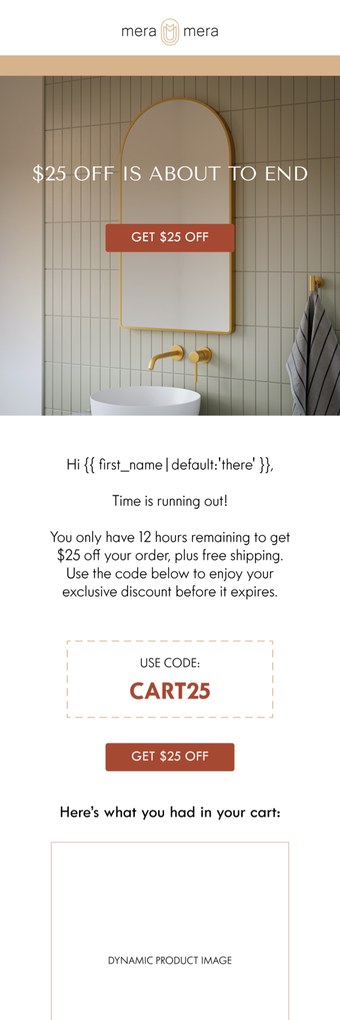
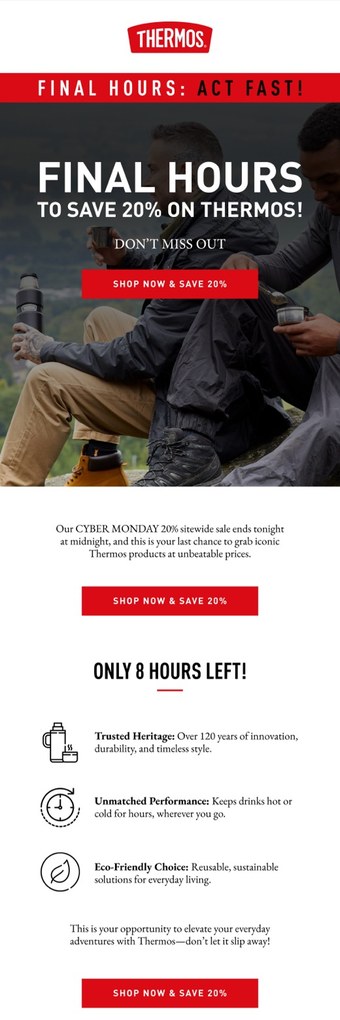
The size of the discount is a margin decision, not a copy decision, so we set it with you. The window is the fixed part: two days, and it's in the subject line.
Has an order been placed in the last day?
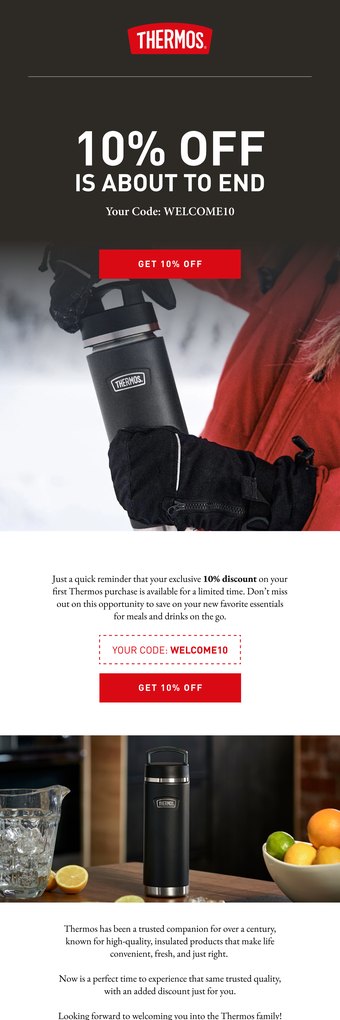
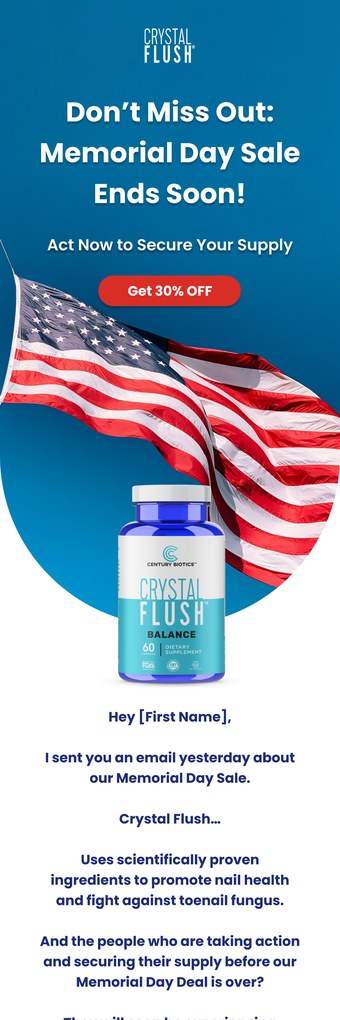
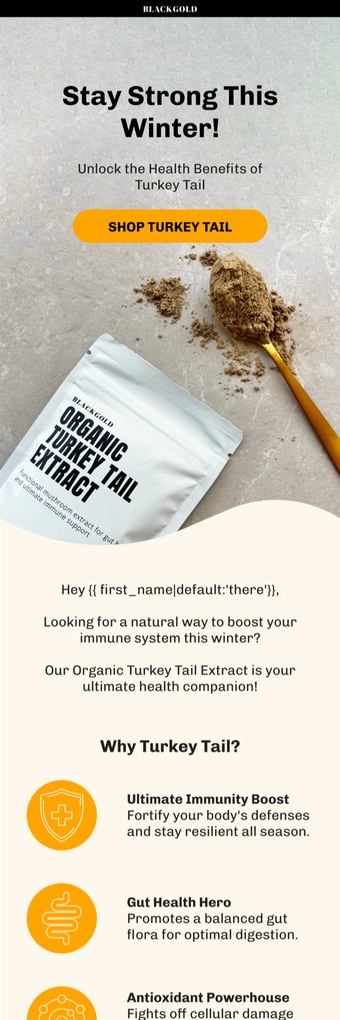
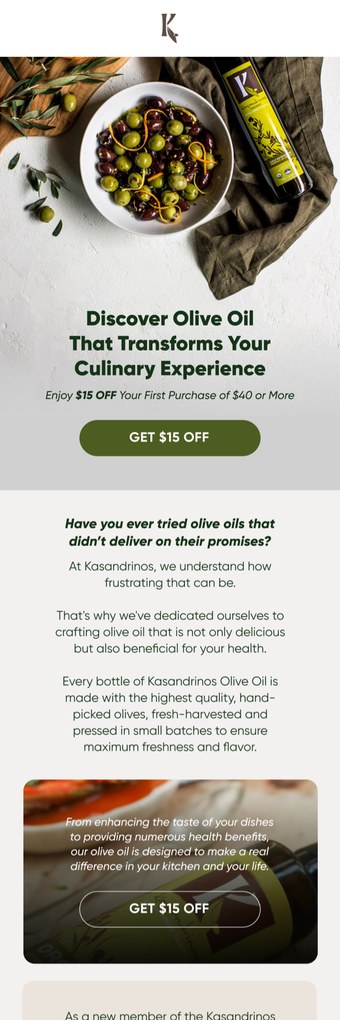
The last day of it
Subject line · [ONLY FOR 24hrs] Your exclusive discount
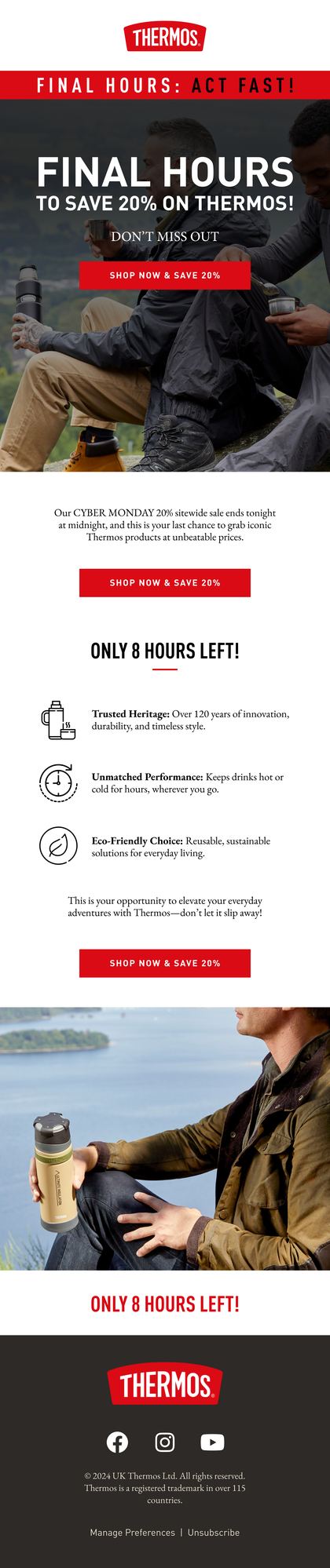
Same offer, final day, one call to action, and it says out loud that this is the last email about it. An offer that quietly comes round again next month teaches a lapsed list to keep waiting.
Has an order been placed in the last sixty days?
A purchase inside that window closes the flow, and the campaign calendar takes over. Still quiet after half a year? That profile goes to a sunset flow instead of carrying on getting mail it never opens.
The 120 day window is a starting point, and it moves with your product. We set it against your own repeat purchase gap in the first month, and rewrite the subject lines in your voice.
Where a lapsed customer goes when nothing follows them
Three dynamics, and not one of them shows up in a campaign report.

Lapsing is silent, so nothing flags it
Nobody unsubscribes when they drift. The profile stays on the list, stops opening, and still reads as a subscriber in every report you look at.
A comeback offer on your calendar, not theirs
A one-off we miss you blast reaches everybody on the same morning. But dormancy starts on each customer's own last order, so one send is early for half of them and late for the rest.
Mailing the dormant forever costs you the inbox
A segment with no way out keeps getting mail it never opens. Gmail and Outlook read that as a signal about you, and the bill lands on campaigns your best customers were meant to get.
What we test on a segment that opens badly by design
Three tests: how long the dormancy window is, whether email one carries an offer at all, and the size of the discount on email two. Each one gets decided on placed orders, not opens.
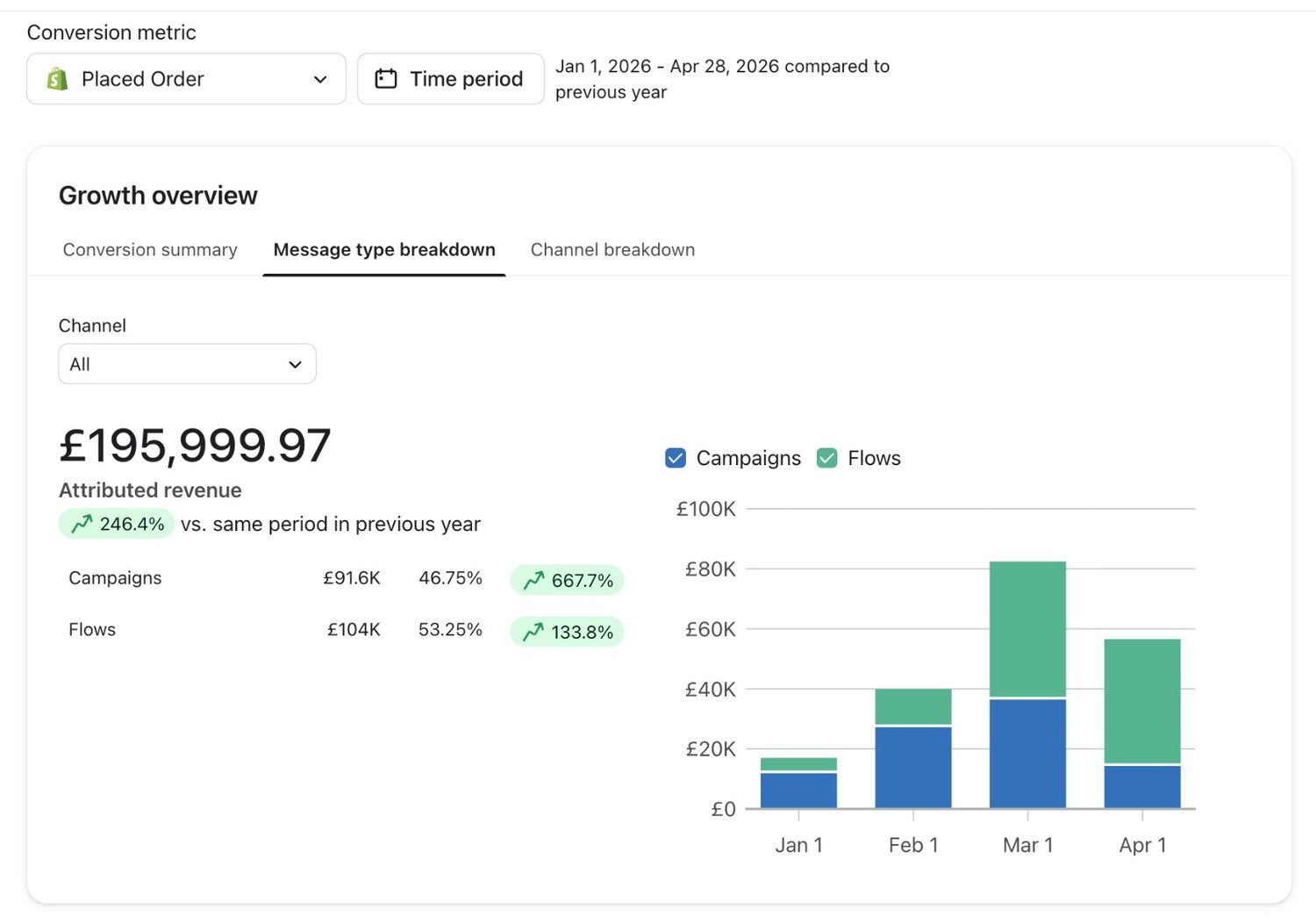
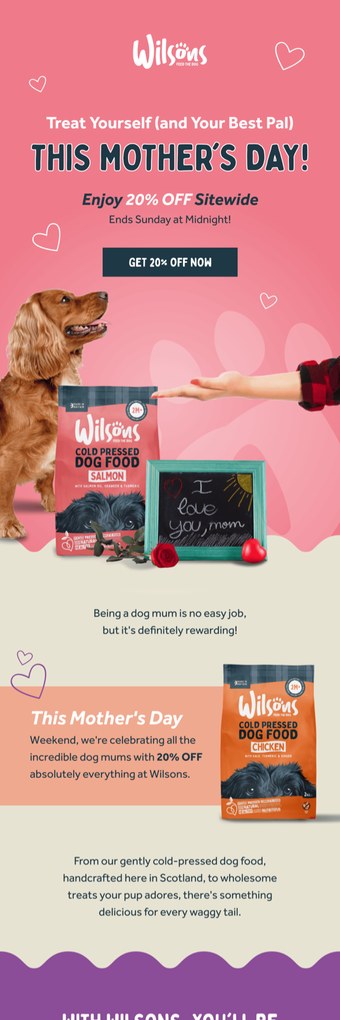
An account that had no winback at all, and then did
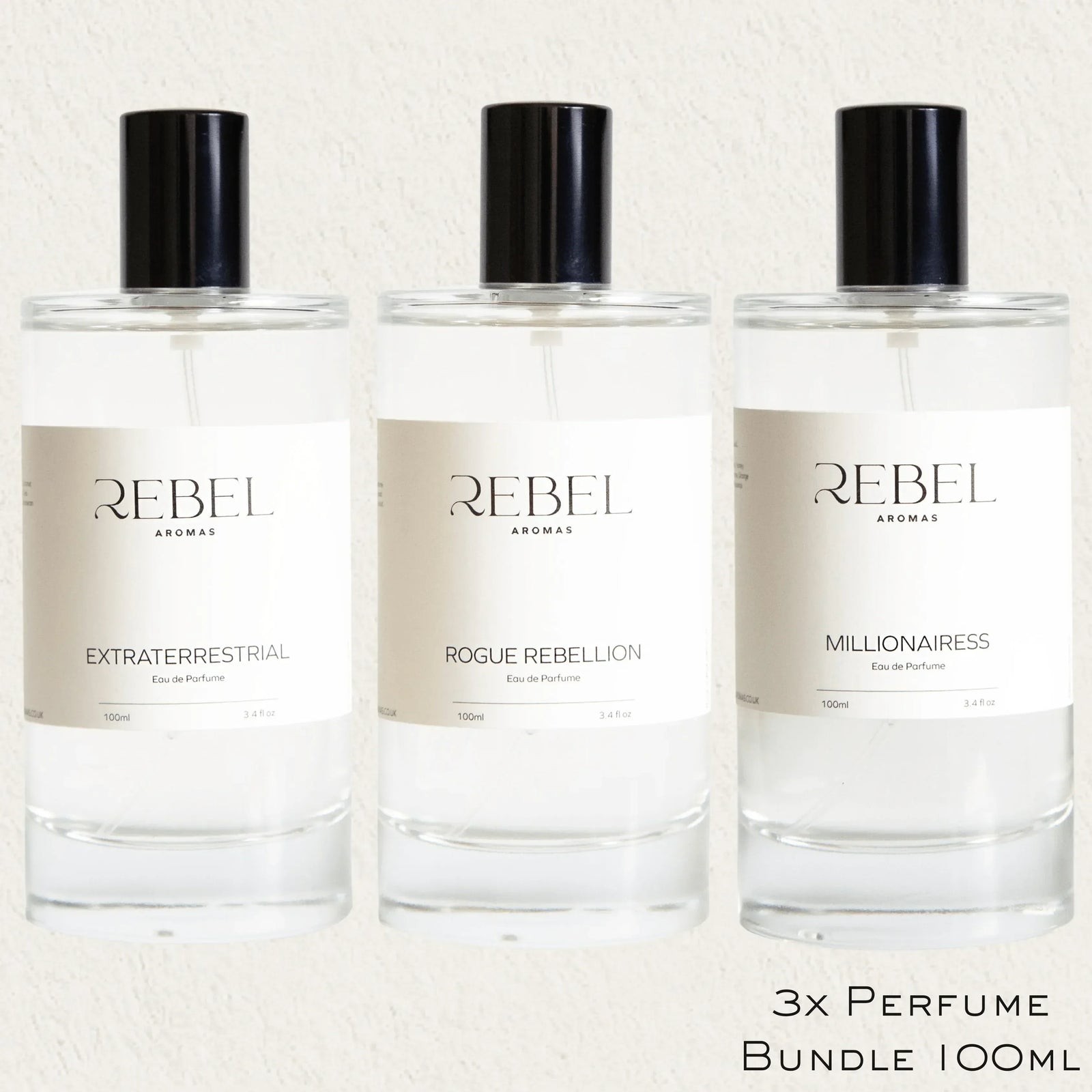

Rebel Aromas, 2025. That belongs to the whole retention layer, not to this flow on its own, and the workings are in the case study.
FAQs
What is a winback email flow?
A winback email flow measures how long it's been since a customer last ordered, then emails them once that gap gets too long. No waiting for somebody to remember the segment exists. Ours triggers on a past order, holds for a dormancy window, then runs three sends with an order check before each one. It decides whether a customer you already paid to acquire is worth acquiring twice.
How long should a customer be inactive before a winback email?
Our documented starting point is 120 days, and it's a starting point, not a rule. Set it against your own repeat purchase gap. Look at how long second orders actually take, then trigger a little after the point where most of them have happened. A fragrance brand and a furniture brand don't lapse at the same speed. A window copied off somebody else will be wrong for one of them.
What is the difference between a winback flow and a sunset flow?
A winback flow tries to get the order back. A sunset flow accepts it isn't coming and stops mailing that profile, either suppressing it or dropping it to a much quieter cadence. They run in sequence: winback first, and the people it doesn't reach are the people sunset should take. Skip the second one and the first ends up damaging your campaign performance.
Should a winback email include a discount?
Not in the first send. Email one shows what's new and gives them a reason to look, because a customer who was coming back anyway doesn't need paying to do it. The offer belongs in email two, with a stated deadline. Its size is a margin decision we make with you, not a number copied off a template.
How do you stop a winback email going to somebody who just ordered?
With an order check before every send. That's the part most accounts skip. Each decision asks whether an order has been placed since the last step, and anybody who bought leaves the flow there. Without those checks, a customer who reordered on Tuesday gets an exclusive discount on Thursday, and your best customers learn that waiting is cheaper than buying.
Can you email lapsed customers under UK GDPR and PECR?
Usually yes. These are people who bought from you, and the soft opt-in in PECR covers marketing similar products to an existing customer who was given the chance to refuse at the point of sale and in every email since. We keep a one-click unsubscribe in every send, honour suppression across flows and campaigns, and treat a very old record as a reason to check consent instead of assuming it. If the basis isn't clean, that profile doesn't get the flow.
A decision tree for every evergreen automation
The other automations in the same series
The real trigger, the real delays, and the checks that decide who stops hearing from you.
- WelcomeThe first sequence after signup
- Site searchSearched, then went no further
- Category browseBrowsed a category, opened nothing
- Browse abandonmentViewed a product, then left
- Back in stockThe moment the stock lands
- Price dropOnly the people already watching
- Abandoned cartBasic and advanced, on one page
- Checkout abandonmentStopped at the payment step
- BirthdayOne date, given on purpose
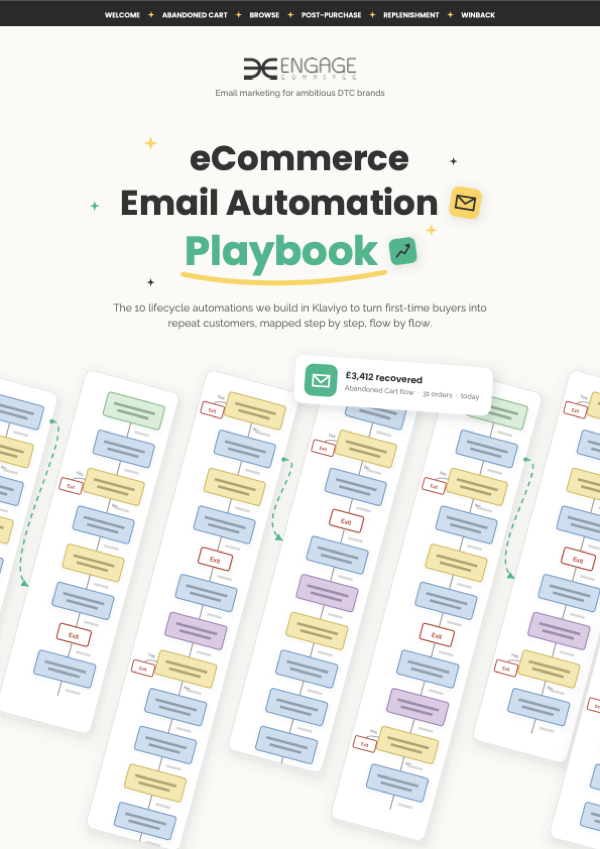
The eCommerce Email Automation Playbook
Twelve pages of decision trees: ten evergreen automations, each with its trigger, delays, checks and exits drawn out.
- Post purchaseThe first order welcome
- ReplenishmentTimed to the reorder window
- Cross sellThe second product, not the same one
- VIPYour best customers, kept close
- SunsetThe profiles that stopped reading
- The flow libraryAll fourteen, in one place
The whole stack is drawn in the Automation Playbook. The channel it runs in is email marketing, and the map behind which flow owns which moment is lifecycle strategy.
Where is your revenue leaking?
Up to four questions. One answer: what we'd fix first, and where to start on it.
How big is the brand?
Shall we look at your lapsed segment first?
Bring your Klaviyo login to your growth consultation. We'll count how many customers have gone past your repeat purchase gap, and show you what's being sent to them right now.


Half an hour with Theo, our founder.
We're all about relationships built on trust, mutual respect and a shared vision for success. If that sounds like your vibe, let's make some waves together 🌊