The direct mail agency that holds a group back on purpose







Cards fire off the same Klaviyo and Shopify events as your email. Then we read them against the customers we deliberately didn't post to.
A postcard doesn't get filtered, buried or skipped for a weak subject line. It sits on the counter for days. That's the whole argument for paper.
Four formats, and what each one is for
Everyone wants to talk about the card. Format is the first number in the sum, so we settle that before a word of the offer gets written.
A6 postcard
The workhorse for reorder and winback. Cheapest to post, and the headline gets one glance.
DL card
One product, one code, one date. It fits a wallet or a fridge door.
A5 card
When the offer needs room: a dated winback, a range launch, a note from the founder.
C6 enveloped pack
VIP and thank-you pieces. The envelope buys the curiosity and holds a sample.
One drop, from the file to the follow-up
A drop is six decisions taken in order. The file and the timing matter more than the card.
The card, and the code on it
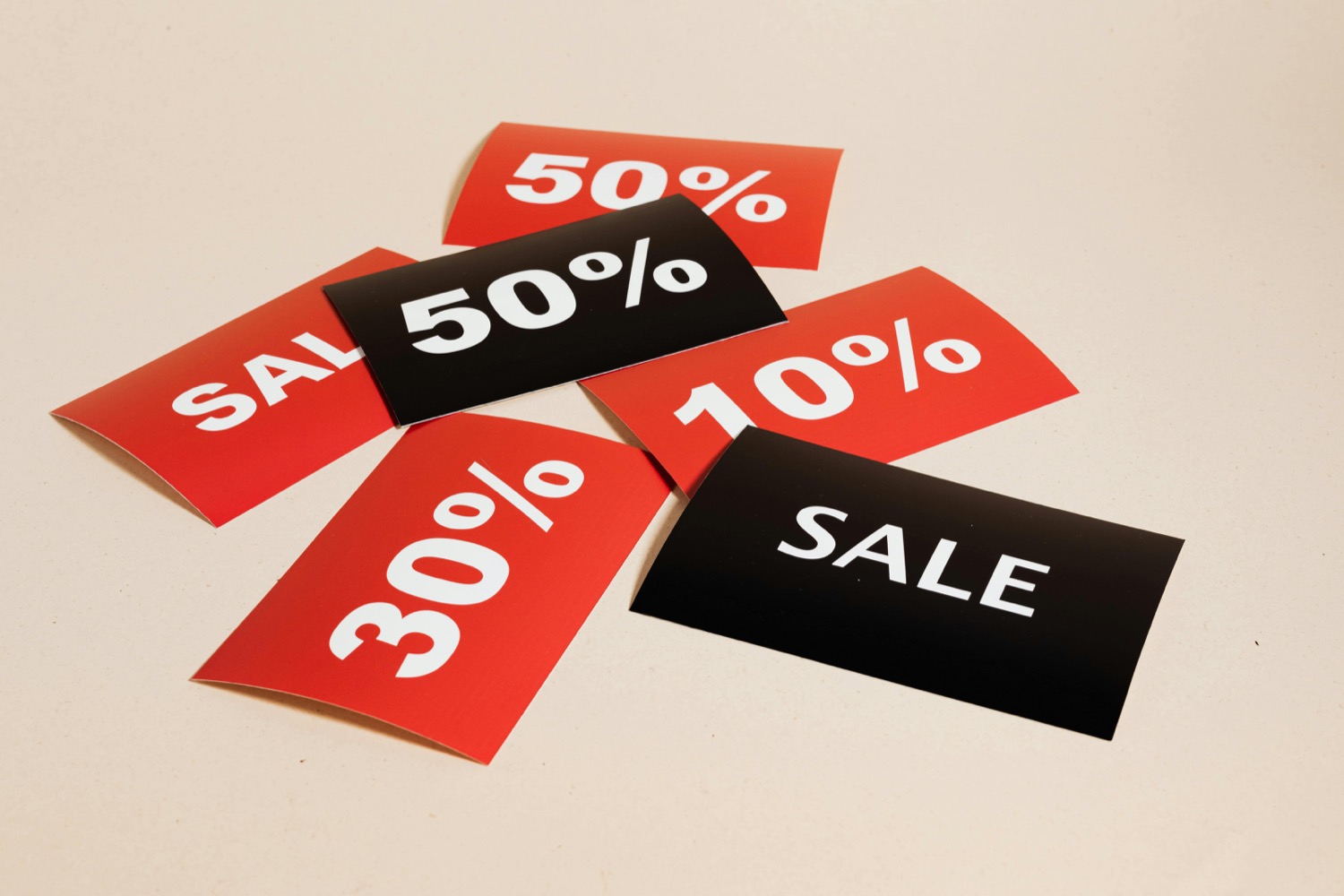
One offer, one code, one reason to keep it. The code is unique to the address, so an order placed a fortnight later still traces back.
Who ends up on the file
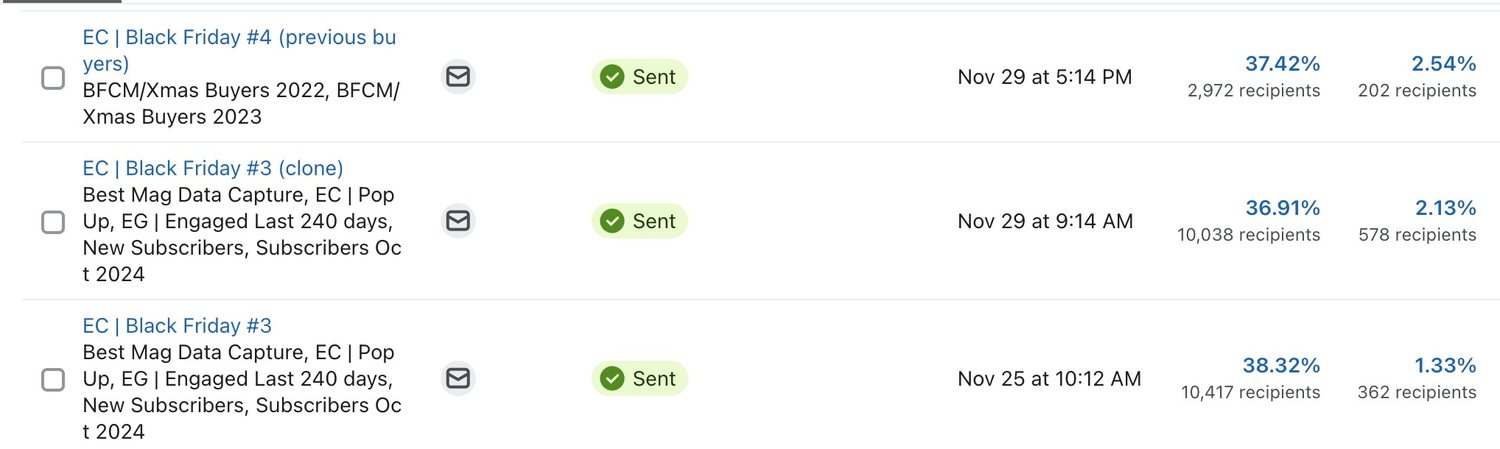
The segment comes out of Klaviyo and Shopify, then addresses get validated and suppressions come off. The holdout is drawn at random from what's left.
What fires a drop
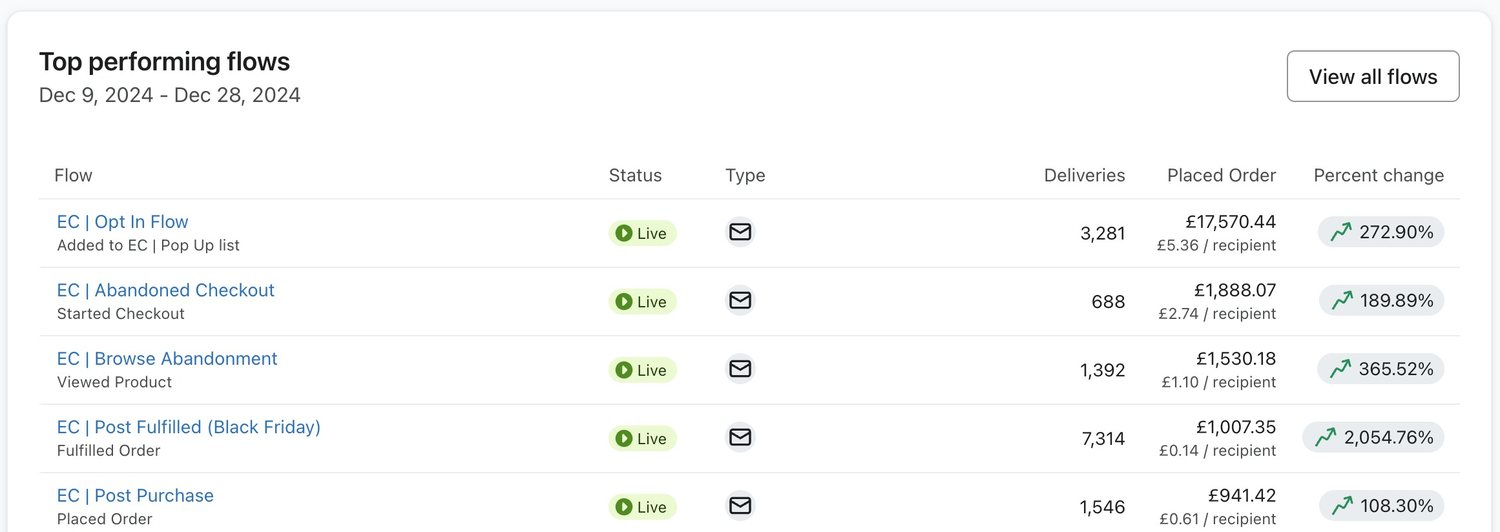
A predicted run-out date, a lapse window, a basket abandoned above your average order value. No exported spreadsheets, and no second list nobody maintains.
When it lands, and how long it sits
A file leaves one day and lands two to three working days later. Then it sits in the house. That's why we read a drop at thirty days, not at three.
What the post actually added
Every drop keeps a holdout: customers who match the segment and deliberately get nothing. The gap between the two order rates is the figure we report.
Whether the sum clears
Before anything prints we run the break-even on your cost per piece, order value and margin. If a drop can't clear it, we say so and your budget goes elsewhere.
The retention programmes a drop is timed against
Email led programmes, each one with a lapsed segment a card is worth posting to.




Mail runs on data you're entitled to use
Every address is checked. Every opt-out is honoured the day it lands. And nothing about the drop lives anywhere you can't reach it.
FAQs
Why should I bother with direct mail when everything's gone digital?
Because a postcard isn't fighting for attention in a crowded inbox. It lands on the kitchen counter. Digital is noisy and easy to ignore, while a well-timed card is physical and hard to swipe away. Run it alongside your email and SMS and it reaches the people the pixels missed.
How will direct mail actually grow my business?
We treat mail as a performance channel, not a novelty. Campaigns go to the segments most likely to convert: prospects, abandoned carts, replenishment and winback, and every send ties back to real revenue. What you get is the orders email and SMS alone would never have picked up.
How do we get started?
It starts with a growth consultation. We map your goals, your audience and what you already run, then plan the campaigns and the triggers, design the creative, wire it into your Klaviyo and Shopify data, and launch a first test drop. Nothing hits the mail stream until you've signed off the creative and the targeting.
What is your pricing structure?
It depends on volume, formats and how much creative and strategy you need. We scope a monthly retainer for strategy, design and campaign management, and print and postage get quoted per drop off your card sizes and quantities. You see the full cost per piece before a campaign goes out. No hidden fees, no surprises.
My audience is unique. How do you personalise the mail for them?
Cookie-cutter mailers aren't our style. We build audiences from your Klaviyo and Shopify data, behaviours and purchase history, then tailor the offer, creative and timing to each segment. A first-time prospect, a lapsed customer and a loyal repeat buyer each get a card built for where they are, not the same generic postcard.
Can you help with segmentation?
Absolutely. It's where direct mail earns its keep. We use the same Klaviyo and Shopify segments that power your email and SMS to decide who gets a card, when, and why. High-value customers, lapsed buyers and replenishment-due shoppers all get a different one, so your postage goes on the people most likely to respond.
How do you find new addresses to mail to?
Your own first-party data first, then compliant prospecting audiences and lookalikes modelled on your best customers. Blanket-mailing a bought list? That's so yesterday, and also a terrible idea. We target households that look like the people already buying from you.
Can you integrate with my current e-commerce platform or CRM?
Yes. We connect straight into Klaviyo and Shopify, plus the main print and mail platforms, so your cards fire off the same segments and events as your email and SMS. No manual exports and no disconnected tools; mail runs off the same data as everything else you send.
How do you make sure the mail actually gets delivered?
Paper skips the spam folder entirely, but delivery still comes down to clean data. We validate and standardise addresses, strip duplicates and suppress movers and returns before every drop, so your cards reach doors people actually live behind.
Is your direct mail GDPR and data-protection compliant?
Yes. We only use data you're entitled to use, and we work with compliant mailing partners. Addresses are handled securely, prospecting audiences are sourced inside the data-protection rules, and every suppression and opt-out request is honoured. No shortcuts on this one.
How often will you send mail?
Cadence comes from strategy, not guesswork. We don't blanket everyone. We mail the right segments at the right moments: replenishment windows, winback timing, launches and seasonal peaks, so each drop earns its postage.
Do you handle the design and print production?
End to end. We design the cards and mailers, write the copy and the offers, and run print production and fulfilment. You're never the one chasing a designer, a printer and a mail house on the same Tuesday.
Do you test and optimise campaigns?
Constantly. Offers, formats, creative and audiences, all read through unique codes and holdout groups so we can see what genuinely worked. What wins gets scaled. What doesn't gets cut.
How do you handle opt-outs and suppression?
Anyone who asks not to receive mail goes on your suppression file and comes out of every future drop, the day they ask. We clean the list of duplicates, returns and gone-aways as we go.
What metrics do you track to measure success?
The ones that tie to revenue. Response and redemption rates, orders and revenue per drop, cost per acquisition, return on spend, and the lift measured against the holdout. Every campaign carries unique codes and personalised URLs, so you can see exactly what the post earned.
Will I have access to reports and analytics?
Always. After every drop you get the response, the revenue and the return, plus a rolled-up view of how the post is doing next to your email and SMS. It's your brand and your data; nothing is hidden.
How quickly can I expect to see results?
A card sits in the house for days, so response usually starts inside the first few weeks of a drop, especially on winback and replenishment. We read all of it against the holdout, so you know the lift is genuinely incremental.
The channels a drop is timed against
Where is your revenue leaking?
Up to four questions. One answer: what we'd fix first, and where to start on it.
How big is the brand?
Bring your list size, your order value and your margin
We'll run the break-even sum in your growth consultation. If a drop can't clear it for your brand, we'll say so. We're not going to sell you one anyway.


Half an hour with Theo, our founder.
We're all about relationships built on trust, mutual respect and a shared vision for success. If that sounds like your vibe, let's make some waves together 🌊