Does direct mail work for ecommerce? Only if you run the maths first
A postcard's cost is linear and unforgiving per name, so it only earns its keep on the most valuable slice of a lapsed list.

A client asked why we hadn't put a we-miss-you postcard in front of their whole lapsed list. The answer wasn't that direct mail fails. It was that they couldn't afford to send it to all ten thousand of those customers, and they didn't need to.
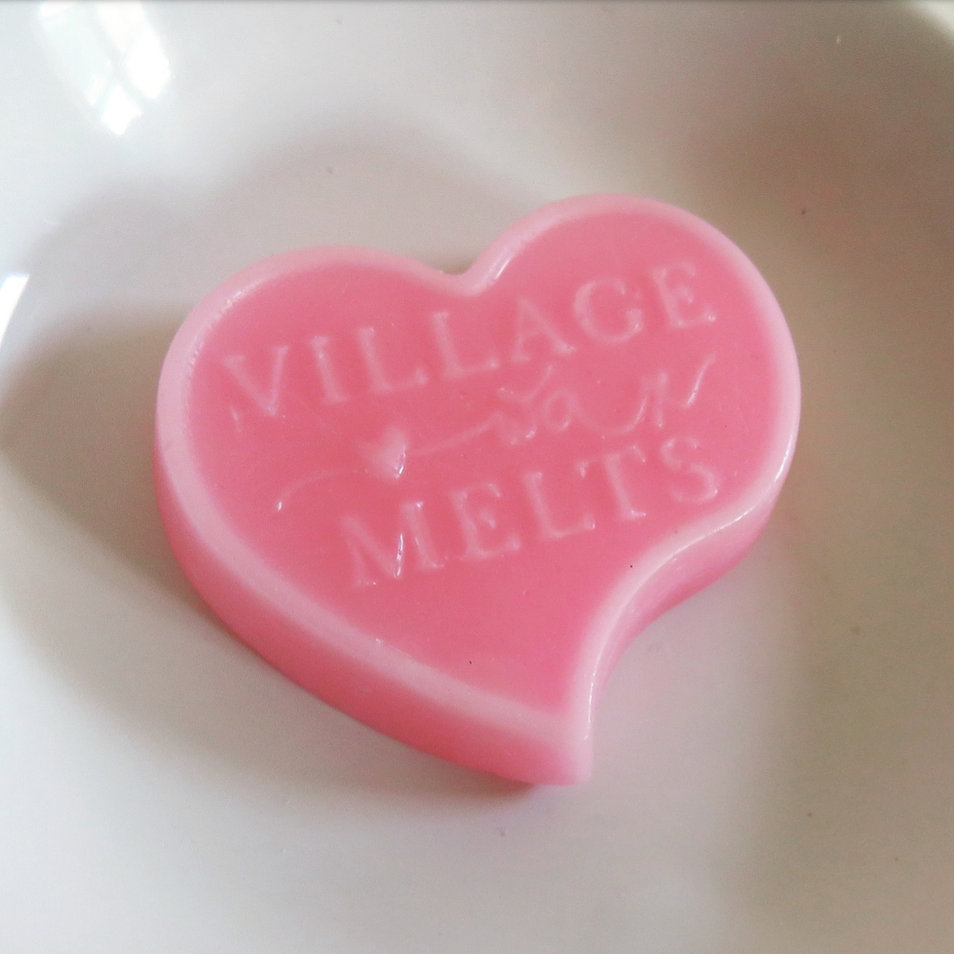
A doormat cuts through, which is exactly why it costs so much
Let's face it: inboxes are rammed, and a physical thing on the doormat genuinely cuts through. The client's reasoning was sound. A mate's brand had mailed its lapsed customers and it had worked, so nothing about the instinct is wrong.
Our answer wasn't that direct mail doesn't work. It was that mailing every one of those ten thousand lapsed customers was unaffordable and unnecessary in the same breath. The postcard was never the problem. The audience was.
And that sum almost never gets run before the creative brief goes out. Direct mail is a different cost shape to email, not a better or worse channel in the abstract. The only way to know whether it earns a place in the campaign is to do the maths before the postcards reach the printer.
Email is flat per name, and a postcard never will be
Design, print, list processing and postage land on every single piece. Send it to everyone and the postcard doesn't get cheaper with scale, it gets more expensive by the name. Across a big lapsed segment, a serious budget disappears before a single customer has bought anything back.
The email sitting beside it in the same campaign costs close to nothing per recipient, whether it goes to five hundred people or five hundred thousand. That gap doesn't narrow as the list grows, it widens. Email's marginal cost is basically flat, and direct mail's is linear and unforgiving.
So the useful question is narrower than whether you can afford a postcard campaign. It's what this specific list of names costs to reach, and what has to come back from it to break even.
Which channel converts better is the wrong question
The instinct is to ask whether direct mail beats email at winning back lapsed customers. That frame treats the two as competitors on effectiveness when they're running on completely different cost curves. A postcard doesn't have to outperform an email. It has to earn back its own cost per name at your margin.
An email doesn't come close to needing that bar, because it costs next to nothing to send. Framed properly, the question stops being which channel works better. It becomes which customers have enough value left in them to justify the expensive one.
That's a segmentation problem, not a creative one. It's also the step most teams skip, because writing postcard copy is more fun than pulling a lifetime value report.
Sort the lapsed list by lifetime value, not by recency
Take the lapsed list and sort it by historical lifetime value, not by how long ago the last order landed. Recency lies here. A customer who lapsed after several heavy orders is a completely different proposition to one who lapsed after a single small one. Both look identical in a has-not-purchased-recently filter, and they're nothing alike in what a mailer has to earn back.
Work the breakeven in three moves: cost per piece against gross margin, then against the reactivation rate you honestly expect. The order value you need back climbs fast, because the cost gets divided down twice before any revenue turns up. Run it properly. The bar tends to clear only on customers whose spend and order frequency sit well above the middle of the list.
That surviving slice is small, and that's fine. Everyone below the line still gets worked, just through channels that don't force the same filter.
Pull these five numbers before anyone briefs a designer
Here's the part that gets skipped when the brief goes straight to a designer. Nobody needs a concept yet. They need answers.
- All-in cost per piece: design, print, list processing and postage, never the printer's quote on its own
- Gross margin on the category that segment actually buys, not the blended store-wide margin
- Expected reactivation rate for the segment, from past winback performance or a conservative estimate
- Breakeven order value, worked backwards from the three numbers above
- The size of the list that clears that breakeven, which is the real spend before a word of copy exists
If nobody in the room can answer all five before the creative conversation starts, the brief is going out ahead of the maths. Wrong order for a campaign that has to earn its cost back name by name.
Mail the slice that clears, and let email carry the rest
The wrong version of this campaign mails every lapsed customer a nicely designed postcard because it feels thorough. The response then comes mostly from the handful of high value customers who'd have reactivated off an email anyway. The loss then gets justified with a story about brand presence. Fine thing to want. Different budget line to the one that was approved.
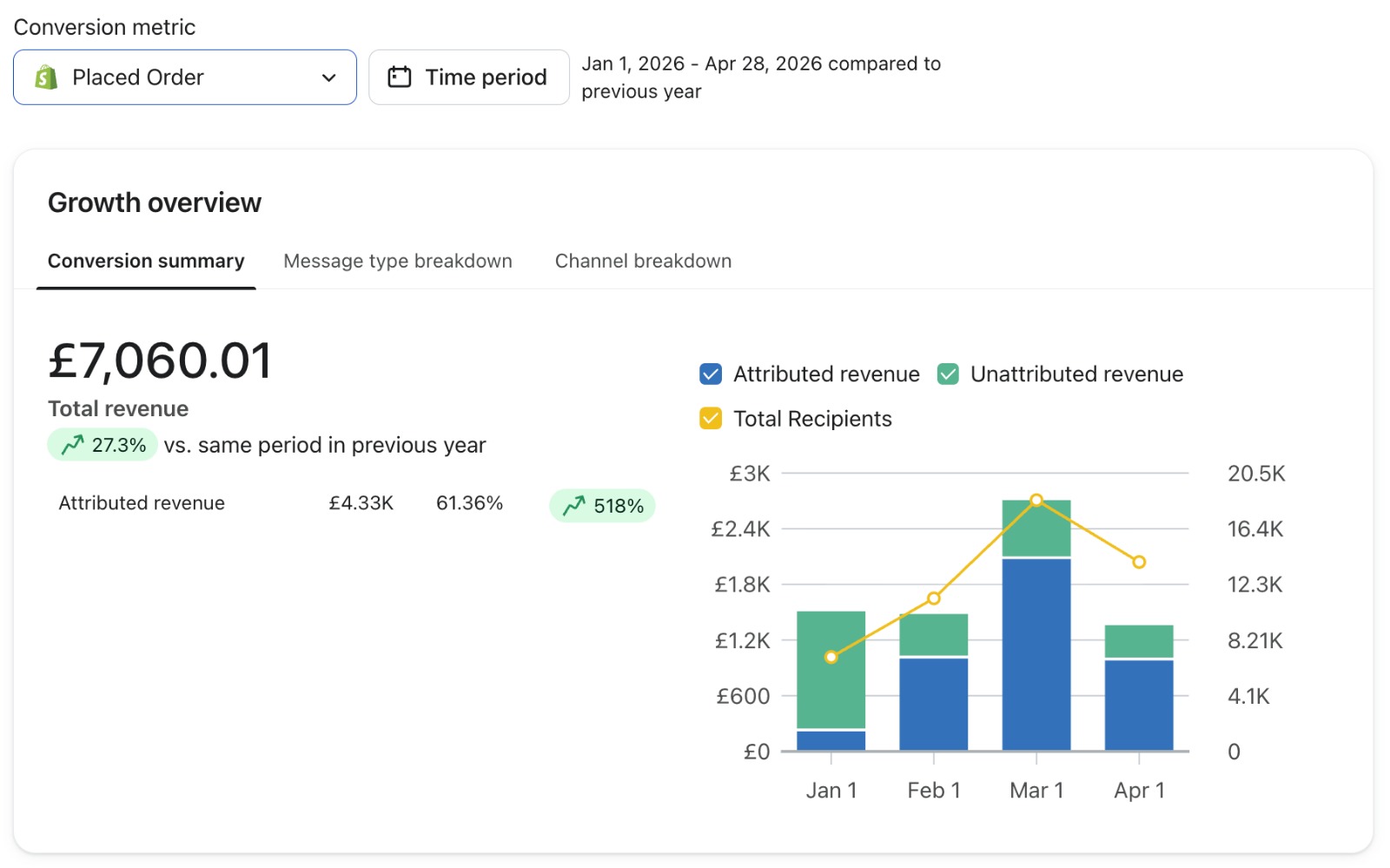
The right version mails only the slice that clears breakeven, and lets email and SMS carry everybody else at a cost that needs no justification. Reporting like the view above is why the split works: the cheap channel keeps the whole list warm while the expensive one is pointed at the names that can repay it.
Treat the mailed segment as its own small test with its own tracked response, a distinct code or a dedicated landing URL. If you can't attribute what came back, you haven't learned whether a postcard programme deserves a second run.
Theo Tziapouras
Founder and strategy at Engage Commerce, the ecommerce agency for 7 and 8 figure DTC brands.
FAQs

Does direct mail actually work for ecommerce brands?
Yes, on the right names. It tends to pay back on lapsed customers with high historical spend and order frequency, because the value left in them covers the cost of reaching them physically. Sent to a whole list it usually loses money, and not because the creative failed: most names never had enough value to clear the cost per piece.
How do I work out breakeven for a postcard campaign?
Start with the all-in cost per piece, including design, print, list processing and postage. Divide it by the gross margin on what that segment actually buys, then by the reactivation rate you expect. The result is the order value a responder has to hit, and the size of the list that clears it tells you the real budget.
Who should receive a winback postcard?
Sort lapsed customers by historical lifetime value, not by recency, and mail the slice whose past spend and order frequency clear your breakeven. Everyone below that line belongs in email and SMS winback, where the cost per touch doesn't force the same filter.
How do I track direct mail response?
Give the mailed segment its own code or a dedicated landing URL, and hold it out of any identical email offer while the test runs. That way a reactivation can be attributed to the postcard instead of to the flow that was running anyway.
The number to have ready before the next meeting
Pull the lapsed segment, sort it by lifetime value, and find where the cutoff that clears breakeven actually falls. Then cost out what a mailer to just that slice would run. All in. When the next should-we-try-direct-mail conversation starts, the person holding that number decides how it ends.
Programme and calendar
How often to send, what to send when, and what retention costs to run.
How to retain Black Friday customers without training them to wait for the next discount
One discounted order makes a bargain hunter on probation, not a VIP. What you send next decides which one you keep.
Read it
An ecommerce email marketing calendar UK brands can actually run
Most published calendars are American. This one is built on UK dates, UK posting deadlines and the months nobody bothers to plan for.
Read it
How to reduce subscription churn ecommerce brands accept as normal
Most cancellations are not decisions. They are failed cards, deliveries that arrive too soon, and a cancel page offering the wrong thing first.
Read itWould you rather this was just handled?
Bring your Klaviyo account and the thing annoying you most. We will tell you what we would fix first, before you spend anything.

Half an hour with Theo, our founder.
We're all about relationships built on trust, mutual respect and a shared vision for success. If that sounds like your vibe, let's make some waves together 🌊