Why is my blog traffic not converting? Because nobody asked it to
The popup fires the same offer at every reader, whatever they typed into Google. Match the capture to the query and the traffic starts paying.
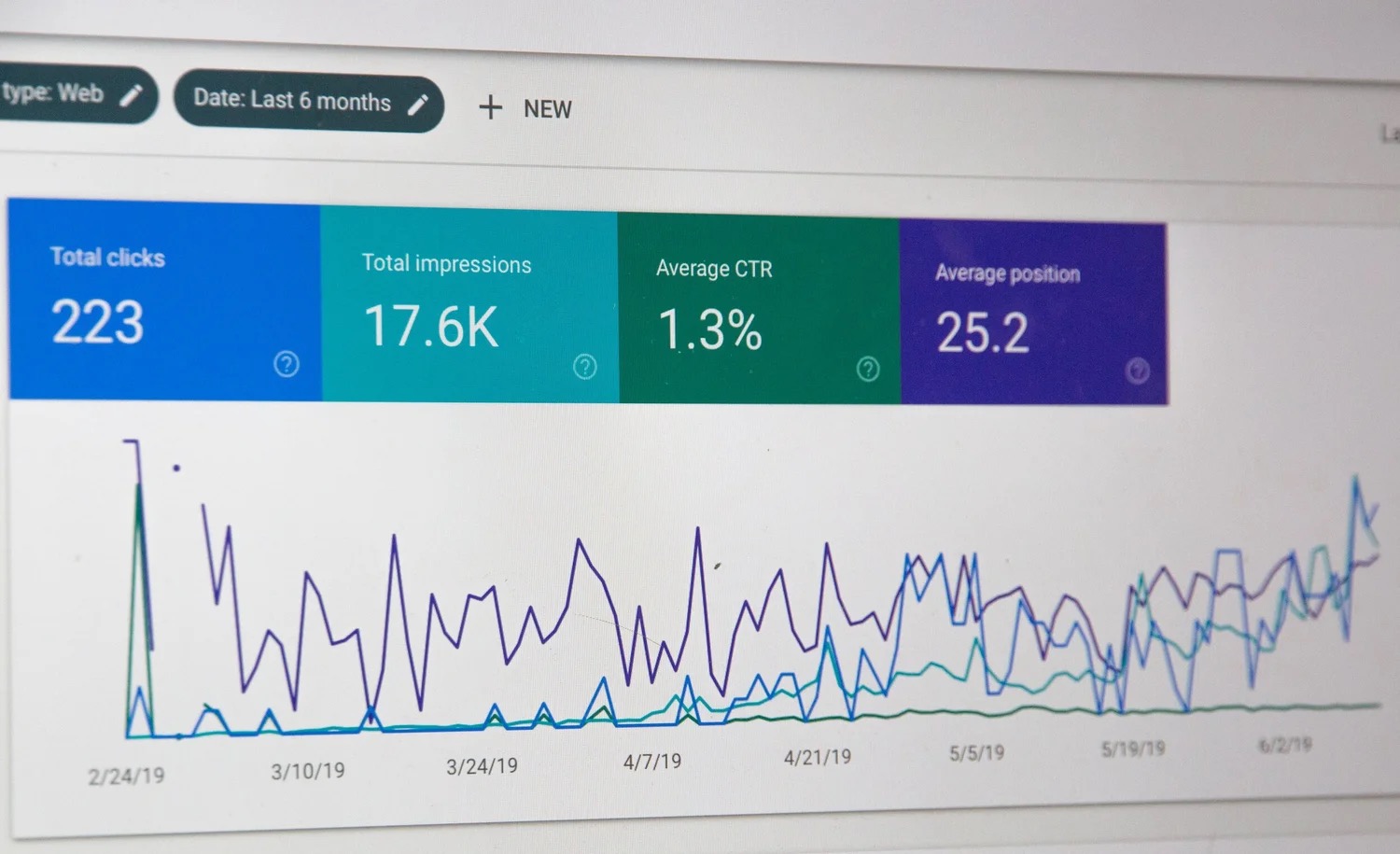

You can rank for a competitive buying keyword, watch the traffic arrive, and still build nothing. It's almost never the article. It's the popup built for the checkout, firing at readers whose search already told you they wanted something else. Match the offer to the query and the same traffic starts filling a list.
Traffic that reads and leaves is a number, not an asset
You can rank number three for a genuinely competitive buying keyword, watch the sessions roll in, and still be building nothing. Ninety seconds on page, no email address, gone. Somewhere a dashboard shows a line going up and to the right, and somebody calls it a content win.
A win is a captured contact you can sell to next week, next month, at Black Friday. The gap between traffic and asset is almost never the content. Nobody asked the visitor for anything that matched why they were there.
It plays out the same way on most ecommerce blogs. The SEO work earns a ranking on merit, the piece gets handed over as finished, and whatever generic popup already exists on the site fires on it. A money-off-your-first-order offer, landing seconds into an article somebody opened because they wanted advice.
Search intent tells you exactly what the visitor wants next
The query itself is a brief, and almost nobody reads it. Someone typing best running shoes for flat feet is comparing options and wants help deciding, not a coupon. Someone typing how to layer a capsule wardrobe hasn't picked a product yet, maybe not even a category, so a discount is irrelevant to them.
Then someone lands on a product page from a branded search. They've effectively decided and just need a reason to act today. Three different mental states, one popup, and that popup was built for the person standing at the checkout.
The mistake isn't having a discount popup. It's having only a discount popup and pointing it at readers who haven't decided anything yet.
Match the capture offer to the query, not the page template
Most sites target popups by page type: one for the blog, another for product pages, a third for the homepage. Fair first pass. It just stops one layer too shallow, because two blog posts can serve completely opposite intents and get treated identically.
| Intent | The query sounds like | The offer that earns the email |
|---|---|---|
| Comparison | Best, vs, top ten, alternatives to | A decision aid: a gated comparison table, a buyer's checklist, a size or fit finder |
| Educational | How to, why does, guide to | Competence: a downloadable process, a checklist, a short email course |
| Transactional | Brand names, buy, category terms with commercial modifiers | Friction removed: the one place a straight discount earns its keep |
In the first two rows you're trading help for a contact, which is a fair trade because help is what they came for. The discount stays on the pages where the visitor has already chosen and just needs a reason to act.
The gated asset belongs in the content brief, not bolted on after
Most content operations quietly break this bit. The capture mechanism gets designed after the article ships, sometimes weeks after, usually by somebody looking at a finished page and attaching a form to it. The content was never written with an exit in mind, so the gate feels tacked on because it is.

Flip the order. When a brief goes out for a comparison piece, the gated asset gets specified in the same document, by the same strategist who chose the keyword, as one unit of work. The article earns the ranking and builds the trust, and the gate offers the thing the article deliberately doesn't give away.
It fixes a subtler problem too. A gated asset built after the fact tends to repeat what the article already said, so there's no reason to trade an email address for it. Built alongside the brief, it gets scoped as the next layer of value.
Different capture sources deserve different welcome sequences
Most popup tools target by URL pattern, and the better ones pass along the landing page, the referring query where they can see it, and any UTM parameters on the visit. Your email platform keeps all of it once somebody converts. Use it.
A subscriber who converted off a gated comparison guide shouldn't enter the same welcome flow as one who took a discount on a product page. The first is early funnel and undecided. So that sequence keeps educating and narrowing: a how-we-would-choose email, then social proof relevant to the comparison they were making. The second already knows what they want, so that branch gets the code in front of them fast, before the intent cools.
Same platform, same automation builder, genuinely different flows, because they joined the list for different reasons. Treat them identically and you waste the intent signal the ranking already paid for.
Audit what already fires before you build anything new
Before any of this gets built, do the boring bit. It takes an afternoon and it shows you where the leaks actually are.
- Pull organic sessions by landing page for the last few months and rank by volume
- Tag the highest-traffic pages as comparison, educational or transactional, using the query and not the URL folder
- Note what currently fires on each one: the generic popup, nothing at all, or something already matched
- Cross-reference the capture rate per landing page where your platform tracks it
- Flag the highest-traffic pages with the weakest capture first, because that's the build list in priority order
The audit stops the fix turning into redo every popup on the site, a project that stalls before it ships. Scoped properly it becomes fix the handful of pages carrying most of the wasted traffic. Smaller job, and the version that actually gets done.
It's also the version that compounds, which is what the capture-first briefs across the accounts we publish keep showing. A ranking decays if you stop feeding it. A list you built from it keeps selling either way.
Theo Tziapouras
Founder and strategy at Engage Commerce, the ecommerce agency for 7 and 8 figure DTC brands.
FAQs

Why does my blog get traffic but no sales?
Because most blog readers are researching, not buying, so measuring the blog on same-session sales misses its actual job. The blog's job is capture: turn the reader into a contact whose intent you know, then let the welcome sequence and the campaign calendar do the selling over the weeks that follow.
What is an intent-matched capture offer?
A signup offer built from the search query the page ranks for, instead of from the site's default discount. A comparison query earns a decision aid, an educational query earns a checklist or a short course, and a transactional query earns the discount. The offer answers the question the visitor was already asking.
Should every blog post have its own gated asset?
No. Build them for the pages that earn meaningful traffic first, and let the audit set the order. A handful of high-traffic pages usually accounts for most of the wasted visits, and one well-scoped asset can serve a whole cluster of related articles instead of a single post.
Do discount popups ever belong on blog content?
Rarely on educational content, occasionally on comparison content once the reader has scrolled, and comfortably on transactional pages. The visitor's query has to have earned it. Somebody comparing products is close enough to a decision that a discount can tip them, and somebody learning a process is not.
The query sets the offer, and the offer sets the flow
Rank for a buying keyword, hand every visitor the same offer, and you've built traffic instead of a list. The query tells you the intent, the intent decides the offer, and the offer decides the sequence that follows. In that order, with no exceptions for pages that feel basically fine. Match the ask to the question they typed and the same traffic starts paying you back.
Programme and calendar
How often to send, what to send when, and what retention costs to run.

A press mention isn't a sale, but email can turn press coverage into sales
Borrowed trust from a journalist expires in days. A capture flow built before the piece runs is how you keep it.
Read it
Exit intent popups are annoying because they fire on the wrong page
One trigger, five different moments. The page decides what a popup should say, and a site-wide discount teaches repeat visitors to close it on reflex.
Read it
Your subscription cancel flow is where the most recoverable revenue is leaking
The moment somebody clicks cancel is the one retention moment most brands skip, and the easiest one to rebuild.
Read itWould you rather this was just handled?
Bring your Klaviyo account and the thing annoying you most. We will tell you what we would fix first, before you spend anything.

Half an hour with Theo, our founder.
We're all about relationships built on trust, mutual respect and a shared vision for success. If that sounds like your vibe, let's make some waves together 🌊