Your subscription cancel flow is where the most recoverable revenue is leaking
The moment somebody clicks cancel is the one retention moment most brands skip, and the easiest one to rebuild.

A customer who emails support with a complaint gets a discount code and a friendly reply. A customer who clicks cancel gets a confirmation screen and a goodbye. Same customer, same problem, and only one of those paths was ever designed.

The moment someone is definitely leaving is the moment most brands go quiet
Somewhere on your site is a button that says cancel subscription. The second somebody clicks it, most brands do the opposite of what support would do. Email support with a complaint and you get a code and a conversation. Click cancel and you get a confirmation screen and a goodbye, if you get an email at all.
For consumables, wax melts, supplements, coffee, skincare refills, that's the worst possible place to go quiet. A cancelled subscriber is a repeat customer going backwards. You've built an entire retention operation around the moment someone might leave, then skipped the one moment somebody definitely is.
These aren't subscriptions people forget about, like software quietly billing in the background. They're physical products turning up on a schedule the customer set, and the reason for cancelling can usually be named. Too much stock left. The wrong scent. Money's tight, or they're travelling. Almost none of that means never again.
The hard cancel is a setting nobody on your team actually chose
Most subscription apps ship with a bare cancel flow: click cancel, confirm, gone. If nobody's customised it, you're running the factory default, built for the platform's convenience and not for your retention. Cancel means cancel isn't a policy. It's the absence of one.
The rebuild starts with a reason step before the cancellation confirms, with real options instead of a free text box nobody fills in. Too much product left is one problem. Didn't like this month's scent is another, and can't afford it right now is a third. Each one has a different save attached, and a flow that funnels them all straight to cancelled throws the answer away.
Nobody would launch a checkout with one generic buy button and no payment choices. Plenty of brands launch a cancel flow exactly that basic and never look at it again. The wider subscription churn playbook starts much further upstream. The cancel screen is just the last exit on it, and every leaver passes through it.
Pause beats cancel for consumables, and it isn't close
A pause option is the most useful thing you can add to a consumable cancel flow, and it belongs right beside the cancel button, not three clicks deep in account settings. It answers the most common cancellation reason there is: too much product, not too little interest. Somebody with four melts still in the drawer wants deliveries to stop for a bit. They don't want to leave.
Give that customer cancel as the only option and you've turned somebody who'd happily restart in six weeks into somebody who has to re-find your site and decide to trust you all over again. Give them pause for one cycle or three and the relationship stays warm without shipping a single extra box. Nothing gets spent winning them back, because they never left.
The mechanism matters as much as the button. A pause needs a real resume date, a scheduled reactivation and a heads up email a couple of days before it restarts, so nobody gets ambushed by a forgotten charge. A pause that just goes quiet is a cancel with extra steps, and a surprise charge at the end turns a paused customer into an angry one.
Pause fixes too much product, and the swap fixes the wrong product
If somebody's cancelling a supplement because the capsules are too big, or a wax melt box because the scent rotation's gone stale, a pause only delays the same cancellation by a month. What they need is a swap: change the formula, size, scent or frequency before the cancellation confirms. Most setups skip it, because a swap is more work to build than a pause.
For a supplement brand that might be capsules to gummies, or a daily dose to an every other day plan that matches how the customer actually gets through it. For a curated wax melt box it's as simple as letting them pick their own scents for the next delivery. That's very often the real reason behind not really feeling it anymore.
The test is one click. Either your platform and catalogue make the swap happen right there at the point of cancellation, or it's only theoretically possible through support. If a swap needs a person manually editing an order, it won't happen fast enough to catch somebody who's already decided to go. Wired in properly, a real share of would-be cancellations turn into modified subscriptions that carry on.
The email between the click and the goodbye does the actual saving
Even brands that build pause and swap properly tend to fire one email at cancellation, a goodbye that reads like a receipt. That's a wasted send. The email between the click and the end of the relationship is the one doing the recovery work.
If somebody paused, it goes out immediately: confirm the pause, confirm the resume date, and give them one click to extend it or end it early. If somebody cancelled outright, the recovery email waits a few days, because an instant please don't go reads as automation. A short note referencing the reason they gave, with an offer that answers it, beats a blanket come back anytime.
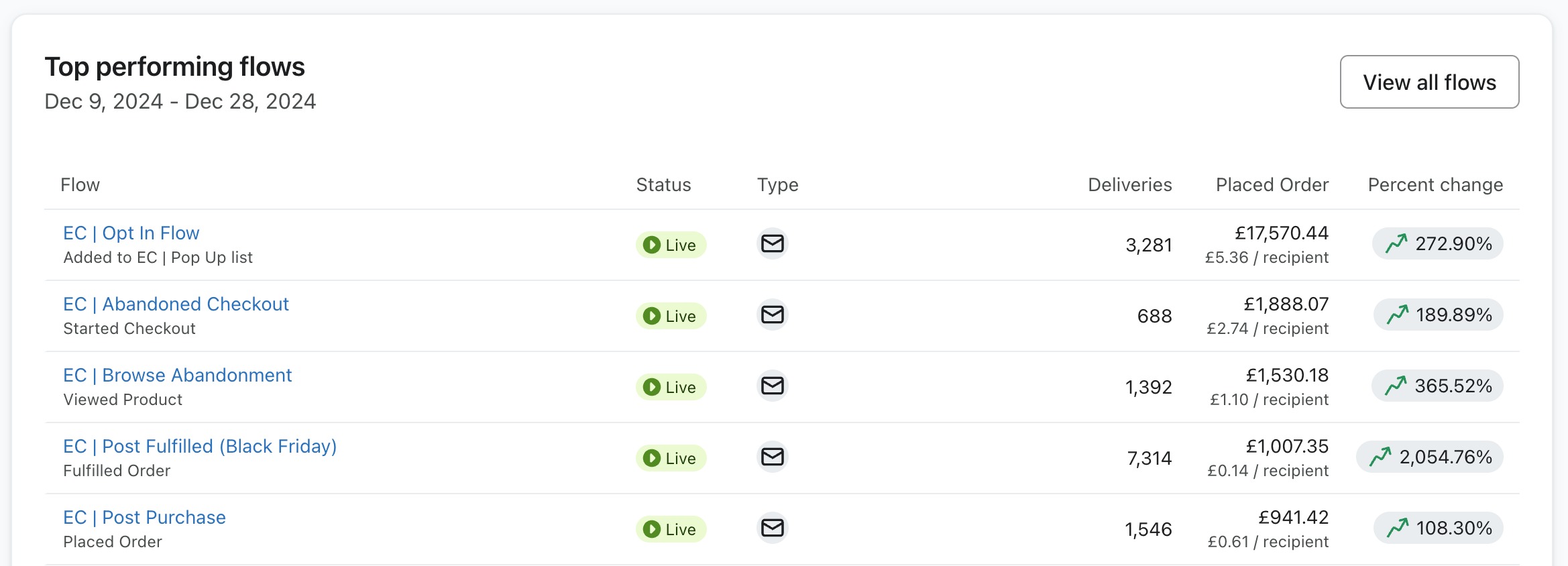
One email that fires for everybody regardless of reason is the easiest mistake here. Too expensive right now needs a different message from moving house. If the reason data isn't deciding which email somebody gets, you're collecting information nobody uses. Everyone who still leaves belongs in a winback flow written for a lapsed subscriber, not a lapsed browser.
Build the reason step and the pause first, then the branch
- A reason step before the cancellation confirms, with specific product relevant options instead of one open text field
- A pause presented as equal in weight to cancel, with a set resume date and a reminder email before it restarts
- A swap for product, format or frequency, wired into the catalogue so it really is one click
- A recovery email that branches on the reason given, sent a few days after the cancellation instead of instantly
- A pause confirmation email that goes out the moment somebody pauses, so the account doesn't just go quiet for six weeks
None of it has to be built at once. Pause plus one branching recovery email, on top of the hard cancel you already have, is usually the fastest pair to get live. And it claws back subscribers a goodbye email never would.
That's the order we work through on a client account, and it's the same discipline that rebuilt Village Wax Melts' repeat business: treat every lapse as recoverable until the customer proves otherwise. Most lapses are logistics, not verdicts. The flow just has to ask.
Alex Gregoriades
Operations director at Engage Commerce, where he runs the accounts the writing comes out of.
FAQs

Should I offer a discount when someone cancels a subscription?
Only after the reason step, and only where the reason is price. A blanket discount teaches customers to click cancel for a deal, and it does nothing for somebody whose real problem is too much product or the wrong scent. Pause for surplus, swap for fit, and keep a modest offer back for the people who named cost.
Does a pause option actually reduce cancellations?
For consumables, yes, because the commonest reason for cancelling is having too much product left, not wanting to leave. A pause with a real resume date and a restart reminder keeps the subscription alive through the surplus. Without one, the only way to stop deliveries for a month is to cancel, so that's what people do.
When should the recovery email go out after a cancellation?
A few days after, not instantly. An immediate plea lands while the decision is freshest and reads as automation, not attention. A short delay lets the reason soften, and the email should reference what the customer told you on the cancel screen, with an offer that answers that reason instead of a generic goodbye.
The cancel button is a listening post, not an exit
The subscribe button gets all the attention, because that's where the sale happens. The cancel button is where a paying customer hands you the exact reason they almost didn't need to leave, and the default flow throws it away on principle. Build the screen that asks, the pause that actually resumes and the email that answers. Then the leak stops being a mystery.
Programme and calendar
How often to send, what to send when, and what retention costs to run.
The July sale nobody needed, and the alternatives to discounting that beat it
A discount solves the dashboard problem for one month, then spends the rest of the year training your list to wait for the next one.
Read it
Your ecommerce thank you page is the best segmentation moment you're ignoring
The seconds after order confirmation are the highest attention a brand ever gets, and most stores spend them on a receipt.
Read it
Why is my unsubscribe rate going up? Because you lost those subscribers three emails ago
An unsubscribe is the final step of a decay that gave weeks of warning. How to catch the fade while there is still signal.
Read itWould you rather this was just handled?
Bring your Klaviyo account and the thing annoying you most. We will tell you what we would fix first, before you spend anything.


Half an hour with Theo, our founder.
We're all about relationships built on trust, mutual respect and a shared vision for success. If that sounds like your vibe, let's make some waves together 🌊