The bundle email that raises order value without cutting price

A sitewide code cuts margin on everything, including what would have sold anyway. A bundle only changes one combination.
Look, bundling is the most misunderstood lever in ecommerce email. Done as a discount with two products stapled together, it teaches the same waiting behaviour a sale does. Built around a job somebody's trying to get done, it raises order value and protects your price at the same time.
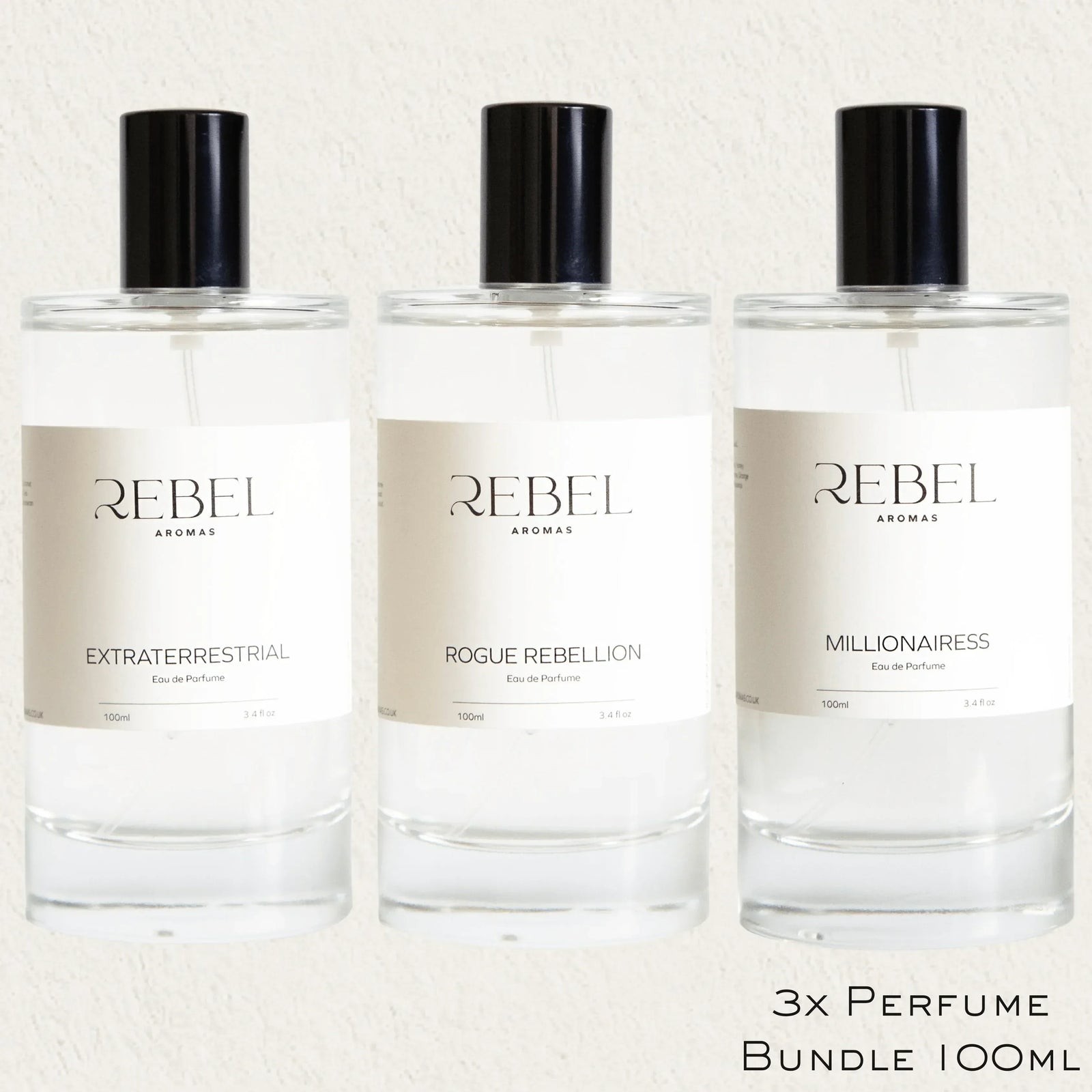
Bundle around a job, not around a saving
The weak bundle is three products picked because they're all in stock, offered together for less. The strong one is everything somebody needs to do one thing, put together so that buying it separately would mean thinking about it.
- The starter set: everything needed for a first attempt, with nothing missing
- The complete job: the main product plus the two things people come back to buy afterwards
- The pairing: a hero product with a slower moving one that genuinely belongs with it
- The gift: solved for somebody buying without knowing the category
In every one of those, what the customer is buying is a decision they no longer have to make. The saving, if there is one, comes second and should read that way.
Protect the hero, clear the slow mover
A bundle only moves the margin on the combination you build. That's the whole advantage over a sitewide code, and you throw it away the moment the bundle is two best sellers that were selling perfectly well on their own.
Pair a strong product with something slow that genuinely belongs beside it. The hero keeps its contribution, the slow line clears without a markdown against its own price, and the customer gets a set that makes sense.
| Bundle built from | Effect on margin | Effect on the list |
|---|---|---|
| Two best sellers, discounted | Pure margin loss | Teaches people to wait |
| Hero plus slow mover | Protected, stock cleared | Reads as a recommendation |
| Everything for one job | Higher order value | Reads as a service |

Say what it saves once, then stop talking about it
A bundle needs a reason to exist beyond the price, and the copy has to establish that reason first. Lead with what the set does. Explain why these items belong together. Let the price advantage be a line, not a headline.
Where the bundle carries no saving at all, which is a perfectly legitimate option, say so and explain that what they're getting is convenience and completeness. Some of the best performing sets are priced at exactly the sum of their parts.
Different bundles suit different stages
The starter set belongs in front of people who've never bought, because it takes the research problem away. The complete job set belongs in front of people who bought the main product a while back and have since worked out what else they need.
Gift sets are a seasonal campaign with an entirely different audience: people buying for somebody whose preferences they don't know. They want reassurance, not specification, so don't merge them into the same send.
A bundle that works belongs in the flows
Once a combination proves itself as a campaign, it should stop being a campaign. Put it in the post purchase sequence for people who bought the first item, and in the abandonment sequence where the basket holds one half of it.
That's the difference between a bundle as a promotion and a bundle as merchandising. The first runs for a week. The second runs for years inside the cross sell flow while nobody touches it.
Look at what people already buy together
Pull the combinations that already turn up in the same basket and rank them. Somewhere in that list is a pairing customers have been assembling themselves. A bundle already tested at full price.
Build that one first, then check whether the two product pages mention each other at all. In most accounts we take over they don't, so the bundle ends up doing work the site should have been doing all along.
Bundle the job, not the discount
A bundle email raises order value when the set solves a problem instead of shaving a price. Build around what somebody's trying to do, pair a hero product with something that moves slowly, mention the saving once, and let the reasoning carry the send. When a combination proves itself, take it out of the calendar and put it in the flows, where it keeps working without being sent again.
FAQs

Does a bundle have to be cheaper than buying separately?
No. Convenience and completeness are perfectly good reasons to buy a set, and some of the strongest bundles carry no saving at all. Where there is one, keep it modest and keep it secondary, because a big saving just turns the bundle into a sale.
How many products should a bundle contain?
Two or three in most categories. Past that the customer starts weighing up each item, and anything they don't want blocks the whole purchase. Bigger sets only work where the whole lot is genuinely needed together.
Will bundling cannibalise single product sales?
Some, which is why what goes in matters. Pairing two best sellers moves sales that were happening anyway onto a lower margin. Pairing a hero with a slower line adds volume that wasn't going to be sold otherwise.
Should bundles be permanent or seasonal?
Test as a campaign, then make the winners permanent by moving them into the automated sequences. Seasonal gift sets are the exception and should come down afterwards. A Christmas set still live in March makes the whole range look neglected.
Launches, moments and games
New stock, the dates your customers care about, and the sends people play with.
The loyalty perks email: remind people what they already have
Most loyalty programmes are built once and never mentioned again. The benefits sit unclaimed, which is a campaign waiting to be sent.
See the campaign
The crossword email, and whether a puzzle belongs in your programme
A puzzle in an inbox is a genuine novelty. It's also a real production cost, and it earns its place in a handful of programmes.
See the campaign
The spot the difference email that gets people looking at the product
A game is a poor reason to send one of these. Making somebody study your product closely for thirty seconds is an excellent one.
See the campaignRather we planned the campaigns for you?
Bring your Klaviyo account and next quarter's calendar. We'll tell you which of these sends your list is missing, and which one we'd run first.


Half an hour with Theo, our founder.
We're all about relationships built on trust, mutual respect and a shared vision for success. If that sounds like your vibe, let's make some waves together 🌊