You can still get customer emails from Amazon buyers, you just can't ask Amazon for them
The bridge off the marketplace is the box, not the storefront: an insert card with one job and a QR code that earns the scan.
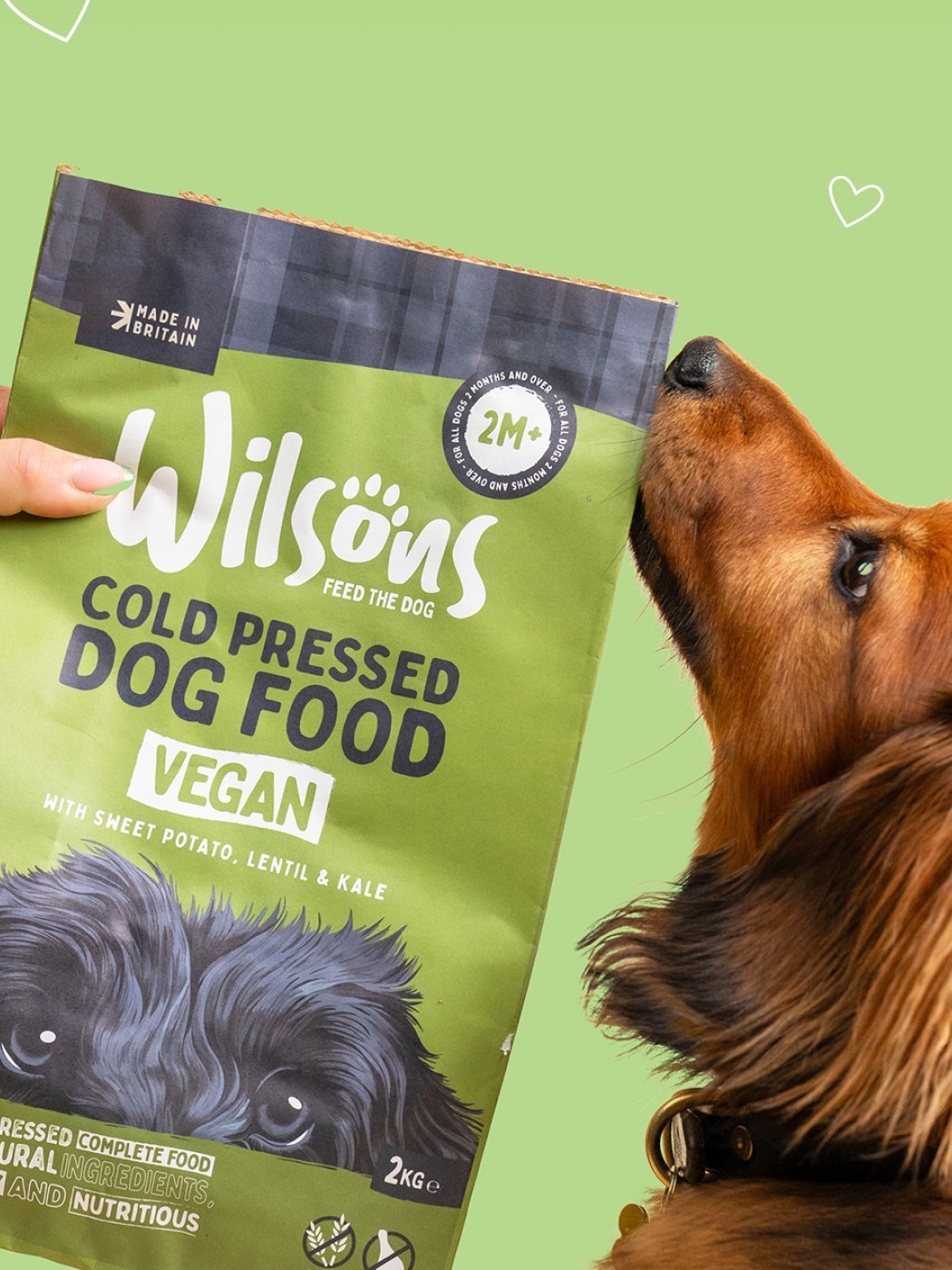

Amazon hands you the sale and keeps the relationship. You cannot scrape buyer data and you cannot email outside their system, and none of that matters, because the bridge never needed Amazon's data: a good offer, put in front of someone who already likes your product, routed through your packaging to your own site.
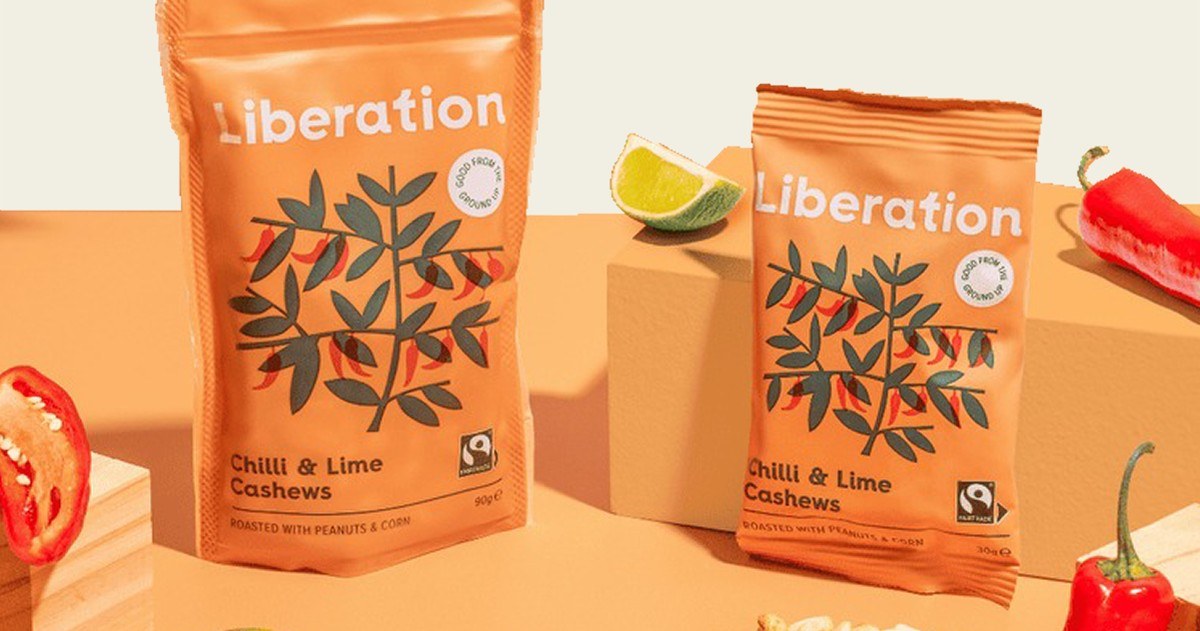
Amazon gives you the sale and keeps the customer
An Amazon sale gives you everything except the thing that compounds. You get the order, the fulfilment job and the review anxiety, and none of the asset that pays next quarter, which is a list you can email. Amazon hands you the volume and keeps the relationship.
Reading the terms of service and hoping is not a plan. Amazon is explicit about the walls: you cannot pull customer details out of order data, you cannot email people outside its system, and a join-our-newsletter sticker on the box makes none of that compliant.
None of it closes the door, because none of it is how the bridge gets built. The bridge is a genuinely good offer, put in front of someone who has already decided they like the product, routed through the box it arrived in. The card and the code inside it both end at an email programme that does the keeping.
The insert card has one job, and it is not the review
Open ten competitor packages and nine hold the same card: a plea for a five-star review, sometimes a vague code for a next order nobody has planned. That card is asking for something and offering almost nothing in return. Vague offers get binned with the packing slip.
The version worth printing has one job: get the buyer to a page you control. The card says something specific, like the recipe guide that goes with this is not on Amazon, or register the warranty here. Not money off your next order on your own site, though: Amazon's seller rules ban special offers that encourage buyers to leave Amazon. It has to be specific enough that scanning a code or typing a short URL is obviously worth ten seconds.
Most insert cards are not missing, they are overloaded: review ask, follow-up order and email capture crammed onto one small piece of card. Pick one job and make it the email. The review can come later, from somebody who already trusts you because the welcome sequence delivered what the card promised.
The storefront can't point home, so leave it out of the bridge
If you're enrolled in Brand Registry and you've built a storefront, it's tempting to make it the bridge: a banner, a discount you can't get on the marketplace, a link to your own site. Amazon won't have it. Its ad policy for the Amazon store rules out web addresses, QR codes and social media links in what you publish there.
Its seller rules go further and ban any special offer or call to action that encourages shoppers to leave Amazon. So the discount banner with a link isn't a clever bridge. It's a store that fails moderation, and a policy problem on your seller account. Let the storefront sell the range on Amazon, and build the bridge in the box.
This is where the rest of the stack earns its keep. If your Shopify site has no page built for Amazon buyers, you're sending a warm lead to a generic experience and wondering why it goes soft. Build the page the card points at first. It has to acknowledge where they came from and ask for the email before it asks for anything else. Recycling the homepage is how warm traffic gets a cold landing.
A QR code has to earn the scan or it is decoration
Packaging QR codes fail for a boring reason: nothing on the pack suggests a reason to scan. Scan for more info is not a reason, and neither is a code floating beside a logo with no copy at all. The code is competing with a customer who has already unboxed, already judged the product, and has no patience for a mystery link.
- A named incentive that implies something is waiting: scan to grab your bonus guide beats scan to learn more
- A completion mechanic with a downside for skipping it, which is why scan to register your warranty works
- Placement inside the box near the product, at the moment of highest satisfaction, not on the outer carton nobody keeps
- A destination that loads in under two seconds and asks for the email on the first screen, not the third
We have tested boxes where the code led to a generic welcome page against boxes where it led to a named incentive tied to that exact product. The specific version was scanned noticeably more often, which is what you would expect. People respond to precision, not to brand-building language.
The flow that delivers the promise is the other half
Capture is half the mechanism, and the half behind it is the part that gets skipped. Someone who scanned expecting a guide or a code, and got a generic thanks for subscribing followed by silence until the next broadcast, has walked onto a leaky bridge. This buyer needs a dedicated flow, separate from the newsletter signup, because their context is different: they already own the product.
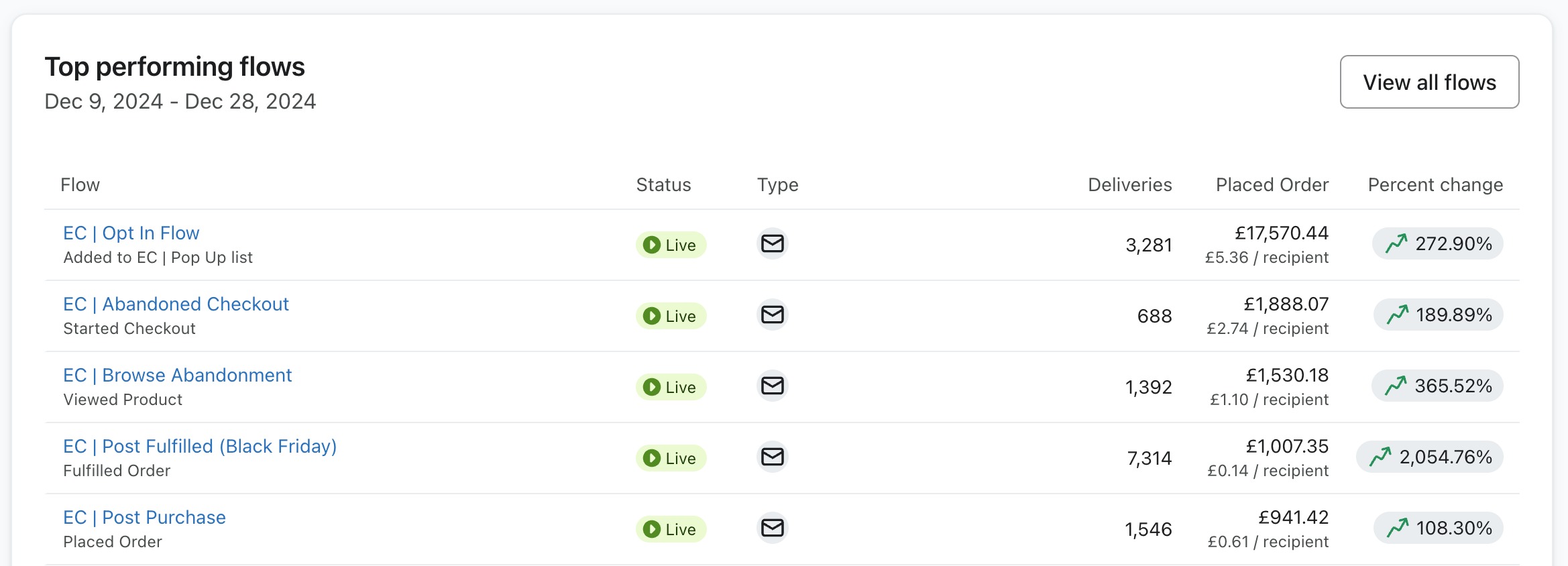
The flow acknowledges the Amazon origin, delivers the promised incentive in the first email, then moves into onboarding: care instructions, the guide the card named, and a nudge toward a second order timed against when the first will run out. That is what an email programme is built to do, and it is the entire point of the bridge.
An Amazon buyer who becomes a direct repeat buyer is worth many times one who buys once and vanishes back into the marketplace. The same pattern runs through our client work: the list is the asset that compounds, not the launch.
Alex Gregoriades
Operations director at Engage Commerce, where he runs the accounts the writing comes out of.
FAQs

Can you email Amazon customers directly?
Not from the order data. Amazon's terms prohibit using buyer details for marketing outside its system, and buyer messaging exists for order matters only. What you can do is invite the customer to opt in on your own site, through an insert card or a QR code in the box, and email the address they hand you there. The storefront can't carry that link.
Are insert cards allowed in Amazon orders?
Yes, within limits. Amazon prohibits cards that ask for positive reviews or offer incentives in exchange for them, and its seller rules ban special offers that encourage buyers to leave Amazon, so money off on your own site is out. A card that offers a guide or a warranty registration is asking for a relationship rather than a rating, and that is the version worth printing.
What should a packaging QR code link to?
A landing page built for somebody who already owns the product. It should name the incentive the pack promised, load quickly on a phone, and ask for the email on the first screen. A homepage, an app download or a generic welcome page all waste the scan, because the buyer came for one specific thing.
What do you send after capturing the email?
A dedicated flow, not the newsletter. Deliver the promised guide or code in the first message while the scan is still fresh, then follow with onboarding and care content written for somebody who already owns the product. The sequence should build toward a second order on your own site, timed against when the first purchase runs out.
Read the card like you have never seen the brand
Pull out whatever is currently inside your packaging and read the insert like a stranger. If it asks for a review before it has earned an email, fix that first, this week, before touching the QR code or the landing page. Everything else in the bridge only works once that card is doing its one job.
Programme and calendar
How often to send, what to send when, and what retention costs to run.
Loyalty programme emails do the retention work your points widget can't
Sign-ups climb and the dashboard looks busy, but behaviour never changes. The emails around the programme do the work the widget cannot.
Read it
Your Meta ads landing page shouldn't be the homepage
Every click you buy is a promise made mid-scroll. One landing page per ad angle is how the promise gets kept.
Read it
The email preview text length that survives an iPhone is shorter than you think
Two people on the same model of iPhone can read two different sentences from one campaign, and one of them stops mid-word.
Read itWould you rather this was just handled?
Bring your Klaviyo account and the thing annoying you most. We will tell you what we would fix first, before you spend anything.


Half an hour with Theo, our founder.
We're all about relationships built on trust, mutual respect and a shared vision for success. If that sounds like your vibe, let's make some waves together 🌊