TikTok Shop customer emails are the cheapest ones you'll ever nearly lose
The order arrives as a name, an address and a SKU, with no way to speak to the buyer again. Fix that on purpose.


TikTok Shop hands you buyers at a price paid social rarely matches, then keeps their email address. No dashboard setting fixes that. The brands who turn those buyers into a list do it in the physical parcel, on purpose, with a named owner.
The sale happens inside the app, and so does the relationship
Someone's on the sofa, thumb moving, and a video stops them for four seconds. They tap the little bag icon, Apple Pay confirms, and it's done. No landing page, no cart to abandon, and no email address anywhere in the transaction.
The order lands in your seller dashboard as a name, a delivery address and a SKU. That's the whole relationship. You've just bought a customer for less than one boosted Instagram post, and outside the app that sold them, nothing exists that lets you speak to that person again.
Selling isn't where TikTok Shop falls down. The platform pushes video to people who've never heard of you and it's good at it. The second after the sale is where it goes wrong, and for most brands what happens next is nothing. One order, no second one, no way to even try.
Treat it as a traffic source with a data problem, not a dead end
When a channel withholds customer data the instinct is to write it off, or bank the revenue and quietly stop thinking about it. Neither's right. TikTok Shop is just built differently to a Shopify checkout, where the email turns up as a matter of course and syncs to Klaviyo on its own.
Checkout happens inside TikTok's environment, on TikTok's saved payment details, so you get fulfilment data instead of marketing data. That puts the channel in the same box as any checkout you don't own. Capture becomes a design job, not an integration one.
And this matters more the better the channel performs. The bigger it gets, the bigger the pile of buyers sitting just out of reach, and almost nobody tracks that pile as a number. So it grows quietly while the ad account gets all the attention.
A card in the parcel is the mechanism, and specificity decides it
The mechanism that works isn't clever. It's a card in the box. What separates the cards that convert from the cards binned with the packaging is specificity: one clear instruction, and a reward somebody could describe to a friend in one sentence.
The wrong card carries the logo, a nice font and an invitation to follow the brand on Instagram. No reward, no reason to act now. It competes with the actual product for two seconds of attention and loses every time.
The right card says text this keyword to this number, or scan this code, and get a named thing back straight away: money off the next order, or a small free item added to it. The reward has to be usable soon. Nobody goes hunting for a code from a brand they bought from once, by accident, off a video three weeks ago.
It has to fire while the box is still open
Timing is the whole trick. The card gets read in the one moment you're guaranteed attention: parcel open, product in one hand, phone already in the other. That window shuts fast and it doesn't reopen.
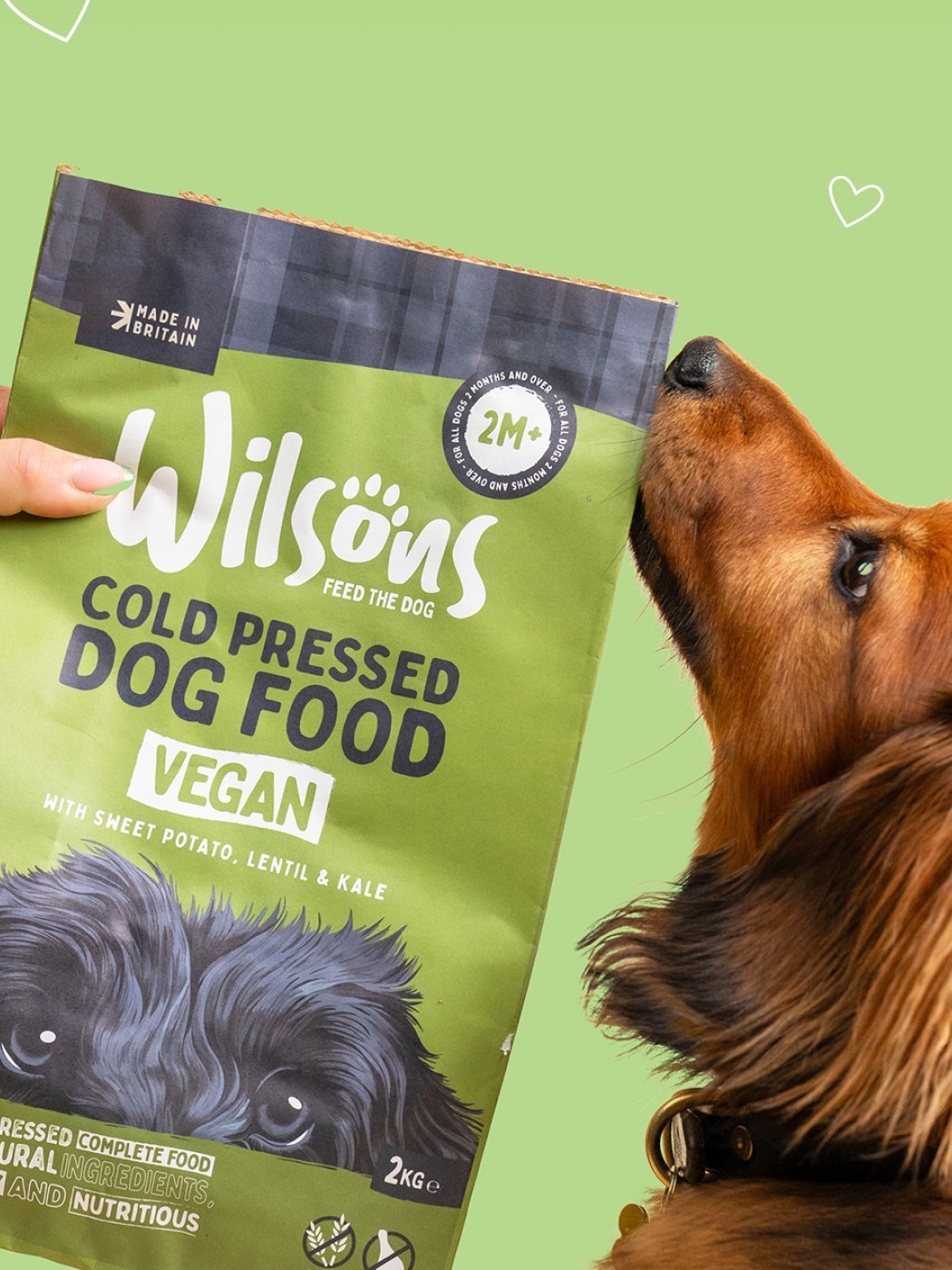
Point the keyword or the QR code somewhere trackable and specific to that source, never at the general sign-up form. A buyer who opts in through the same pop-up as everyone else is an address with no record of where it came from. Get the tag right before the cards go to print. It's the one piece of information this whole exercise exists to produce.
Captured this way, the buyer turns up with consent you can actually use, on email and SMS you own instead of inside a platform inbox. That list is the asset the ad spend was meant to be building all along.
Write the flow for an impulse buyer, not a researcher
Here's where brands undo the good work of the insert. The captured address drops into a welcome series written for somebody who found the site through Google, read the About page and compared three products before checking out. It opens on brand story and assumes a curiosity this buyer hasn't got.
Your TikTok Shop buyer doesn't need convincing. They already bought. What they need first is confirmation they made a good call, because an impulse purchase carries a flicker of remorse the first message can head off. Reassurance first, usage next, story later, once the product has worked.
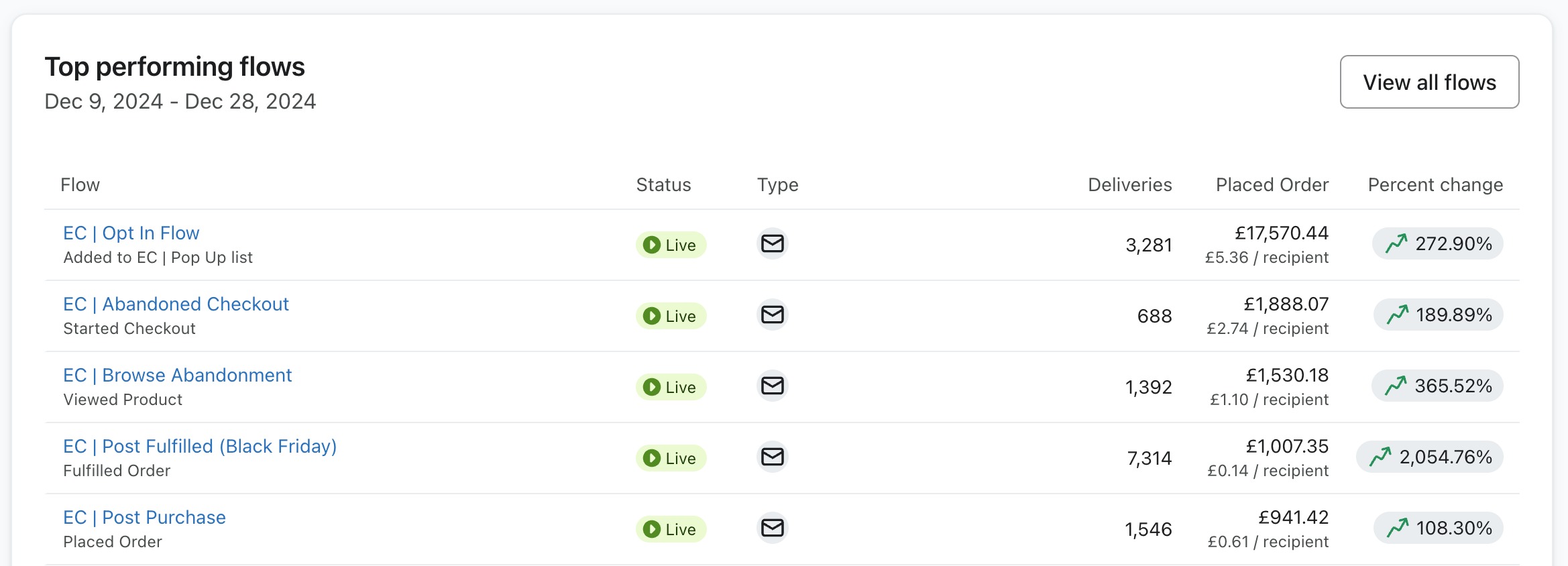
The promised reward lands in the first message. Not three emails later, once the moment's gone cold. In practice this segment gets a separate short flow keyed to came from a TikTok Shop unboxing, with its own trigger and its own numbers. Bolt a new trigger onto the existing welcome series and it rarely reads right. That series was written for a different buyer.
Whoever owns the parcel has to own the capture
This gets skipped because it sits between two teams and belongs to neither. Marketing owns email and SMS and never touches what goes in the box. Fulfilment packs the box and has never once been asked about opt-in rates. So it falls down the gap.
- Someone checks the insert stock is topped up before it runs out
- Someone owns the reward on the card and refreshes it when it stops converting
- Someone runs the flow it feeds and reads its numbers every week
- Someone treats TikTok Shop buyers as their own segment, not a footnote inside the general list
None of that needs a new hire. It needs one line in a meeting you already hold. The moment the mechanism has an owner and a number, it behaves like every other channel in the business. Before that it's a nice idea nobody got round to, which is how it dies.
A buyer captured once is one order at full acquisition cost. A buyer moved onto your list can be marketed to again for close to nothing, and that's the whole logic of owned channels. You can watch it compound across the accounts we run.
Where this isn't worth building yet
None of this is worth the admin if you're doing a handful of TikTok Shop orders a week. The insert has print costs, the flow needs building and maintaining, and at low volume the overhead outweighs what it catches.
Build it once TikTok Shop is a real and growing share of revenue, and probably not before. The channel earns the mechanism first. Then the mechanism makes the channel worth keeping.
Theo Tziapouras
Founder and strategy at Engage Commerce, the ecommerce agency for 7 and 8 figure DTC brands.
FAQs

Does TikTok Shop give sellers customer email addresses?
No. Checkout happens inside TikTok on the buyer's saved details, so you get what fulfilment needs: a name, a delivery address and the items ordered. There's no marketing consent attached and no setting that changes it, which is why capture has to happen after delivery, through the parcel itself.
What should a TikTok Shop insert card actually say?
One instruction and one concrete reward. Ask the buyer to text a keyword or scan a QR code, and promise something specific they can use soon, like money off the next order or a free item added to it. Vague invitations to follow or join convert far worse than a named reward.
Should TikTok Shop buyers go into my normal welcome flow?
No. A standard welcome series is written for a considered buyer who researched before purchasing, and it usually leads on brand story. Your TikTok Shop buyer bought on impulse and wants reassurance first, usage guidance second and story last. A short separate flow keyed to that source beats a shared one.
The cheapest customer is the one you already paid for
TikTok Shop will keep selling for you whether or not you build any of this, and that's exactly why the leak stays open. Every parcel that ships without an insert is a buyer you paid for and chose not to keep. Close the loop while the channel's still cheap, because it won't stay that way.
Programme and calendar
How often to send, what to send when, and what retention costs to run.
Shopify email capture is what turns a website into a list machine
The site takes the first order. The list pays for every order after it, so each template has to earn its place with an ask.
Read it
Should you email your entire list? Half my job is saying not today
A full list blast spends your best customers' attention on people who stopped reading months ago, and the bill arrives weeks later.
Read it
Does direct mail work for ecommerce? Only if you run the maths first
A postcard's cost is linear and unforgiving per name, so it only earns its keep on the most valuable slice of a lapsed list.
Read itWould you rather this was just handled?
Bring your Klaviyo account and the thing annoying you most. We will tell you what we would fix first, before you spend anything.

Half an hour with Theo, our founder.
We're all about relationships built on trust, mutual respect and a shared vision for success. If that sounds like your vibe, let's make some waves together 🌊