What is customer lifetime value in ecommerce, and what should you do with it
The number that decides what you can afford to pay for a customer, and the version of it most brands quote wrongly.
- 018CLV (Customer Lifetime Value)
- The total revenue a business can expect from a single customer account throughout their relationship. Email campaigns can nurture customer relationships, upsell, and cross-sell to increase CLV by encouraging repeat purchases and boosting engagement.
- 079LTV (Lifetime Value)
- The total revenue a business can reasonably expect from a single customer account throughout their relationship.
- Also called
- CLV, or LTV for lifetime value
- Measured as
- What a customer spends with you across every order
- Moved by
- The second order, more than any other
Two brands can sell the same product at the same price and only one of them can afford to advertise. Lifetime value is the difference between them. It's a decision tool, not a trophy, and the version most people quote isn't the useful one.
What one customer is worth in total, not what they spent first
Customer lifetime value is the profit you make from one customer across every order they ever place. Profit, not revenue. Every order, not the first one.
The word lifetime is what causes the trouble. Nobody knows how long a customer's lifetime is until it's over, so a figure quoted with no period attached can't be checked, compared or acted on.

The version you can calculate this afternoon
Take everybody who first ordered in one month, add up everything that group has spent since, apply the gross margin you actually keep, and divide by how many customers are in it. That's a cohort lifetime value, and it's the one worth having.
- Order value at your real margin, not the price on the site
- How many times somebody orders inside the window
- The window itself, fixed and written down before you start
- What it cost to acquire that same group, so the number has something to be compared against
Attach a period to it, and use the same one every time
A figure measured over the first year of a customer's life is something you can act on in January. A whole-life figure is something you can only argue about in a meeting.
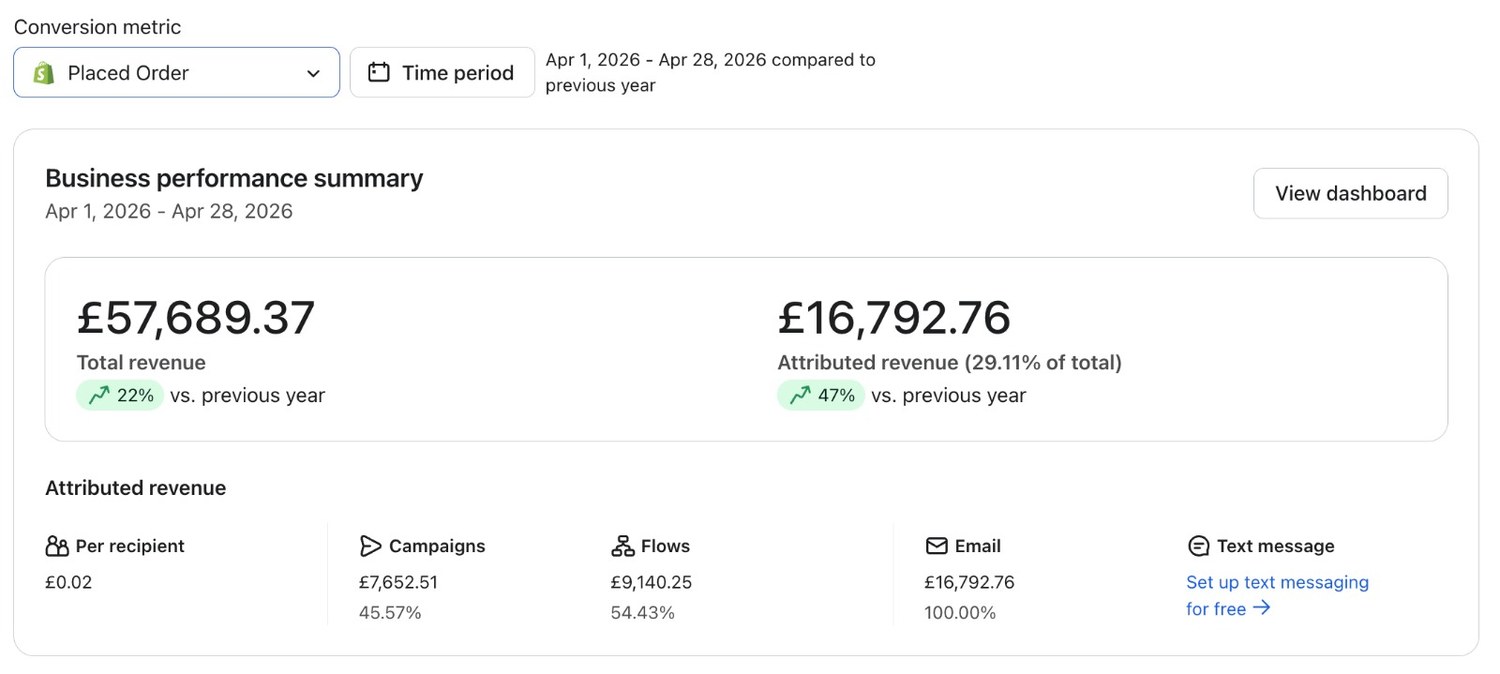
The size of that movement matters less than the fact it's comparable at all. Same window, same method, two points in time. Most brands can't produce that, because the window moved every time somebody new asked for the number.
It's only useful if it changes a decision
First, it sets your acquisition ceiling. What you can afford to pay for a customer isn't what you can afford to pay for an order. Brands that only know the second one bid like they're selling once.

Second, it decides where retention effort is worth spending. Subscriptions and loyalty only pay when a repeat customer is worth materially more than a first-time one, and for supplement brands that gap is usually the whole business.
Three ways brands flatter the number
- Using revenue instead of margin, which counts the cost of goods as profit
- Taking a mean across all customers, so a handful of large accounts carry everybody
- Choosing a window long enough that most of the customers in it haven't finished buying
The median is more honest than the mean, and a cohort is more honest than either. If you take one thing away from this, take the window. The glossary defines the surrounding terms, and they're worth agreeing on before anybody quotes a figure at a board meeting.
A number to run the business on, not to celebrate
Lifetime value gets quoted most often by the people with the least reason to check it. Fix the window, use margin, look at a cohort instead of an average, and the number stops being a slide and starts being a budget. It'll usually be smaller than the one you've been repeating. That's the point.
Related terms
FAQs

What is a good customer lifetime value?
There's no useful answer that applies to another brand, because it depends on your margin, your category and how often people need what you sell. The number worth comparing is your own, measured on the same window as last year, against what it cost you to acquire those customers.
Is customer lifetime value the same as average order value?
No. Average order value is one transaction. Lifetime value counts every transaction a customer makes and takes margin into account. A brand can lift average order value with a bundle and lose lifetime value at the same time, if the bundle stops people coming back as often.
How long should the window be?
Long enough for a typical customer to buy more than once, and short enough that you can act on it. Twelve months suits most ecommerce brands. Whatever you pick, write it down and keep it, because the comparison between one year and the next is the part with any value in it.
Do I need a data team to calculate it?
No. A cohort export from your shop platform and a spreadsheet will do it, and doing it by hand once teaches you more than a dashboard will. Automate it later, when you already know what the number should look like.
Rather we explained it on your own account?
Bring your Klaviyo account to a growth consultation. We'll walk through what this means for your numbers, in plain English, and what we'd fix first.


Half an hour with Theo, our founder.
We're all about relationships built on trust, mutual respect and a shared vision for success. If that sounds like your vibe, let's make some waves together 🌊