The employee spotlight email that is not internal comms in the wrong inbox

Nobody subscribed to meet your operations assistant. They will happily meet the person who packs the parcel, if that changes something for them.
Staff introductions are the campaign most likely to be written for the person in it instead of the person reading it. The fix is simple. Pick somebody whose work your customer experiences directly, then let them explain the part of the job nobody sees.
Does the reader experience this person's work?
Run every candidate through one question. Does a customer touch the output of this person's job? The packer, whoever answers the phone, the buyer who rejects a batch, the technician who tests returns: all yes. The finance manager and the marketing coordinator, however good, are a no.
That's not a judgement about who matters. It's about whether the email has anything to tell your reader beyond a nice photo and a favourite biscuit.
Five questions that produce a usable answer
Left to themselves, most people write a paragraph about how much they love the team. Ask narrow questions instead and the answers come back specific enough to publish more or less unedited.
- What do you check before something leaves here, and what makes you send it back
- What do customers get wrong about this product most often
- What is the hardest order you have handled and what happened
- What would you buy from our range, and what would you never buy
- What has changed about how we do this since you started
Question four produces the best copy and the most nervous marketing manager. Publish the honest answer. A member of staff saying which product isn't for everybody does more for your credibility than any amount of brand voice.
One person, one photograph, one thing they do
The format is short and it's the same every time. Who they are, what they do that affects your reader, one long quote in their own words, and a link to the thing they were talking about. Two hundred words of body copy is plenty.
Photograph them where they work, not against a backdrop. A picture with the warehouse, the bench or the packing table in it carries what three paragraphs about attention to detail carry, and the reader gets it instantly.

Four ways this campaign goes wrong
| The mistake | How it reads | The fix |
|---|---|---|
| A rota of everyone, in order | An internal newsletter that escaped | Only people whose work the customer touches |
| Fun facts and favourite films | Filler, skipped in a second | One thing they do that changes the product |
| Copy written by marketing in their voice | A press release with a face on it | Their own words, lightly cut, never rewritten |
| No link to anything | A pleasant dead end | One route to the product they discussed |
The last row is the one that quietly costs you money. A campaign doesn't have to sell. It does have to give somebody who's now interested somewhere to go.
It's a retention send, not an acquisition one
New subscribers don't care yet. This one performs with people who've bought at least once, where a name and a face attach to an experience they've already had. It's at its best in the quiet weeks between promotional pushes, when you're asking the list for nothing.
It does a job nobody credits it with, too. Subscribers who have met the person who answers support are noticeably easier to deal with when something goes wrong, and over a year that's worth more than the campaign's own revenue line. That's the argument for treating it as part of the lifecycle rather than filler.
Run one a quarter, not one a month. Frequency is what turns it back into internal comms.
Ask your support lead who customers already know by name
Somebody on your team is already being asked for by name in replies. Start there: the introduction has effectively happened already, and the email is only making it official.
Then look at whether any of these people appear anywhere on your site. Usually the about page has a founder and nobody else, so every account we run starts with the same easy win: the people doing the work are invisible to the people paying for it.
Introduce the work, not the org chart
An employee spotlight earns its send when the person in it does something your reader has already experienced without knowing who was behind it. Ask narrow questions, publish the answers in their own words, photograph them at work and link to the thing they talked about. Send it quarterly to people who've bought, and it does quiet work on every conversation that follows.
FAQs

How often should we send employee spotlights?
Quarterly suits most brands. Monthly turns the format into a rota, and subscribers start recognising it before they read it. At that point the open rate tells you what they think. Between promotional pushes is the right slot in the calendar.
What if our team is only two people?
Then it becomes a founder note or a meet the team send, and it still works. Small teams have the advantage here, because the person answering the email really is the person who made the thing, and saying so plainly is the whole campaign.
Should staff write their own copy?
They should answer questions instead of writing copy. Give them five narrow questions, record or collect the answers, then cut for length without changing the words. Anything rewritten into brand voice loses the thing that made it worth sending.
Does an employee spotlight need a call to action?
It needs one route to whatever they discussed, and nothing else. No offer, no secondary banner, no three column footer of categories. The click you want is the one that follows naturally from what the reader just learned.
Show the people behind it
Founders, the team and the decisions nobody outside the business ever gets to see.

The staff picks email, when the shop floor knows the range best
A curated edit chosen by marketing is a promotion. The same edit chosen by the people who handle the returns is something else.
See the campaign
The sourcing email: where it comes from, and why that costs more
Provenance is the argument your competitors cannot copy by spending more on advertising, and most brands leave it on the back of the pack.
See the campaign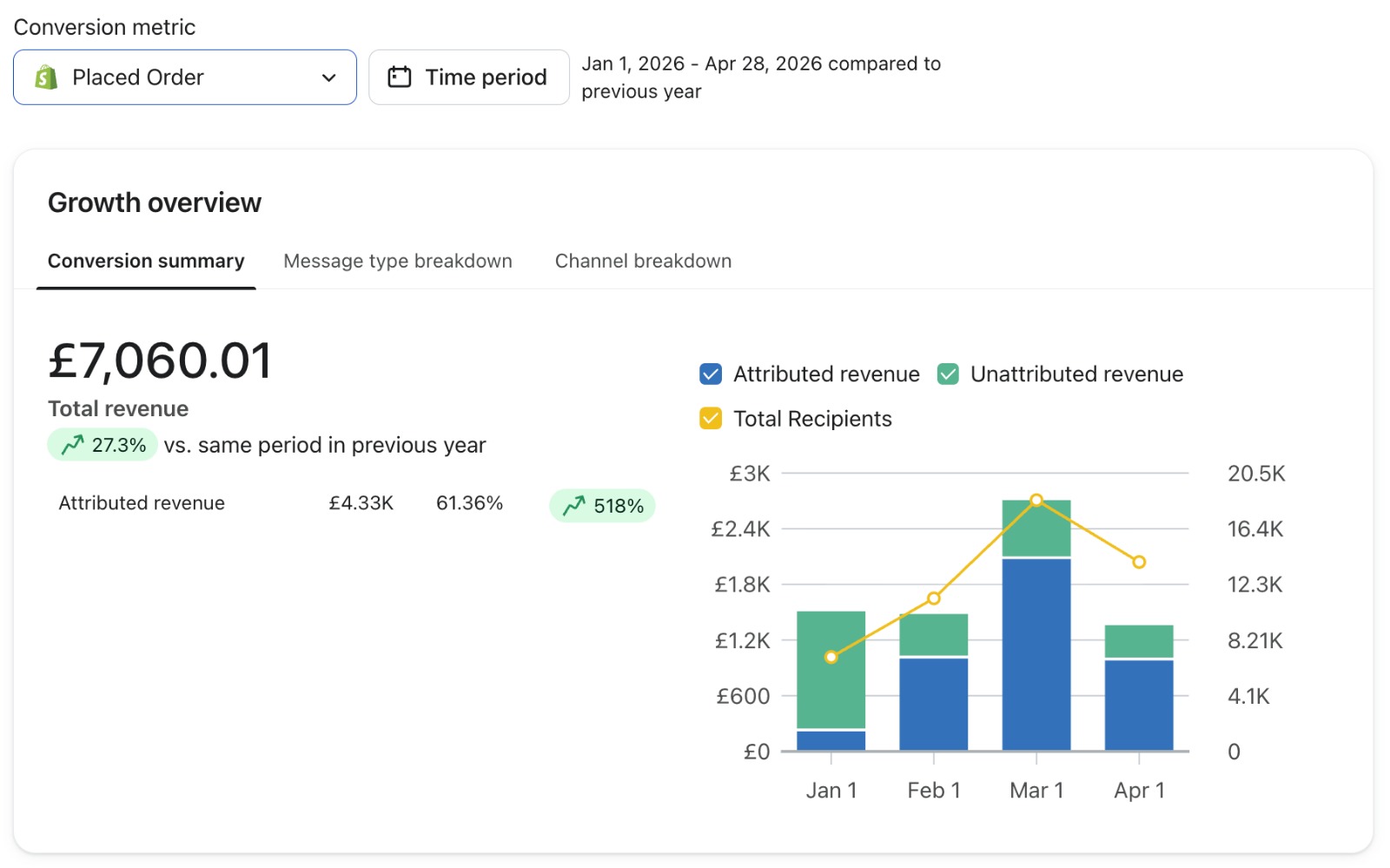
The behind the numbers email: publish your own figures carefully
Publishing real operational numbers to customers is either the most credible campaign you'll send or the one you regret. Depends which numbers.
See the campaignRather we planned the campaigns for you?
Bring your Klaviyo account and next quarter's calendar. We'll tell you which of these sends your list is missing, and which one we'd run first.


Half an hour with Theo, our founder.
We're all about relationships built on trust, mutual respect and a shared vision for success. If that sounds like your vibe, let's make some waves together 🌊