The before and after email, for products whose proof is visual

Two photographs, honestly taken, out-argue any paragraph you could write about the same result. The work is in the honesty.
Some products can be described. Others have to be shown. Cleaning, grooming, repair, storage, skincare and anything that tidies a mess all sit in the second group, and for those the before and after send is the best non-promotional campaign you've got.
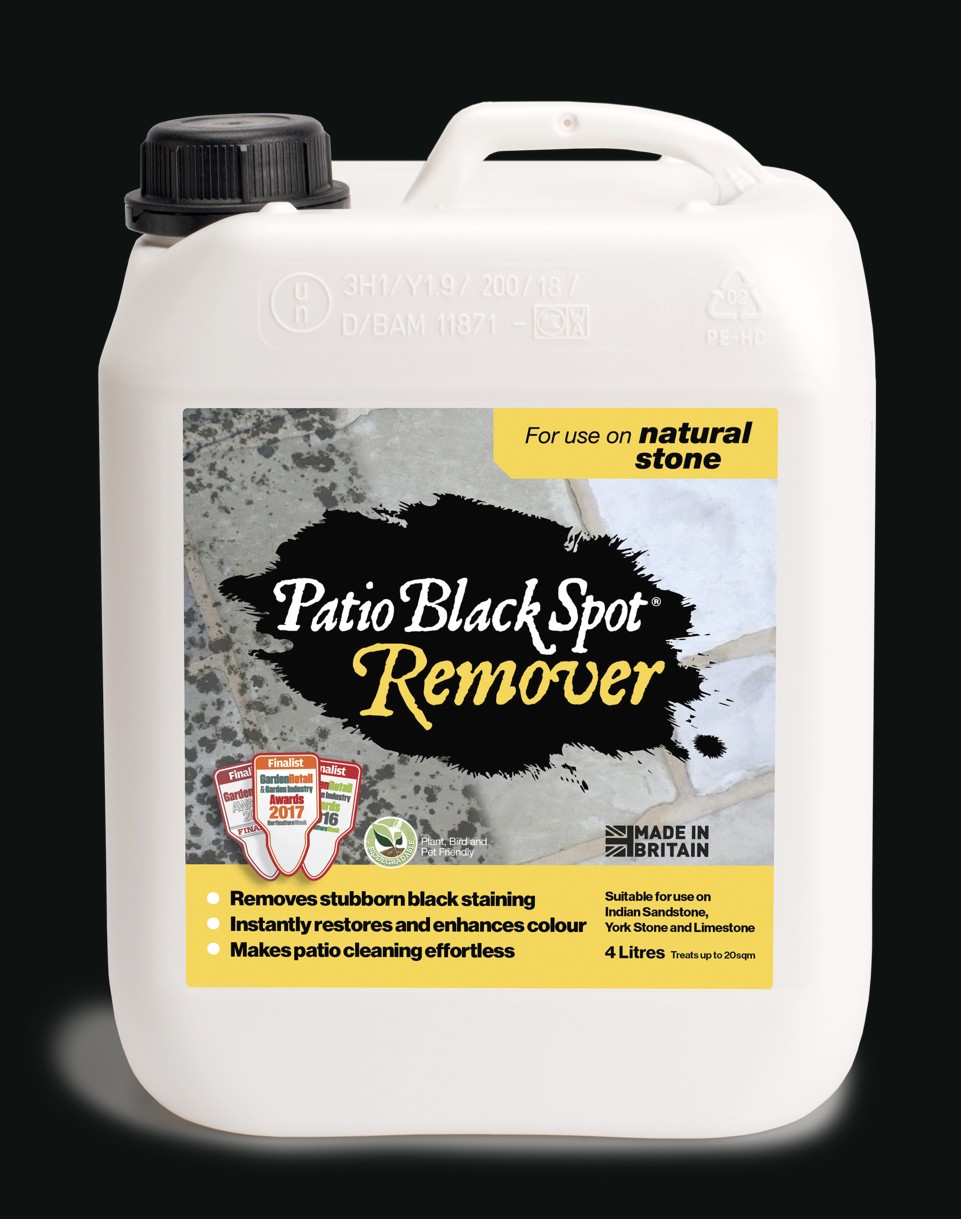
The comparison happens before the reader has decided to read
A paragraph asks somebody to decide to start reading. A pair of photographs doesn't. The eye compares the two states before any conscious choice gets made, and that's why this format survives being opened on a phone, half read, at speed.
All of that goes the second the pair looks staged. Different lighting, a different angle, a suspiciously tidy second frame, and the reader stops looking at the result and starts hunting for the trick.
Customer pairs beat studio pairs, every time
Your own photography will be better lit and less convincing. A customer's kitchen, their patio, their van, their bad phone camera: all of it reads as real in a way a studio set never will.
- Ask in the post purchase sequence, at the point the result would have happened, not the day the parcel arrived
- Ask for both frames explicitly, because most people only think to photograph the after
- Give one instruction that improves the pair, which is to stand in the same place both times
- Get permission in writing in the same thread, and ask whether they mind their first name being used
- Keep an archive with the product and the elapsed time recorded against each pair
The elapsed time matters more than anything else in that record. A result after one application and a result after six weeks are different claims, and the email has to say which one you're showing.
State the conditions, or the pair works against you
Every before and after email should carry the boring details. How long, how many applications, what else was involved, what the result doesn't cover. It feels like you're weakening the campaign. You're doing the opposite.
Readers in these categories have been shown doctored pairs for years and turn up suspicious. Naming the conditions is the fastest way to be the brand that isn't doing that, and it's the difference between a result people believe and one they scroll past.
It protects you too. A pair with no conditions attached is an implied promise about typical results, and typical is a word you have to be able to defend if anybody asks.
Stack them, don't slice them
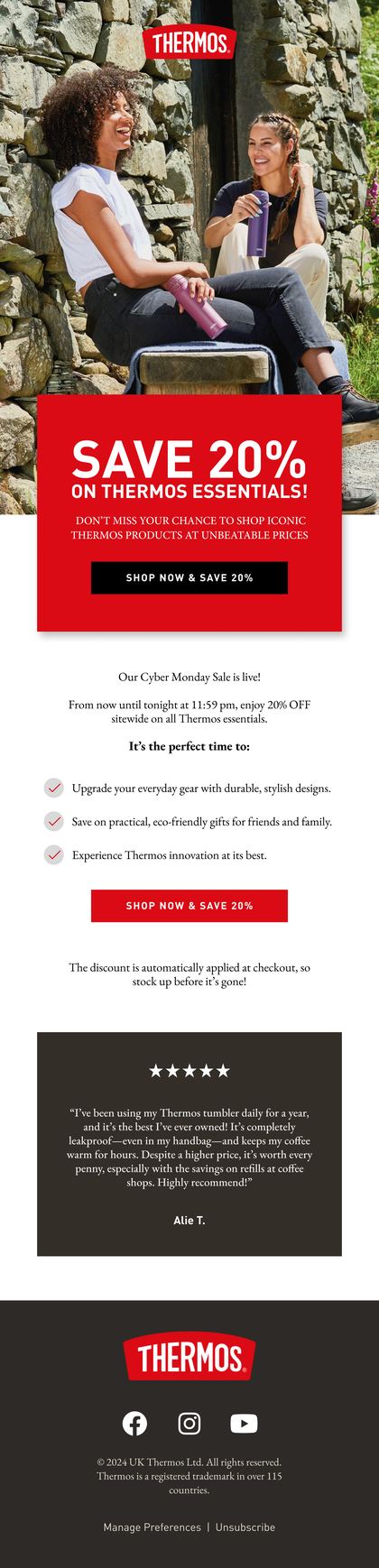
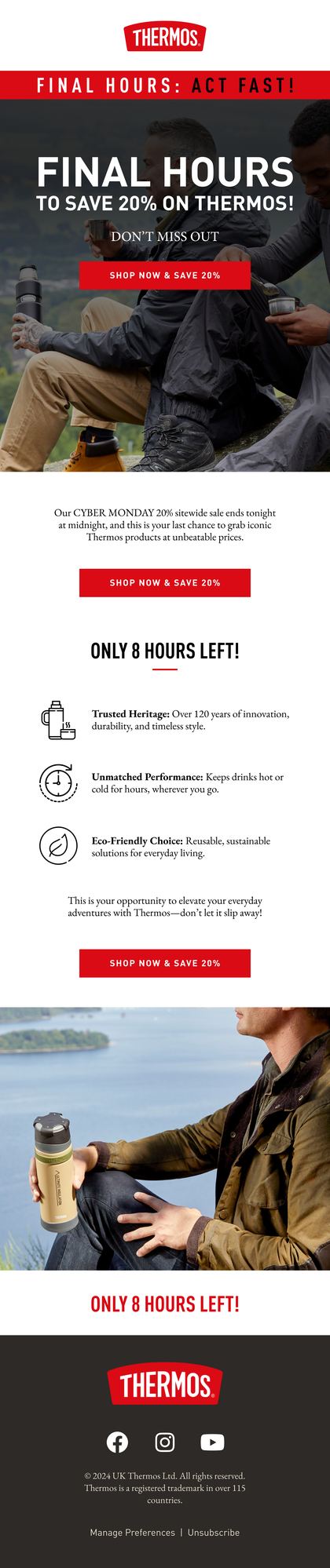
Side by side halves are the default and they're the wrong call on a phone, where each image ends up too small to read. Stack the pair full width with a short label on each, or use one image with a clean vertical split where the subject is the same frame.

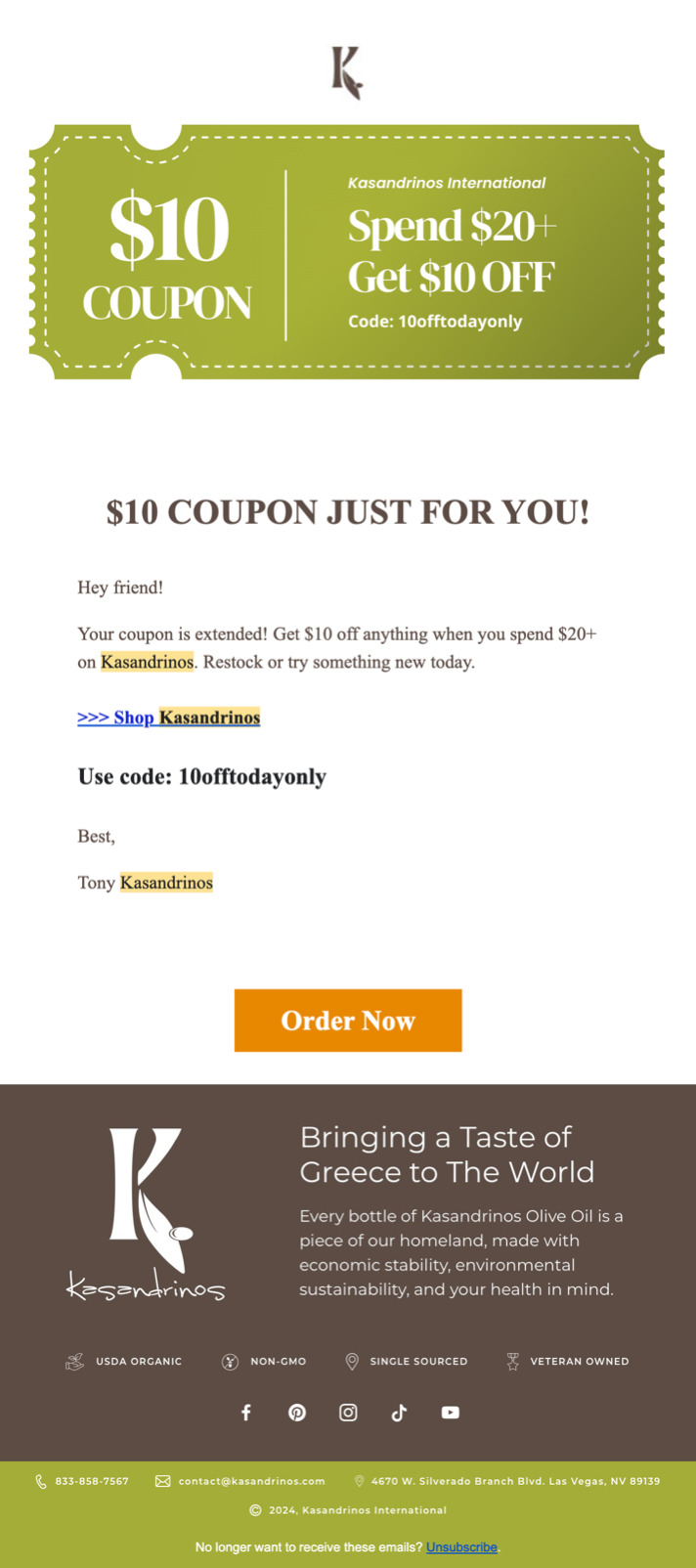
Those two are our own before and after, of a client's welcome email, not a product. The format's doing exactly what it does in a product campaign: the difference registers in about a second, and only then does anybody read the labels.
It's a campaign and it belongs in a flow
Run it as a campaign to browsers and lapsed subscribers, then lift the best pair into the automated sequence where the same doubt shows up. In most accounts that's the second or third email of the abandonment sequence, where the objection is whether the thing actually works.
The abandoned cart flow is where a proof pair earns most, because it's read by somebody who's already picked the product and is looking for a reason to go ahead. Patio Black Spot Removal is the account where this format does the heaviest lifting, for the obvious reason that the result is the entire product.

Count the pairs you already have
Search your inbox, your reviews and your social mentions for customer photographs, then count the usable pairs you've got today. Most brands in these categories are sitting on dozens and have used none of them, because nobody was ever made responsible for collecting them.
If the answer is none, the fix is one line added to the post purchase sequence asking for both frames. Six weeks later you've got a campaign. After that you've got one every month without asking again.
Show the result, then say what it cost
The before and after email is the most persuasive format available to any brand whose product changes how something looks, and the easiest to ruin. Collect the pairs from customers instead of staging them, publish the conditions alongside the pictures, and stack them so the comparison works on a phone. Do that and the campaign carries an argument no amount of copy could make on its own.
FAQs
How do we ask customers for before and after photographs?
In the post purchase sequence, timed to when the result would have happened not to delivery. Ask for both frames explicitly, tell them where to stand, and sort permission out in the same conversation. Most people say yes and quite enjoy being asked.
Is it legal to show a customer result without a disclaimer?
You need to be able to stand behind whatever the pair implies. Stating the elapsed time, the number of applications and anything else involved is the practical version of that, and it convinces more than a disclaimer in small type under the images.
What if our product does not have a visual result?
Then it's the wrong format, and forcing it gives you the staged look that damages trust. A use case send or a testimonial does the same job for products whose difference is felt, not seen.
Can we use the same pair more than once?
Yes, and you should. A strong pair belongs in the campaign, in the abandonment sequence and on the product page. What you can't do is run the same pair as a fresh campaign twice. Subscribers remember images far better than they remember copy.
Let your customers do the selling
Reviews, results and other people's words, used to settle the doubt that was stopping the order.
The UGC email, and the permissions conversation nobody has first
Customer photographs outperform studio photography in almost every test, and using them without asking is how brands end up apologising.
See the campaign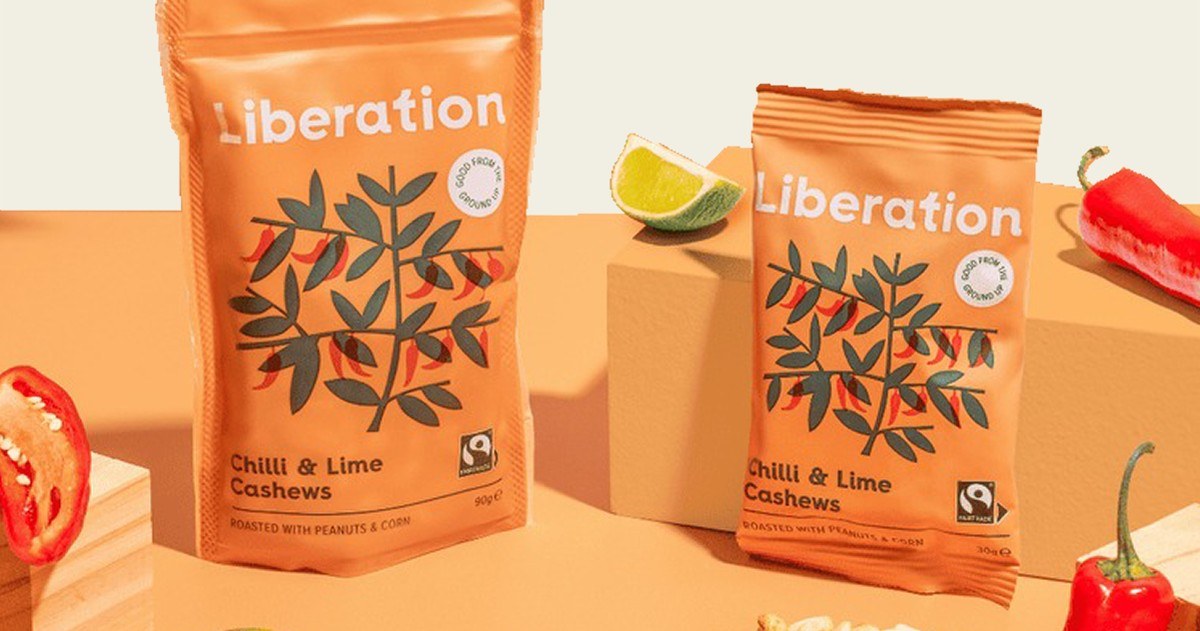
The community spotlight email, when your customers already talk to each other
Some categories have a conversation running whether you join it or not. Pointing at it beats trying to start one.
See the campaign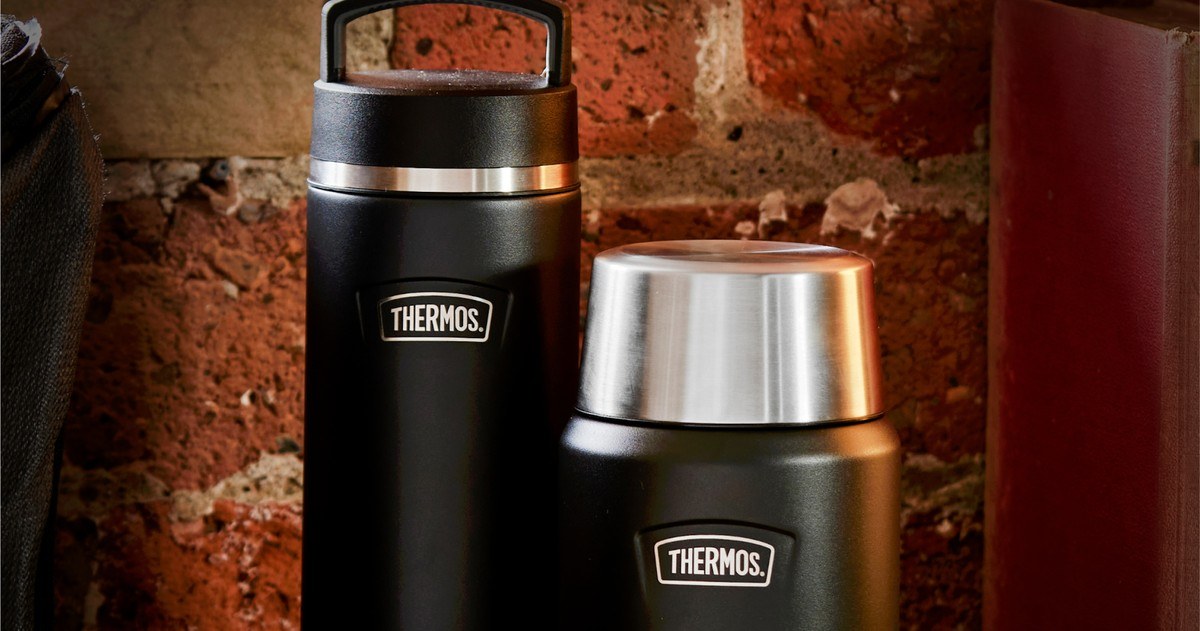
The press roundup email: borrowed credibility, spent properly
A logo bar of publications proves you have a publicist. A quoted sentence from a journalist who tested the thing proves something else entirely.
See the campaignRather we planned the campaigns for you?
Bring your Klaviyo account and next quarter's calendar. We'll tell you which of these sends your list is missing, and which one we'd run first.


Half an hour with Theo, our founder.
We're all about relationships built on trust, mutual respect and a shared vision for success. If that sounds like your vibe, let's make some waves together 🌊