The community spotlight email, when your customers already talk to each other

Some categories have a conversation running whether you join it or not. Pointing at it beats trying to start one.
Here's the hard truth: most brand communities are built for people who never asked for one. The community spotlight works the other way round. It finds the conversation your customers are already having and puts it in front of the ones who didn't know it was there.
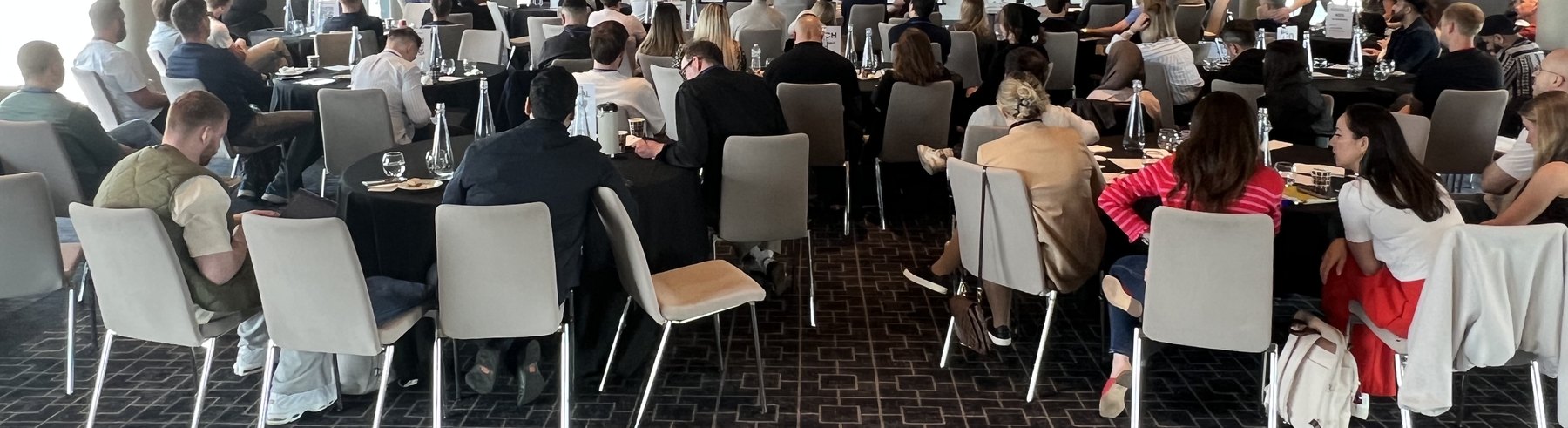
You can't spotlight a community you haven't got
First question: do your customers talk to each other about the thing your product is for? Not about your brand, which is rare, but about the activity. The hobby, the trade, the condition, the breed, the sport.
If that conversation exists, you've got something to point at. If it doesn't, this campaign turns into a group chat nobody joins and a monthly email about how much everybody loves the product. Worse than sending nothing.
Their work, their questions, their arguments
- Something a customer made, built, grew, fixed or achieved with your product somewhere in the background
- A question somebody asked the group, with the best answers the group gave, credited
- A disagreement, presented as a disagreement, because the sanitised version fools nobody
- A group or an event that has nothing to do with you and everything to do with what you sell
The fourth one is what buys you credibility. A brand promoting a meet-up it isn't running, or a forum it doesn't own, is behaving like a member instead of an advertiser. Your list can tell the difference.
Ask, name, link, and never crop the person out
Permission isn't optional and a public post isn't permission. Ask directly, say exactly where it'll appear, and offer to leave the name off if they'd rather. Almost everybody says yes, and a fair few improve the story once they're asked.
Link to the person's own page or profile where they've got one. Yes, it costs you a click out of your email. That's the price of featuring somebody honestly, and it's the reason the next person says yes.
Monthly works here, unlike most of these formats
Community content is one of the few campaign types that gets better with regularity, because people start submitting once they know the slot exists. Give it a fixed spot in the month and a name they'll recognise.
| Signal | What it means |
|---|---|
| Submissions arriving unprompted | The slot has become the community's, not yours |
| Replies with questions for other readers | You have a conversation and should host it properly |
| Silence after three sends | There is no community here and the format should stop |
Where submissions do arrive, the natural next step is a channel with a lower barrier than email. WhatsApp and SMS carry that traffic better than a newsletter reply address, and the email becomes the monthly round-up of what happened there.
Don't turn the community into an audience
The quickest way to kill this campaign is to start selling into it. A community spotlight with a promotional block underneath tells everybody featured that they were content, and submissions stop within two sends.
Keep it clean and let it do the job it does, which is retention and not revenue. The smaller brands we work with get more out of this format than the big ones, because their customers can plausibly know each other.
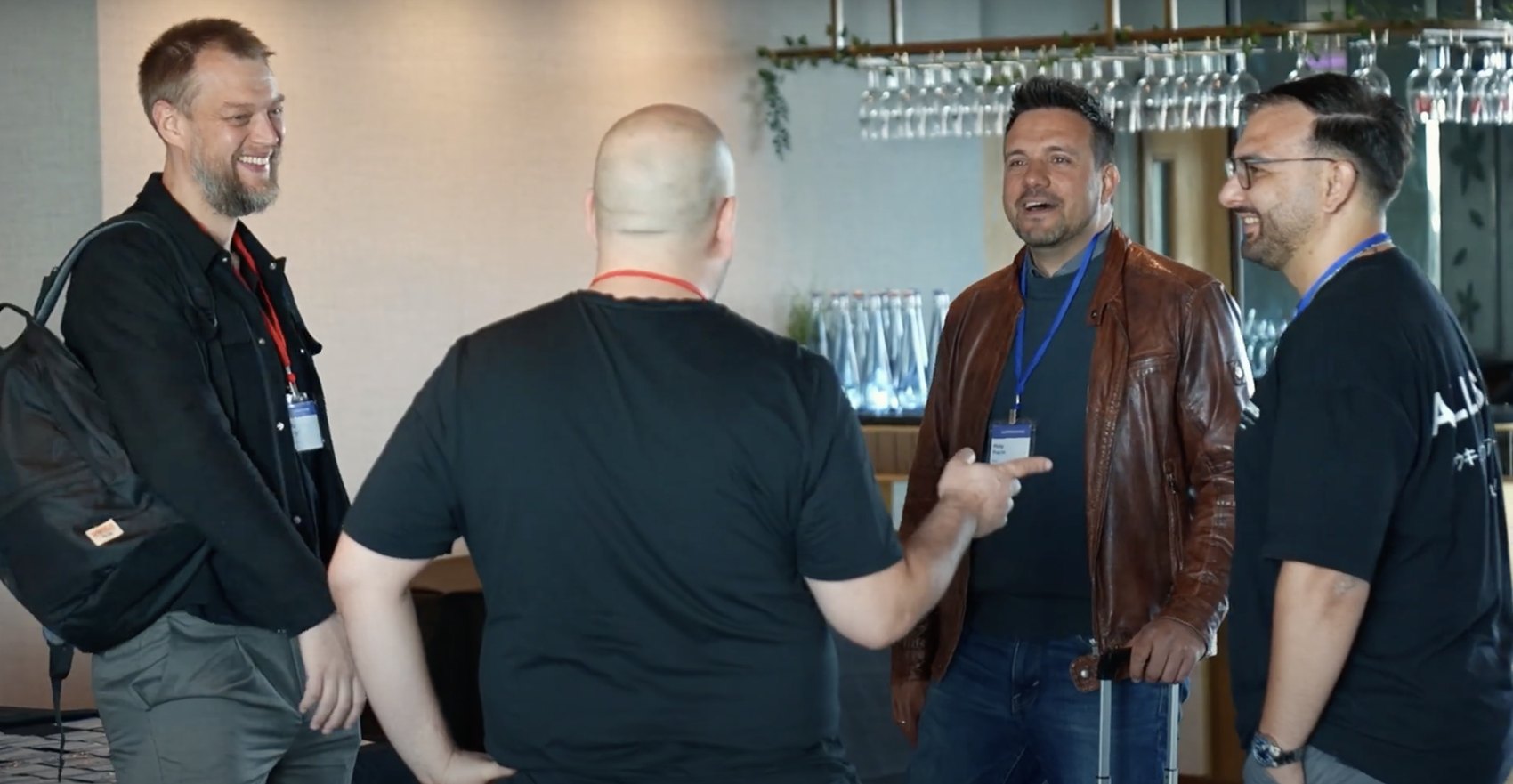
Find where your customers already talk
Search your product category alongside the words forum, group and subreddit, then read for an hour without posting a thing. You'll learn more about the objections in your market than a survey would tell you, and you'll find your first three features.
If those places don't exist, accept it. Not every category has a community, and the honest alternative is a customer spotlight, which needs one person instead of a crowd.
Point at the conversation, don't host it
A community spotlight is worth running when your customers are already talking to each other about the thing your product serves. Feature their work and their questions, credit them properly, link out even when it costs you the click, and keep every promotional block out of it. Where the conversation doesn't exist, don't manufacture one. A community that has to be advertised into being never turns up.
FAQs

How do we know if we have a community?
Look for conversation that happens without you. A forum, a group, a hashtag or a regular meet-up where people talk about the activity, not about your brand, is a community. An engaged mailing list is an audience. Valuable, and completely different.
Should we start a group ourselves?
Only if people are already asking you for somewhere to talk. Groups started by brands with no existing conversation tend to sit empty, and that looks worse than never having tried. Point at what exists first, then see what comes back.
Can we feature customers without asking?
No. A public post isn't permission to put somebody in a marketing email, and being featured with no warning is the quickest way to lose the person you were trying to celebrate. Ask, say where it'll appear, and take a no gracefully.
Does community content sell anything?
Not directly, and it shouldn't try. What it does is hold on to people who'd otherwise drift, and it produces the raw material for every other proof based campaign in your calendar. Judge it on retention and on submissions, not on attributed revenue.
Let your customers do the selling
Reviews, results and other people's words, used to settle the doubt that was stopping the order.

The press roundup email: borrowed credibility, spent properly
A logo bar of publications proves you have a publicist. A quoted sentence from a journalist who tested the thing proves something else entirely.
See the campaign
The award announcement email that is about the reader, not the trophy
An award is a fact about you. The campaign only works once it becomes a fact about the product somebody's deciding to buy.
See the campaign
How to send an us vs them email without naming a competitor
The comparison send works when it argues with the way something is normally done, not with a brand you would rather nobody had heard of.
See the campaignRather we planned the campaigns for you?
Bring your Klaviyo account and next quarter's calendar. We'll tell you which of these sends your list is missing, and which one we'd run first.


Half an hour with Theo, our founder.
We're all about relationships built on trust, mutual respect and a shared vision for success. If that sounds like your vibe, let's make some waves together 🌊