The award announcement email that is about the reader, not the trophy

An award is a fact about you. The campaign only works once it becomes a fact about the product somebody's deciding to buy.
Award emails get written by people who are pleased and read by people who aren't. The fix is simple. Spend one line on the news and the rest on what the award was judged against, because that's the only part with any bearing on a purchase.
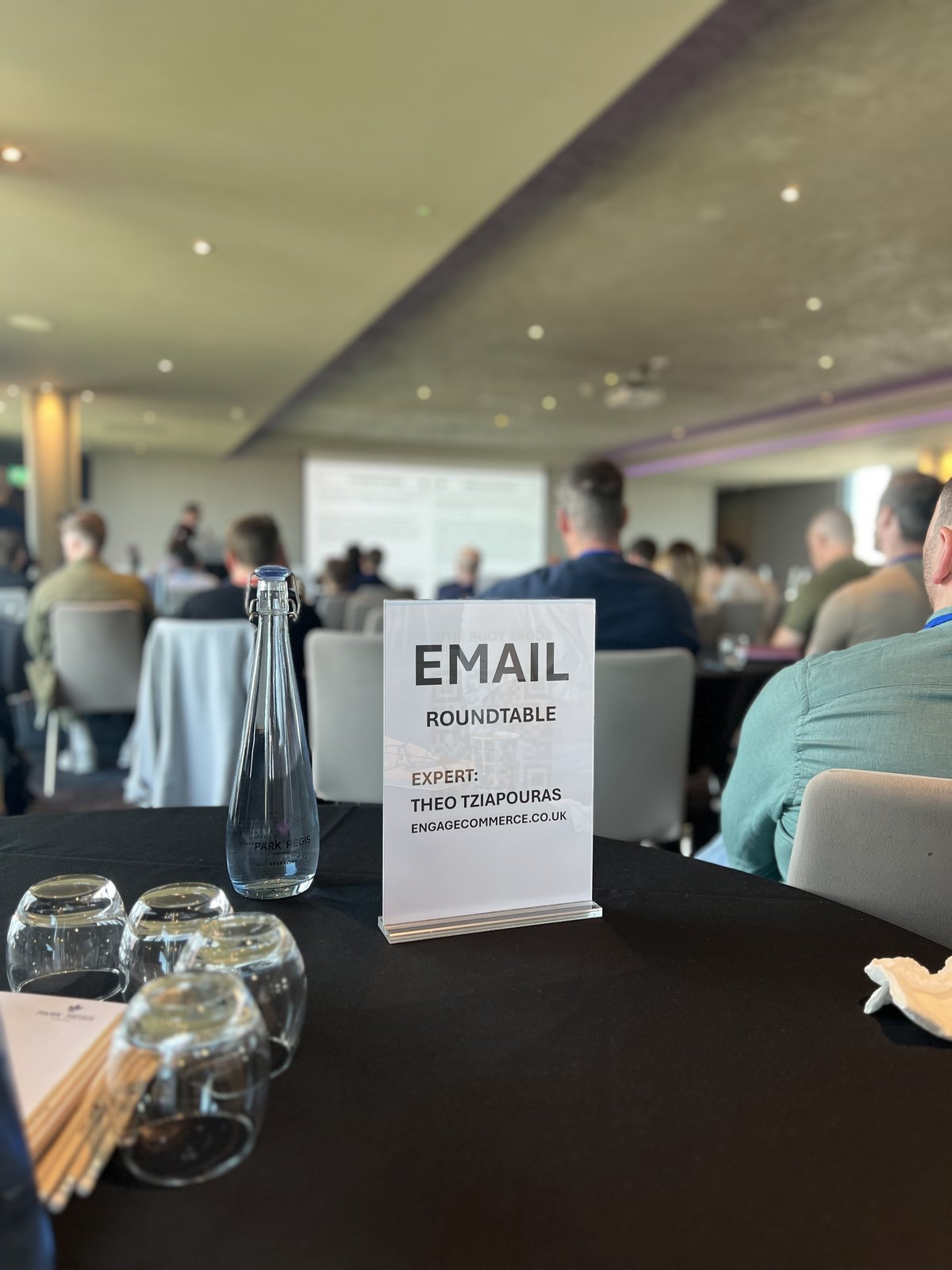
Nobody cares that you won, they care what it was judged on
Your reader's honest reaction to an award announcement is indifference, and that isn't rudeness. Awards are opaque, there are a great many of them, and most customers can't tell the serious ones from the ones you pay to enter.
What's worth reading is the criteria. If a panel tested durability over six months, or blind tasted forty entries, or walked round the factory, then the award is a compressed product review and the email should be about the test.
That single swap is the whole rewrite. The news goes in a line, and the judging carries the send.
One line of news, then the interesting part
- The award, named, in one sentence with no adjectives
- Who judged it and what they actually did to reach a decision
- What was being compared, and roughly how many entries there were
- The thing about the product that won it, described in detail
- Where the reader can go and see that thing for themselves
Items two and three are the ones everybody skips, and they're the only reason a stranger reads on. An award decided by a public vote is a popularity result, so say that.
Hand it to the people who made it possible
Every award has somebody behind it who isn't the marketing team. The person who insisted on a slower process, the supplier who takes the returns back, the customer who reported the fault that led to the redesign. Naming them turns a boast into a story.
Where customers voted for it, that's more direct again. The email becomes a thank you with a result attached, which is a far easier thing to read than an announcement.
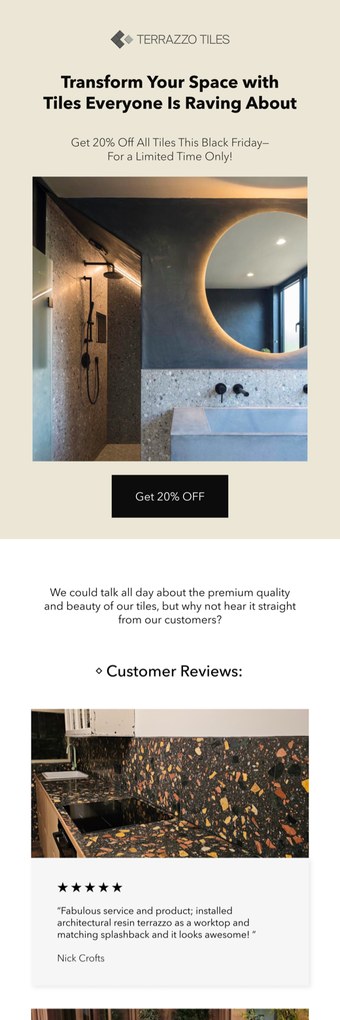
Four habits that make the send worse
| Habit | How it reads |
|---|---|
| A photograph of the trophy | An internal moment, published |
| Delighted, thrilled, honoured | A press release the reader did not request |
| A discount to celebrate | The award was an excuse for a sale |
| Six awards listed at once | None of them means very much |
One exception to the discount rule: where the award created a genuine constraint, like a limited batch that was the thing judged. That's a stock story, not a celebration, and it's honest.
The award has a longer life than the announcement
One send is the smallest part of the value. The criteria belong on the product page, the judging detail belongs in the abandonment sequence where it answers a quality doubt, and the badge belongs wherever your price is being compared. One piece of writing, three places it keeps working.
Put a date next to it and keep that date accurate. An award from four years ago presented as current is a small dishonesty that costs more than the award was worth, and a page audit will usually turn up several.
Write the judging criteria in one sentence
Try describing how your most recent award was judged, without looking it up. Can't do it? Then the award probably doesn't carry the weight the announcement implies, and the campaign will be asking the reader to be impressed by a logo.
If you can do it, that sentence is your subject line and most of the email. Everything else is context, and the trophy photograph can stay in the office with the rest of the internal news.
Send the criteria, not the celebration
An award announcement earns attention only when it's rewritten as evidence. Name it once, explain who judged it and what they did, describe the thing about the product that won, give the credit to the people who made it possible, and leave the discount out of it. Then move the criteria onto the pages where somebody's comparing you with an alternative, which is where an award has always been worth the most.
FAQs

Should we send an email for every award we win?
No. One or two a year, for awards whose judging you can describe, is plenty. A list of six recognitions in one send devalues all of them, because the reader quietly concludes that awards in your category are easy to come by.
What about awards you pay to enter?
Plenty of respectable awards charge an entry fee, so the fee isn't the problem. What matters is whether there was a real judging process. If everybody who entered got something, don't build a campaign on it.
Can we use the award logo in emails and on the site?
Usually yes, within the organiser's guidelines, and always with the year shown. Where a licence has a term, put the expiry in the diary. Logos have a habit of outliving their permission on product pages and packaging.
Is a customer voted award worth announcing?
Yes, and frame it as a thank you, not a verdict on quality. Say plainly that it was voted for, thank the people who did it, and resist calling it an independent endorsement, because it wasn't one.
Let your customers do the selling
Reviews, results and other people's words, used to settle the doubt that was stopping the order.
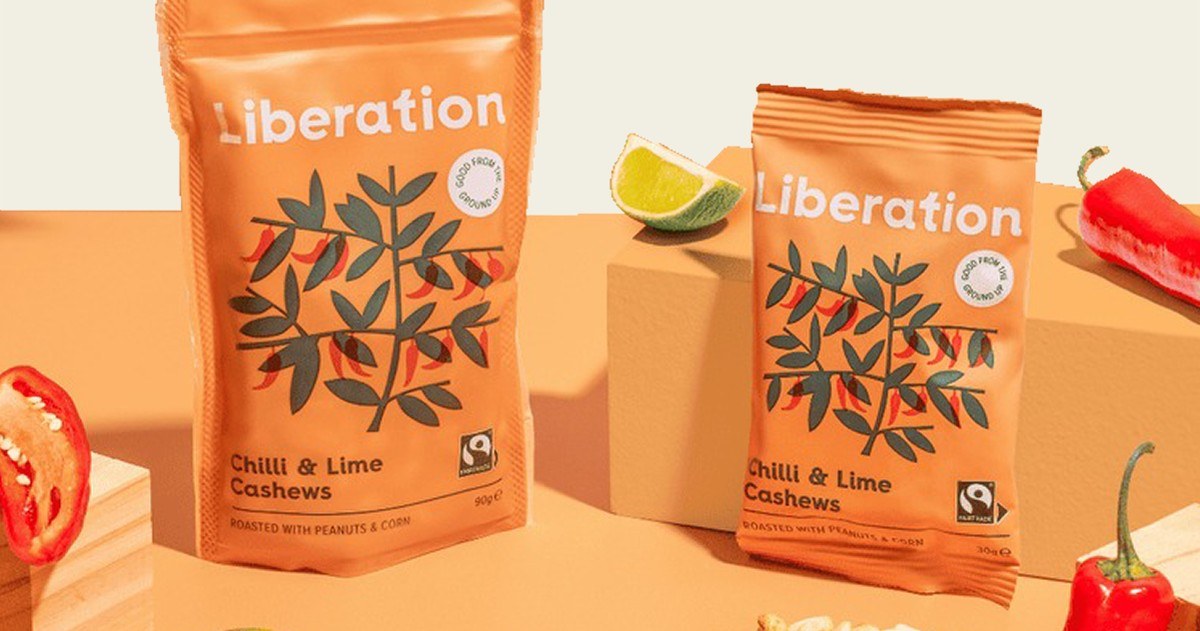
How to send an us vs them email without naming a competitor
The comparison send works when it argues with the way something is normally done, not with a brand you would rather nobody had heard of.
See the campaign
The risk reversal email: sell the guarantee, not the product
Most brands publish a returns policy and never mention it again. Sent as a campaign, the same terms answer the objection nobody writes in.
See the campaign
How to build a testimonial email a sceptical reader believes
Star ratings persuade nobody. One customer, quoted at length, answering the objection that was already stopping the sale, is a different email.
See the campaignRather we planned the campaigns for you?
Bring your Klaviyo account and next quarter's calendar. We'll tell you which of these sends your list is missing, and which one we'd run first.


Half an hour with Theo, our founder.
We're all about relationships built on trust, mutual respect and a shared vision for success. If that sounds like your vibe, let's make some waves together 🌊