The use cases email for a product people only use one way

Most customers find one use for a product and stop looking. Every additional one you show them is a reason to buy a second.
A customer who uses your product in one situation buys one. Same product, four situations, and they buy more, replace it sooner and tell more people. Move people from the first group into the second. That's the whole job of this email, and the material for it comes from your customers.

A second use is worth more than a discount
Somebody finds a second use for the thing they bought. Watch what happens next. They need it more often, it runs out sooner, and they start wanting another one for a different room, a different car or a different person.
That's real new demand. A discount only moves next month's revenue into this one. This doesn't expire either, because a use somebody has worked out for themselves stays worked out.
Your customers have already invented the good ones
You invent use cases in a meeting. Your customers invent them because they needed something and improvised. Theirs are better, and they're sitting in your reviews and your social mentions right now, waiting to be picked up.
- Reviews that open with I actually bought this for something else
- Photographs where the product is somewhere you didn't expect it to be
- Support questions asking whether it'll do a job you never intended
- Anything a trade or professional customer does with it, because they use products harder than anybody
Where the answer to can I use it for that is no, say so in the same email. Put in one thing your product isn't for and the reader believes everything else on the page. Costs you a line.
Four uses, one photograph each, no explanation of the product
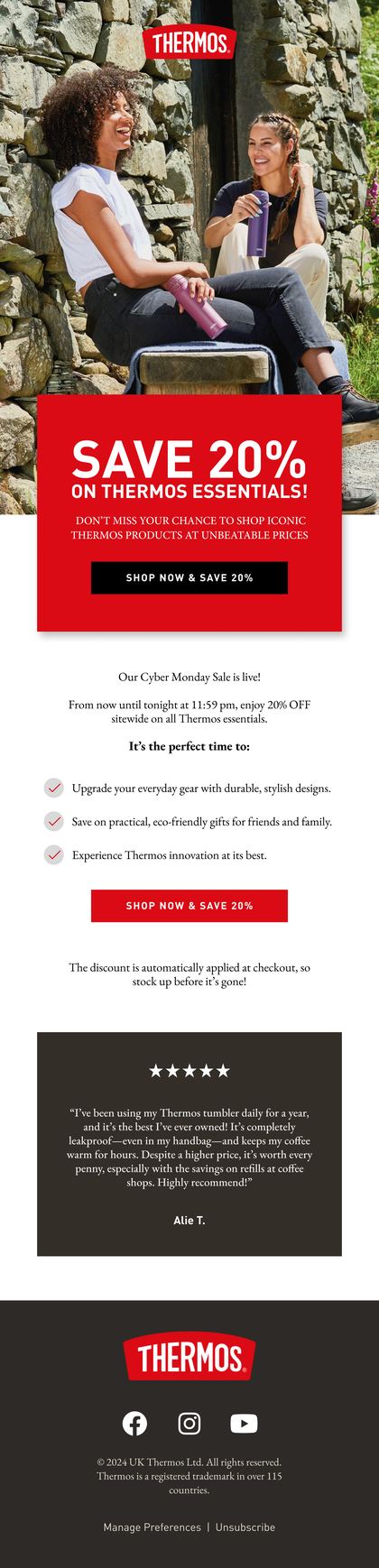
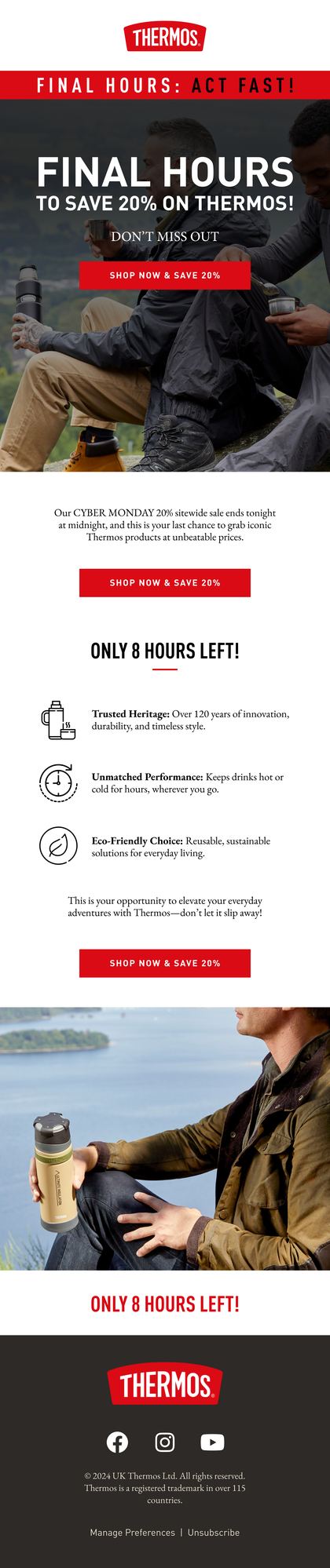
They already own it, or they've already looked at it. So don't sell it to them again. Four pictures of it doing four different jobs, a line under each, and nothing else in the email.
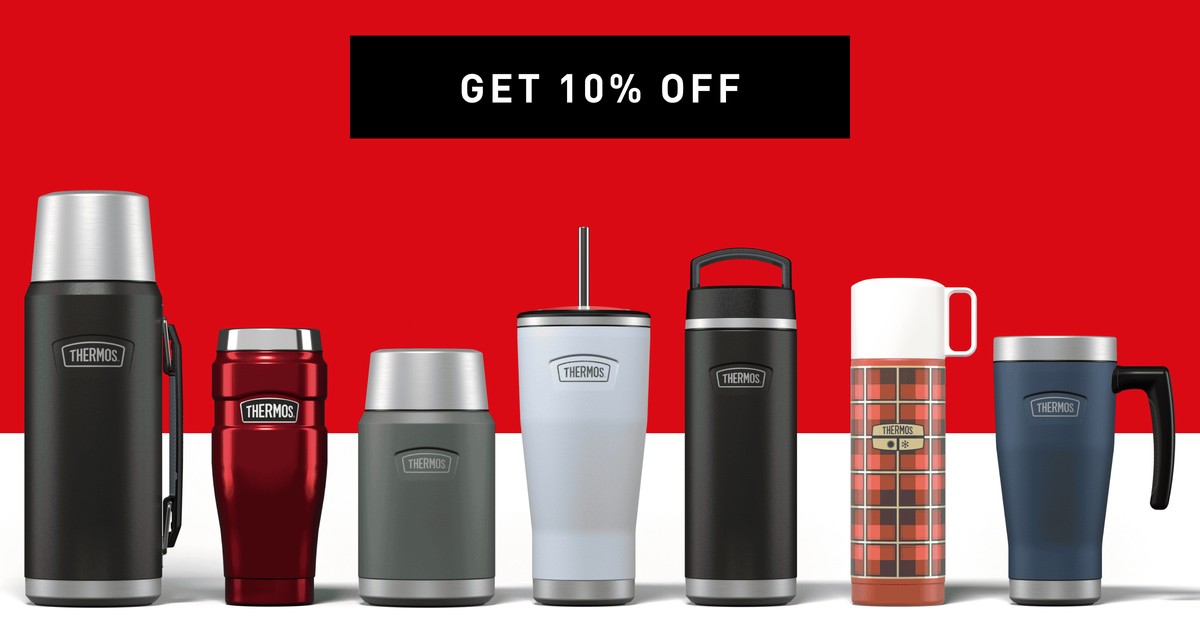
Photograph the use, not the product. A flask on a white background is a catalogue image. That same flask on a scaffold, in a hospital bag or propped beside a fishing rod is a use case, and it's the context doing all of the work.
This is a customer email, not an acquisition one
| Segment | What the email does | What follows |
|---|---|---|
| Bought once, some weeks ago | Suggests a second situation | A second unit or a related product |
| Bought several times | Confirms they're using it well | The range they haven't tried |
| Browsed, never bought | Answers when would I use this | The product page, once |
- The least obvious use first, because that's the one that gets read
- One that only works in a particular season, so the email has a reason to arrive now
- One a trade customer taught you, credited to them
- One that's a stretch, flagged as a stretch, because being honest about the edge sells the middle
Sent to customers, this is the honest version of a cross sell. It earns the recommendation by being useful first, and that's why it beats a direct cross sell send to the same list.
Ask for the next one in the email itself
Close with a question, not a button. Ask what they use theirs for that you haven't shown. The replies are your next campaign, and they arrive from people who've just spent a minute thinking about your product.
Run it twice a year per product family and the archive builds itself. In the homeware and outdoor accounts we run the fourth or fifth of these is usually better than the first, because by then every use in it came from a customer.

Search your reviews for the word also
Also. And. Another. Those are the words that turn up just before an unplanned use, every time. Search your review export for them and you'll find the situations your product has been quietly recruited into.
Pick the four least obvious, photograph them properly, and send it to everybody who's bought once. Cheapest second order campaign there is. And it's almost always missing from the accounts we take over.
Show the fourth use and the second order follows
The use cases email is demand creation dressed up as product education. Collect the uses your customers invented instead of inventing your own, photograph the situation and not the product, put in one thing it isn't for, and send it to people who have already bought. Then ask what you missed. The next one writes itself, and the one after that is better again.
FAQs

How is this different from a cross sell email?
A cross sell recommends another product. A use case shows another situation for the one they already own, and the second order follows on its own instead of being asked for. It works better with recent customers, who resent being sold to too soon.
How many use cases should one email show?
Three or four, each with its own photograph. More and it turns into a catalogue, where the reader stops registering the individual situations. If you've got twelve, that's three campaigns spread across the year, not one long one.
What if our product genuinely has one use?
Then show the variations inside it: different conditions, different seasons, different users, different scales of the same job. A product with one use still has a range of circumstances around it, and those circumstances are what the email shows.
Should we include products in the email that support each use?
One link per use at most, and only where a different product genuinely suits that situation better. The moment every use case turns into a product tile, the email reads as a catalogue and loses the credibility it was built on.
Teach the product
The sends that make what you sell easier to choose, use and look after.
The comparison chart email for a range nobody can choose between
When two of your own products look interchangeable, the customer settles it by buying neither. A chart is how you unblock that.
See the campaign
The style guide email for anything bought on how it looks
Customers hesitate because they cannot picture the thing in their own life. A styling email answers that better than any specification.
See the campaign
The FAQ email campaign: send the answers support keeps repeating
Every question your support inbox answers twice a week is a question the silent majority had and never asked.
See the campaignRather we planned the campaigns for you?
Bring your Klaviyo account and next quarter's calendar. We'll tell you which of these sends your list is missing, and which one we'd run first.


Half an hour with Theo, our founder.
We're all about relationships built on trust, mutual respect and a shared vision for success. If that sounds like your vibe, let's make some waves together 🌊