The style guide email for anything bought on how it looks


Customers hesitate because they cannot picture the thing in their own life. A styling email answers that better than any specification.
In fashion, homeware, jewellery, interiors and anything else bought on how it looks, the blocker is rarely quality or price. It's whether the thing will work with what they already own. A styling email is the only format that answers that one head on.
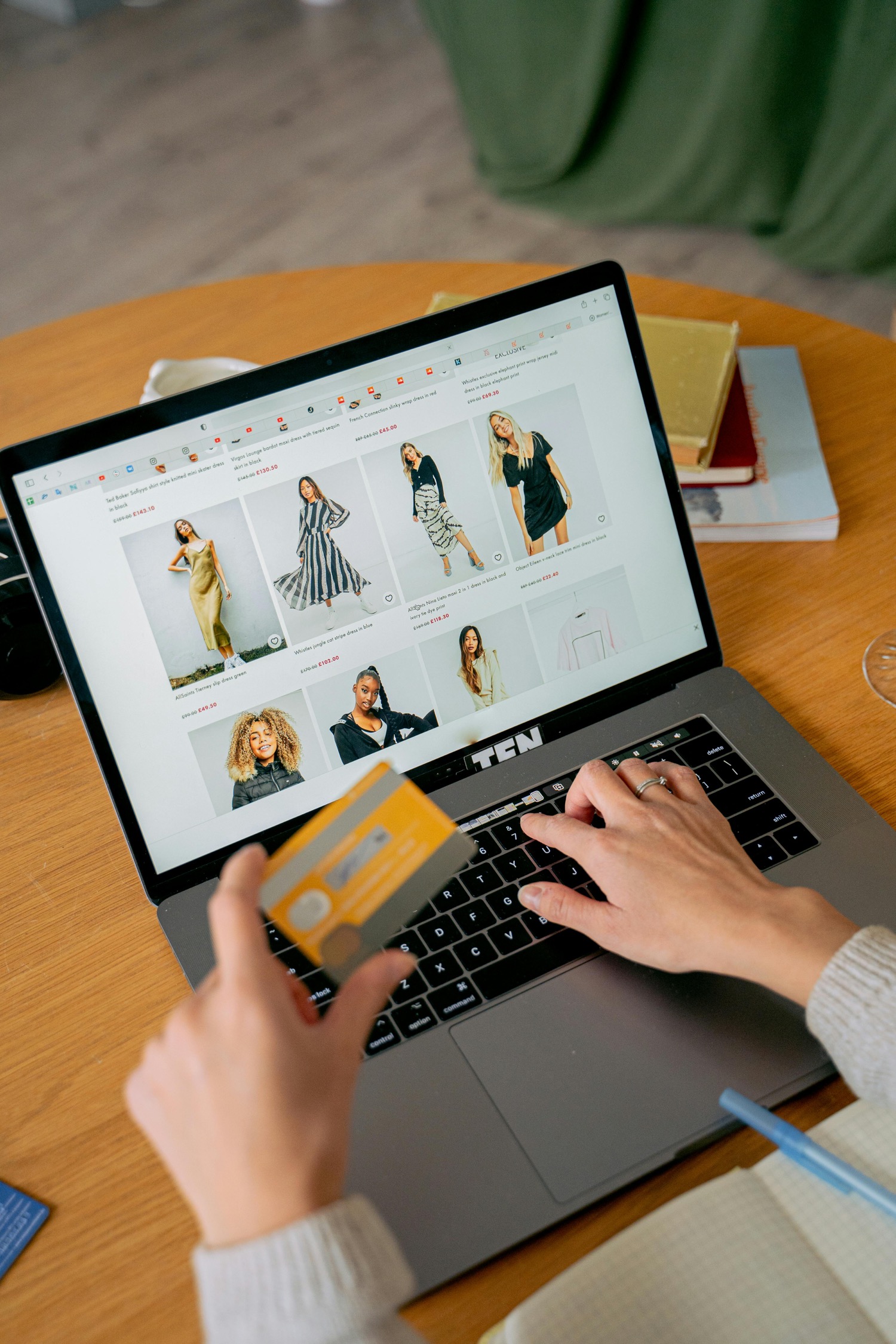
They can't picture it in their own house
Your product shot on white tells them what it is. Nothing about whether it'll work. The hesitation is about context: what it sits next to, what it goes with, whether it'll look out of place beside the things they already own.
One photograph of it being worn or used in an ordinary room settles more doubt than a page of specification. That's the whole observation, and this campaign is built out of it.
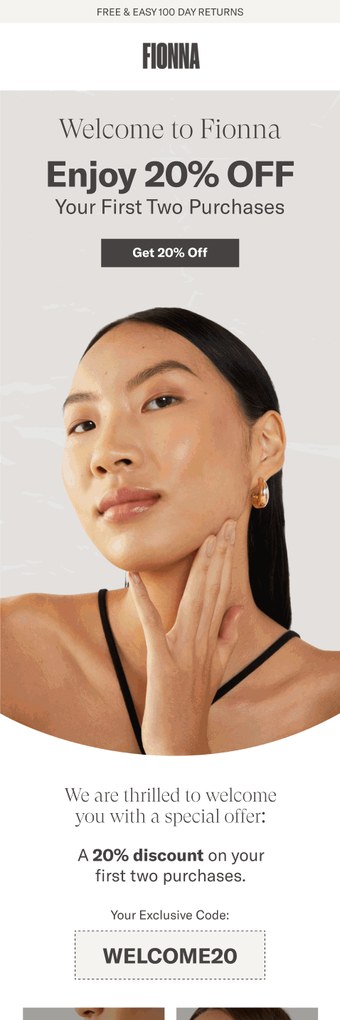
Show three ways, and include one that isn't yours
Three settings for one product beats one setting for three products. Your reader is trying to place a single item. Seeing it work in a formal room, a cluttered one and a small one does exactly that job.
- A version using only things the customer probably owns already, which proves it doesn't need a whole new scheme
- A version with one other product from your range, which is the honest cross sell
- A version deliberately unlike the first two, so the range of use is obvious
- At least one photograph with something in it you don't sell, because a styled shot of only your own products reads as a catalogue
That last one is the point brands fight hardest. A room with an obviously unrelated chair in it is more believable than one furnished entirely from a single collection, and the believability is the bit that sells.
Customers, staff or a stylist, in that order of credibility
| Source | Credibility | Effort |
|---|---|---|
| Customer photographs | Highest, because the rooms are real | Collection and permission |
| Staff homes and wardrobes | High, and easy to arrange | A phone and an afternoon |
| A stylist and a set | Lowest, but the most controllable | A shoot |
Most brands start at the bottom row and never move. Start at the top and it costs you less and performs better, and the campaign turns into something you can run monthly instead of once a year.
Link every element, even the ones you don't sell
Every styled image should let the reader buy any part of it you stock, and should say plainly where the rest came from if you know. Pretending an unrelated item isn't in the shot is the detail that makes a styled email feel like an advert.
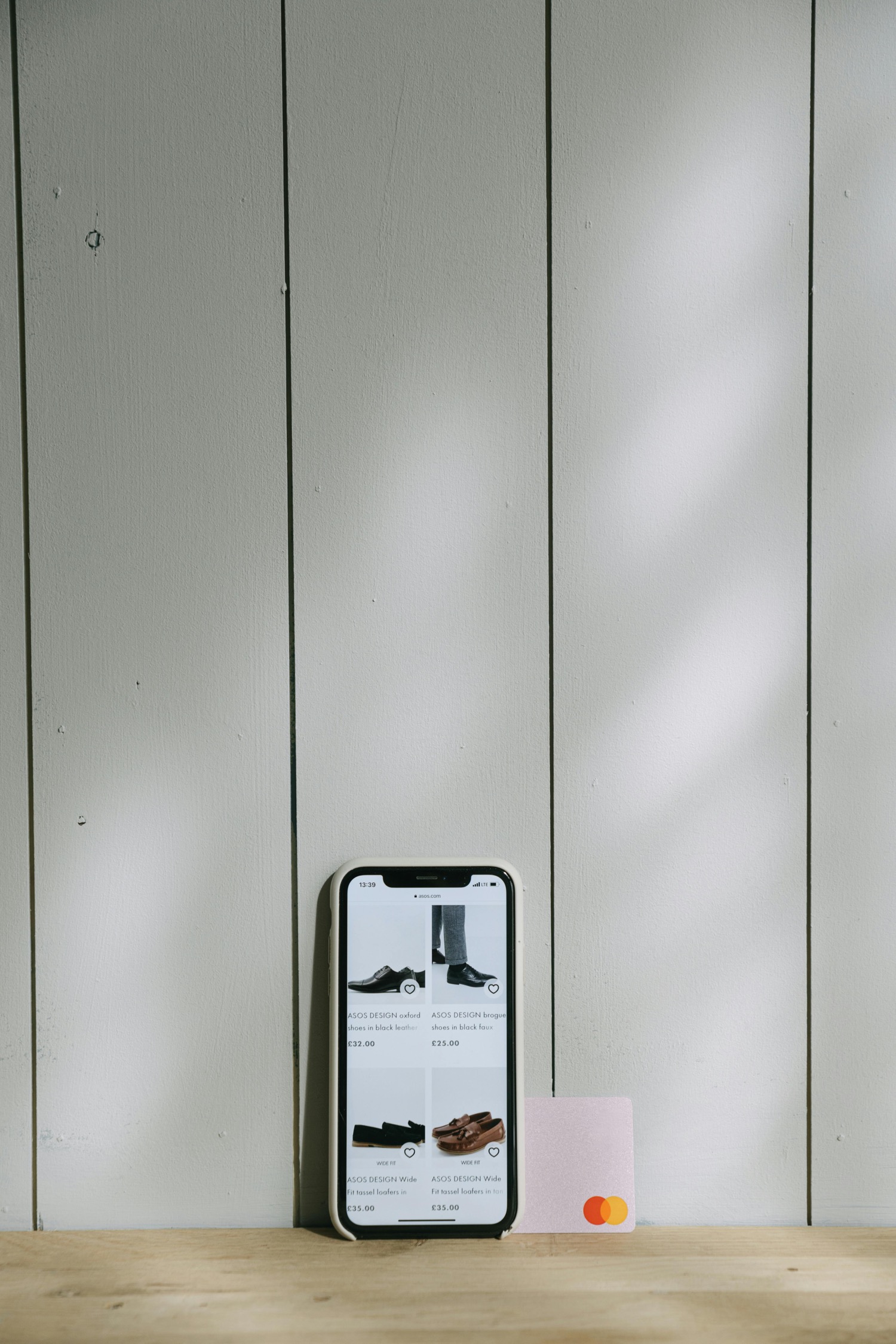
After a first order, and before a season
The strongest slot is a few weeks after somebody bought one item, when they're working out whether it landed and what to add next. Style the thing they already bought instead of presenting something new. That's the version that produces second orders.
It belongs in front of anybody who's looked at a product several times without buying, too. Repeat views nearly always mean the reader is trying to picture it somewhere and can't quite get there.
The second slot is a change of season, where the same product turns up in a different context. That's a genuinely new email and not a repeat, and it's what the cross sell sequence should be carrying instead of a list of related items.
Look at how many of your images have context in them
Open your last ten campaigns and count the photographs that show the product on its own against a plain background. In most accounts it's nearly all of them. So the question customers actually have has never once been answered in an email.
Ask three customers for a photograph of the item where they keep it. You'll have a styling campaign inside a week, and a library that keeps the whole programme supplied for a year after that.
Answer the question about their house, not yours
A style guide email works because it deals with the doubt plain product photography can't reach. Show one product in three ordinary settings. Use customer and staff homes before you book a shoot. Put in things you don't sell, and send it to people who've already bought one item. It's the most direct route from a first order to a second in any category bought on how it looks.
FAQs

What if our product photography is all on white?
Start with customer photographs instead of commissioning a shoot. They're free, they're more believable, and they'll tell you which settings are worth photographing properly if you do decide to spend the money later.
How many products should a styling email feature?
One, shown three ways. Three products shown once each is a catalogue, and it leaves the reader with the same problem they started with: how to place one specific item in their own space.
Should we link products we do not sell?
Name them if you know what they are. You're not obliged to link out, but pretending a visible item isn't there is exactly the thing that makes a styled photograph read as an advert instead of as a room.
Does this work outside fashion and homeware?
Anywhere appearance affects the decision, which covers stationery, tools kept on display, garden products and packaging led food gifts. The test is whether a customer would stop to think about what it sits next to.
Teach the product
The sends that make what you sell easier to choose, use and look after.
The FAQ email campaign: send the answers support keeps repeating
Every question your support inbox answers twice a week is a question the silent majority had and never asked.
See the campaign
The myth vs fact email, for categories where the internet is wrong
Correcting a belief your customers hold is a campaign. Correcting one they have never heard of is a lecture nobody asked for.
See the campaign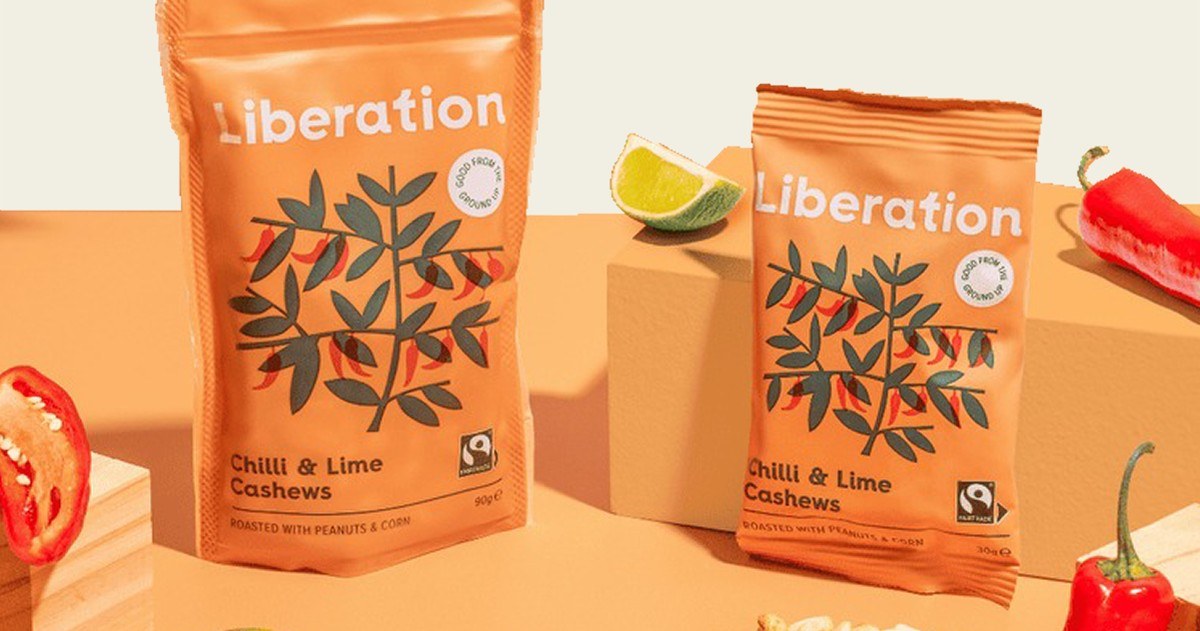
The unboxing email: what to send between dispatch and the doorstep
The days between paying and receiving are the most attentive a customer will ever be, and most brands fill them with a courier link.
See the campaignRather we planned the campaigns for you?
Bring your Klaviyo account and next quarter's calendar. We'll tell you which of these sends your list is missing, and which one we'd run first.


Half an hour with Theo, our founder.
We're all about relationships built on trust, mutual respect and a shared vision for success. If that sounds like your vibe, let's make some waves together 🌊