Email marketing for homeware brands with a long buying cycle and a short peak






We build the Klaviyo programme for drinkware, kitchen and home brands. It's shaped around a considered purchase, and the quarter that pays for your year.
What a homeware list loses between peaks
The purchase people sleep on
A pan set or a full set of glasses gets measured, compared, then left until payday. A cart sequence that's finished inside a day arrives weeks too early.
Ten quiet months, then November
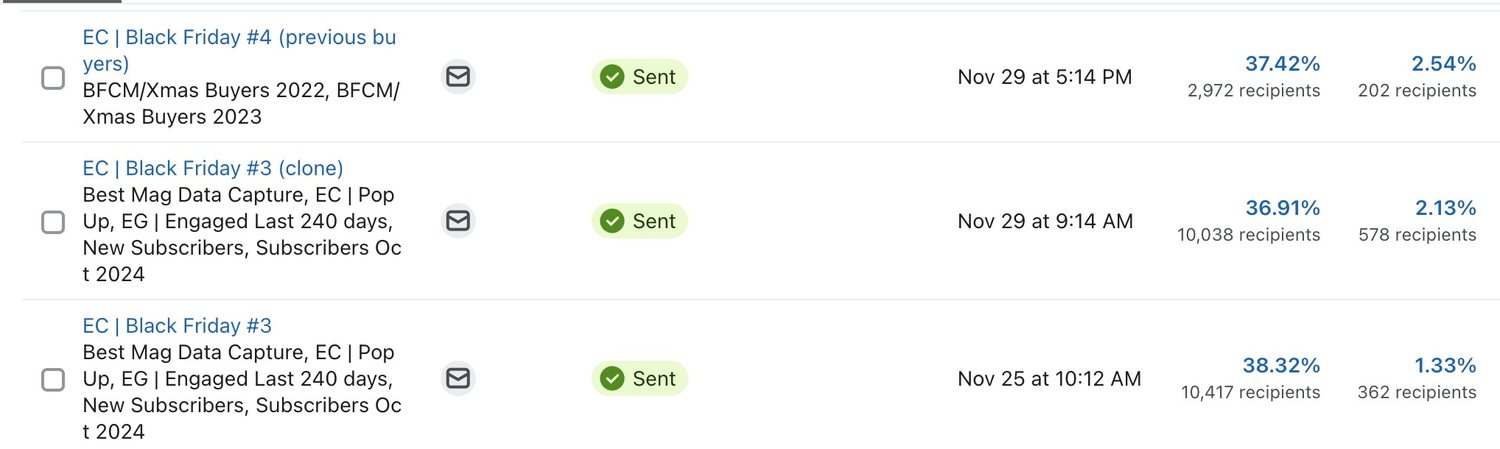
Most homeware lists hear nothing until the Black Friday build. So the biggest send of the year lands on the coldest audience of the year.
A wide range, one product remembered
People meet your brand through one item and never see the rest of the catalogue. No category or cross-sell logic, and the second order looks just like the first.
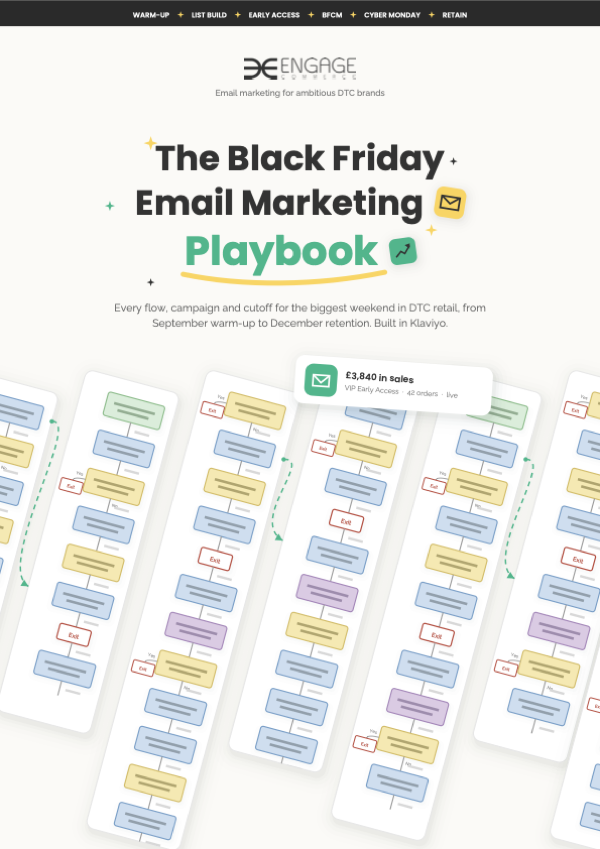
The homeware year, and what each part of it is for
One trading plan, agreed up front, so November isn't the first time your list hears from you.
The follow-through
Q4 buyers are new customers, not a spike, so January is where they meet your range.
Post purchase flowThe long middle
Care, content and category sends keep the list warm while nobody's shopping for gifts.
Category browse flowThe build
List growth, segment cleaning and the early access signup that makes the peak sendable.
Welcome flowThe peak
Early access, Black Friday, Cyber Monday, then gifting and the delivery cut-offs.
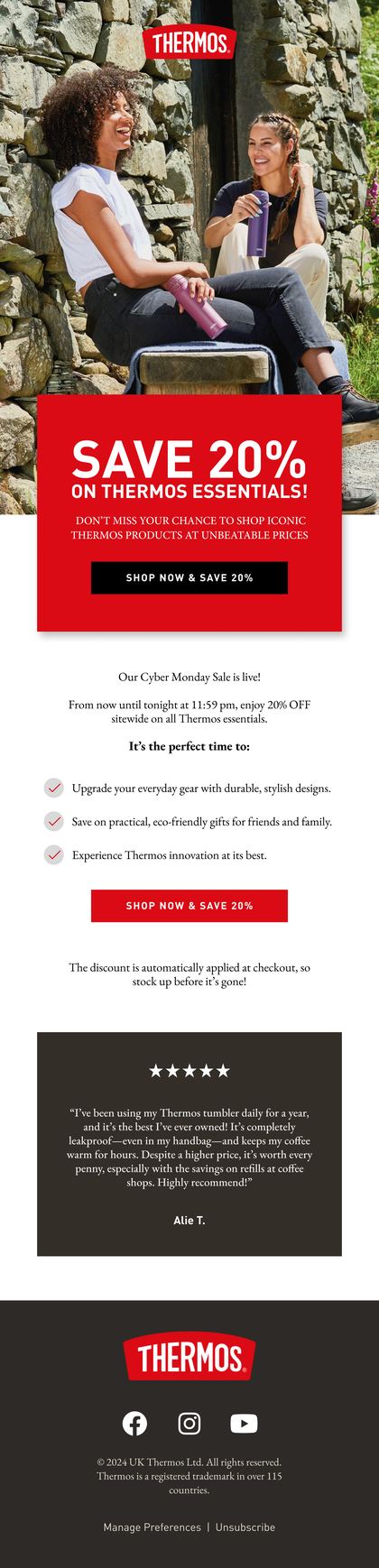
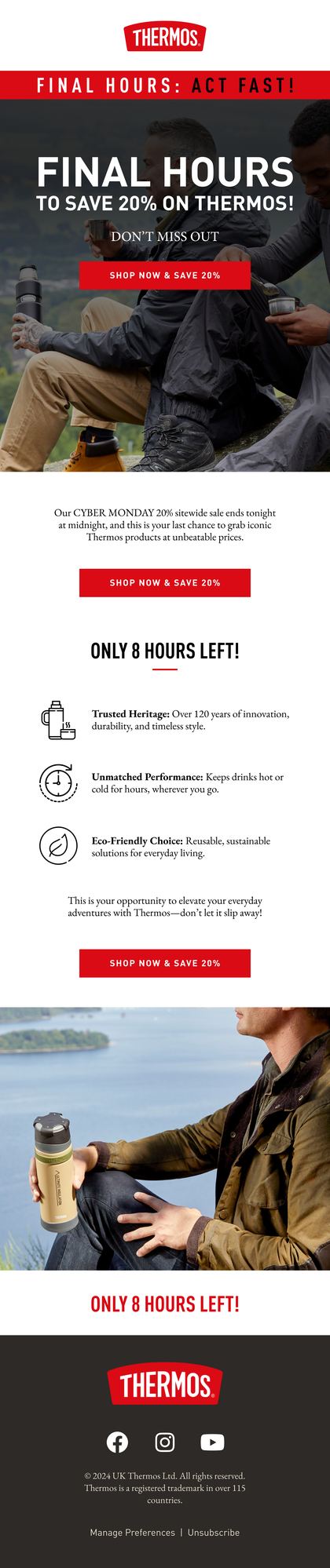
Abandoned cart flowThe peak is where most homeware programmes are won or lost. It's where the Thermos rebuild happened, shipped before the first Black Friday send. The rest of the year is what makes that week sendable.
Which flows we build first for a homeware catalogue
Six that earn most on a considered purchase, and where the other three fit.
- Welcome flowWhere a considered buyer gets the answers: materials, capacities, guarantees and who each range is for.
- Browse abandonment flowSomebody measured a shelf, looked at one item and left. This follows that product.
- Category browse flowA whole range viewed and nothing opened, so the follow up leads with the range.
- Abandoned cart flowBuilt long, because a homeware basket waits on payday or a second opinion.
- Post purchase flowCare, registration and the piece that completes the set, timed to first real use.
- Cross sell flowLids, seals, brushes and the next size up: the second order nobody sends.
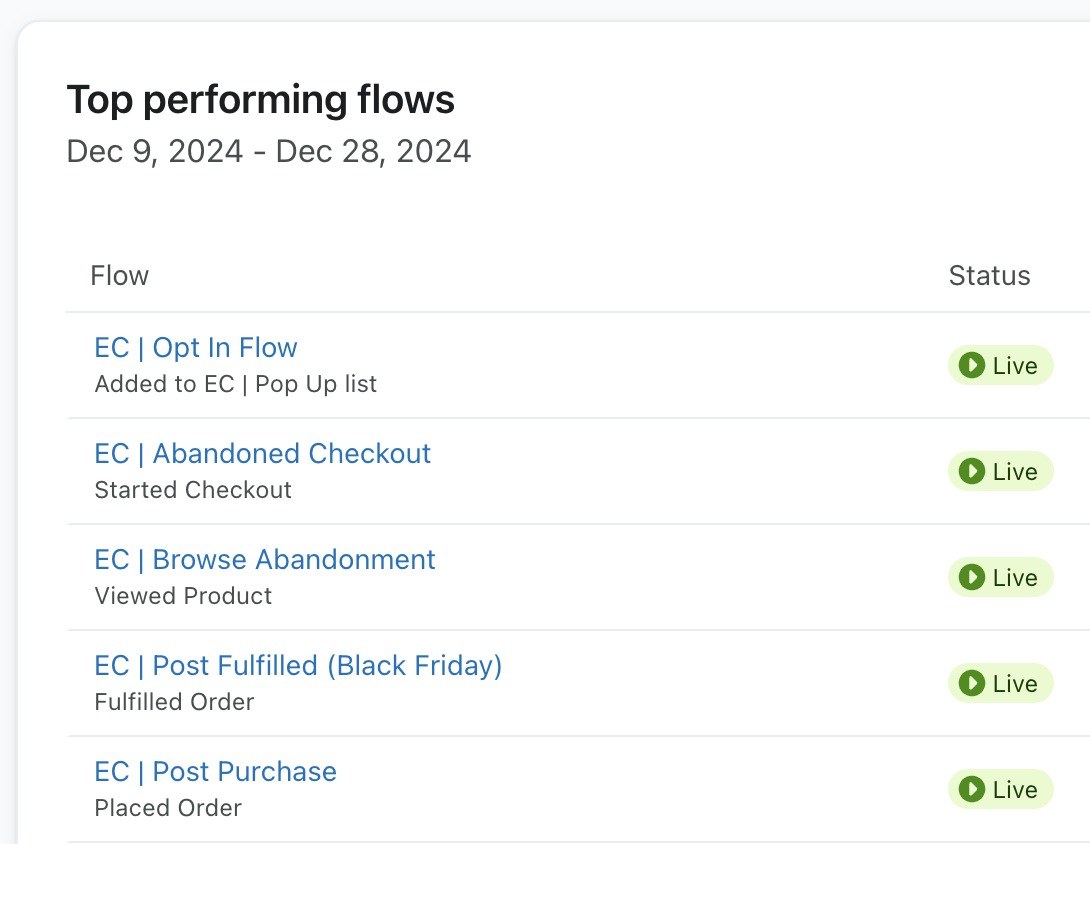
The other three earn their place once your range has something repeatable in it: site search flow for the customer who searched a size and found nothing, winback flow for the customer who bought once and never came back, replenishment flow for the customer who buys the part that runs out. All fifteen are drawn trigger by trigger in the flow library.
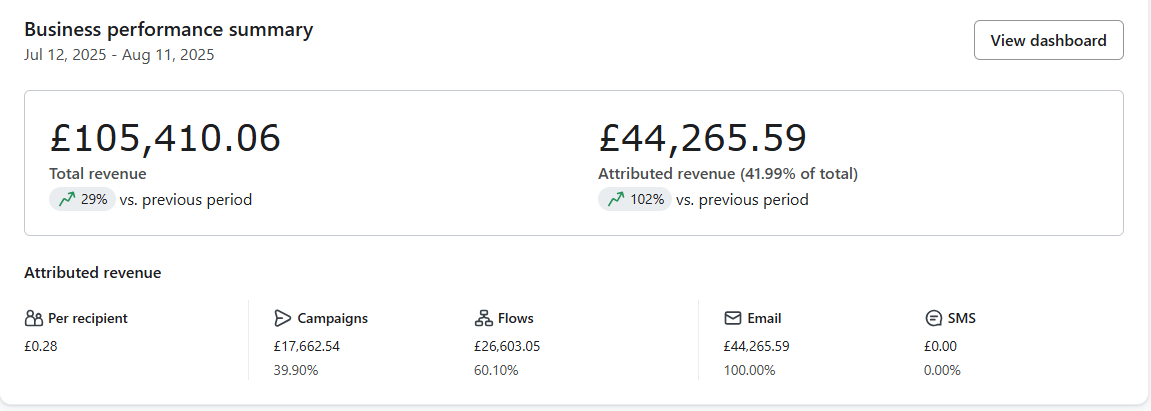
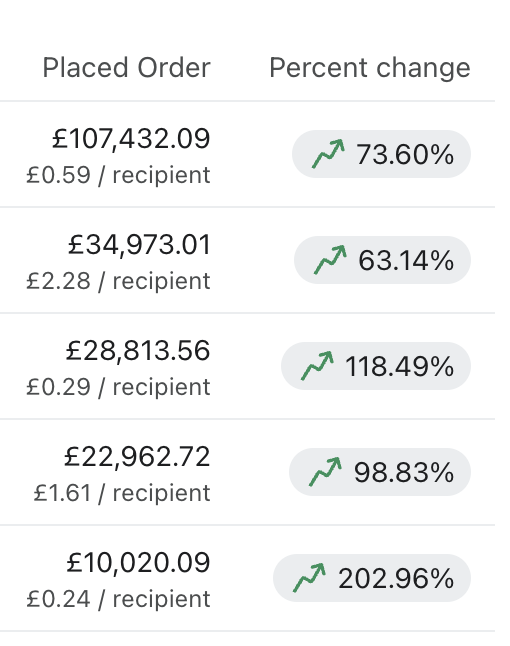
What a rebuilt programme returned for Thermos
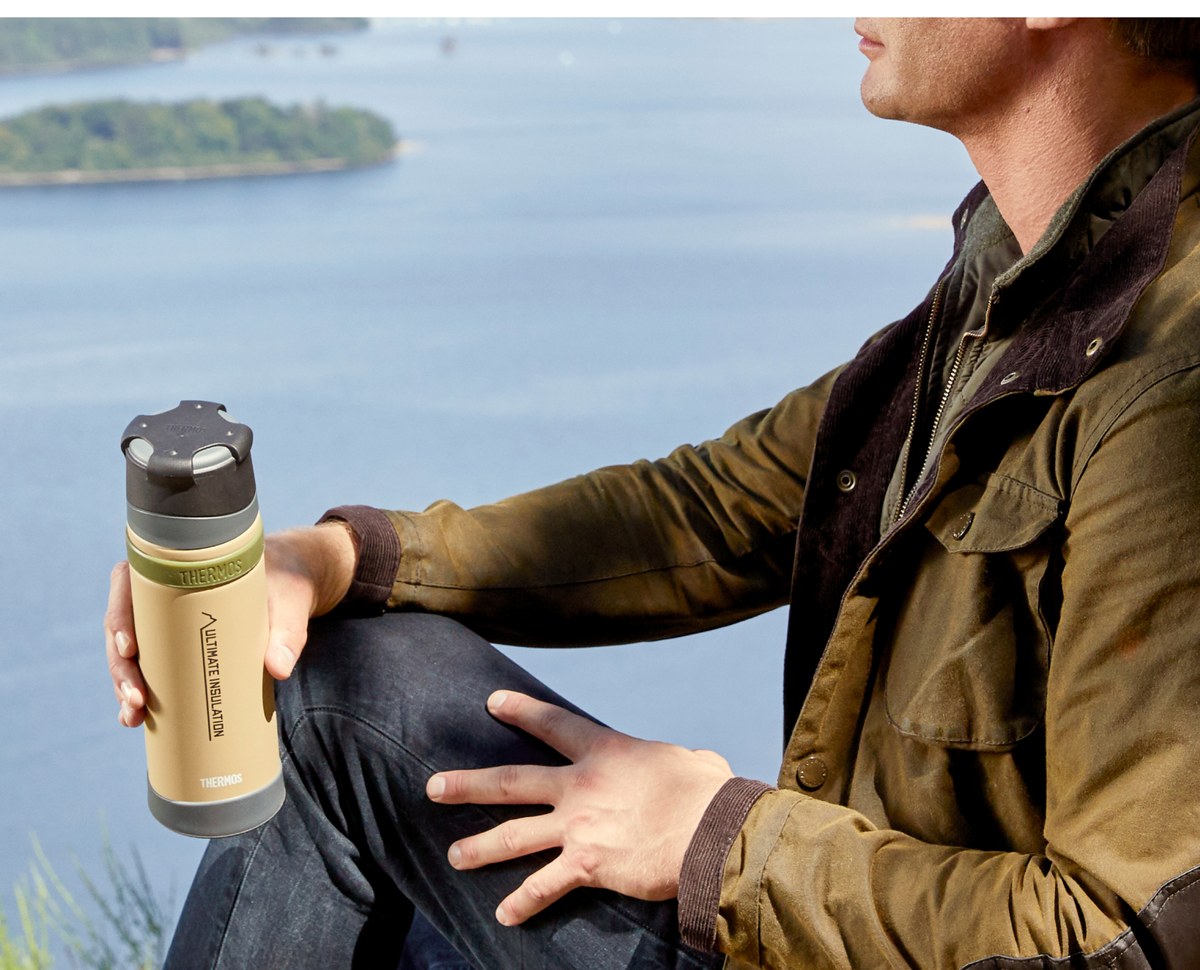
Thermos UK, Black Friday and Cyber Monday 2024. Read the case study.

“We've seen record breaking months over the BFCM period, through to Christmas and the New Year.”
James Sheldon, Head of Product and Marketing, Thermos UK
Homeware sells on trust, not urgency
A discount moves a homeware buyer once. What moves them a second time is knowing the lid fits, the guarantee is real and the rest of the range exists. Email is the only channel that can say all three before your next peak arrives.








FAQs
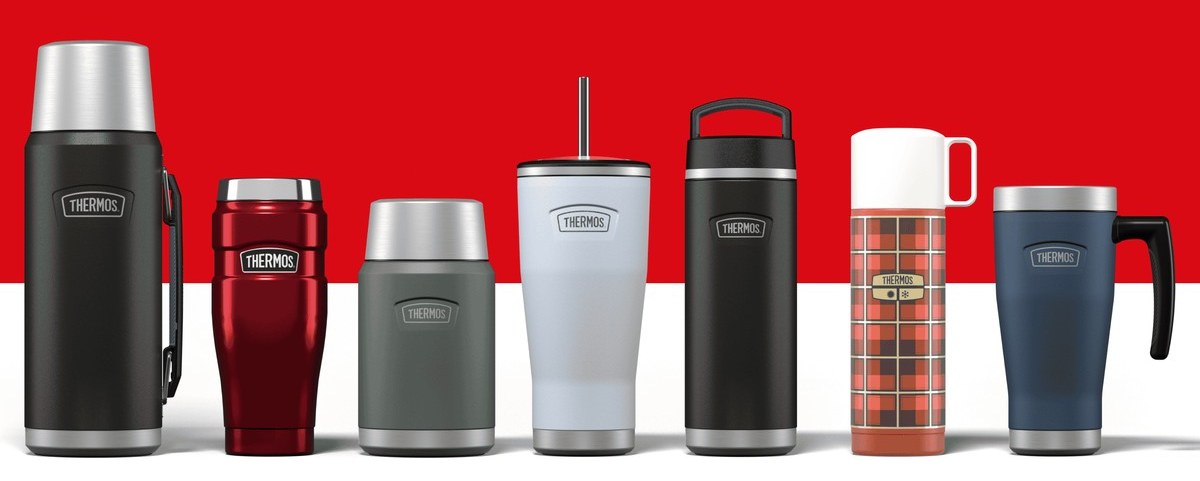
Does email marketing work for homeware brands with a long buying cycle?
Yes. The long cycle is the reason to run it properly, not a reason to skip it. A homeware shopper measures, compares and waits, so email has to stay present across weeks instead of closing a sale in an hour. That's longer cart and browse sequences, materials and guarantees explained between the offers, and campaigns that hold the list while nobody's buying.
What email flows should a homeware brand build first?
Welcome, abandoned cart and browse abandonment, in that order. Then post purchase and cross sell once orders are landing. Welcome carries the most weight on a considered purchase: it's the only sequence that explains your range before anybody asks about price. Cart and browse both run longer than the ecommerce default, because a homeware basket is usually waiting on payday or a second opinion.
How far ahead should a homeware brand plan its Black Friday emails?
September, and the September work is list growth and list cleaning, not creative. Send the biggest campaign of the year to an audience that's heard nothing since spring and deliverability fails in the week it matters most. So we warm the list through autumn, build the early access segment, then run the peak through to the delivery cut-offs. Come to us in November and we'll tell you straight: there isn't time to fix the list first.
How do you cross sell across a wide homeware catalogue?
By category, and by what the first purchase tells you. Never by bestseller list. Somebody who bought a food flask needs the right lid, the spare seal and the bag it fits into. We build that logic from your own product data in Klaviyo and keep each send narrow enough to read as help. Not as a catalogue.
How often should a homeware brand email outside peak season?
Weekly suits most lists, with the content carrying more of the load than the offer. Fatigue is the worry, because your customers don't buy every month. The damage comes from irrelevance, not volume. Segment on what people have viewed and bought, and move a send that's got nothing to say.
Do we need a big list before email is worth it for a homeware brand?
No, but the capture on your site has to be working before the sends can. Most homeware stores get plenty of research traffic and almost no way of keeping hold of it, so the first month is usually signup units and the welcome sequence. A small list with honest segments and working flows out-earns a big cold one.
The same programme, read for another catalogue
Each one has a real account behind it, and they all sit under the same email service.

Which channel owns which moment is a lifecycle strategy question. If your range has consumables in it, the next conversation is subscriptions and loyalty.
Where is your revenue leaking?
Up to four questions. One answer: what we'd fix first, and where to start on it.
How big is the brand?
Want this run on your homeware account?
Bring your Klaviyo login to your growth consultation. We'll read what your peak did last year and what the flows carried in the quiet months, then tell you which of the two is the bigger gap.


Half an hour with Theo, our founder.
We're all about relationships built on trust, mutual respect and a shared vision for success. If that sounds like your vibe, let's make some waves together 🌊