Email marketing for food and drink brands, built around the reorder




Your product gets used up. So the reorder is the number that decides your year, and that's an email job long before it's an ad budget.
What a food and drink list does that other lists don't
The pack runs out and nobody says anything
Everything you sell gets finished, then bought again, on a clock you can predict. Most accounts leave that clock to memory, so the reorder goes to whoever's nearest at the time.
The reason they pay more stays on the packaging
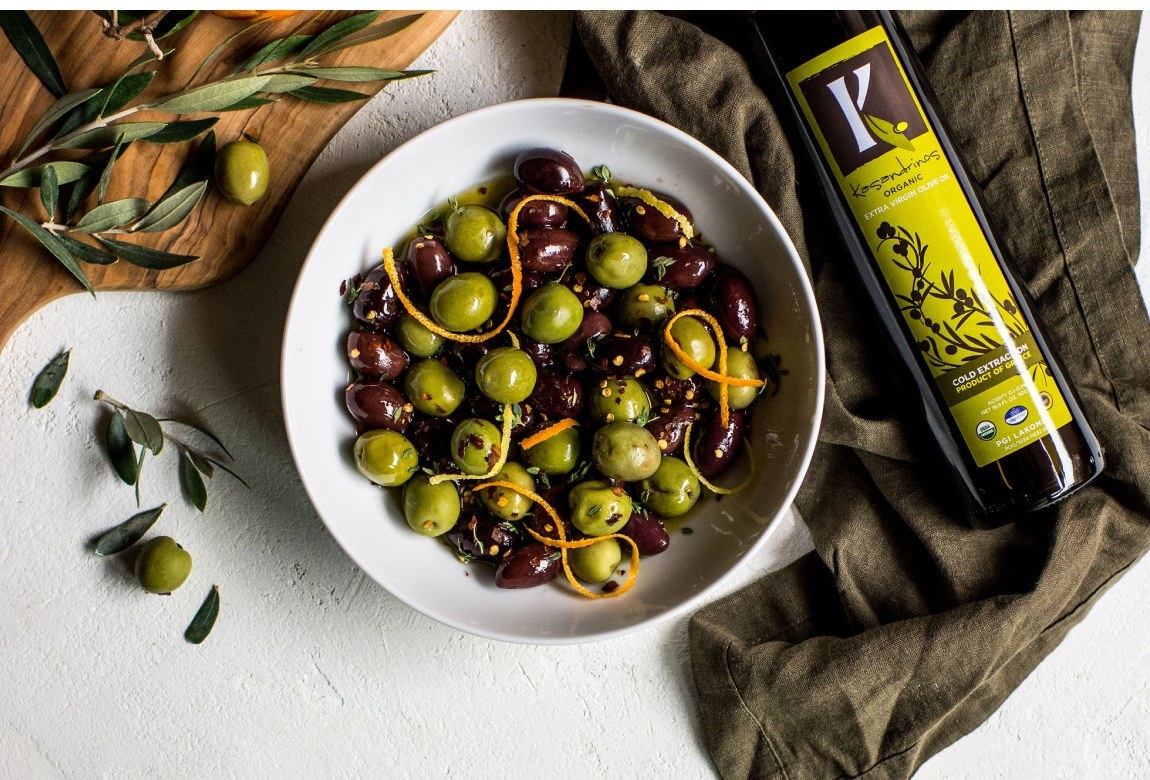
Sourcing, certification, the growers behind the product. That's why the basket is worth what it is, and it's printed on the pack. It almost never reaches the inbox.
Gift season fills the list with people who buy once
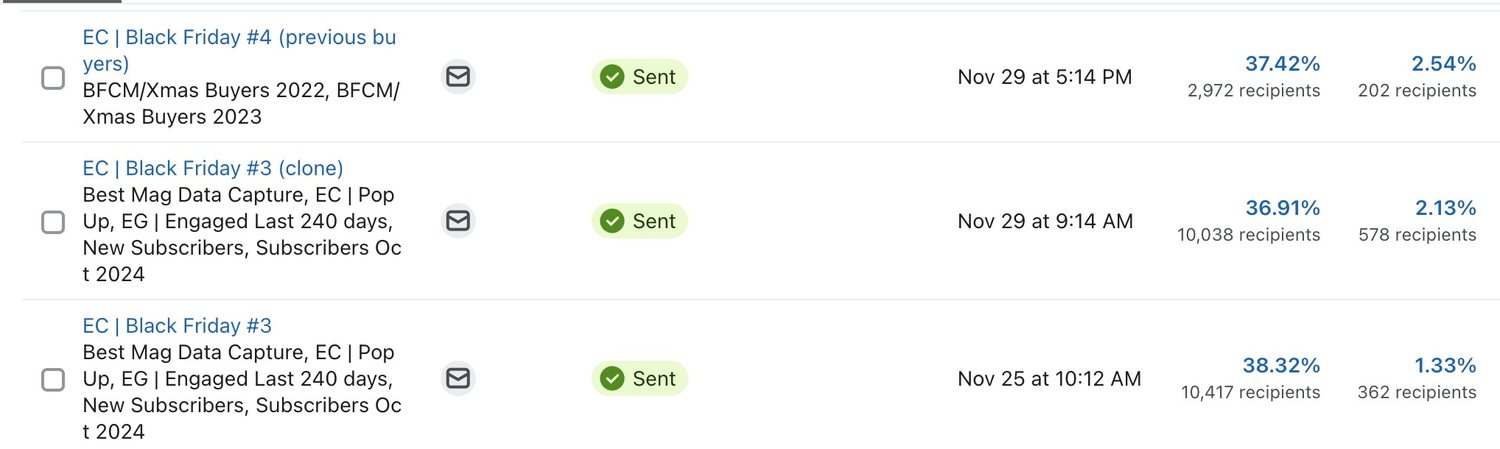
Hampers, bundles, Christmas. In come the buyers who bought for somebody else, and nothing separates them from the household that eats the product weekly. Both get the same January email.
The flows your food and drink account earns its money on
Six of the fifteen, picked for a product that gets finished.
- Welcome flowWhere the sourcing story goes. People switch brand here on the reason, then stay for the taste.
- Post purchase flowHow to use it, how to keep it, what it goes with. All before anybody has to ask for the reorder.
- Replenishment flowTimed per product to when the pack actually runs out. Biggest earner this category has.
- Cross sell flowThe second flavour or the bigger format, not another bag of the one already in the cupboard.
- Winback flowHabits lapse quietly here. This one asks while the profile's gone quiet, not gone.
- Abandoned cart flowChilled delivery slots and minimum order values stall more baskets in food and drink than price does.
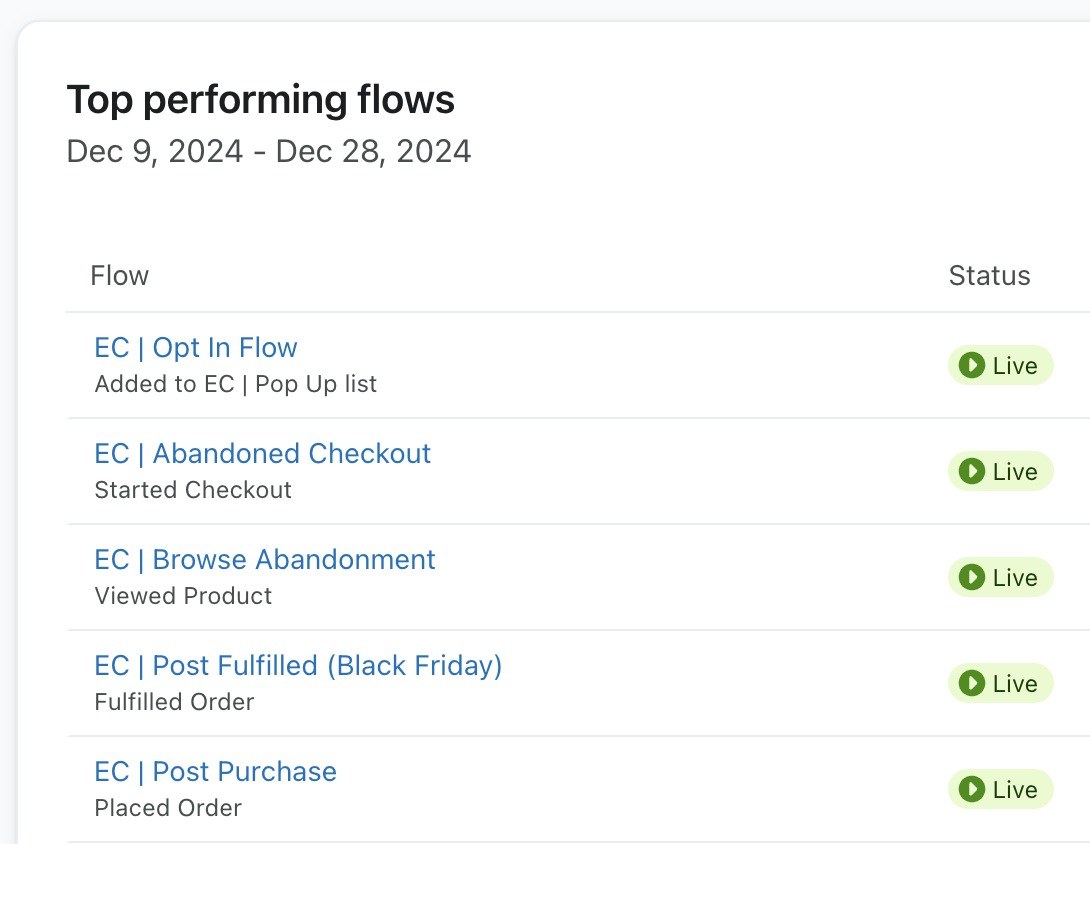
We build every one of those in your own Klaviyo account, and each is written up the way we actually build it in the flow library. They run inside email marketing. Once a reorder turns into a habit worth locking in, it goes to subscriptions and loyalty.
The second order is where this category pays
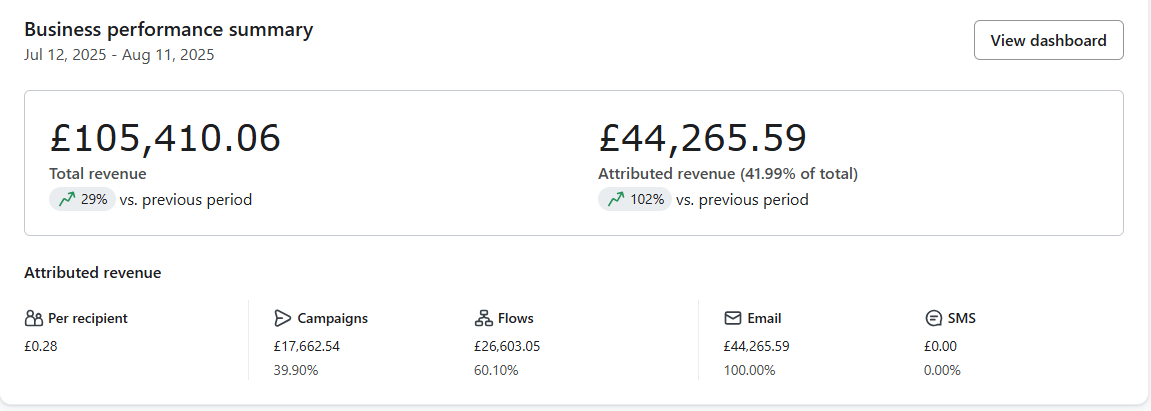
Let's face it: a first order in food and drink is cheap to win. On its own it's worth almost nothing. The margin turns up on the third and the sixth, so owning a list beats renting a shelf, and the flows matter more here than the campaign calendar ever will.








Programmes built on a product that gets finished
Not one of them is a food or drink brand, so no number on this page is either.
FAQs
Does email marketing work for food and drink brands?
Harder here than on a considered purchase. Your product gets eaten, and the same customer can buy from you a dozen times a year. The part that earns isn't the campaign calendar: it's the automation that reaches somebody in the week their pack runs out. An account with no replenishment logic is leaving its easiest revenue to whether the customer happens to remember you.
Which email flows matter most for a food or drink brand?
Welcome, post purchase, replenishment and cross sell, in that build order. Welcome wins the first order and says where the product comes from. Post purchase teaches people how to use it and how to store it, replenishment carries the reorder, and cross sell moves them to a second flavour instead of the same bag again. Abandoned cart and winback follow once those four are live and reporting properly.
How do you time a replenishment email for food and drink?
Per product, off the pack size and the way the thing actually gets used, then corrected against what your own account shows about real repeat gaps. Somebody on a weekly coffee and somebody who bought one jar of chilli sauce aren't on the same clock. One delay across the whole catalogue sends nearly everybody the wrong email. So we set a window per product family and move it once there's enough repeat data to read.
How should a food brand handle Christmas and gifting buyers?
Split them off at the point of order, then treat them as a different audience for the rest of the year. Somebody who bought a hamper for a colleague isn't a household that eats the product weekly, and a reorder reminder in January reads as noise to them. So we tag the gifting orders, hold them out of the replenishment flows, and write them one honest email when the next gifting season comes round.
Can you sell subscriptions on food and drink by email?
You bet. Email is usually where the subscription gets won, not the product page. The offer that converts tends to be the one made after a second manual reorder, when the habit's already proved, and that's a flow, not a banner. We build the hand-off between the reorder emails and the subscription programme, so your customer gets asked once, at the moment it makes sense to them.
Is email marketing legal for UK food and drink brands?
Same basis as any other UK sender: consent the person gave themselves, a one-click unsubscribe in every send, and a record of where the opt-in came from. Existing customers can be contacted about similar products under the soft opt-in, which suits a repeat-purchase category well. The bit that's specific to this vertical is the copy. Our rule there is simple. We won't put a health or nutrition claim in an email that you couldn't already print on the pack.
The same formula, aimed at three other categories
What your product does after somebody buys it decides which flow carries it. Every one of these starts there.
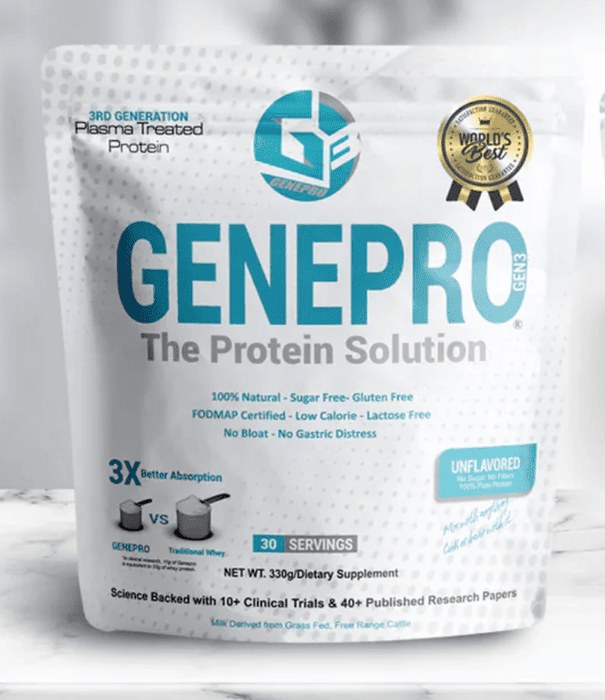
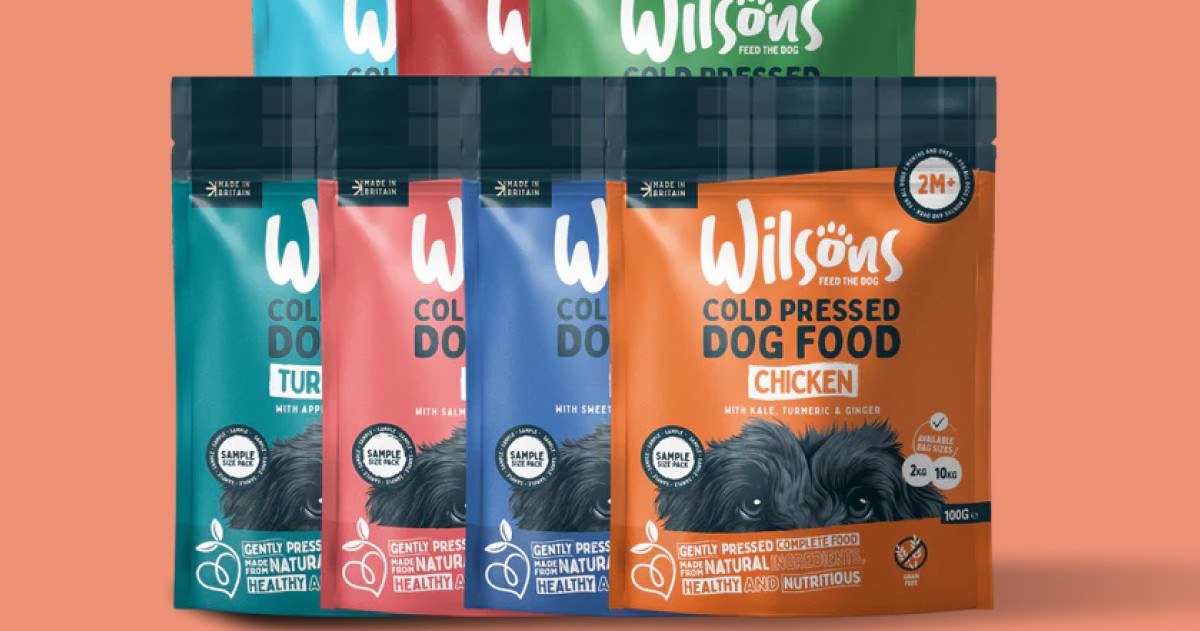
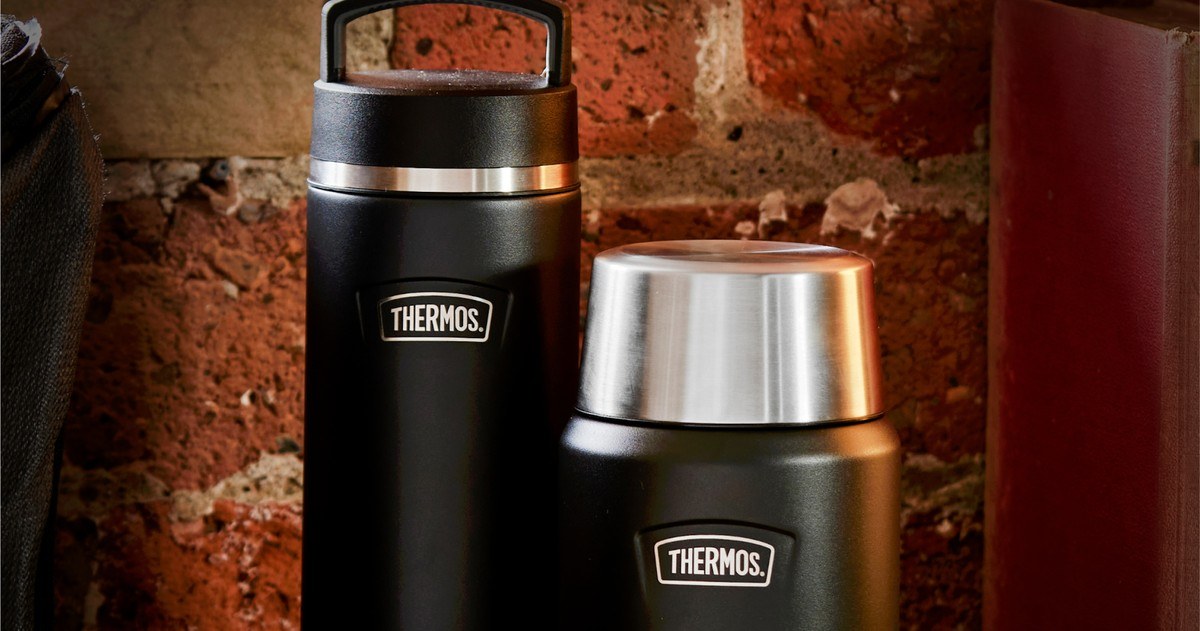

Where is your revenue leaking?
Up to four questions. One answer: what we'd fix first, and where to start on it.
How big is the brand?
Ready to make the reorder automatic?
Bring your Klaviyo login to your growth consultation. We'll read what happens after a first order on your account today and tell you which flow's missing. Take that away and build it yourself if you like.


Half an hour with Theo, our founder.
We're all about relationships built on trust, mutual respect and a shared vision for success. If that sounds like your vibe, let's make some waves together 🌊