The choose your own adventure email, and what it teaches your segments

Ask the reader to pick a path and two things happen. They land somewhere relevant, and you learn something you couldn't have guessed.
Most emails ask for one click on one thing. This one offers three or four routes and lets the reader choose, so they get somewhere relevant and you find out what they came for. The second half is worth more than the first. It's also the half nobody wires up.

The click is the answer to a question you never asked
A subscriber who picks the path for oily skin, or for a puppy, or for a bathroom instead of a kitchen has just told you something a survey would have struggled to get out of them. The email is a question dressed up as navigation.
- What are you trying to do, with three or four honest answers
- Which of these describes you, where the categories are genuinely different
- How far along are you, which sorts beginners from people who already know
- What's stopping you, which is the most useful and the least used
That fourth one surfaces objections. Give the reader three reasons people hesitate, let them pick the one that's theirs, and the follow up sequence writes itself.
Three routes, no more, each obviously different
| Do | Do not |
|---|---|
| Three options, clearly distinct | Six options with overlapping meanings |
| Plain descriptions of a situation | Clever names the reader has to decode |
| A real destination for each | Three links to the same category page |
| An option for none of these | Forcing a choice that does not fit |
Every route has to land somewhere genuinely different. Send all three to the same page and the reader clocks it immediately, and the format never works again on that list.
The click has to write something to the profile
This is where the campaign usually falls over. The email goes out, people click, and what they told you disappears into a click report nobody opens. The click needs to set a property on the profile or drop the person into a segment, right when it happens.
That send does the sorting visually and lets the click carry the meaning. Wired up properly, everybody who took the coffee route can be spoken to differently for the next year. Worth far more than the orders the campaign itself brings in.
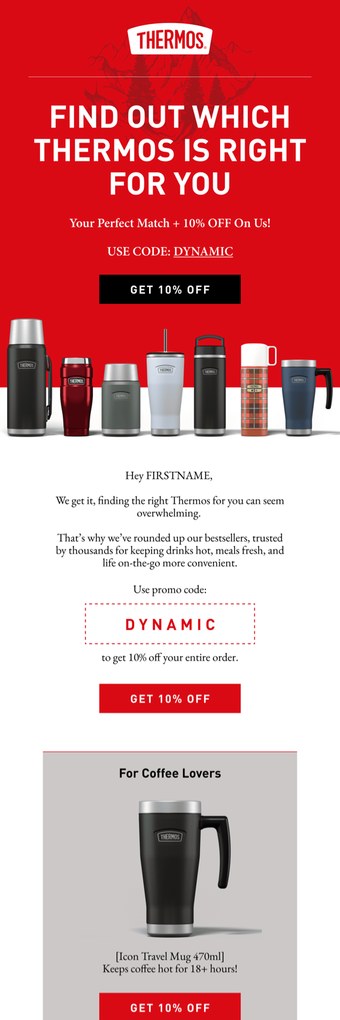
Plan the three follow ups before you send the first email
A path chosen and then ignored is worse than never asking. The reader has told you something and got treated exactly as before. Write the three follow up sequences first, even if each one is only two emails long.
Where the paths line up with product categories, the follow up is often an existing sequence with a different entry point. That's the cheapest version, and it's where the browse behaviour work and this campaign overlap.

It isn't a quiz, and it isn't a game
Quizzes that score a personality type and recommend a product off the back of it have their place. This is simpler: a plain question with three answers. No scoring, no result page, no gimmick.
That simplicity is why it works inside ordinary campaigns instead of as a one off. It can sit in a normal send as a single block, which is how most brands should start with it.
Look at what your segments are currently built on
Open your segment list and count how many are built on behaviour the platform recorded, and how many on something a customer actually told you. In most accounts that second number is zero. This format is the fix.
Pick the one question whose answer would change what you send, and put it in the next campaign as three links. Then check a week later that the clicks went somewhere other than a report nobody opens.
Let them choose, then act on what they chose
The choose your own path email is a segmentation tool that reads as a convenience. Offer three genuinely different routes, include a way out for people who fit none of them, wire the click so it writes to the profile, and have the follow up sequences ready before it sends. The orders it brings in are incidental. What you're really collecting is what people told you about themselves.
FAQs

How many paths should the email offer?
Three, or four at the most. Past that the options start blurring into each other in the reader's head and the click stops meaning anything specific, which was the whole reason for asking. Put a none of these route in as well.
What if somebody clicks more than one path?
Treat it as useful, not as a problem. Somebody interested in two categories is worth knowing about, and the follow up can nod to both. What you want to avoid is the second choice quietly overwriting the first.
Is this the same as a product finder quiz?
No. A quiz scores answers and recommends a result, and it needs building and maintaining. This is three links in an ordinary email. That's why it can run every month instead of turning into an occasional project nobody has time for.
How long does declared preference data stay useful?
Longer than behavioural data, but not forever. Situations change, especially in categories tied to a life stage, so ask again after six months or a year instead of treating the first answer as permanent.
Launches, moments and games
New stock, the dates your customers care about, and the sends people play with.
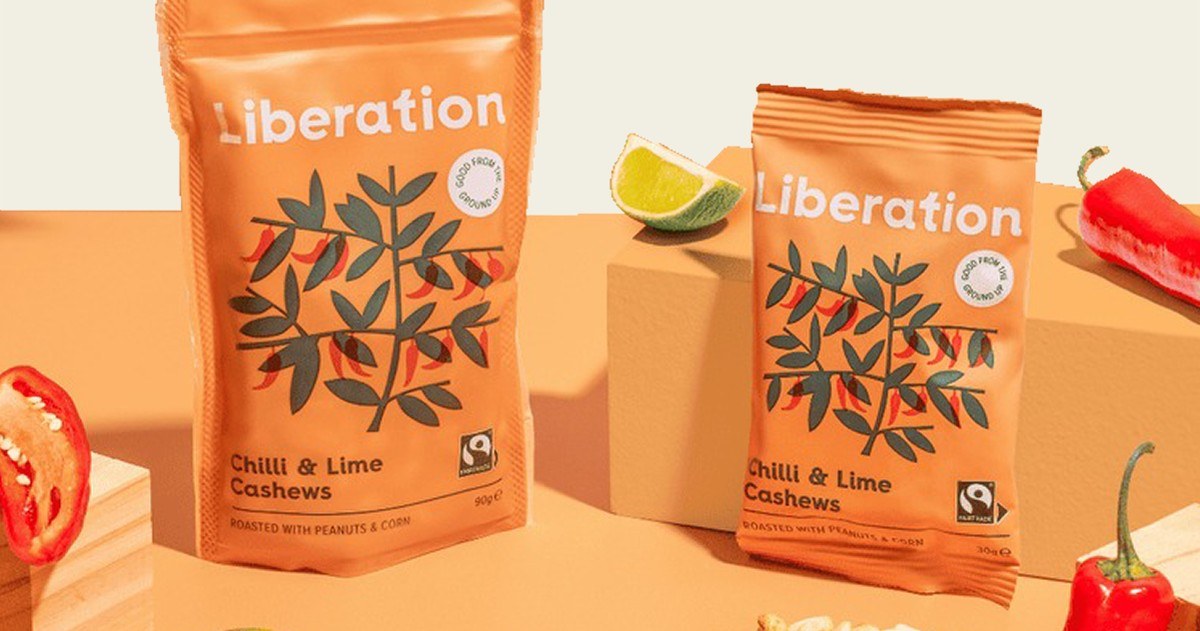
The new product launch email, sequenced over a fortnight
One announcement reaches whoever happened to be looking that morning. A sequence reaches everybody, and each send has a different job.
See the campaign
The restock email, and why it is not the back in stock alert
One is an automation for the people who asked. The other is a campaign for everybody who wanted it and never said so.
See the campaign
The seasonal tie in email that is not just a themed banner
If the campaign still makes sense with the occasion removed, it was never a tie-in. It was a normal email wearing a costume.
See the campaignRather we planned the campaigns for you?
Bring your Klaviyo account and next quarter's calendar. We'll tell you which of these sends your list is missing, and which one we'd run first.


Half an hour with Theo, our founder.
We're all about relationships built on trust, mutual respect and a shared vision for success. If that sounds like your vibe, let's make some waves together 🌊