First party data: what your shop already records, and how to use it
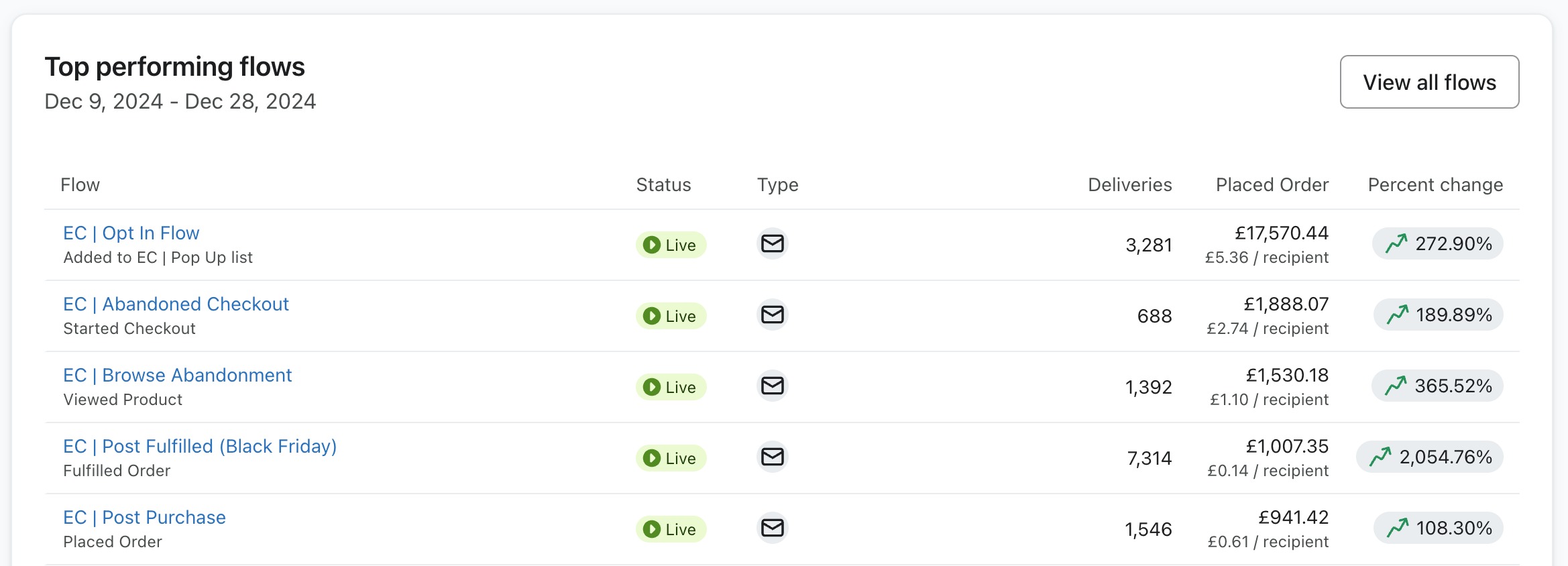
Everything you watch customers do on your own site, at your own checkout and in your own emails. You already hold more of it than you use.
- 042First-Party Data
- Information collected directly from your audience or customers, used for email personalisation and segmentation.
- Comes from
- Orders, returns, site browsing, email and text clicks, support tickets
- Lives in
- Shopify for orders, Klaviyo for browsing and engagement
- Not the same as
- Zero party data, which customers tell you on purpose
- The UK catch
- Tracking cookies need consent, so your banner limits what you see
What your shop can see, and what stays anonymous
First party data is the record of what people do on ground you own. Orders and returns in Shopify. Product views, clicks and visits in Klaviyo. Replies, tickets, reviews. Nobody sold it to you, and no ad platform can switch it off.
Browsing has a catch. Klaviyo can only tie a visit to a person once it knows who's visiting: after they've clicked through from one of your emails or texts, filled in one of your forms, or gone through checkout. Before that, it's an anonymous visit.
Some of it's less honest than it looks, too. Apple Mail can load emails on its users' behalf, so treat opens as a rough signal and clicks as the real one.
Cookie consent decides how much browsing data you get
Site tracking runs on cookies, and in the UK tracking cookies generally need consent first. So the way your cookie banner's set up decides how much browsing reaches Klaviyo at all. The ICO's guidance on PECR covers cookies and email marketing both.
Don't fix it by hiding the reject button. Fix it by collecting more of what never needed a cookie: orders, sign-ups, and the answers people give you on purpose.
Four uses of first party data that pay before anything clever
- Purchase dates, to time a replenishment email to how long the product actually lasts
- Products viewed, so browse abandonment shows the thing they looked at
- Order count, so a fifth-time buyer never gets a first-order discount
- Engagement, so people who haven't clicked in months stop getting every campaign
Use it to decide what to send, not to show off what you know. An email saying we noticed you looked at this three times is the inbox version of a shop assistant following you round the aisles.
Related terms
FAQs
What's the difference between first party and third party data?
Who collected it. First party data comes from your own site, checkout and emails. Third party data is gathered by companies your customers have never dealt with and sold on, and it's got harder to buy and harder to justify. Only one of them is yours.
Does UK GDPR apply to first party data?
Yes. Watching what an identifiable customer does is processing their personal data, so UK GDPR applies, and tracking cookies come under PECR as well. You need a lawful basis, a privacy notice that says what you collect and why, and a way for people to ask what you hold. This isn't legal advice: the ICO's guidance is the place to check.
Does Klaviyo collect first party data on its own?
Once its tracking's installed, it records what identified visitors do: site visits and products viewed, plus everything that happens in your emails and texts. Orders arrive through the Shopify integration. What it can't do is put a name to people who never sign up, click through or buy.
Rather we explained it on your own account?
Bring your Klaviyo account to a growth consultation. We'll walk through what this means for your numbers, in plain English, and what we'd fix first.


Half an hour with Theo, our founder.
We're all about relationships built on trust, mutual respect and a shared vision for success. If that sounds like your vibe, let's make some waves together 🌊