What is zero party data, and what to ask for in a sign-up form
The things a customer tells you on purpose, and why most sign-up forms ask for the wrong one.
- 160Zero-Party Data
- Information that a customer intentionally and proactively shares with you, used for deep personalisation.
- Collected by
- Asking: quizzes, preference centres, sign-up questions
- Not the same as
- First-party data, which you observe
- Best used for
- Choosing what to send each person
Zero party data is what somebody chooses to tell you: a preference, an intention, a birthday, the breed of their dog. First party data is what you watch them do. One of those explains the other, and only one of them costs you a form field.
Told, observed, or bought from somebody else
Four categories. The vocabulary is worse than the idea, and it's worth being able to tell them apart when somebody says one out loud in a meeting.
- Zero party: what a customer deliberately gives you, in a form, a quiz or a reply
- First party: what you record them doing on your own site and in your own emails
- Second party: another company's first party data, shared with you by arrangement
- Third party: data assembled and sold by somebody neither of you has met
The term is a rebrand of asking people questions, and the rebrand happened because third party data got harder to buy and harder to justify. That doesn't make it a bad idea. Asking was always the honest version.
It tells you why, when behaviour only tells you what
Behaviour tells you a shopper looked at three candles and left. It won't tell you they were a gift. One declared answer does, and that changes the offer, the timing and whether a replenishment reminder makes any sense at all.
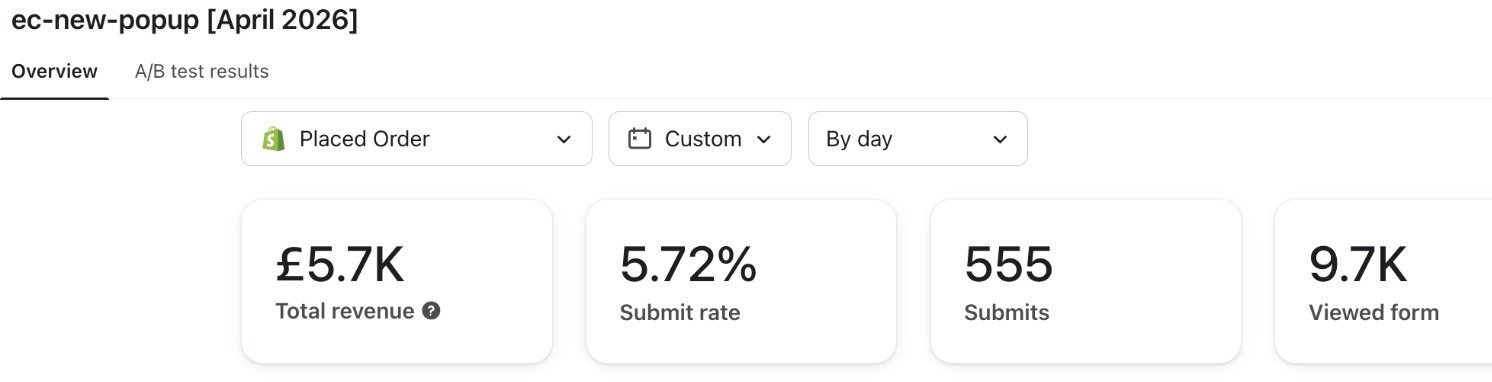
Every field you add costs submissions
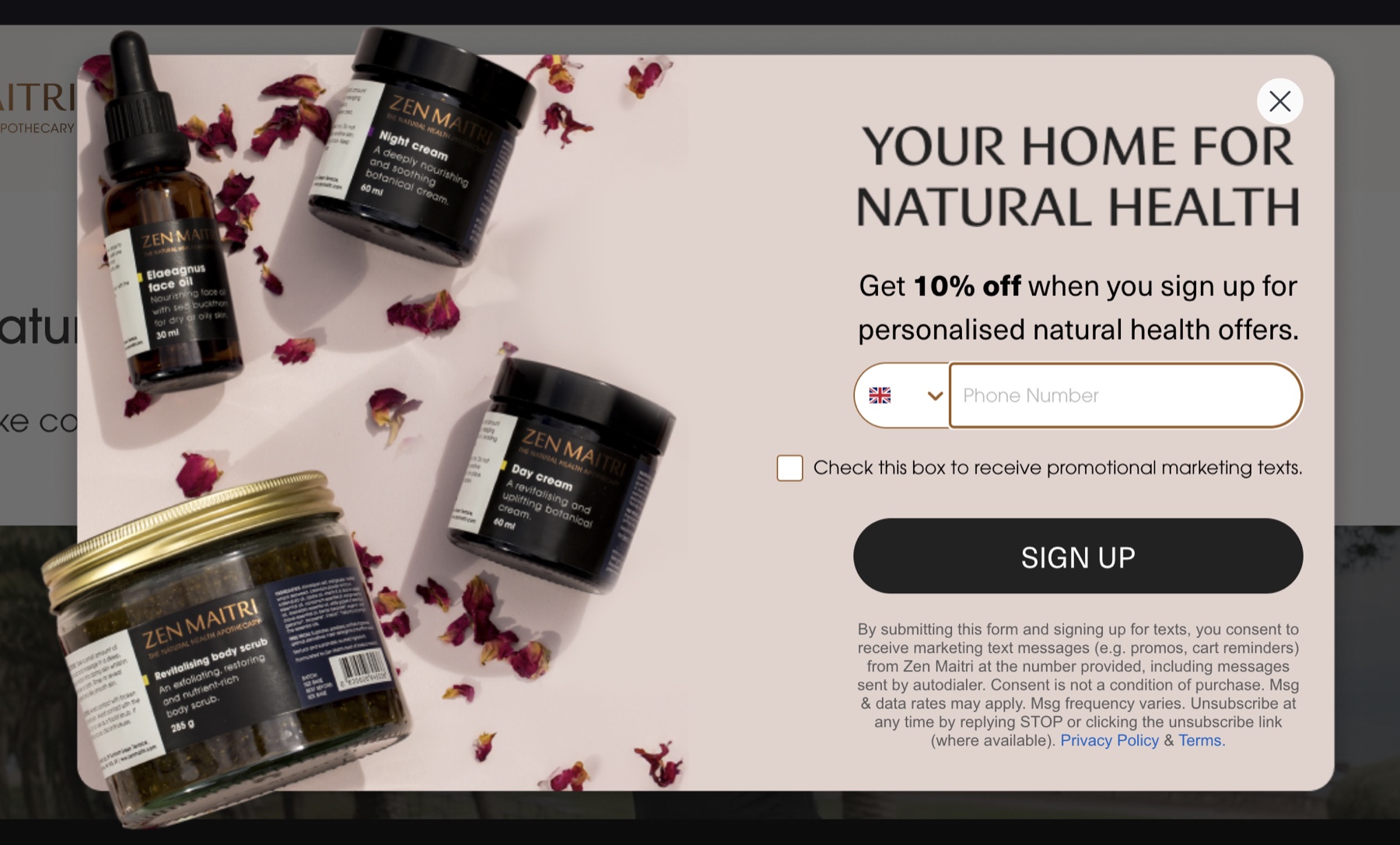
A sign-up form is a trade. The visitor gives you something and expects something back, and every extra field puts the price up on their side. Two-step forms soften that: take the address first, ask the question second, once the deal's already done.
So the budget is one question, and it has to earn its place. If no email would be written differently because of the answer, you're spending subscribers to fill a column nobody reads.
Which question to ask, by what you sell
| What you sell | The question worth asking | What it changes |
|---|---|---|
| Supplements | What are you trying to sort out? | Which range the welcome series leads with |
| Pet | Dog or cat, and how old? | Food stage, portion size, every product recommendation after |
| Homeware | Are you buying for yourself or as a gift? | Whether reorder timing applies at all |
| Food and drink | Anything you avoid eating? | Which recipes and bundles you can safely send |
| Fashion | Which sizes should we tell you about? | Back in stock alerts that aren't a disappointment |
Later matters. A post purchase email or a preference centre can collect the second and third answers from somebody who's already bought, and that's a far cheaper moment to ask.
Consent, storage and the part people forget
Declared data is still personal data. It needs a lawful basis, a privacy notice saying what you'll do with it, and a way for somebody to change their answer later. Read the Information Commissioner's Office on this, not a vendor blog.
Then use it inside a week. An answer collected and ignored is worse than no answer, because the customer told you something and watched nothing change. Send the branch you collected it for, starting with the welcome flow, and test the form itself the way you'd test any other step in the lifecycle.
Ask for one thing, then use it
Zero party data is worth having for one reason: the customer chose to give it to you, so they expect to see it used. That expectation is the whole asset and it decays fast. Ask one question, branch one flow on the answer, and add a second only when the first one is visibly changing what lands in the inbox. The neighbouring terms are in the glossary.
Related terms
FAQs
What is the difference between zero party and first party data?
Zero party data is given on purpose: a preference, a birthday, an answer to a quiz. First party data is observed: pages viewed, products bought, emails clicked. Both are yours and both are personal data under UK rules. Only the declared half tells you what somebody intended, not what they did.
Is zero party data still personal data under UK GDPR?
Yes. Volunteering it doesn't put it outside the rules. You still need a lawful basis, a privacy notice describing the purpose, and a route for the customer to correct or withdraw it. The Information Commissioner's Office publishes the guidance that governs this, and it's short enough to read in a sitting.
How many questions should a sign-up form ask?
One, beyond the email address, unless you've already got a flow branch waiting for the second answer. Every extra field drops the submit rate, so the question has to buy something specific. Collect the rest after the first purchase, when the relationship justifies the ask.
Does a quiz count as zero party data?
Yes, and it's usually the most productive form of it, because the customer gets a recommendation back for answering. The risk is a long quiz whose answers feed nothing. Every question should map to a filter or a flow branch before it goes live.
Rather we explained it on your own account?
Bring your Klaviyo account to a growth consultation. We'll walk through what this means for your numbers, in plain English, and what we'd fix first.


Half an hour with Theo, our founder.
We're all about relationships built on trust, mutual respect and a shared vision for success. If that sounds like your vibe, let's make some waves together 🌊