Email personalisation: what to tailor beyond the first name
Changing what each customer gets based on what you know about them. The first name is the smallest part. Who gets the email, and when, does most of the work.
- Runs on
- What people bought, browsed and told you
- Built with
- Segments, flow splits, show and hide blocks, product feeds
- Starts with
- Who gets the email, before what goes in it
- Goes wrong when
- The data's old, missing, or used too cleverly
Four layers of personalisation, from who to hello
| Layer | What changes | For example |
|---|---|---|
| Who gets it | The audience | A launch that only goes to buyers of that range |
| When it lands | The timing | A reorder email timed to when the last pack runs out |
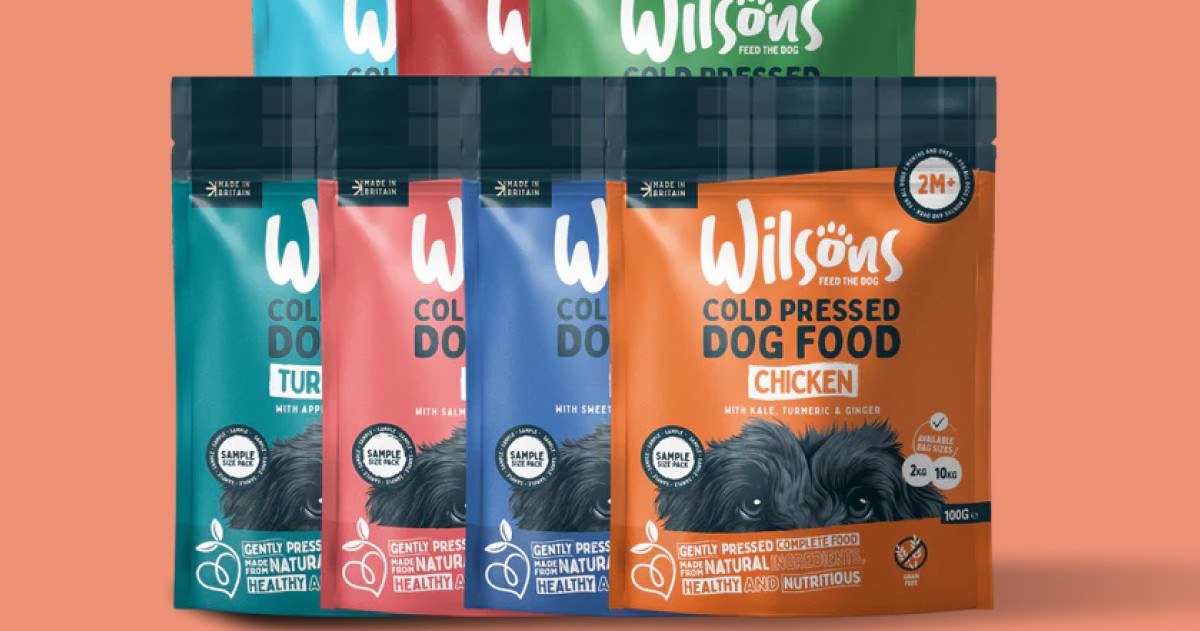
| What's inside | Blocks, products, offers | Puppy food for puppy owners, adult food for everyone else |
| How it greets them | Name or location | A first name in the subject line |
Start at the top. The first two rows decide whether the email is relevant at all, and that's flows and segments, not clever copy. A perfect greeting on the wrong email is still the wrong email.
The data your personalisation actually runs on
Three sources, in order of how far to trust them. What people did, like orders, product views and clicks, which Shopify and Klaviyo already record. What they told you, like a quiz answer, which is zero-party data. And what's been inferred, like a predicted next order date, which is a guess and should be treated as one.
Your account probably holds more than your emails use. A quiz answer that changes nothing in any email is just a column. There's a worked example in using Klaviyo custom events.
When personalisation gets it wrong in front of the customer
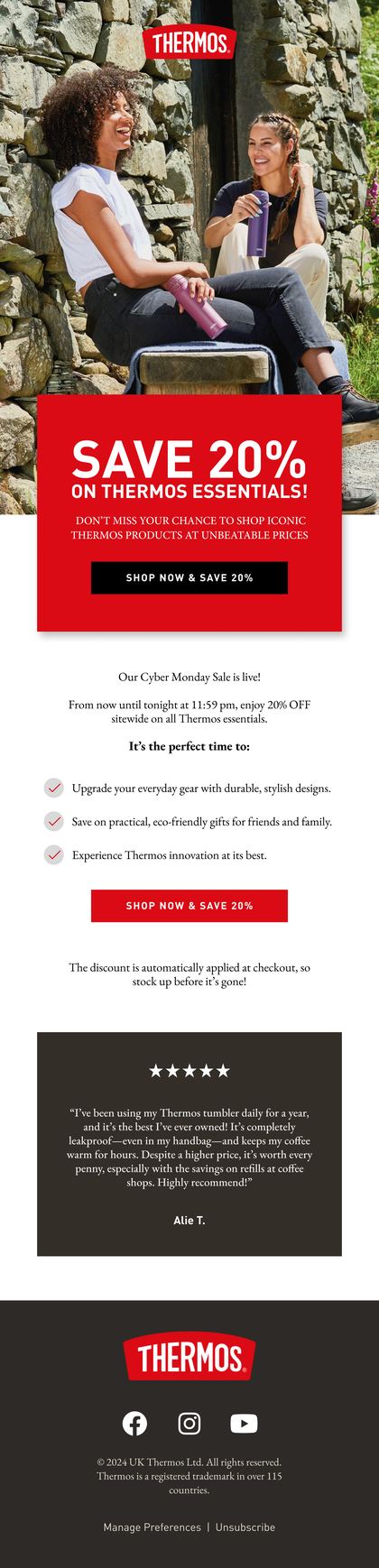
- Hi FIRSTNAME, or a blank where the name should be, because nobody set a fallback
- Recommending the exact thing they bought last week
- Showing products that are out of stock
- A birthday email on a date somebody guessed
- Copy that tells somebody you watched them browse
Read every branch of a personalised email as the person who'll get it. And remember the data is theirs. Under UK GDPR people can object to their data being used for direct marketing, profiling for it included, and the ICO's direct marketing guidance explains what that asks of you.
Related terms
FAQs
Does putting a first name in the subject line still work?
It's a courtesy, not a strategy. It can't hurt when the data's clean, and it's embarrassing when it isn't. If you use it, set a fallback so a blank field reads naturally, and judge any test of it on clicks, because Apple's privacy feature inflates opens. The audience and the timing matter far more.
How much customer data do I need before personalising emails?
Less than you'd think. One order and a couple of product views are enough to change what somebody sees next. Start with what your shop already sends Klaviyo, orders and browsing, before you collect anything new. Add a question at sign-up only when an email is waiting to use the answer.
What's the difference between personalisation and segmentation?
Segmentation decides who gets an email. Personalisation can also change what's inside it for each reader. They overlap. A segment is personalisation at the level of the send, and a block that shows different products to different people is personalisation at the level of the paragraph. Get the first right before the second.
Rather we explained it on your own account?
Bring your Klaviyo account to a growth consultation. We'll walk through what this means for your numbers, in plain English, and what we'd fix first.


Half an hour with Theo, our founder.
We're all about relationships built on trust, mutual respect and a shared vision for success. If that sounds like your vibe, let's make some waves together 🌊