Traffic sources: where your visitors come from, and what each one is for
Where your visitors were just before they landed on your site. The labels look tidy in Analytics. They're only as honest as the tags on your links.
- Read in
- The traffic acquisition report in Google Analytics, by channel
- Decided by
- The site the visit came from, plus any UTM tags on the link
- Catch-all bucket
- Direct, for any visit Analytics can't trace
How Analytics decides where a visit came from
Every visit arrives with two clues: the site it came from, and any tags stuck on the end of the link. Google Analytics reads both and files the visit under a channel, using the rules Google publishes in its default channel group guide.
When there's no clue at all, the visit goes in Direct. A typed address, a bookmark, a link tapped in an app that didn't say where it came from. Direct isn't really a channel. It's lost property.
Untagged email ends up in somebody else's column
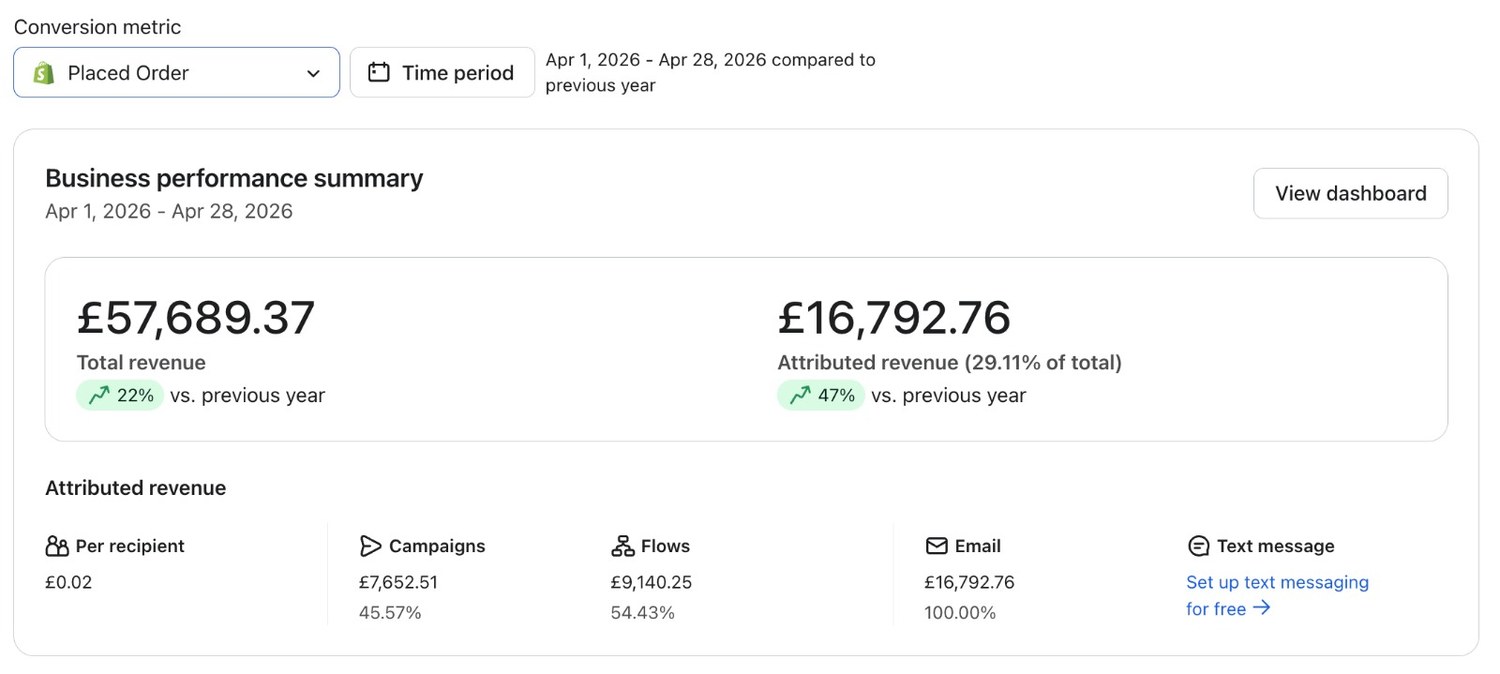
Here's the awkward one. Plenty of email apps don't pass along where a click came from, so an untagged link in your best flow can land in Direct or Referral, and email looks smaller than it is.
Tag every link you control. Klaviyo will add the tags for you, as its UTM tracking guide shows, but flow emails carry the setting one by one, so check those as well as campaigns. Then do the same for texts, social bios and the QR code on your packaging insert.
Judge each traffic source on the job it's there to do
| Source | Its job | Judge it on |
|---|---|---|
| Paid search and paid social | Finding new customers | What a new customer costs, and whether they come back |
| Organic search | Catching people mid-research | Organic revenue by landing page |
| Email and SMS | Bringing known customers back | Repeat orders and revenue per recipient |
| Referral | Press, partners and reviews sending people over | New visitors who sign up or buy |
| Direct | People who already know you | Nothing on its own. It reflects everything else |
Don't rank them against each other on last-click revenue. Email tends to look brilliant on that measure, because it talks to people who were already coming back, and paid social looks worse than it is. Read each one against its own job.
Related terms
FAQs

Why is so much of our traffic showing as direct?
Usually because links you control aren't tagged. Email apps, messaging apps and QR codes often arrive with no referrer, so Analytics files them as Direct. Tag every link you send and watch Direct shrink. What's left is mostly people typing your address, which is a good sign in its own right.
Why don't Klaviyo and Google Analytics agree on email revenue?
They're counting different things. Klaviyo credits an order to a message somebody received and engaged with inside a set window. Google Analytics credits the visits that led to the order, by its own rules. Neither is lying. Pick one for each question, say which one you used, and never add the two together.
Which traffic source matters most for an online shop?
None of them on its own. A shop living on one paid channel is renting its growth, and one living on email alone has stopped finding new people. A healthy mix has something bringing strangers in and something bringing customers back, and the second is where email and SMS earn their keep.
Rather we explained it on your own account?
Bring your Klaviyo account to a growth consultation. We'll walk through what this means for your numbers, in plain English, and what we'd fix first.


Half an hour with Theo, our founder.
We're all about relationships built on trust, mutual respect and a shared vision for success. If that sounds like your vibe, let's make some waves together 🌊