Product listing ads: why your product feed matters more than your bids
The product tiles, with a picture, a price and your shop's name, that Google shows when somebody searches for something to buy. Your product data does most of the work.
- 104PLA (Product Listing Ads)
- Ads that feature detailed information about specific products, including images, prices, and merchant names, typically displayed on search engine results pages.
- Also called
- Shopping ads, which is Google's name for them now
- Shown because of
- Your product feed, not keywords you bid on
- Charged
- Per click, in a standard Shopping campaign
PLA is the old name for Google Shopping ads
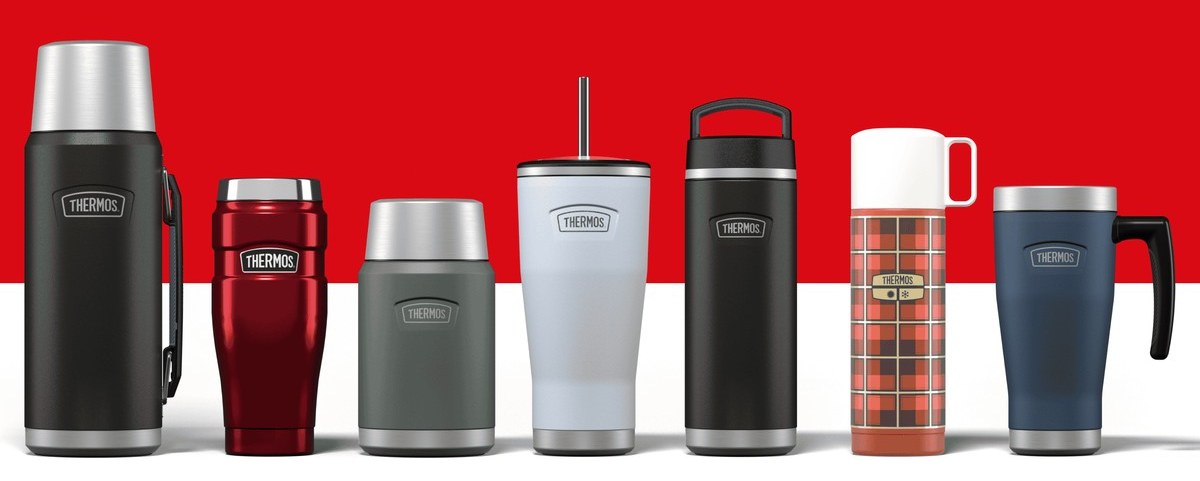
The industry still says PLA. Google says Shopping ads. Each one shows a product photo, a title, a price and your shop's name, and in a standard Shopping campaign you pay when somebody clicks. Google sets it all out in its Shopping ads guide.
The big difference from a search ad? No keywords to bid on. Google reads your product data and decides which searches each product fits.
Your product feed is the ad
Whoever manages the bids, the feed decides which searches your products can show for at all. It's the product data your shop sends Google, and every field is either helping you show up or quietly holding you back.
- Titles written the way people search: brand, product type, then the detail that matters, like colour, size or material
- Clean product images on a plain background, with nothing stuck on top
- Prices and stock that match the product page exactly, because mismatches get products disapproved
- Every variant and product identifier filled in, so the right item shows for the right search
The same feed can put your products into Google's free listings too. Tidy data pays twice.
The shopper saw your price before they clicked
A Shopping click is a comparison click. They've already seen your price next to everybody else's, so the product page has to settle the rest: delivery, returns, reviews, stock.
If they leave, retargeting ads can follow the ones who accepted your cookies. Email can only follow the people Klaviyo already knows, but for them it's far more useful: a browse abandonment flow for the product they looked at, and a price drop email if it gets cheaper.
On Shopify, your Klaviyo catalogue and your Google feed come from the same product data. Fix it at the source and both get better.
Related terms
FAQs
Do product listing ads use keywords?
No. Google matches searches to your products using the feed, from the titles and descriptions to the categories. You can still add negative keywords to keep products away from searches you don't want, but the words that win you the right searches live in your product titles.
Why are some of our products missing from Shopping ads?
Usually the feed. Products get disapproved or held back for prices or stock that don't match the page, missing images or identifiers, or policy problems, and the diagnostics in your Google merchant account will list them. Fix them in your shop's own product data, so the fix reaches every channel that reads it.
Are Shopping ads better than search text ads for a shop?
They do different jobs. Shopping ads suit searches for a specific thing, because the shopper sees the product and the price before clicking. Text ads suit searches that need words to answer: a problem, a gift, a whole range. Plenty of shops run both and let the results decide the split.
Rather we explained it on your own account?
Bring your Klaviyo account to a growth consultation. We'll walk through what this means for your numbers, in plain English, and what we'd fix first.


Half an hour with Theo, our founder.
We're all about relationships built on trust, mutual respect and a shared vision for success. If that sounds like your vibe, let's make some waves together 🌊