Email marketing agency vs in-house: what each one is better at
Both work. They fail in different ways, and the failure modes are the useful half of the comparison.


Start with what in-house does better, because that list is longer than most agencies admit. Then the question becomes what your account needs this year, and how much of it one person can carry before something gets quietly dropped.
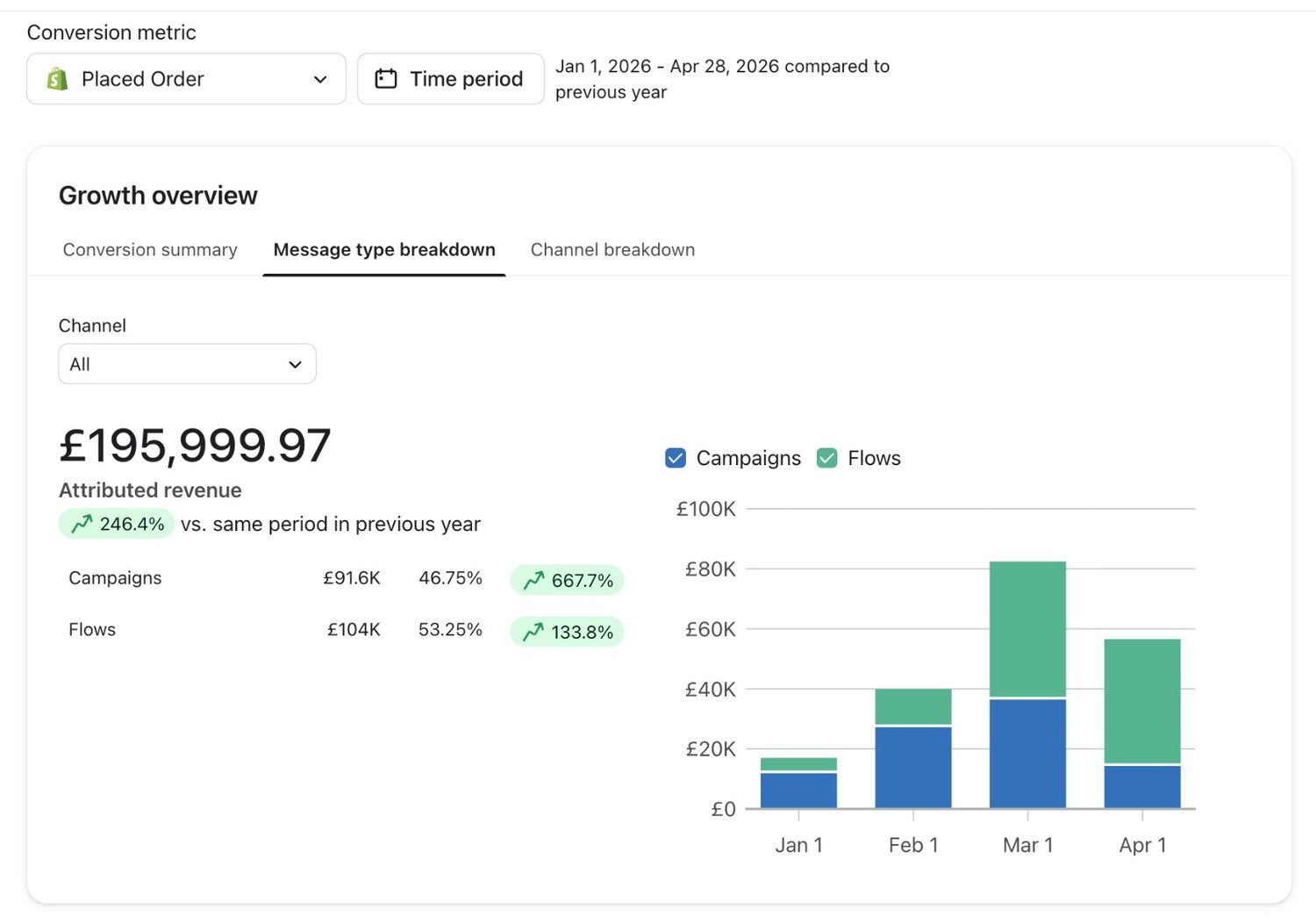
This is a question about coverage, not talent
A good in-house marketer and a good agency will build a similar flow stack. The difference shows up in the weeks nobody planned for: a launch, a holiday, a resignation, a peak that lands while somebody's off sick.
So the choice is between a person who'll know your brand better than any outsider, and a team that's seen the same problem on other accounts and is never all away at once. Both are real advantages. Only one of them is the one you need right now.
A salary isn't the whole cost of a hire either. Add the time to find them, the months before they know the products well enough to write about them, and the person who has to manage them. None of that makes hiring wrong. It just makes the comparison harder than two numbers suggest.
What an in-house hire does better
Agencies don't enjoy writing this list, so here it is first.
- Context. They know the products, the returns, the customer emails and what went wrong last Christmas
- Speed. A campaign can be written and sent the same morning, with no scope conversation
- Access. They're in the room where the buying and stock decisions get made
- Cost, eventually. Past a certain volume of work a salary is cheaper than a retainer
- Care. It's their brand, and it shows in the small decisions
The last two are the strongest arguments for hiring, and neither one shows up on an agency website. The catch is that all of it lives in one head, and heads leave.
What an agency does better
The case for an agency is narrower than most agency pages suggest. It comes down to pattern and cover.
- Pattern. Somebody has already made this mistake on another account and can name what happens next
- Cover. Nobody is the only person who can log in
- Range. Deliverability, design, Klaviyo logic and reporting are four skills that rarely live in one person
- Pace at the start. A flow stack that takes a new hire six months takes a team weeks
- An outside opinion, which is worth more than it sounds once a brand has been marketing to itself for a while
None of that is an argument against hiring somebody. It's an argument about the order you do things in.
The failure modes, side by side
Both options fail in ways you can predict, so you can plan around them.
| Where it slips | In-house | Agency |
|---|---|---|
| Volume | Sends less than planned once the week gets busy | Sends what was agreed, whether or not it suited the month |
| Knowledge | Leaves when the person leaves | Sits with an account manager who may change |
| Deliverability | Nobody owns it until something breaks | Owned, and usually invisible to you until you ask |
| Reporting | Marked by the person doing the work | Marked by the people being paid for the work |
| Brand voice | Consistent, and slowly becomes wallpaper | Sharper, and occasionally sounds like somebody else |
The arrangement that works most often
The version we see holding up isn't one or the other. Somebody inside owns the calendar, the brand voice and the day to day sending. Somebody outside owns the flow logic, deliverability and the quarterly rebuild.
It fixes the handover problem too. When the in-house marketer moves on, the flows, the segments and the reporting stay where they are, and their replacement inherits a system instead of a mystery. Lifecycle strategy is the part worth keeping outside, because it's the first thing to get dropped when a week goes wrong. It's the split our email marketing consultancy is built around.
Two questions that settle it
Forget the spreadsheet comparing a salary against a retainer. Two questions decide this more often.
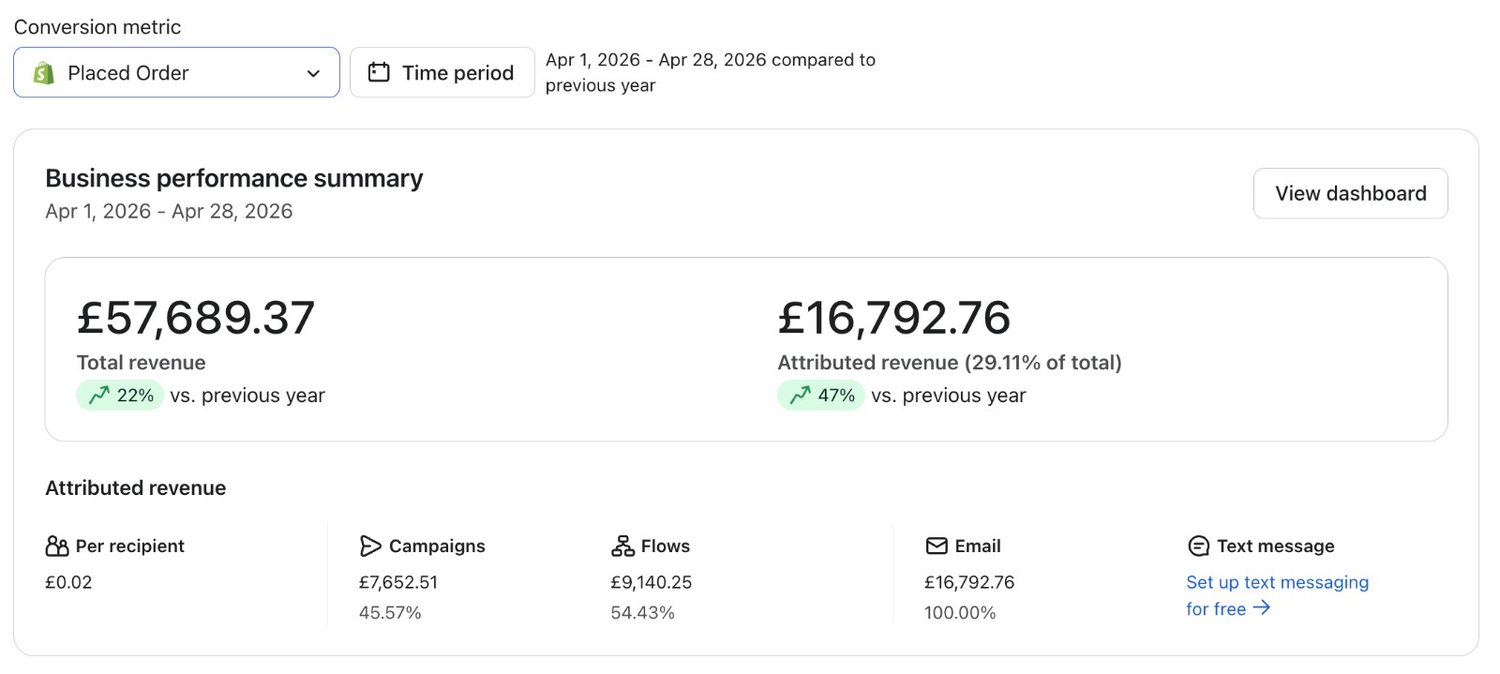
First, is there enough work to fill a week, every week? If the honest answer is two days, a salary buys three days of idle time and an agency buys the two days.
Second, what goes out the week that person is away? If the answer is nothing, you've got a single point of failure whichever route you take, and that's the thing to fix before you compare costs. How a programme actually runs is a fair question to ask any agency, and you should ask it.
There's a third question, which is who'll argue with you. An in-house hire has to live with the decision and an agency has to keep the client, so both have reasons to agree with the loudest person in the room. The arrangement that works has somebody whose job includes saying no.
Theo Tziapouras
Founder and strategy at Engage Commerce, the ecommerce agency for 7 and 8 figure DTC brands.
FAQs

Is an agency cheaper than hiring someone in-house?
At low volume, usually. At high volume, usually not. A salary is fixed and a retainer is scoped, so the moment there's more than a full week of work every week, the salary starts to look better. The honest answer depends on how much email you actually send.
Can an agency and an in-house marketer work together?
That's the arrangement we see working most often. The person inside owns the calendar and the voice, the team outside owns the flow logic, deliverability and reporting. It only goes wrong when nobody has written down which side owns what.
What should I hire first if I can only do one?
Get the flows built properly by somebody who has built them before, then hire for the calendar. Flows are the part that keeps earning without anybody touching them, and they're also the part a first-time hire will take longest to get right.
What happens to our flows if we stop working with an agency?
They keep running, because they live in your Klaviyo account, not in the agency's. What stops is the maintenance: nobody watching deliverability, nobody rewriting the flow that has stopped converting, nobody noticing when a product it recommends goes out of stock. Flows decay slowly, and that's what makes it easy to miss.
How do I stop an agency from becoming a black box?
Own the Klaviyo account, ask for reporting in the platform and not in a slide deck, and insist the person doing the work is on the call. If those three hold, an agency is no more opaque than an employee who never shows you their working.
Hire the thing you're short of
Brands rarely lack ideas for emails. They lack the hours to send them properly and the specialist knowledge to keep them landing, and those two gaps point at different answers. If the calendar's empty because nobody has time, hire. If the calendar's full and the results are flat, the problem is in the flows, the segments or the inbox, and a person on their own will be learning that on your account.
Hiring an agency
What the money buys, what to ask before you sign, and what to walk away from.

What does an email marketing agency do, month by month
The first quarter is catch-up work. The order it happens in, and the month where you find out what you actually bought.
Read it
Email marketing retainer vs project: how to buy the work you need
A project ships a thing. A retainer keeps a thing working. Most brands buy the wrong one first, and it costs them the build.
Read it
How to run a Klaviyo account audit before you hire anyone
The order we open an account in, the five screens that tell you most, and the list to write while you are in there.
Read itWould you rather this was just handled?
Bring your Klaviyo account and the thing annoying you most. We will tell you what we would fix first, before you spend anything.

Half an hour with Theo, our founder.
We're all about relationships built on trust, mutual respect and a shared vision for success. If that sounds like your vibe, let's make some waves together 🌊