Home / Insights / Choosing an email marketing agency
Buyer's guide · hiring

Choosing an email marketing agency, without taking anybody's word for it

The questions that decide it, what a good answer sounds like, and the point where we tell you we're the wrong shop.

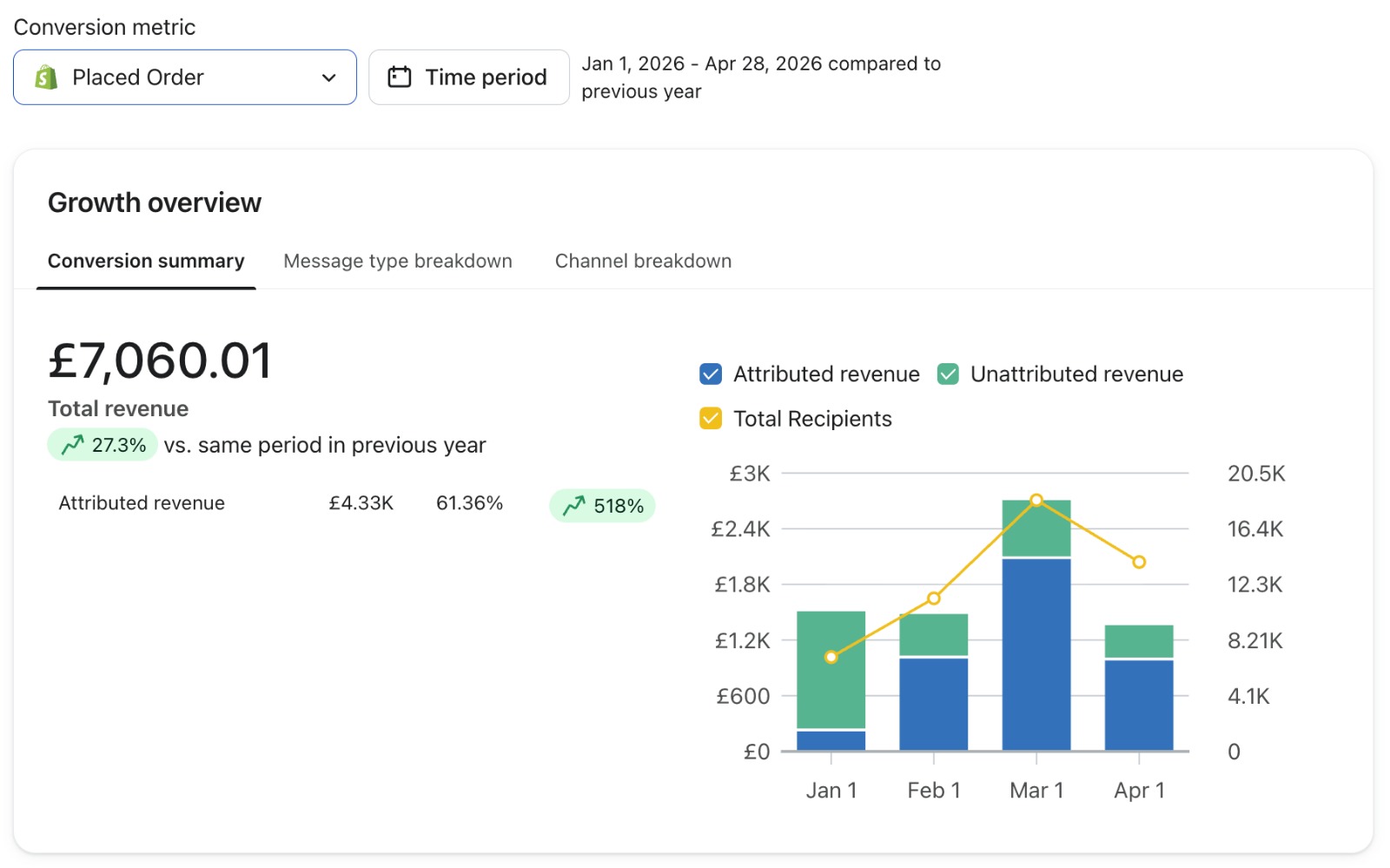
A Klaviyo growth overview showing the time period, total
store revenue, attributed revenue and the share of the total it represents
The questions

Six questions worth asking before you sign anything

Every agency sounds the same on a first call. So ask all of them the same questions, in the same order, and write the answers down.

Who owns the account, and the data

If we stop working together on Friday, what is still mine on Monday?

Good answer

The account is yours, in your billing, with the agency a user you can remove. List, templates and flows stay put.

Worry if

It sits in the agency's name, or the list gets called theirs. The one asset you can't rebuild.

Where the flows actually get built

Are these flows built in my account, or is last month's build getting my logo dropped in?

Good answer

They name the flows they'd build and why, and the logic moves with your own margins and reorder cycle.

Worry if

A fixed list of flows with a fixed number of emails, quoted before anybody opened the account.

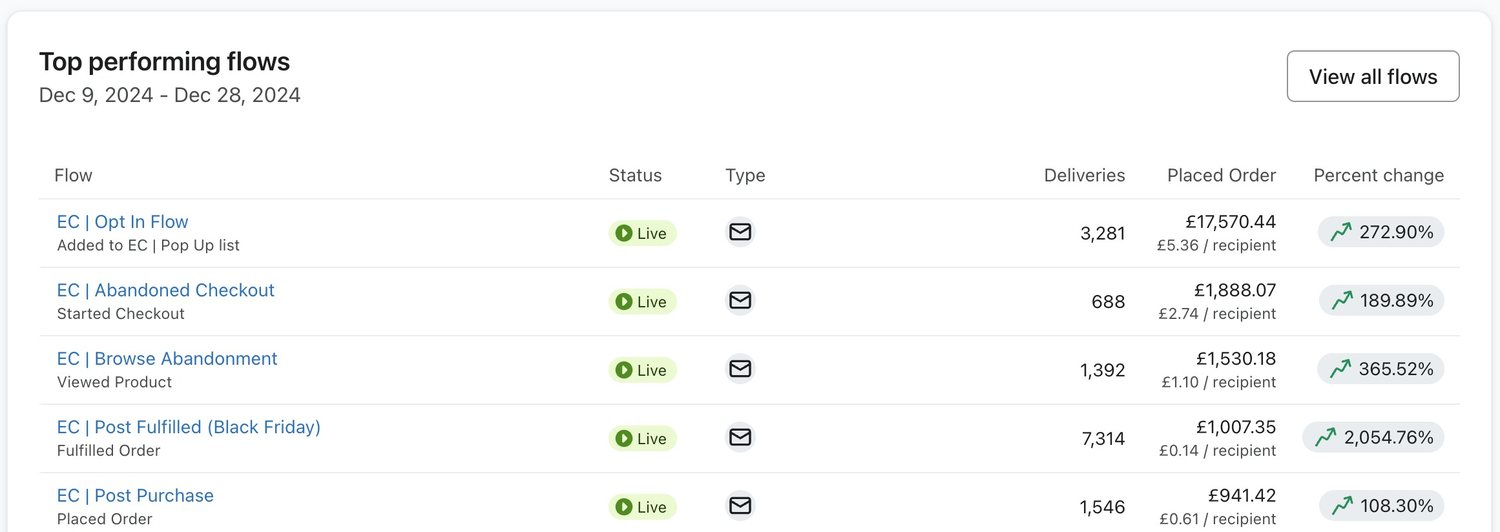
A flow report inside a live client Klaviyo account, each automation named with the
event it fires on and a live status beside it

How results get attributed and reported

Which attribution window are you quoting, and what did the store total in the same period?

Good answer

One agreed window, printed on every report, read against the store's own revenue, not the platform alone.

Worry if

A revenue share with no window, no dates, no store total. That's a screenshot, not a report.

What happens once the backlog is done

The first ninety days are the catch-up. What does month three look like?

Good answer

A named plan past go-live: the campaign calendar, the tests queued, flows rewritten because the data moved.

Worry if

A proposal that stops the day the build ships, or a retainer that becomes a few sends a month.

Who does the work, day to day

Who writes and builds this, and who am I speaking to on a Wednesday?

Good answer

Named people, given before you sign, and whoever pitched still on the account in month six.

Worry if

The pitch team and the delivery team are different, and nobody will say which is which.

What a fair engagement looks like

What am I committing to, and how do I leave if this isn't working?

Good answer

Scope in writing, a rolling or short term, notice you can serve, the work left in your account.

Worry if

A year committed before the work is proven, or an exit that costs you the templates.

Our own answer to the reporting one: Rebel Aromas, email attribution 8.9% to 27.3%.

The scorecard

Score the shortlist out of twelve, ours included

No good agency can promise you a result. Two points when the answer is in writing, one when they said the right words, none when the subject changed.

Two points, the answer is in writingOne point, they said the right wordsNo points, the subject changed
  • Ownership
  • The build
  • Reporting
  • Month three
  • The people
  • The terms

Top marks: twelve. Under half is asking you to take the rest on trust.

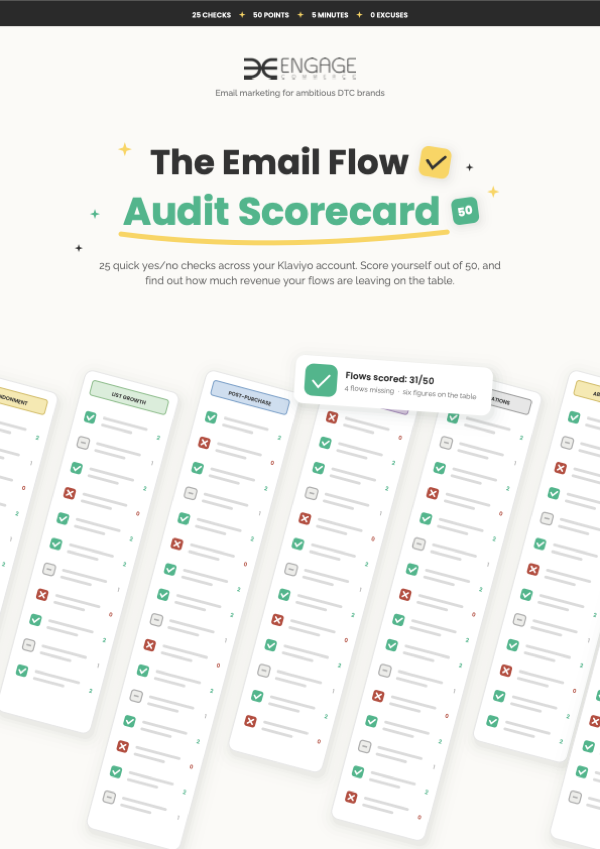
Front cover of The Email Flow Audit Scorecard: a black banner reading 25 checks,
50 points, 5 minutes, 0 excuses, above a fan of checklist sheets ticked and crossed in
green and red

Then score the account, not just the agency

Our Flow Audit Scorecard is the same idea pointed at your own Klaviyo account: twenty-five yes or no checks, fifty points, five sections. Run it before the calls and you'll know which answers you actually need.

Open the scorecard
Red flags

The answers that should end a pitch early

None of these is about a particular agency. They're about answers you'll hear on a first call.

A number promised before the audit

Nobody knows what your account will do before opening it. A guaranteed figure is a closing tool, not a forecast.

The platform account in their name

If the account, the authentication or the list live with the agency, leaving costs you the asset you paid for.

One attribution number, no context

A revenue share with no window, no dates and no store total tells you how generous a setting is.

A year signed before anything is proven

Long terms protect the agency's forecast, not your outcome. A quarter is long enough to show your work.

The pitch team is not the team

Sold to by the founder, delivered to by somebody you've never met. The commonest complaint we hear.

Deliverability treated as a setting

Authentication, list hygiene, sunsetting and send volume decide whether the work reaches an inbox. It should come up unprompted.

Fit

When we're not the right agency for you

The five reasons we turn work away, and where we'd point you instead.

Your budget does not allow for growth

Strategy, design, build and analysis all cost something before they earn anything back. A budget that can't cover the work can't buy the result.

What to do instead

Run the scorecard and build the two flows it marks lowest. Cheapest revenue in the account.

Our visions do not align

We have to be interested in what you sell, and you've got to be on board with the approach. A clash on the first call doesn't soften by month six.

What to do instead

Hire the shop whose published work you already like. Enthusiasm is most of the difference.

You want to micromanage us

We work best with sign-off on direction, not approval on every subject line. Momentum and a four-stage approval loop can't share an account.

What to do instead

A freelancer working to your brief will make you happier, and cost less to direct.

Expectations are unrealistic

Retention compounds month after month. It doesn't detonate, whatever somebody else's homepage implies.

What to do instead

If you need the revenue this week, email is the wrong instrument. Ask us and we'll say so.

You want us to teach you on the job

We explain what we're doing and why, in plain English, on every report. But we're not running a training course alongside your campaigns.

What to do instead

Take the playbooks instead. Free, and the documents we work from on live accounts.

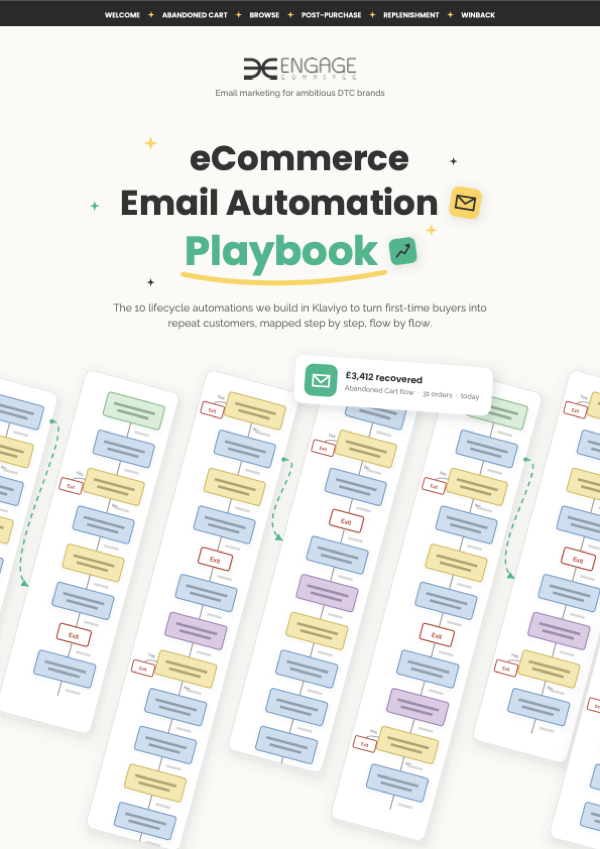
The cover of the eCommerce Email Automation Playbook, with the flow diagrams it maps out below the title

The honest edges of what we do, not a filter. The reasons we say yes are on the discovery call page.

Where this leads

The pages a shortlist usually opens next

The service itself, the flow library behind it, and the programmes it sits alongside.

Hiring questions

FAQs

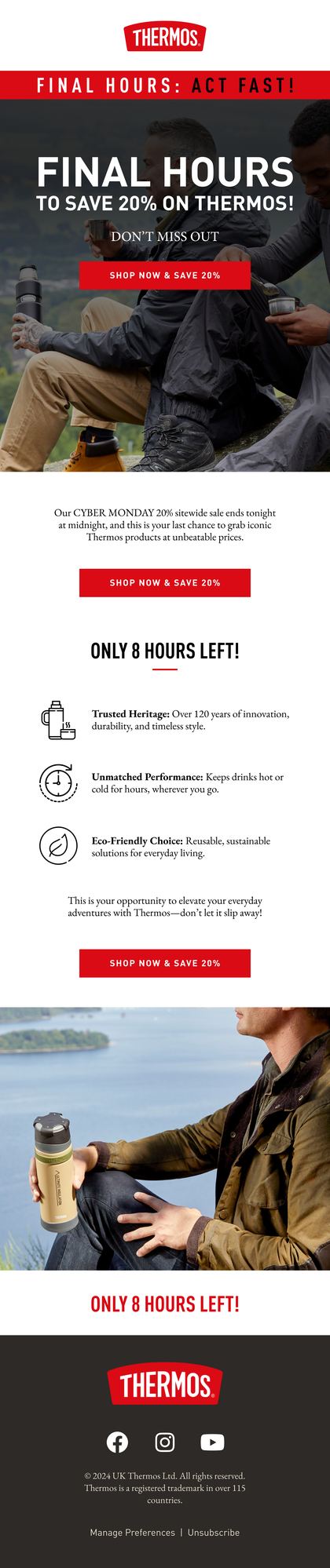
A Thermos flask held by a walker sitting above a lake
Agency, in-house or both
Should I hire an email marketing agency or build the team in-house?

In-house wins on brand knowledge and on small changes made quickly. An agency wins on range: deliverability, copy, design, build and reporting are five different skills, and one hire rarely covers all five. Most people do best with an agency until the programme is stable, then a hybrid.

How much does an email marketing agency cost?

We won't print a number here: the ranges are so wide it would mislead you. The shape matters more. A one-off build cost agreed in writing, then a monthly retainer for the campaigns and the reporting. Ask what's included, what counts as extra, and what the notice period is.

How long before an email programme shows results?

Flows you already have often improve inside the first month. A rebuilt evergreen stack takes about a quarter before it's worth judging, because enough traffic has to see it first.

Checking what you're told
How do I know the results an agency shows me are real?

Ask which attribution window every figure uses. Ask for the dates. Then ask what the store turned over in the same period, because a revenue share only means something with the denominator attached. And ask to see a programme that didn't go to plan. Everybody has one.

What are the red flags when hiring an email marketing agency?

A figure guaranteed before anybody's opened the account. The platform account held in the agency's name. Reports with no window and no dates, a year committed before the work is proven, a pitch team you never meet again, and deliverability treated as a checkbox.

What should I ask for in writing before I sign?

Scope, the notice period, who owns the platform account and the data, who does the work, and what the reporting looks like and when it lands. An answer that's comfortable on a call is comfortable to write down.

Asking us the same questions
Do I have to move to Klaviyo to work with you?

No. We're an official Klaviyo partner and it's what we build in, so our playbooks assume it. On another platform we'll tell you straight whether moving is worth it, or whether what you've got is fine.

Can I use this guide to score you?

Please do, and do it before the call, not after the invoice. The account and the data stay yours. The flows get built in your platform, the case studies name the client and the period, the team page names who'd run your account, and the terms are thirty-day rolling.
Not got your answer?Chat to us

Ask us the questions on this page

Bring the score sheet and put us through it. If the answers don't suit you, you've lost half an hour and gained a better shortlist. No hard feelings.

Engage CommerceTheo Tziapouras, founder of Engage Commerce

Book a call with our founder.

We're all about relationships built on trust, mutual respect and a shared vision for success. If that sounds like your vibe, let's make some waves together 🌊