Email marketing retainer vs project: how to buy the work you need
A project ships a thing. A retainer keeps a thing working. Most brands buy the wrong one first, and it costs them the build.


Both are honest ways to buy. The mistake is buying the retainer before there's anything worth retaining, or buying the project when the account will sit untouched from the week after handover. What decides it is month four, not the quote.
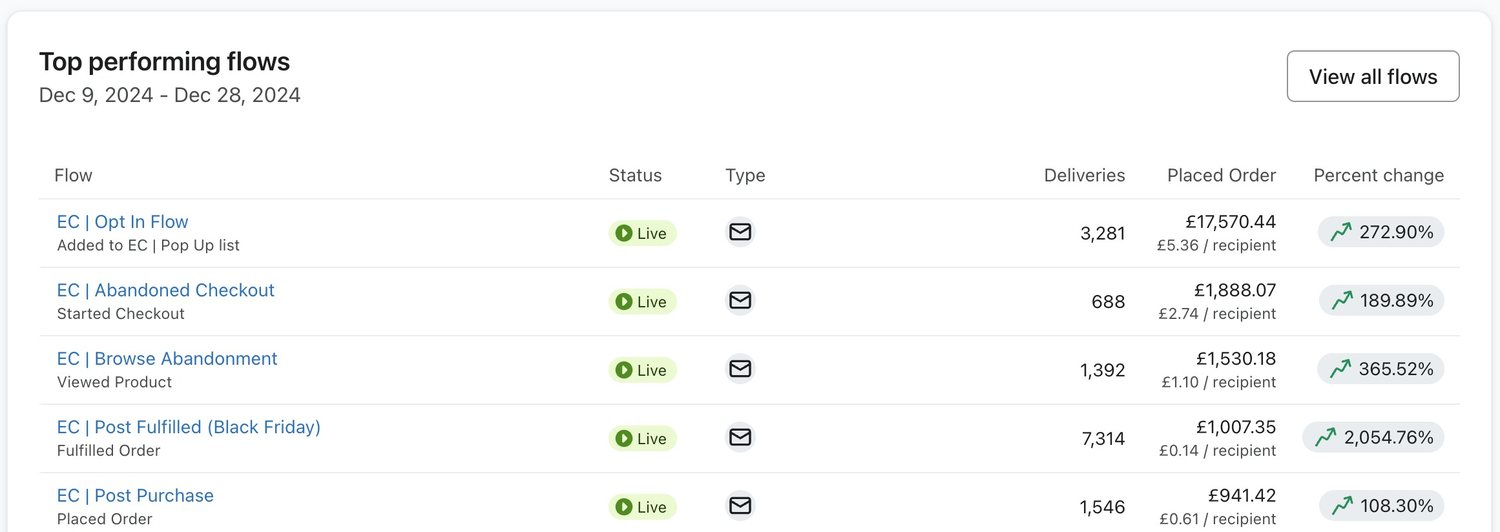
A project ships a thing, a retainer keeps it working
A project has an end. Somebody scopes the build, quotes it, ships it and hands it over, and the morning after handover it's yours to run. A retainer buys a share of a team every month, and what it produces isn't a thing but a rate of change.
That's the whole distinction, and almost every argument in month four comes from buying one and expecting the other. A brand that wanted assets ends up paying for judgement it never uses. A brand that wanted judgement ends up with a stack nobody maintains.
The case for the one-off build
A one-off build is the right purchase far more often than agencies admit. If the account is close to empty and somebody in house is genuinely going to run it afterwards, a project gets you a stack you own for a number you agree once.
- The flows don't exist yet, so the first build is most of the value
- There's a real person in house who will send the campaigns afterwards
- The brand is seasonal enough that most of a year on retainer would sit idle
- You want to see whether the agency is any good before buying the year
- The budget is approved once, not monthly
The risk is the one everybody knows and nobody prices. A flow stack decays: products change, the offer changes, the delivery promise changes, and a build handed over in March is quietly wrong by autumn if nobody opens it.
So buy the handover with the build. A walkthrough of the flow logic, the naming convention and the reason behind every delay beats two extra emails in a sequence. It's the only part that lets somebody else keep it true.
The case for a retainer instead
A retainer is worth it when the value sits in the decisions and not in the assets. Once the stack exists, the money's in what gets tested, what gets rewritten because the data moved, and what gets sent this month that nobody planned last month.
That didn't come out of a build. It came out of a year of them, in an order nobody could have written down in advance, and the Rebel Aromas case study sets out the sequence.
Write it down before either one starts
The difference between a good engagement and a bad one is almost always scope. Both models fit on a page, and anybody who won't put theirs on a page has told you something useful for free.
| A project | A retainer | |
|---|---|---|
| What is fixed | The deliverables and the price | The monthly fee and the notice period |
| What varies | Nothing, which is the point | What gets worked on, decided month by month |
| Where it ends | At handover, with the flows in your account | Whenever either side serves notice |
| The main risk | The stack decays because nobody owns it | It becomes a few sends a month and nobody notices |
| Ask for | The named flows, the logic and a handover session | The report, the test log and the next three moves |
Whichever you buy, the platform account, the list, the templates and the flows belong in your billing, with the agency as a user you can remove. That part isn't a negotiation, and the buyer's guide carries the rest of the questions worth asking before you sign.
The retainer that quietly became four sends a month
The commonest failure here isn't a bad build. It's a retainer that started as a rebuild and settled into a monthly campaign service, at the same fee, without anybody deciding that it should.
It happens because the backlog gets cleared and nothing replaces the ambition. The test takes one question: ask what was rewritten last month because the data said so, and see whether you get a list or a pause.
The fix is rarely a new agency. Put a standing item on the monthly call for what gets retired, and give whoever runs the account permission to switch off something that isn't working. A retainer with nothing left to delete has stopped looking.

Three questions that settle it
- Who presses send in month four, and are they hired, real and available?
- Is the value in the build itself, or in what gets decided every month after it?
- If this isn't working, how do I leave, and what do I keep when I do?
A real person, the build and a clean exit: buy the project and keep the difference. Nobody in house, an account big enough that the monthly decisions outweigh the assets, and the retainer is the cheaper mistake.
We work on thirty day rolling terms, because a year signed before anything is proven protects our forecast, not your outcome. Ask whoever you're speaking to what happens on the day you give notice, and whether the build stays in your account. If that answer needs a lawyer, buy the project.
Theo Tziapouras
Founder and strategy at Engage Commerce, the ecommerce agency for 7 and 8 figure DTC brands.
FAQs

Is a one-off email marketing project cheaper than a retainer?
Over a quarter, almost always. Over two years, rarely, because a stack nobody maintains stops matching the products, the offers and the delivery promise it was written for. The honest comparison isn't the invoice. It's the invoice plus whatever the flows are still earning in month eighteen.
What should a monthly email retainer include?
Ask for it as a list: the campaigns, the flow maintenance, the tests, the reporting call, and who does each one. Then ask what counts as extra. A retainer with no named deliverables becomes whatever there's time for that month, which is how it turns into four sends and a slide.
Can we start with a project and move to a retainer later?
Yes, and for most brands it's the sensible order. Buy the build, run it in house for a quarter, then see what you actually run out of. If the answer is time and judgement instead of assets, that's the month to start paying monthly.
How long should we commit for?
Long enough to judge the work, short enough to leave. A quarter is usually the fair test for a rebuilt programme, because the flows need enough traffic through them to mean anything. We work on thirty day rolling terms, which is our preference, not an industry rule.
Buy the model, not the pitch
Nobody should be sold a retainer for work that finishes, and nobody should be sold a project for a channel that needs somebody in it every week. Decide which of the two you're actually buying, write the scope down, and keep the account in your own name either way. How we work is the version with dates against it, and how we build email systems is what sits inside the months.
Hiring an agency
What the money buys, what to ask before you sign, and what to walk away from.

How to run a Klaviyo account audit before you hire anyone
The order we open an account in, the five screens that tell you most, and the list to write while you are in there.
Read it
The questions to ask an email marketing agency before you sign
What to ask, what a good answer sounds like, and what to have in writing before the contract rather than after it.
Read it
When to hire an email marketing agency, and when not to yet
Three situations where waiting is the right call, two that mean you are already late, and what a retainer cannot fix.
Read itWould you rather this was just handled?
Bring your Klaviyo account and the thing annoying you most. We will tell you what we would fix first, before you spend anything.

Half an hour with Theo, our founder.
We're all about relationships built on trust, mutual respect and a shared vision for success. If that sounds like your vibe, let's make some waves together 🌊