Yield management in email: more money from each send, not more sends
An airline idea borrowed by email: you've got a fixed stock of attention, and every send spends some of it. Yield is what each send earns back.
- 157Yield Management
- Adjusting email send strategies to maximise revenue, such as timing promotions based on customer behaviour.
- 156Yield
- The return or profit from your email campaigns, often assessed through metrics like ROI.
- 158Yield Optimisation
- The process of improving the efficiency of a business's operations to maximise returns, often through data analysis and strategic adjustments.
- Borrowed from
- Airlines and hotels, selling seats and rooms that expire unsold
- Measured as
- Revenue per recipient, read beside unsubscribes and spam complaints
- Not the same as
- Total revenue, which rewards sending more to more people
- Moved by
- Who gets the send, when it lands, how often, and what it offers
What the stock is when the thing you sell is an email
Airlines sell seats that are worthless once the plane leaves. So they price and time every seat to earn the most from a stock that can't grow. Your list works the same way, except the stock is attention.
Every send spends some of it. A good email spends a little and earns a lot. A lazy one spends plenty: an unsubscribe here, a spam complaint there, a few more people who've learned to scroll past your name in the inbox.
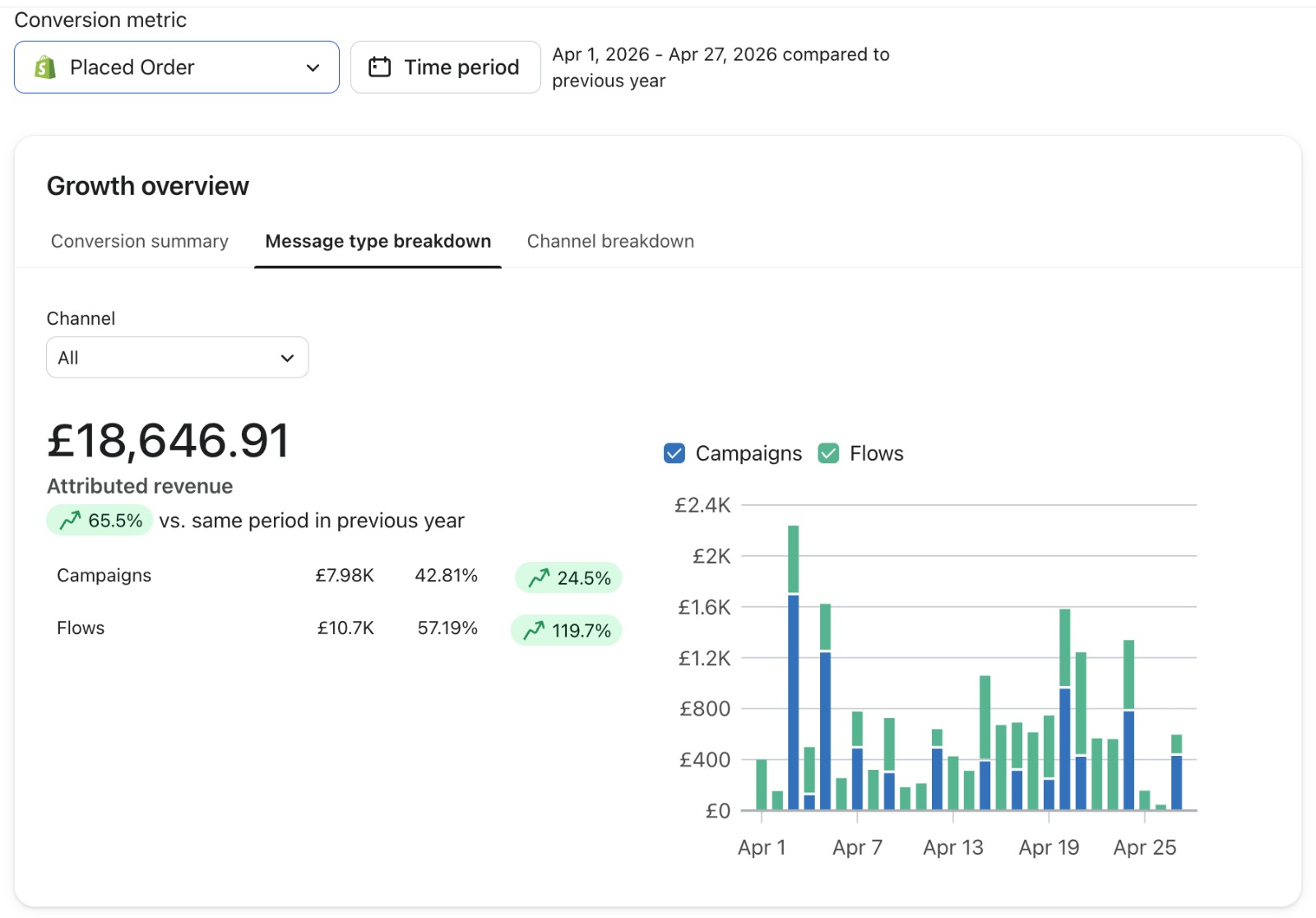
Measuring email yield per person, not per send
Total revenue rewards volume. Send to everyone, more often, and the revenue line goes up for a while. Revenue per recipient is the honest version: what each send earned from each person it interrupted. We've written up how to read it.
| Lever | What it changes |
|---|---|
| Who gets it | Engaged people first, and the unengaged on a much shorter leash |
| When it lands | Flows triggered by what somebody just did, not a date in the calendar |
| How often | Enough to stay remembered, not so much that people stop opening |
| What it offers | Money off for people who need a nudge, never for people already buying |
Where chasing yield stops paying
Look, yield can be gamed like any number. Cut the audience to your very best customers and revenue per recipient looks heroic, while the business earns less.
- Segments so narrow the send isn't worth writing
- Judging a change on one week instead of a full cycle
- Discounts for people who'd have paid full price anyway, which looks like yield and is really lost margin
- Pushing frequency up at peak and paying for it in unsubscribes afterwards
The fix is boring. Watch revenue per recipient and total revenue together, and check unsubscribes and complaints every time you change who gets what. Klaviyo's smart sending is one of the quieter levers, and it can mute flows you meant to send, so check how it's set.
Related terms
FAQs

Is yield the same as ROI in email marketing?
Close cousins. ROI compares what a programme earned with what it cost. Yield asks a narrower question: what each send earned from each person, and whether sending more is still adding money or just spending goodwill. A programme can show a fine ROI while its yield falls, and when that happens, look at how often you're sending before anything else.
Does sending more emails always bring in more revenue?
For a while, usually. Total revenue tends to rise as frequency goes up, while revenue per recipient slides and unsubscribes climb. The question is where the extra orders stop covering what you lose in list health and inbox placement. That point is different for every list, so test it on one segment and watch both numbers.
What's the difference between yield management and yield optimisation?
Not much in practice. Yield management is the habit of deciding who gets what and when, so the list earns the most without wearing out. Yield optimisation is the testing that keeps improving those decisions. Both live in the same three places: your segments, your flows and your calendar.
Rather we explained it on your own account?
Bring your Klaviyo account to a growth consultation. We'll walk through what this means for your numbers, in plain English, and what we'd fix first.


Half an hour with Theo, our founder.
We're all about relationships built on trust, mutual respect and a shared vision for success. If that sounds like your vibe, let's make some waves together 🌊