Native advertising: ads dressed as content, and where the click should land
An ad built to look like the article, feed or listing around it. It buys curiosity, not intent, so whatever catches the click decides whether it was worth paying for.
- 087Native Advertising
- A type of advertising that matches the form and function of the platform upon which it appears, blending seamlessly with content.
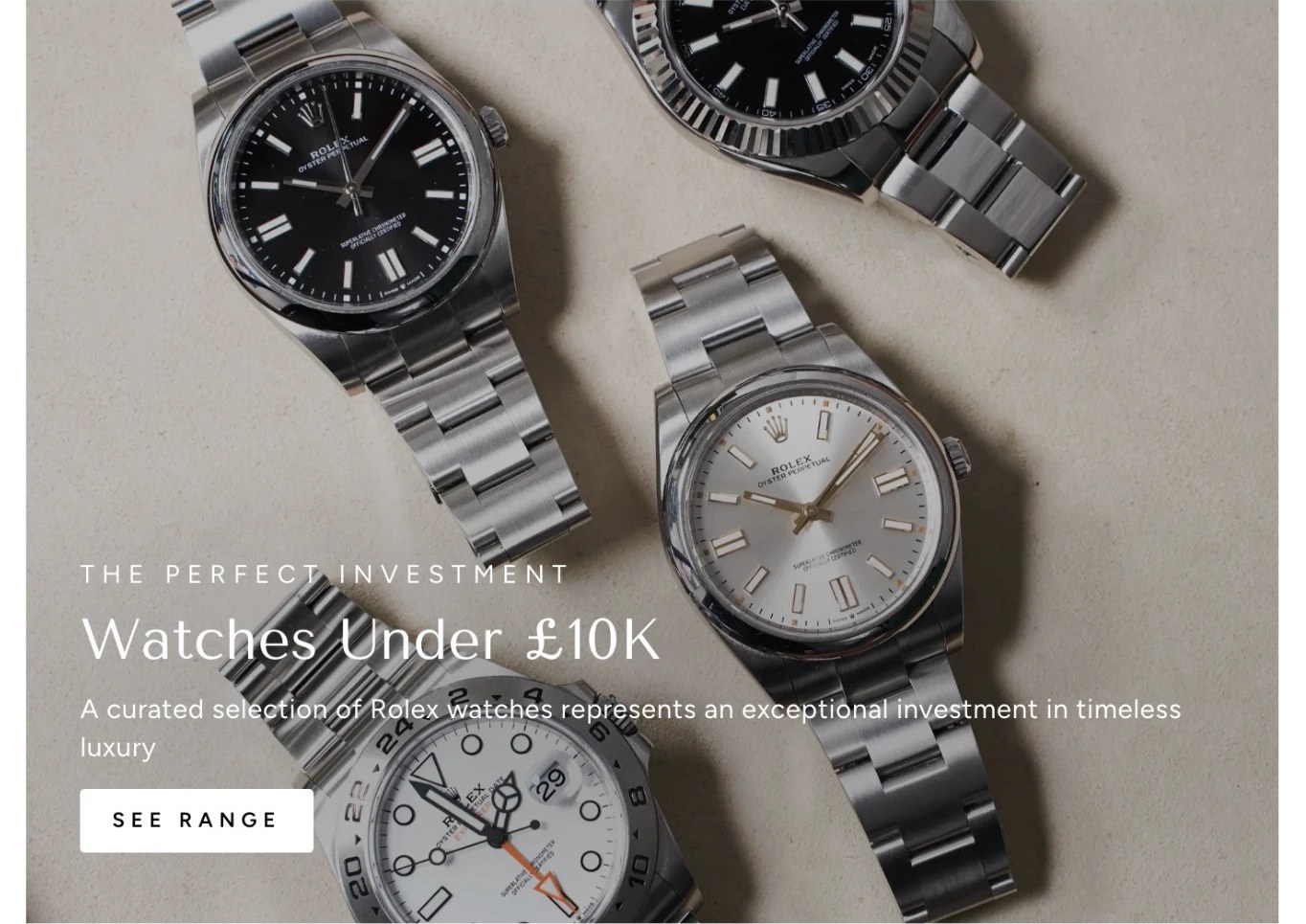
- Looks like
- A sponsored article, an in-feed post or a recommended story under the news
- Has to carry
- A clear sign that it's an ad, under the UK advertising code
- Brings you
- Curious readers, usually a long way from buying
- Judge it on
- What the people it brings in do over the following months
Where native ads turn up, and why they work at all
Native advertising is any paid placement made to match what's around it. A sponsored article on a magazine's site. A post in your Instagram feed that looks like the posts either side of it. A row of recommended stories under a news piece, one of them yours. A sponsored listing sitting in a marketplace's search results like everything else.
It works because people skip anything that looks like an ad. Dress the ad as the thing they came to read and they'll give it a few seconds. That's the whole trick. It's also the catch: the person who clicks was reading, not shopping.
The UK rule: a native ad still has to be obviously an ad
Matching the format is fine. Hiding that you paid isn't. The advertising code the ASA enforces says marketing has to be obviously identifiable as marketing, and it gives advertisement feature as an example heading for advertorials.
So expect the label and don't fight it. A good piece still works with an ad label on top, because people stay for a story worth reading. If it only works when nobody notices you paid, it doesn't work.
Catching the reader before the curiosity wears off
Somebody who clicked a sponsored story about sleeping badly hasn't decided to buy a pillow. They've decided to read about sleep. Drop them on the homepage and they're gone, along with what you paid for the click. It's the same handoff problem as sending Meta ads to the homepage.
- A landing page that carries on the story the ad started, in the same words
- A sign-up offer that suits a reader, like a guide or a quiz, before any discount
- A property on the Klaviyo profile saying which placement they came from
- A welcome flow that picks up the same argument, not the generic one
That last one is where most native budgets leak. The article earned a bit of trust, then the welcome flow opens with a brand story the reader's just been told. Write email one to finish the article's point.
Measuring native advertising past the first session
On a last-click report, native ads tend to look weak, and for an honest reason. Readers rarely buy on the first visit, so the sale lands weeks later under email, search or direct.
Judge a placement by the group it brings in: how many signed up, and what they spent once the welcome flow had done its work. Tag the source at sign-up, while you can still see it. Later, it's gone.
Related terms
FAQs
Is native advertising the same as sponsored content?
Mostly. Sponsored content is one kind of native advertising: an article or video a publisher runs because you paid for it. Native advertising is the wider idea, and it also covers in-feed social ads, recommended story widgets and sponsored marketplace listings. All of them borrow the look of what's around them, and all of them need labelling.
Do native ads have to be labelled in the UK?
Yes. The advertising code the ASA enforces says marketing must be obviously identifiable as marketing, and it suggests a heading like advertisement feature for advertorials. Ask the publisher how they mark paid pieces before you sign. This is a summary of the rule, not legal advice.
Does native advertising work for a small ecommerce brand?
It can, if you can wait for the payback. Native ads reach people early, so the sale tends to come later, through email and search. Without a sign-up offer made for that reader and a welcome flow written for them, you're paying to be read once. Build the catch first, then buy the placement.
Rather we explained it on your own account?
Bring your Klaviyo account to a growth consultation. We'll walk through what this means for your numbers, in plain English, and what we'd fix first.
Half an hour with Theo, our founder.
We're all about relationships built on trust, mutual respect and a shared vision for success. If that sounds like your vibe, let's make some waves together 🌊