Your Google ads already did the welcome flow segmentation for you
The search term that won the click is a ranked trust score, and most welcome flows throw it away at the popup.


Three people click the same ad today. One searched your brand name, one searched an alternative to a rival, one searched the category cold. Your welcome flow greets all three with the same opener, and the data that separates them is sitting in your ad account, paid for and ignored.
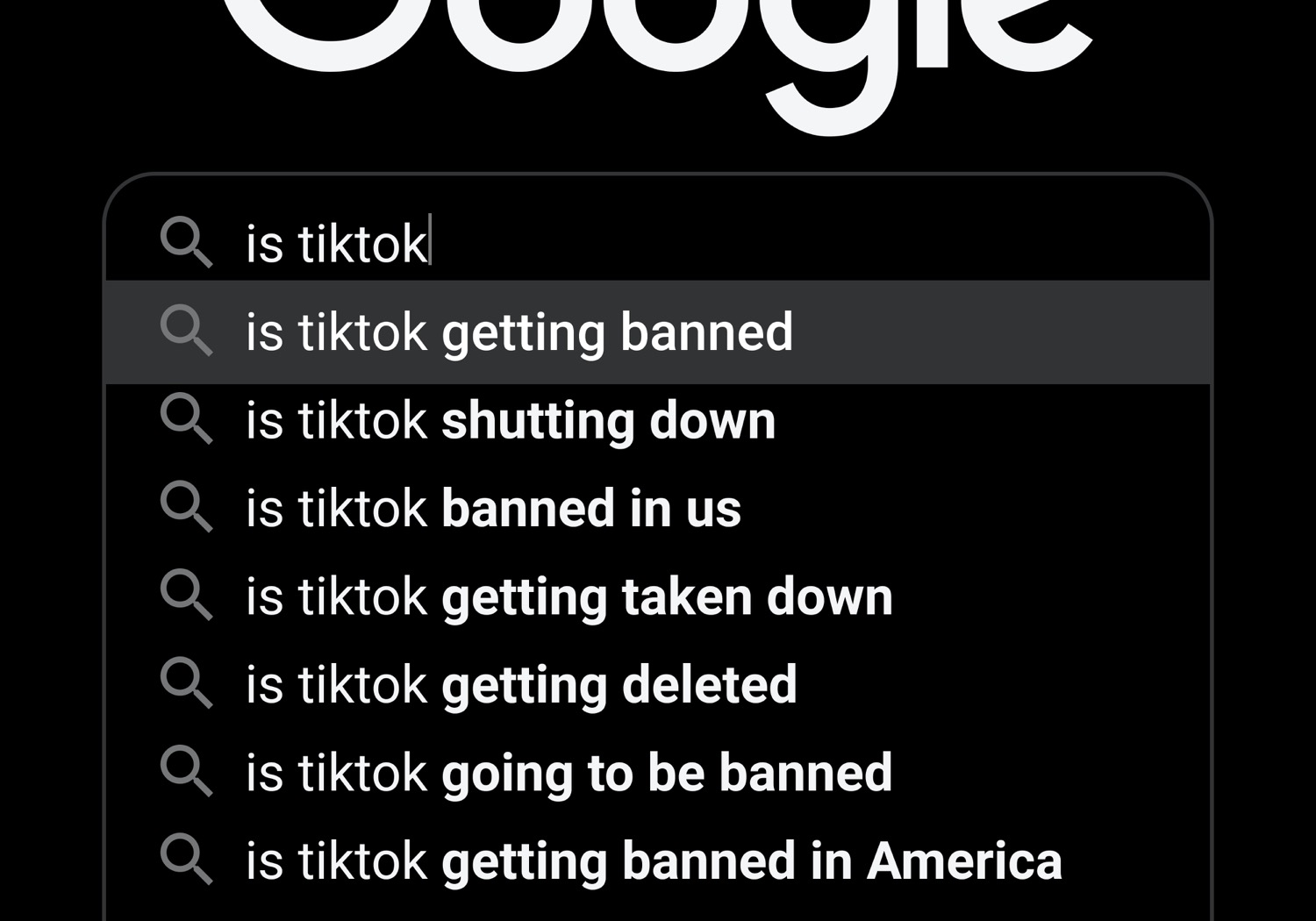
Three clicks that look identical carry three different levels of trust
Pull up your search term report. Every term in it tells you where somebody's head was before they'd read a word of your site. A branded search means they already know who you are and have half decided you're the answer. A competitor search means they've diagnosed a problem and they're shopping for the switch.
A category search is the coldest of the three. That person's still in the open tab phase, weighing you against brands that haven't even asked for their email yet. Same product page, same popup, three completely different starting points.
So the report is a ranked list of how much convincing each visitor still needs. Pull your top converting terms this week and sort them into branded, competitor and category. Nothing below works until that split exists.
Write the search category onto the profile at signup, not afterwards
When somebody lands from a Google Ads click, the URL carries the campaign, the ad group and, if the account's built out properly, the term category itself. It's all there the moment the popup fires. That's also the moment the email address gets captured, and whether the data survives the handoff is down to how the page was built.
Pass the category into the Klaviyo profile as a hidden field or a custom property at signup. The profile itself then reads welcome-branded, welcome-competitor or welcome-category, and that one tag is what everything downstream branches off. It's part of what we do inside Klaviyo on almost every paid account we take over. Almost nobody arrives with it built.
The reason it's rare isn't technical. Wiring it up means touching the ad account and the ESP in the same afternoon. Most teams keep a paid search person and a lifecycle person who've never opened a shared document. The fix is a meeting, not a platform.
Fork emails one and two, then merge the flow back together
You don't need to rebuild twelve emails into thirty-six. The split matters most at the top of the welcome flow, where trust is lowest and a wrong opener does the most damage. Branch emails one and two, then let every path merge back into one sequence from email three onward.
- Branded searchers get an offer-led opener: they typed your name, so skip the introduction and go straight to a first-order incentive or the bestseller
- Competitor searchers get a comparison-led opener: a straight answer to what's actually different here, without naming or trashing the rival
- Category searchers get a proof-led opener: reviews, a documented before and after, whatever wins the comparison still running in their other tabs
The category searcher needs the most convincing and currently gets the same generic copy as somebody who typed your brand name by hand. Proof is what moves them. They're not buying from you yet, they're choosing between tabs, so win the comparison first and sell second.
From email three the branches rejoin and the flow runs as one sequence for everybody. Two emails wide keeps it maintainable, testable and cheap to write. Anything wider is a project, and projects don't ship.
The branded searcher needs the sharpest email, not the warmest
The branded branch looks like the least work and needs the most precision. Somebody clicking an ad for your own name is close to a hand-raiser. Arguably warmer than somebody who filled in a popup on a blog post. A warm-up email to someone who's already decided to trust you just reads as a delay.
What's missing for that person isn't belief, it's the last bit of friction: the price, or which product to start with. An email that answers exactly that, a first-order incentive and a clear starting product, converts harder than three paragraphs of founding story. They've already skipped the part where the story matters.
It's also the branch most easily ruined by the wrong test. Never A/B test the offer against the category branch: they're different audiences, and a shared test averages two truths into one meaningless answer. Keep every comparison inside its own branch. Branded against branded, competitor against competitor.
Build it once and it stops being a project
This is a handful of concrete steps, not a quarter of roadmap. Work through them in order, and stop when a step shows you something broken, because a swallowed UTM makes every later step pointless.
- Pull your top converting search terms from Google Ads and sort them into branded, competitor and category
- Confirm your landing pages and popups forward UTM data into the signup form instead of swallowing it
- Add a custom property in Klaviyo that captures the term category at signup
- Build the conditional split at emails one and two only, using that property as the trigger
- Write three openers, offer-led, comparison-led and proof-led, each aimed at the objection that visitor already has
- Merge back into one sequence from email three, and report each branch separately instead of as a blended average
Once it's built it runs itself. The ad account keeps generating the tag, the flow keeps reading it, and nobody has to remember anything campaign by campaign. That's the difference between a segmentation project and a segmentation habit.
Alex Gregoriades
Operations director at Engage Commerce, where he runs the accounts the writing comes out of.
FAQs
How do I pass Google Ads search terms into Klaviyo?
Carry the term category in your landing page URL as a UTM or a custom parameter, then write it to the profile when the signup form fires. Native Klaviyo forms can capture hidden properties, and landing page builders can forward URL values into the submission. Store a simple category label at capture, not the raw search term.
Should I branch the whole welcome flow by traffic source?
No. Branch the first two emails, where trust is lowest and the wrong opener costs the most, then merge every path back into one sequence. A full fork multiplies the writing and the maintenance for very little extra return, and it makes reporting harder, because every later change has to be made once per branch.
What happens to subscribers who do not arrive from ads?
Anyone without the property falls through the default path, which is your existing welcome flow. Treat the branches as an upgrade for the traffic you can identify, not a replacement for the flow everybody else gets. Over time you can add categories for organic and social arrivals in exactly the same way.
Does the same idea work for Meta ads traffic?
Yes, with one difference. Meta gives you the audience and the creative, not a typed search term, so the categories describe who was targeted instead of what was asked. The mechanism's identical: a value in the URL written to the profile at capture, and the same two-email branch reading it.
The click already told you what to say
Most welcome flows are written as if every subscriber arrived from nowhere, while the ad account that proves otherwise sits open in the next tab. You've already paid to learn how much convincing each person needs. Building the flow to listen is the cheapest personalisation on the roadmap, because the signal turns up with every click you're buying anyway. Go and read what you bought this week.
Flows and automation
The automated journeys that earn while nobody touches them.

The welcome flow discount is costing you more margin than it earns
Most welcome discounts were copied from a template, not chosen. Compare welcome flow order value against sitewide before you keep paying the toll.
Read it
Email Automation Alchemy: Turning Clicks into Cash for Your Ecom Empire
The essential email automation flows for ecommerce: welcome series, abandoned cart, post-purchase, re-engagement, personalisation and seasonal timing.
Read it
A quiz funnel is a segmentation tool wearing a fun hat
Quizzes earn the signup, then most brands file the answers and send one welcome series to everyone. Every question should change which emails someone gets.
Read itWould you rather this was just handled?
Bring your Klaviyo account and the thing annoying you most. We will tell you what we would fix first, before you spend anything.


Half an hour with Theo, our founder.
We're all about relationships built on trust, mutual respect and a shared vision for success. If that sounds like your vibe, let's make some waves together 🌊