A quiz funnel is a segmentation tool wearing a fun hat
Quizzes earn the signup, then most brands file the answers and send one welcome series to everyone. Every question should change which emails someone gets.


Ask somebody four quiz questions, then send them the same three welcome emails as everybody else, and you've built an expensive way to ignore what they told you. The quiz isn't the problem. What happens after somebody presses submit is.
Quizzes lift signups, and then the answers go nowhere
Nobody builds a quiz because they enjoy designing dropdown menus. They build one because a question about skin type converts better than a bare email box with a discount dangled next to it, and that part's true. Quizzes genuinely lift signup rates.
The problem starts after somebody presses submit. Most brands capture the answer, tag the person as quiz complete, and drop everyone into the same welcome flow whatever they typed. A quiz that changes nothing downstream is a prettier signup form.
So this isn't an argument against quizzes, because they work. It's against the version that stops working the moment the address lands on the list: the signup form with a results email bolted on the side. Closing that gap is a wiring job, and it's smaller than most brands assume.
The answer should decide the branch, not the adjective
Every question you ask is a fork in the road. Most brands treat it as flavour text, something to reference once in a results email before folding the person back into one generic series. But the answer should decide which flow somebody enters on day one. Not which sentence gets swapped into an otherwise identical email.
Take the skin type example. Somebody who answers dry and sensitive and somebody who answers oily and breakout-prone aren't shopping for the same reason, so they shouldn't see the same first email. Different hero product, a different promise about what the brand solves, sometimes a different pace.
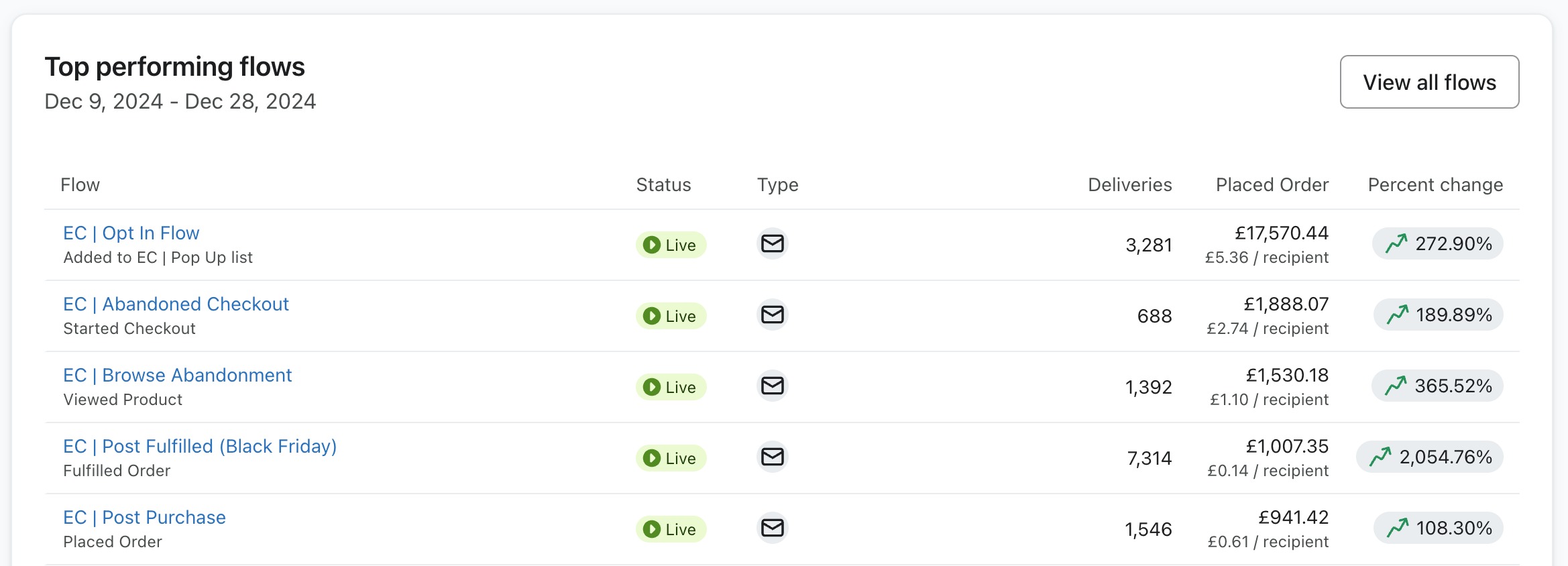
The row that matters in a report like that is the opt-in flow, because its trigger is the list somebody joins at capture. So the tag has to be set the moment the quiz submits, before the welcome automation fires. Branch at the entry point. Not somewhere in email four, after the interest has gone.
Draw the branch map before anyone writes a subject line
The real work happens before a single email gets written. Sit down with the question set and work out which combinations of answers create customers worth treating differently. Not every unique combination deserves its own flow, because that way lies a spreadsheet of micro-segments nobody keeps updated.
The job is to cluster. A skincare quiz asking about skin type and main concern produces plenty of combinations, and in practice they collapse into a handful of segments that behave differently as customers. Each cluster then gets one decision: a fully separate flow, or the same skeleton with a swapped product block and a different subject line.

Both answers are valid, and the decision often never gets made, because two teams own the two halves. One team builds the quiz to lift conversion. Another writes the welcome series months later off a generic brief, and nobody owns the handoff between them. What isn't valid is defaulting to the same series for everyone because branching sounded like too many Klaviyo flows to build.
If deleting an answer would change no email, the question is decorative
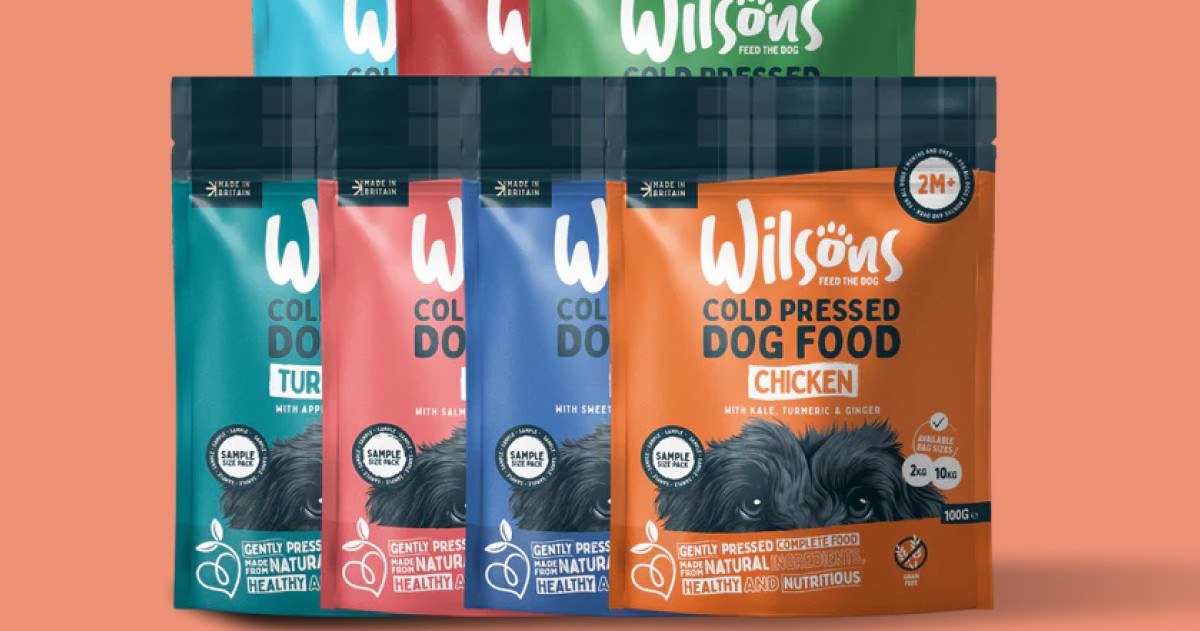
Run a pet brand through it. The quiz asks how many pets live in the house, and the one-dog home and the three-cat household both buy the same category, so the product recommendation can stay put. The answer should still change something.
In the wrong version the answer gets stored as a custom property and never read again, while the same three emails go to both people with the same offer. In the right version that property sits inside the flow logic, as a split deciding which email two a subscriber gets. Same skeleton, genuinely different experience. All off an answer that took four seconds to give.
| Filed | Used | |
|---|---|---|
| Where the answer lives | A custom property nobody queries again | A split at the top of the welcome flow |
| Email two | The same offer to every subscriber | A bundle for the multi-pet household, a premium single item for the one-dog home |
| The pace | A subscription pitch on day three for everyone | A slower upsell where the answer says the habit is not there yet |
The test is simple and slightly uncomfortable to run honestly. Delete a given answer from your data tomorrow, and would a single email in your welcome series change? If the honest answer's no, you're storing it for no reason, and storing was never the point of asking.
Five checks that tell you whether a question earns its place
- It changes which flow or branch somebody enters, not which sentence appears inside a shared one
- It changes the product or category recommended in email one or two
- It changes urgency or tone, so a buyer signalling need right now skips the slow nurture
- It changes frequency or channel, because high-intent answers are the ones worth escalating to SMS
- It would break something downstream if it vanished from the quiz tomorrow
A question failing all five isn't earning its place. Either it's decorative and should be cut, which shortens the quiz and tends to help completion, or it's useful data nobody has wired into a decision yet. That one's a build problem, not a quiz problem.
Either way, the fix is making better use of the questions you already ask instead of adding more of them. That wiring is a large part of what we do inside Klaviyo when a quiz is involved, and it's duller and more valuable than the quiz design itself.
Theo Tziapouras
Founder and strategy at Engage Commerce, the ecommerce agency for 7 and 8 figure DTC brands.
FAQs
Do quiz funnels actually increase email signups?
Usually, yes. A question is easier to answer than a commitment is to make, so a quiz lowers the cost of the first click, and the email ask arrives once somebody's invested in seeing their result. But the lift at capture is only half the value. The other half is what the answers change afterwards, and that's the part most brands skip.
How many questions should a quiz funnel have?
As few as earn their place. Every question should change a flow branch, a product recommendation, a pace or a channel somewhere downstream. Run each one through the deletion test and cut the ones that would change nothing, because shorter quizzes get finished more often and the decorative questions are usually where people abandon.
How do I connect quiz answers to Klaviyo?
Most quiz tools write each answer to the subscriber profile as a property, natively or through an integration. The wiring that matters is downstream of that: use those properties in conditional splits inside the welcome flow and in the segments your campaigns target, so the answer decides what somebody gets instead of sitting unread on the profile.
Should quiz takers skip the normal welcome series?
They should enter a version of it that reads their answers. Keep the same skeleton where the answers only change products or framing, and build a separate branch where they change the whole argument. What you shouldn't do is run a results email and a generic welcome series side by side, unaware of each other.
The fun hat is optional
The branch point before email one isn't. A quiz that changes what people receive keeps paying in relevance for as long as the flow runs. A quiz that changes nothing is a conversion widget renting space on your homepage. Draw the map first, then make every question earn its keep.
Flows and automation
The automated journeys that earn while nobody touches them.

If your welcome flow still mentions Black Friday in March, your seasonal email flows need a toggle
The sale line goes in by hand in November and quietly rots until spring. One permanent flow with a swappable sale block fixes it.
Read it
Your replenishment email timing is a guess, and guesses cost reorders
Thirty, sixty, ninety is a scheduling default, not a strategy. Every product empties at its own speed, and the order history already says when.
Read it
Your second purchase rate is where most ecommerce brands actually die
One order is a coin toss on a discount code, not loyalty. The gap before the second order is where retention is actually decided.
Read itWould you rather this was just handled?
Bring your Klaviyo account and the thing annoying you most. We will tell you what we would fix first, before you spend anything.

Half an hour with Theo, our founder.
We're all about relationships built on trust, mutual respect and a shared vision for success. If that sounds like your vibe, let's make some waves together 🌊