The sourcing email: where it comes from, and why that costs more
Provenance is the argument your competitors cannot copy by spending more on advertising, and most brands leave it on the back of the pack.

Sourcing is the most expensive story most brands own and the one they tell worst, usually in a paragraph of values on an about page. Told properly, one supplier at a time, it answers the price objection without ever mentioning price.

Narrow it to a single place and a single person
Our commitment to responsible sourcing. That sentence says nothing, because every brand in your category publishes it and none of it can be checked. One farm, one mill or one workshop, named, with a photograph of the person who runs it: a competitor without that relationship can't write it.
That's the whole strategic point of this campaign. It's the least copyable content you own, and the barrier to producing it is a phone call, not a budget.
Questions that produce something worth publishing
Suppliers aren't marketers and they won't volunteer the interesting parts. So ask specifically. And expect the best answer to be about a constraint, not about quality.
- How long have you worked with us, and what do we ask for that other buyers don't
- What's the hardest part of the year, and what happens when it goes badly
- What would you change if we paid less, and what would change if we paid more
- How much of a crop or a batch doesn't make the grade, and where does that go
The third question is the one that produces the campaign. The answer describes exactly what your customer's money is buying, in terms nobody has to take on trust.
Name what the sourcing decision costs you
Every sourcing choice costs you something, and saying what separates this campaign from a values statement. A shorter season. A smaller yield. A harvest that some years doesn't happen at all, and a price that moves with the weather instead of with a contract.
Readers accept a higher price far more readily once they understand the constraint sitting behind it. What they resist is being told something is premium with no explanation attached, which is how most category pages get written.
A mark on the pack is a starting point, not the story
| Instead of | Send | Why it works |
|---|---|---|
| The certification logo | What the audit actually checks | Almost nobody knows, and it's genuinely interesting |
| Sustainably sourced | The one practice that costs the most | It's specific and it can be photographed |
| Supporting local farmers | The name of the farm and how long you have bought from it | A relationship with a duration is evidence |
Where a mark is doing real work, explain the standard behind it in one paragraph. That paragraph will outperform the logo everywhere you use it, the pack included.
Pair it with the ingredient send, a fortnight apart
The ingredient spotlight explains what a component does. The sourcing email explains where it came from and who grew it. Run them as a pair on the same component and the second one lands on a reader who already cares about the first.
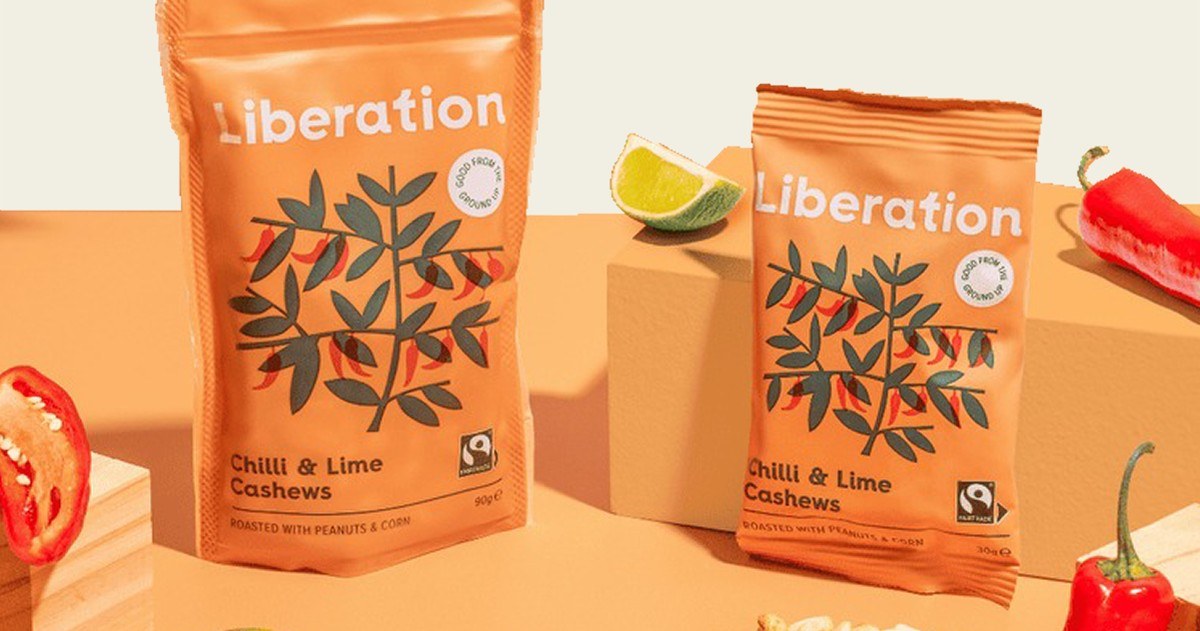
In food, drink and supplements that pairing is close to the whole non-promotional calendar, and it's why the programmes we run in those categories can go months without a discount and still hold their revenue.
Ring one supplier and ask what nobody asks them
Call the supplier you've worked with longest and ask what they wish customers understood about how the thing gets made. The answer is usually a sentence nobody in your business has ever heard, and that's your campaign.
Then ask permission to photograph. Most suppliers are pleased to be asked and it costs you an afternoon. The accounts that do this end up with a year of provenance content and a supplier relationship that's noticeably easier to manage.
Theo Tziapouras
Founder and strategy at Engage Commerce, the ecommerce agency for 7 and 8 figure DTC brands.
FAQs

What if our supplier does not want to be named?
Some won't, usually for commercial reasons, and that has to be respected. You can still describe the region, the practice and the constraint without naming the business. You lose a little of the effect and you keep most of the substance.
Is this only relevant for food and beauty brands?
No. Materials, components, fastenings, timber, fabric and where the thing was actually made all take the same treatment. In categories where nobody expects provenance content it stands out a good deal more.
How do we avoid this sounding like greenwashing?
Name the trade-off. A brand that says what its sourcing costs, what it can't do yet and where the compromise sits reads as honest. A brand presenting an unbroken record of virtue invites somebody to go hunting for the exception.
Should the sourcing email have a product link?
One, at the end, to the product containing whatever you've just described. It isn't a sales send, and loading it with routes into the shop undoes the tone that made it worth reading in the first place.
One place, one person, one constraint
The sourcing email works when it's narrow enough to be checked. Pick a single supplier. Ask them the questions a buyer would never ask, publish what the relationship costs you, and let the certification be a footnote instead of the headline. Run one every couple of months alongside the ingredient sends and the price objection stops turning up in your support inbox.
Campaigns that are not discounts
One campaign type per post: what it is for, who it is sent to, and how to build it without reaching for a code.

The seasonal tie in email that is not just a themed banner
If the campaign still makes sense with the occasion removed, it was never a tie-in. It was a normal email wearing a costume.
Read it
The risk reversal email: sell the guarantee, not the product
Most brands publish a returns policy and never mention it again. Sent as a campaign, the same terms answer the objection nobody writes in.
Read it
The restock email, and why it is not the back in stock alert
One is an automation for the people who asked. The other is a campaign for everybody who wanted it and never said so.
Read itWould you rather this was just handled?
Bring your Klaviyo account and the thing annoying you most. We will tell you what we would fix first, on the call, before you spend anything.

Book a call with our founder.
We're all about relationships built on trust, mutual respect and a shared vision for success. If that sounds like your vibe, let's make some waves together 🌊