The seasonal tie in email that is not just a themed banner
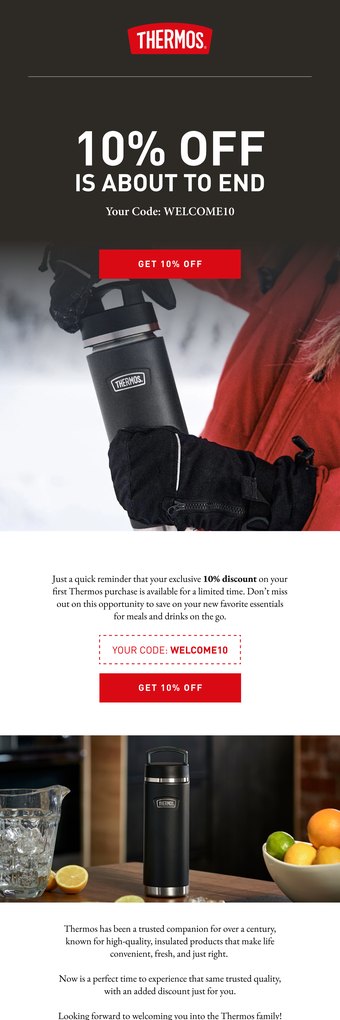
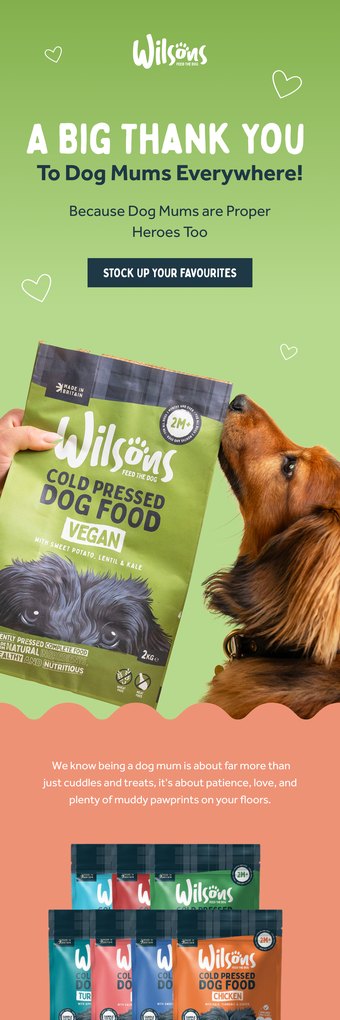
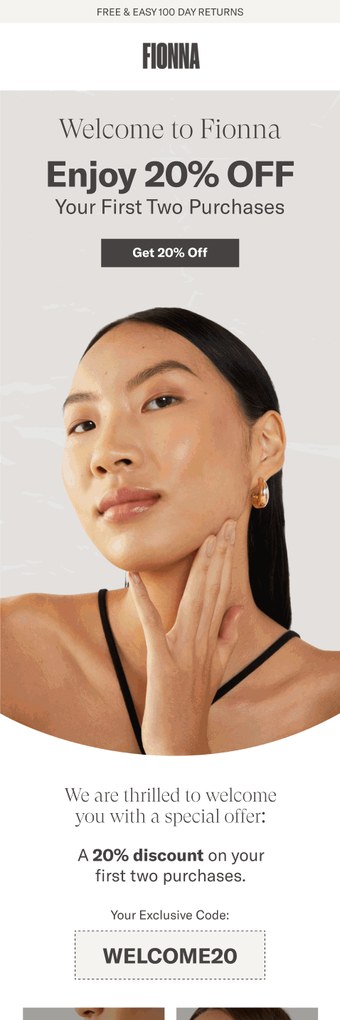
If the campaign still makes sense with the occasion removed, it was never a tie-in. It was a normal email wearing a costume.


Seasonal campaigns are the easiest slot to fill and the easiest to waste. The test is simple. Take the occasion out, and if the email would still work unchanged, the season was decoration and not a reason to send.
Remove the occasion and see whether anything is left
A real tie-in changes what you'd say. The product gets used differently at this time of year, the problem it solves gets worse, the buying situation shifts, or somebody is buying for another person instead of for themselves.
A decorative one changes the header image and the adjectives. It isn't harmful. But it takes a slot that could have carried something your reader wanted, and over a year of them the list learns that your seasonal emails say nothing.
The category calendar beats the retail calendar
| Type of occasion | Competition in the inbox | Fit |
|---|---|---|
| The big retail dates | Extreme | Only where you genuinely compete on price |
| Weather and season | Low | Strong wherever use changes with conditions |
| Category specific moments | Almost none | The best slot most brands never use |
| Borrowed cultural moments | Moderate | Risky, and usually not yours to borrow |
The third row is where the opportunity sits. Every category has moments its customers recognise and the retail calendar ignores: the first frost, the start of a season, the week everybody notices the problem your product solves.
Be careful what you attach the brand to
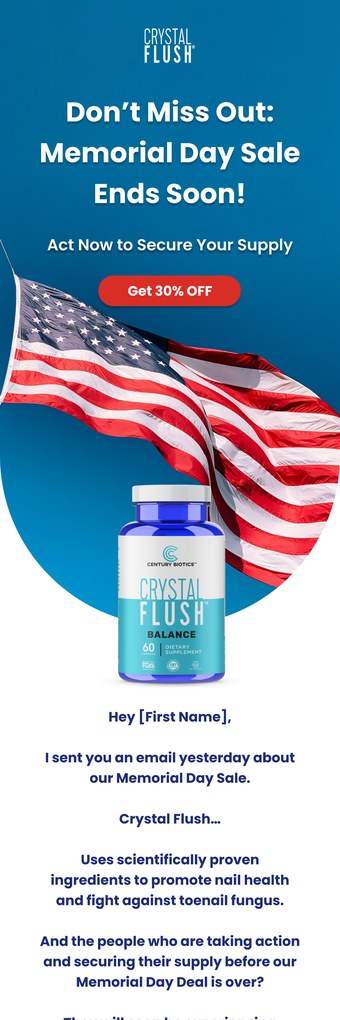
Occasions that belong to a country, a community or a commemoration need a genuine connection, and a brand without one is visibly borrowing attention. Where the audience is national and the occasion is theirs, as above, it works. Where neither is true, it doesn't.
- Does the occasion have anything to do with what you sell
- Would a customer inside that community read the campaign as respectful
- Is the brand doing something, or only saying something
- Would you still run it if it produced no orders
Offer an exit from the difficult ones
Mothering Sunday, Father's Day and the rest of them are painful for a meaningful number of your subscribers. An email a fortnight beforehand offering to opt out of that one campaign is now standard practice among careful brands, and it costs you almost nothing.

Keep the opt out to the one occasion, not to marketing altogether, and honour it next year without asking again. A preference somebody had to state twice is a preference you never really recorded.
The people who take it are people you keep. The alternative is an unsubscribe from somebody who'd have stayed for years. Poor trade for one campaign.
Decide the year's occasions once, not monthly
Pick six to eight occasions for the year, write down what changes about the product at each one, and leave the rest alone. A calendar built in January produces better campaigns than one assembled a fortnight at a time, and it makes the peak season plan possible. Do it once. The rest of the year stops being a scramble.
Peak is its own discipline with its own sequencing, and it's covered properly in the Black Friday planning post instead of here. Everything above is for the other eleven months, which is where most brands have no plan at all.
Look at last year's seasonal sends
Open the seasonal campaigns you sent last year and run the test on each one. Cover the header image and read the copy. Can't tell which occasion it was for? That slot is available for something better this year.
Then ask what genuinely changes about your product across a year. The answer is usually two or three real moments, and they're worth more than a dozen decorated ones. The lifecycle plan should be built around those, not around the retail calendar.
Theo Tziapouras
Founder and strategy at Engage Commerce, the ecommerce agency for 7 and 8 figure DTC brands.
FAQs

How many seasonal campaigns should we run a year?
Six to eight genuine ones, plus whatever peak trading needs. Past that you're decorating ordinary sends, and the effect is that subscribers stop expecting anything different when an occasion comes round.
Should we send anything on the big retail dates if we do not discount?
Yes, and it's often the strongest send of that week precisely because it isn't another offer. An explanation of why you're not discounting, or a useful email with no promotion in it at all, performs unusually well in a full inbox.
Is an opt out email for sensitive occasions worth sending?
Yes. One short email a fortnight ahead, the people who use it stay subscribed, and the goodwill it earns is out of all proportion to the effort. It has become expected in categories where the occasion is a difficult one.
What if our product has no seasonal variation at all?
Then use buying occasions instead of usage ones: gifting periods, budget cycles, back to school, the start of a financial year. Something changes about when people buy, even when nothing changes about how they use it.
Tie in to what changes, not to what is on the calendar
A seasonal campaign earns its slot when the occasion changes what you'd say. Use the moments your category recognises, not the ones every inbox is already full of. Be careful with occasions that aren't yours to borrow. Offer an exit from the painful ones, and plan the whole year in one sitting. The rest of the calendar is decoration, and your list can tell.
Campaigns that are not discounts
One campaign type per post: what it is for, who it is sent to, and how to build it without reaching for a code.

The risk reversal email: sell the guarantee, not the product
Most brands publish a returns policy and never mention it again. Sent as a campaign, the same terms answer the objection nobody writes in.
Read it
The restock email, and why it is not the back in stock alert
One is an automation for the people who asked. The other is a campaign for everybody who wanted it and never said so.
Read it
The product tutorial email, sent when the box has just landed
A customer who uses the product properly the first time buys again. One who gets it slightly wrong quietly decides it was not for them.
Read itWould you rather this was just handled?
Bring your Klaviyo account and the thing annoying you most. We will tell you what we would fix first, on the call, before you spend anything.

Book a call with our founder.
We're all about relationships built on trust, mutual respect and a shared vision for success. If that sounds like your vibe, let's make some waves together 🌊