The product tutorial email, sent when the box has just landed
A customer who uses the product properly the first time buys again. One who gets it slightly wrong quietly decides it was not for them.

Most returns and most silent lapses come from the same place, which is somebody using the product in a way that did not show it at its best. The tutorial send is the cheapest insurance against that, and it is almost always missing from the accounts we take over.
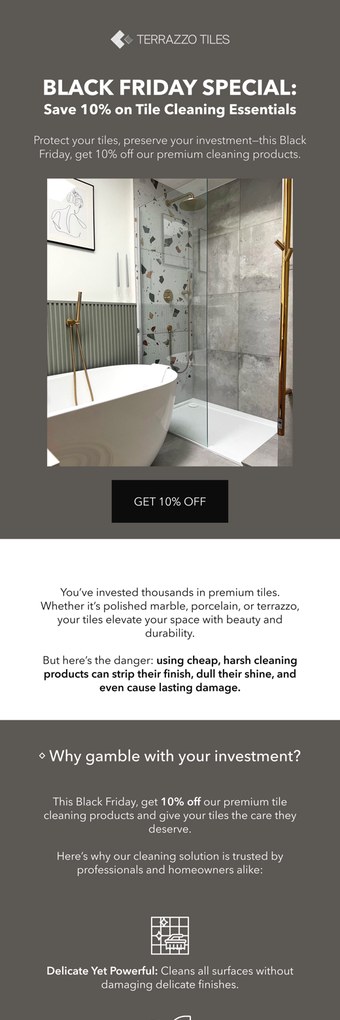
Send it to the parcel, not to the calendar
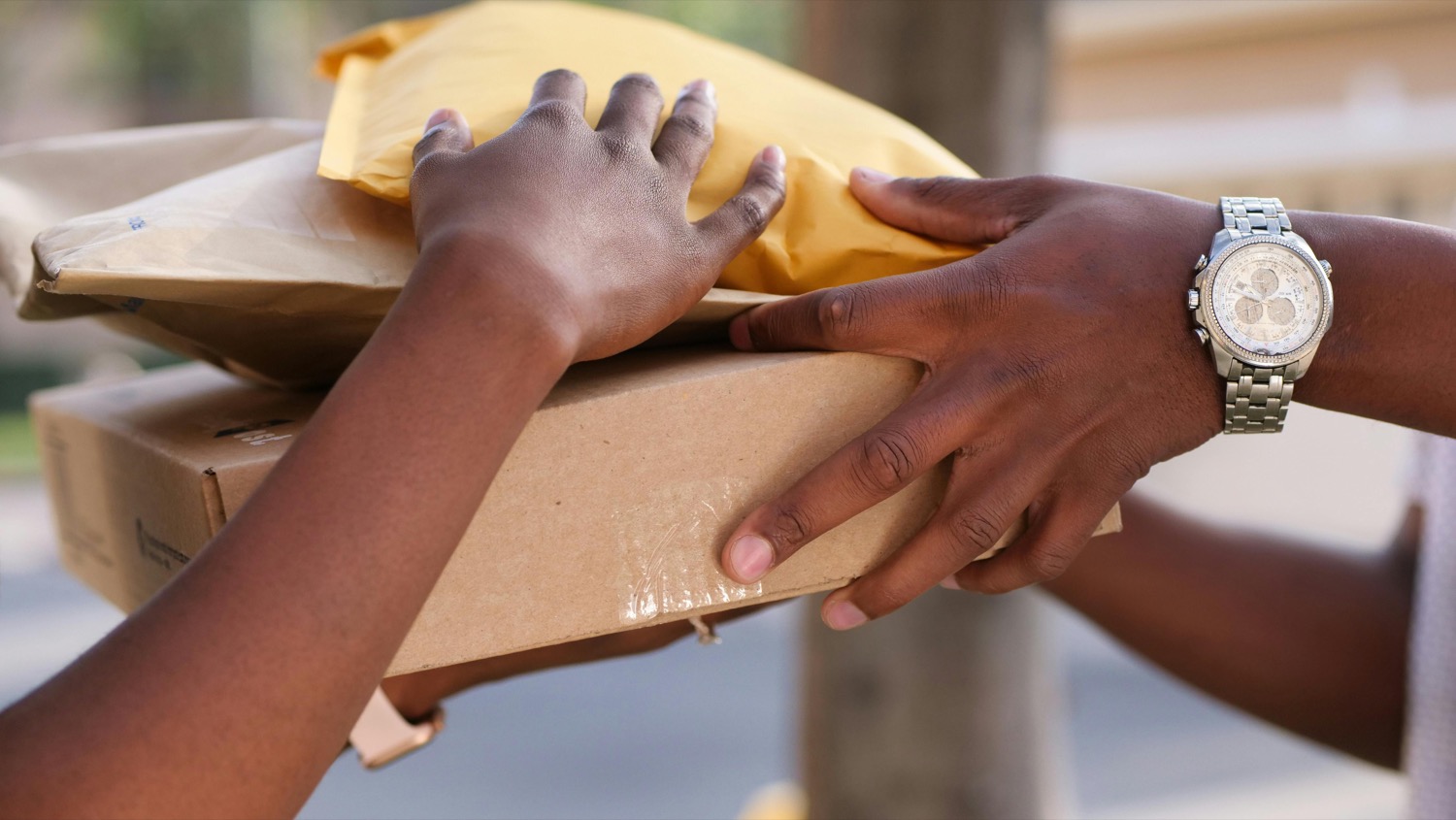
A tutorial email sent as a campaign reaches everybody at the same moment, which is the wrong moment for almost all of them. The version that works is triggered by delivery, so it arrives while the box is still on the kitchen table.
If your platform receives fulfilment data, that timing is already available to you. If it does not, dispatch plus a realistic transit window is close enough, and still far better than a Tuesday send to the whole list.
Campaign versions do have a place, aimed at people who bought before you built the sequence. Everything after that should be automated.
One product, three steps, one mistake to avoid
The temptation is to write a manual. Resist it. The email covers the shortest path to a good first result, and the detailed version lives on a page you link to for the people who want it.
- The one thing to do before first use, which is usually the step people skip
- The three steps to a good result, written as instructions rather than as benefits
- The most common mistake, named plainly, with what it looks like when it has happened
- What good looks like, so they can tell whether it worked
- Where to go if it did not, with a real reply address
The third item is the one that earns the send. Naming the common mistake feels like admitting a flaw and it is the sentence customers remember, because it is the only place anybody has told them the truth about the product.
A photograph of the step beats a paragraph about the step
That send is a tutorial in campaign clothing. The advice is specific to a material people are frightened of ruining, and it is the reason the email gets kept rather than deleted, which is not a thing that happens to a promotional send.
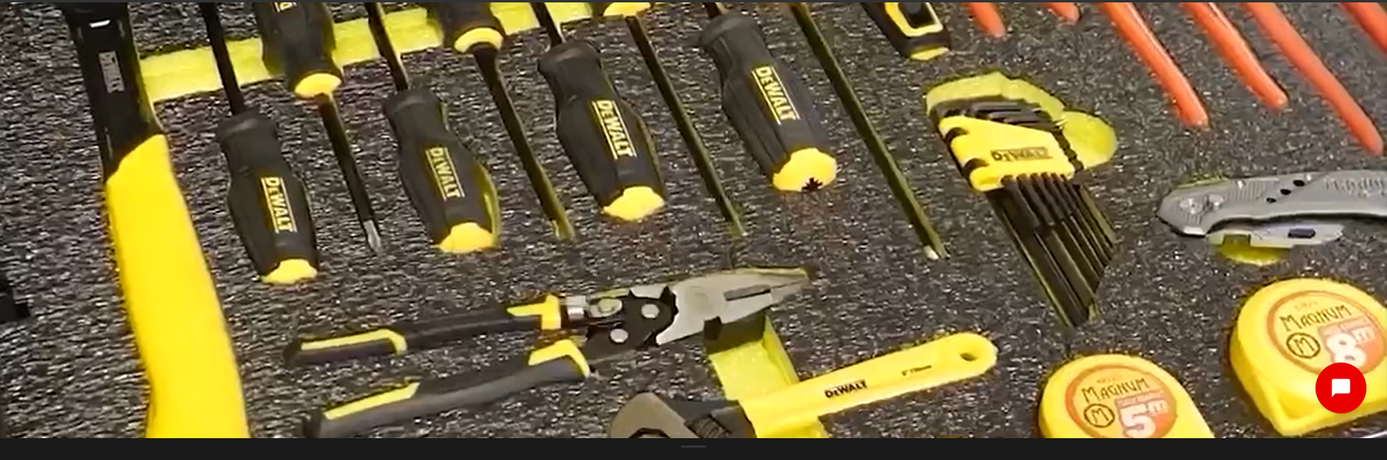
Use video, but never as the only route
Video is the right medium for anything involving a sequence of hands, and the wrong one for anybody reading in a queue with the sound off. Embed a still with a play badge that links out, and put the same steps in text underneath.
| Product type | Best format | Watch out for |
|---|---|---|
| Assembly or fitting | Short video, plus numbered text | Filming from the wrong angle to copy |
| Dose, dilution or timing | Text and one clear photograph | Units that differ by market |
| Care and maintenance | Text, with a printable page linked | Advice that voids a warranty |
Never make the video the only path to the information. An email whose instructions are locked inside a platform the reader is not signed into is an email that failed.
The second order is the thing this campaign defends
A tutorial email is usually judged on the wrong metric. It will not produce much direct revenue, because the recipient bought days ago. What it changes is the reorder rate, the return rate and the volume of support tickets, none of which appear in the campaign report.
Look instead at whether customers who received it order again sooner than those who did not, and at whether the questions it answers stop arriving in the inbox. Those are the returns on it, and they are worth more than the click rate.
It also sets up everything that follows. A customer who got a good result is the only one for whom a cross sell send makes any sense at all.
Read your last twenty support tickets
Open the last twenty questions your support inbox received and count how many are answered by information you already publish somewhere. In most accounts it is the majority, which means the information exists and the timing is what is missing.
Those tickets are the script for this campaign, more or less written. Turn the three most common into the tutorial email, then check the ticket volume a month later. The programmes we run treat that drop as the measure of whether the sequence is doing its job.
Alex Gregoriades
Operations director at Engage Commerce, where he runs the accounts the writing comes out of.
FAQs

Should the tutorial email be a campaign or an automation?
An automation, triggered by delivery or by dispatch plus a transit window. Send the campaign version once to everybody who bought before the sequence existed, then let the automation handle it from that point on.
How many tutorial emails should one product have?
One for the first use, and at most one more later covering care or the second use case. Beyond that you are building a course nobody enrolled on, and the additional sends dilute the one that mattered.
What if the product is genuinely simple to use?
Then the angle is what people get slightly wrong rather than how to operate it. Even simple products have a wrong first impression, and naming it is worth an email on its own.
Can this email include an offer for a related product?
Not in the first one. The reader is still deciding whether the thing they bought was a good idea, and an upsell at that moment reads as impatience. Save it for the sequence that follows once a good result is likely.
Teach the first use and you keep the second order
The product tutorial email is unglamorous, it never wins the campaign report, and it quietly decides whether a first order becomes a customer. Trigger it on delivery, keep it to the shortest path to a good result, name the mistake everybody makes, and give people a real address to reply to. The effect shows up in reorders and in the questions that stop arriving.
Campaigns that are not discounts
One campaign type per post: what it is for, who it is sent to, and how to build it without reaching for a code.

The press roundup email: borrowed credibility, spent properly
A logo bar of publications proves you have a publicist. A quoted sentence from a journalist who tested the thing proves something else entirely.
Read it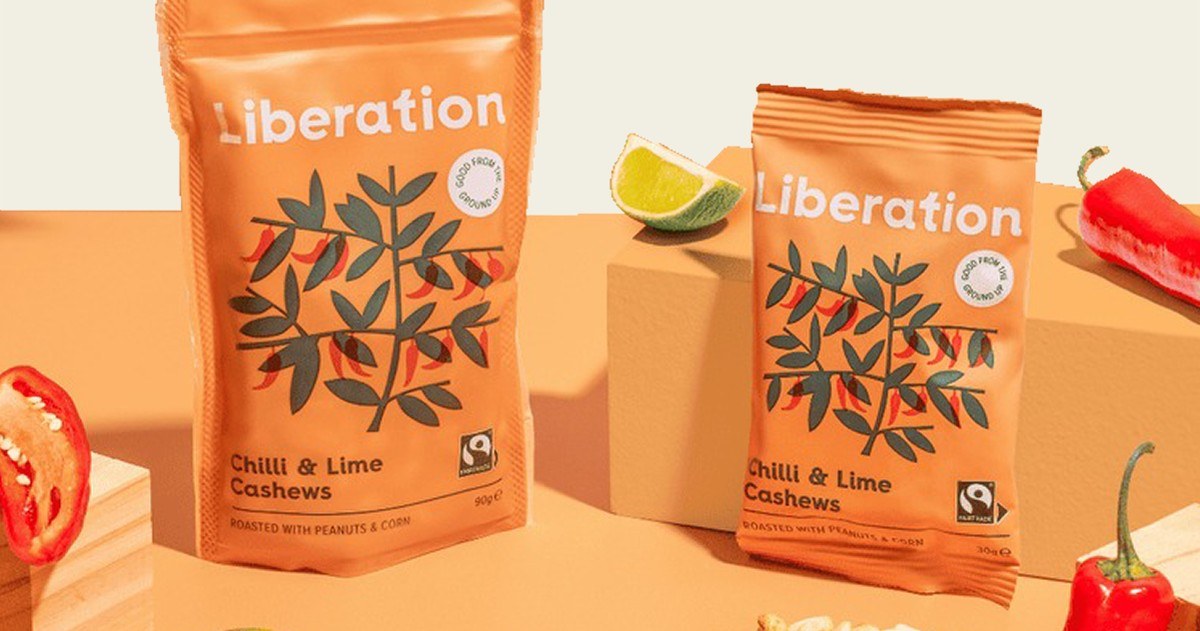
The new product launch email, sequenced over a fortnight
One announcement reaches whoever happened to be looking that morning. A sequence reaches everybody, and each send has a different job.
Read it
The myth vs fact email, for categories where the internet is wrong
Correcting a belief your customers hold is a campaign. Correcting one they have never heard of is a lecture nobody asked for.
Read itWould you rather this was just handled?
Bring your Klaviyo account and the thing annoying you most. We will tell you what we would fix first, on the call, before you spend anything.


Book a call with our founder.
We're all about relationships built on trust, mutual respect and a shared vision for success. If that sounds like your vibe, let's make some waves together 🌊