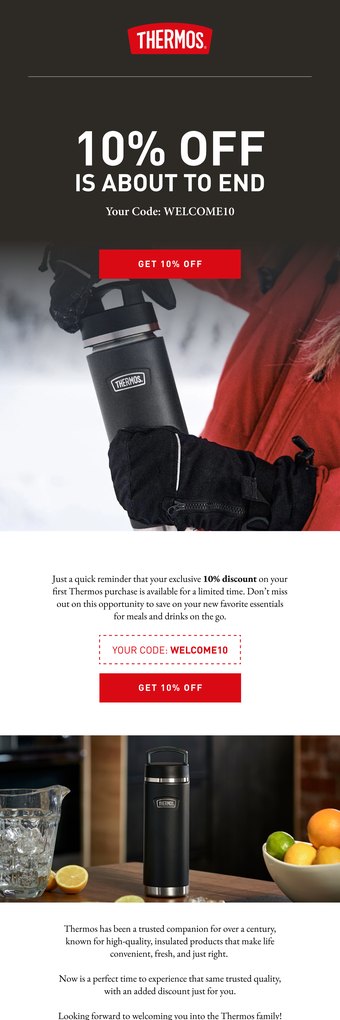
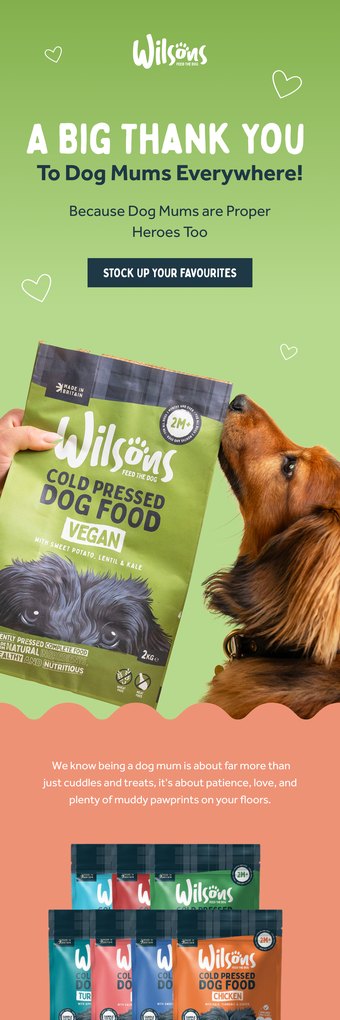
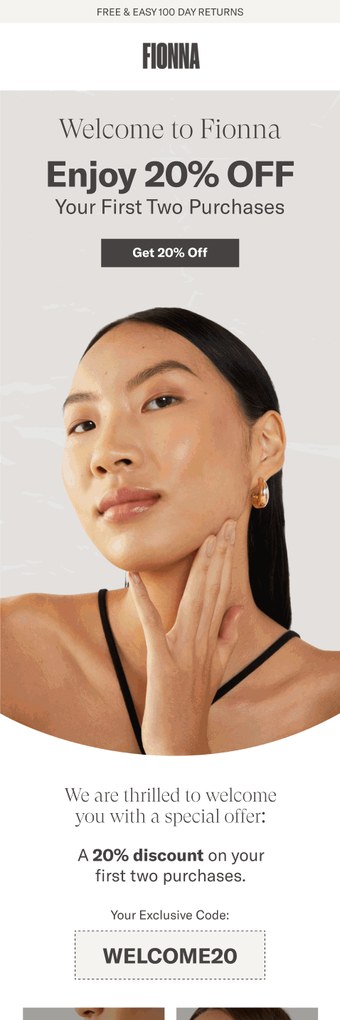
The myth vs fact email, for categories where the internet is wrong
Correcting a belief your customers hold is a campaign. Correcting one they have never heard of is a lecture nobody asked for.


Every category has a handful of confidently repeated beliefs that are wrong, and in most of them your product is on the receiving end. This send corrects one at a time. It lives or dies on one thing: whether the reader already believed the myth.

It has to be a belief your readers actually hold
Here's the test: would somebody on your list have nodded along to this myth over breakfast? If not, you haven't got a myth, you've got a straw man, and readers spot the difference in a second.
Find them where people talk without you in the room. Search autocomplete, forum threads, the comments under a competitor's ads, and the questions your support team calls annoying. Those four will give you a year of material.
Do not correct a myth that flatters you
The version that fails is the one where every myth happens to be an objection to buying and every fact happens to be a product feature. It reads as an advert with a quiz bolted on, and the reader writes off the whole email.
- At least one myth per campaign should be one that costs you something to correct
- If the honest answer is it depends, say it depends and explain what it depends on
- Where the myth is half true, concede the true half before you touch the rest
- Never correct a competitor's claim by name. That turns an explanation into an argument
A brand that debunks a myth in its own favour has told you nothing. A brand that says the popular belief about our own category is only half right, us included, has told you something worth reading.
Somebody other than you has to be the authority
That send explains a term the category throws around loosely, in a friendlier register. It works because the explanation does the persuading and the product is present without being insistent about it.
Where the correction touches health, safety, efficacy or anything regulated, cite a named source and link straight to it. Your own summary of a study is a claim you now own. The study itself, quoted and linked, is a fact the reader can go and check. That difference matters legally, and it persuades harder too.
Two columns is the obvious layout and rarely the best one
| Layout | Suits | Problem |
|---|---|---|
| Myth and fact, side by side | Three or four short corrections | Collapses on a phone, and reads as a quiz |
| One myth, answered at length | A belief that needs evidence | Needs a genuinely interesting myth |
| A question, answered by a named person | Technical categories | Requires somebody willing to be quoted |
Whichever shape you use, put the myth in the subject line as a question and leave the correction out of it. Announce the answer up front and you've removed the reason to open.
Subscribers who have not bought, and lapsed customers
This one is aimed at people whose reason for not buying is a wrong belief, not a price or a preference. That's your engaged non buyer. It's also the lapsed customer who stopped for a reason they never told you about.
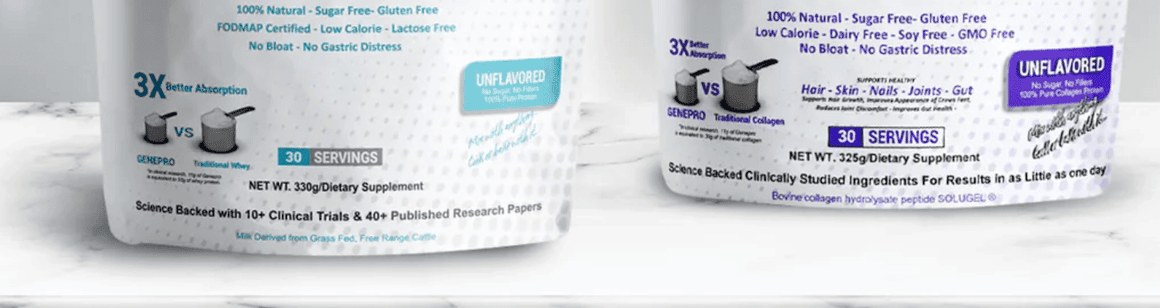
In supplements the myth is very often about dosage or absorption, and the pack itself carries the correction. The GenePro programme leans on that hard, because a comparison printed on the label is evidence the reader is holding in their hand.
Type your category into search and read the suggestions
Open a search box, type your product category followed by is, and read what comes back. Those are the beliefs your customers arrive with, ranked by how many people share them. They cost you nothing.
Pick the one that's wrong and that costs you sales, then write the correction. Put the same answer on the product page too, because the search that produced the myth will keep sending you people who need it.
Theo Tziapouras
Founder and strategy at Engage Commerce, the ecommerce agency for 7 and 8 figure DTC brands.
FAQs

How do we find myths that are actually held?
Search autocomplete, forum threads, competitor ad comments and your own support inbox. If a belief turns up in at least two of those, it's real. If you had to invent it to have something to correct, the campaign will read exactly that way.
Is it risky to correct claims in a regulated category?
It's riskier to make the correction in your own voice than to quote and link a named source. Describe, cite and link instead of asserting, and keep the strongest claims attached to whoever published the evidence for them.
Can we name a competitor's claim as the myth?
No. It turns an explanation into a dispute, invites a response, and puts their name in your inbox. Address the belief as something people say, not as something a named brand says.
How often can we send this format?
Every six to eight weeks is comfortable, and each send should take a genuinely different belief. Run them too close together and you start reading as a brand that thinks its customers are ill informed.
Correct one belief, and concede the half that is true
The myth versus fact email is a trust exercise dressed up as education. It works when the belief is genuinely held, when at least one correction costs you something, and when the authority behind the fact is somebody other than the brand selling the product. Get those three right and it's among the most forwarded campaigns you'll ever send.
Campaigns that are not discounts
One campaign type per post: what it is for, who it is sent to, and how to build it without reaching for a code.
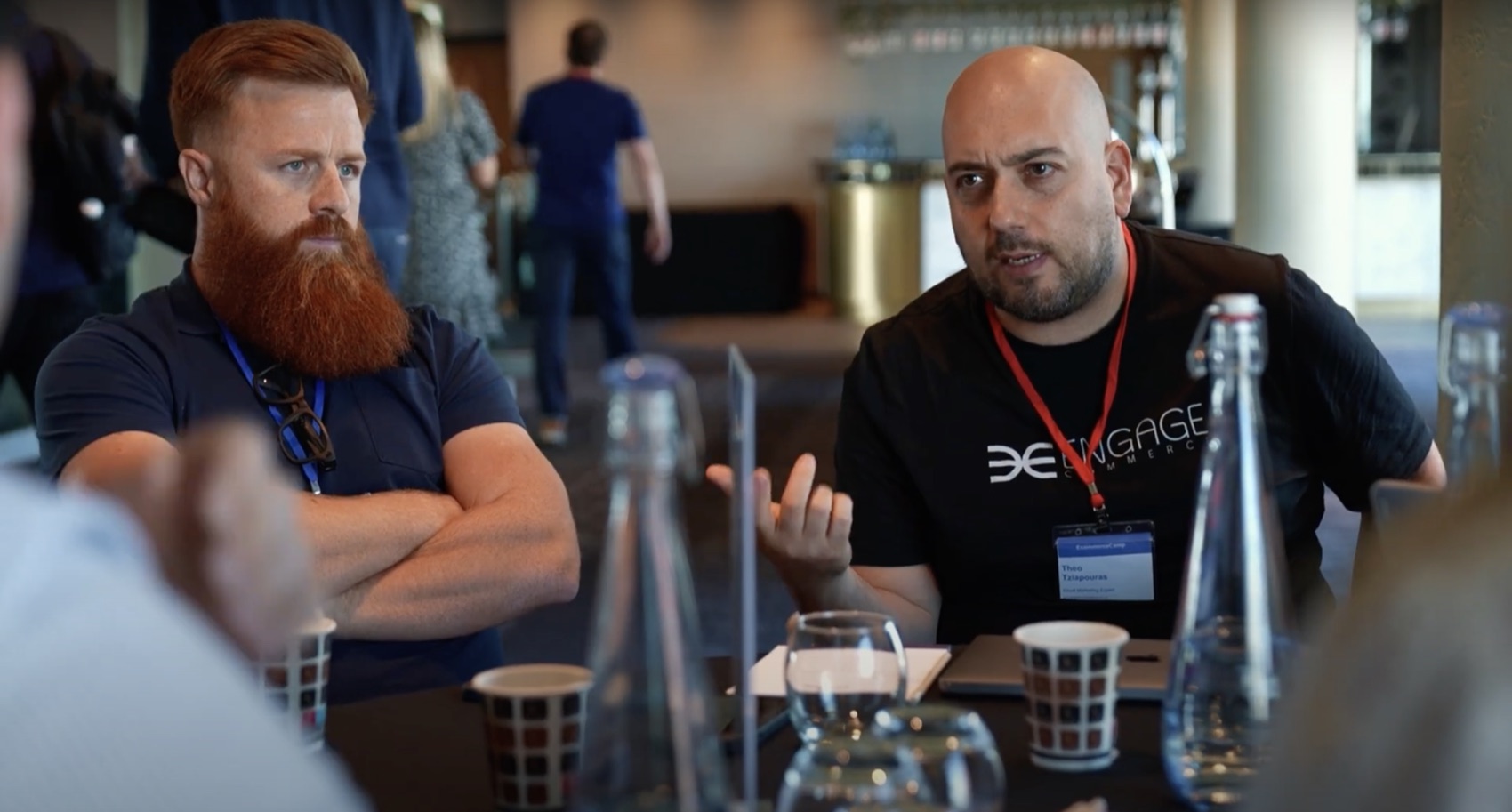
The meet the team email that makes the next support ticket easier
Organised by job title it is an org chart. Organised by what a customer might need, it is the most useful email in the sequence.
Read it
The loyalty perks email: remind people what they already have
Most loyalty programmes are built once and never mentioned again. The benefits sit unclaimed, which is a campaign waiting to be sent.
Read it
How to write an ingredient spotlight email people finish reading
One component, explained properly, is a campaign. A list of everything in the product is a specification sheet nobody asked for.
Read itWould you rather this was just handled?
Bring your Klaviyo account and the thing annoying you most. We will tell you what we would fix first, on the call, before you spend anything.

Book a call with our founder.
We're all about relationships built on trust, mutual respect and a shared vision for success. If that sounds like your vibe, let's make some waves together 🌊