The meet the team email that makes the next support ticket easier
Organised by job title it is an org chart. Organised by what a customer might need, it is the most useful email in the sequence.

Your team page and your team email are usually the same headshots in the same order of seniority. Turn it round and sort it by what a customer might actually need, and the same content becomes a directory people keep. It changes the tone of every conversation after it.
Sort it by what the reader might need
Let's face it: a meet the team email that runs managing director, then heads of department, then everybody else, is written for the people in it. Nobody outside the business reads an org chart for fun.
Reorder it around your reader. Who to ask about sizing. Who handles a damaged delivery. Who decides what gets stocked. Who answers the phone on a Saturday. Same people, new order, and now there's a reason to read to the end.
Four lines each, and one of them is a real detail
- Their first name and what they're responsible for, in your customer's language and not the internal job title
- The question they answer most often, so the reader knows when to ask for them
- One specific detail that isn't a hobby: what they did before, or how long they've been doing this
- How to reach them, which is usually a shared address with their name in the subject line
Line three is where these emails collapse into favourite biscuits. Somebody who spent eleven years fitting the product before they came to sell it is a fact a customer can use. Their preferred sandwich is not.
Early in the welcome sequence, and after a support failure
New subscribers get it as part of the introduction, where it does the brand story's job from another angle. There's a second slot too, and it's less obvious: straight after something has gone wrong.
| Moment | What the email does |
|---|---|
| Second week after subscribing | Establishes that a person exists behind the address |
| After a resolved complaint | Turns an incident into a relationship |
| After a season of hiring | Explains why service felt different for a while |
The middle row is the one nobody builds. A customer whose problem has just been fixed is unusually receptive, and an introduction at that moment lands better than the same email ever will in a normal week.
At work, not against a wall
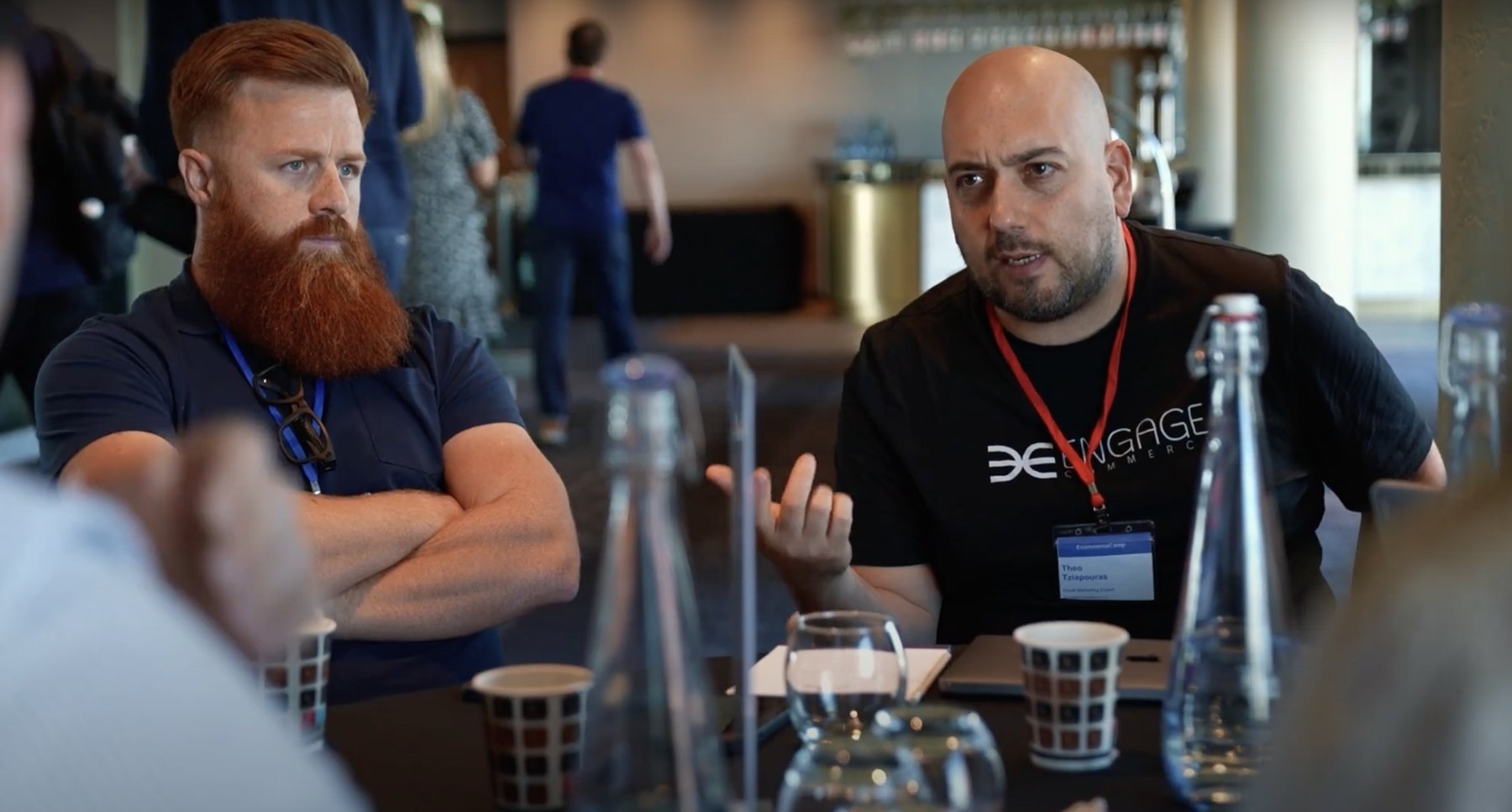
A row of matching studio headshots says you've got a brand guideline. A set of pictures of people doing the job says you've got people doing the job. The second one is what your reader is trying to work out.
If there are three of you, say so
Small brands hide their size and it's a mistake. Knowing that the person who replies is one of three, and is the same person who packed the parcel, sets expectations that work in your favour on delivery times and against the big competitor on everything else.
Say what that means day to day: when replies happen, when they don't, and what to do if something's urgent. Customers forgive a delay they were told about. They remember one they weren't.
This is the version that pairs most naturally with the lifecycle work, because it sets the tone every later email inherits.
Count the names on your own site
Open your about page and count how many people are named. Usually it's one, or none, and the contact page offers a form instead of a person. That's the gap this campaign closes, and it costs you an afternoon.
Then check the reply address on your last five sends. A team email introducing named people, sent from an address nobody monitors, is the sort of contradiction we look for first when an account isn't converting the way its traffic says it should.
Alex Gregoriades
Operations director at Engage Commerce, where he runs the accounts the writing comes out of.
FAQs

Should we include everyone in the business?
Only the people a customer could plausibly need, which in most brands is four to six. A full list turns the email into a staff directory and buries the person who answers the question the reader actually has.
What if staff turnover is high?
Name roles alongside people and keep the email dated, or feature only the ones who've been there a while. An out of date team email is worse than none: a customer asking for somebody who left last year gets a bad first impression.
Is a shared inbox acceptable as the contact route?
Yes, and it usually beats personal addresses, as long as the email tells people how to reach a specific person through it. What doesn't work is naming individuals and then routing everything to a no reply form.
Where else should this content live?
On the about page, on the contact page and in the automated reply that goes out when somebody emails support. The same four lines per person work in all three places, and most brands write them once for the email and never touch them again.
Sort by need, name real people, use real photographs
A meet the team email earns its send when it's organised around what a customer might want instead of around who reports to whom. Give each person the question they answer, one detail that's actually useful, and a way to reach them. Send it early to new subscribers and again after a problem has been fixed, and it does more for the next hundred support conversations than any policy change will.
Campaigns that are not discounts
One campaign type per post: what it is for, who it is sent to, and how to build it without reaching for a code.

The loyalty perks email: remind people what they already have
Most loyalty programmes are built once and never mentioned again. The benefits sit unclaimed, which is a campaign waiting to be sent.
Read it
How to write an ingredient spotlight email people finish reading
One component, explained properly, is a campaign. A list of everything in the product is a specification sheet nobody asked for.
Read it
The founder q and a email, answered in the founder's own words
Ask your list what they want to know and you get two campaigns: the questions themselves, and the answers a fortnight later.
Read itWould you rather this was just handled?
Bring your Klaviyo account and the thing annoying you most. We will tell you what we would fix first, on the call, before you spend anything.


Book a call with our founder.
We're all about relationships built on trust, mutual respect and a shared vision for success. If that sounds like your vibe, let's make some waves together 🌊