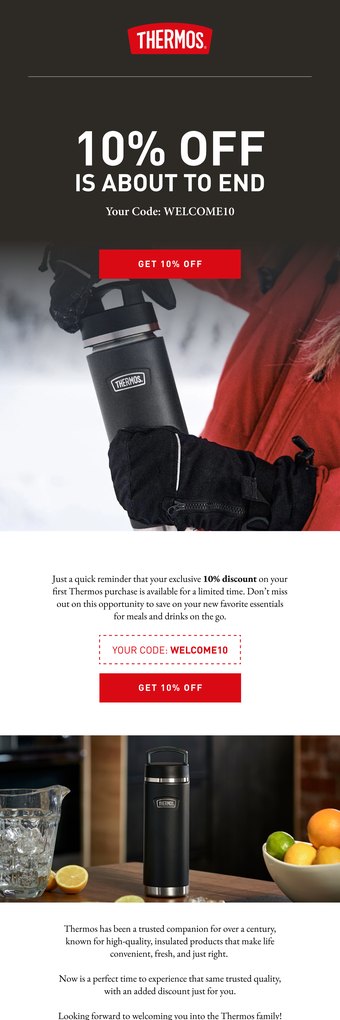
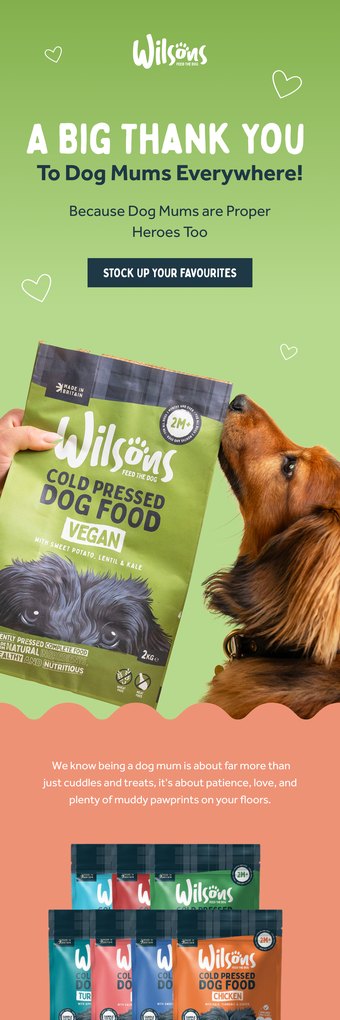
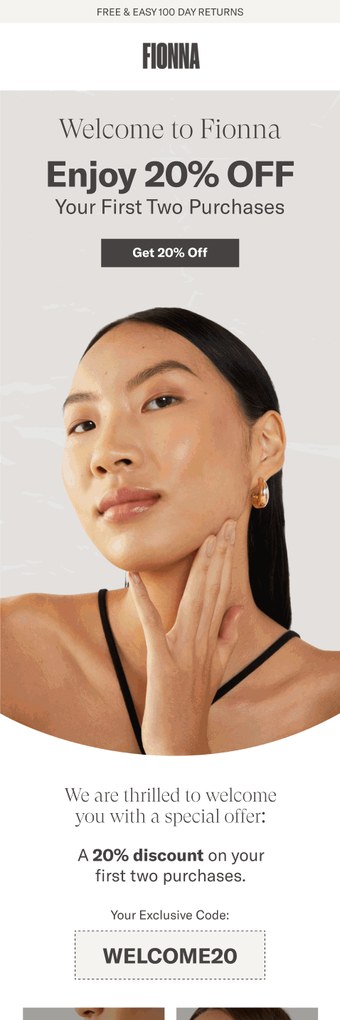
The new product launch email, sequenced over a fortnight
One announcement reaches whoever happened to be looking that morning. A sequence reaches everybody, and each send has a different job.


Most launches are one email sent on the day, so the product gets a single shot at whoever opened that morning. Spread it over a fortnight, give every send a different job, and you reach several times as many people without ever repeating yourself.
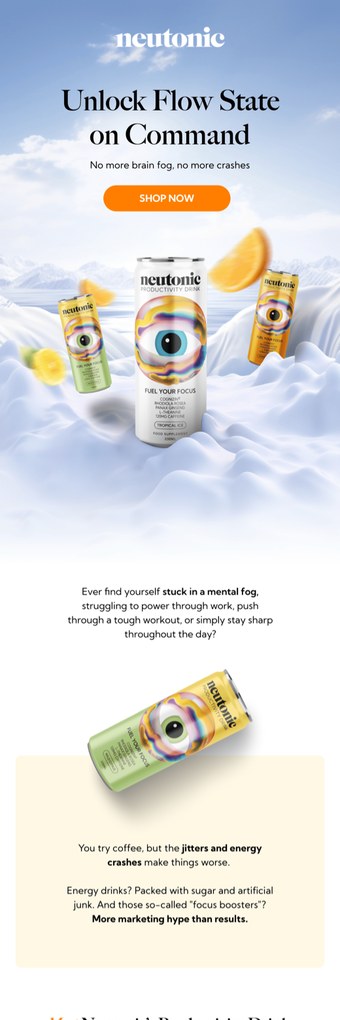
Four sends, four jobs
- The problem, a week before: what the new product exists to fix, with no mention of it
- Early access, to the segment that has earned it, a day or two ahead of everybody
- The launch, to the rest of the list, with the product and the reason it exists
- The explanation, a few days later, for people who need to understand it before buying
- The reminder, at the end of the fortnight, only to people who engaged and did not order
Every one of those goes to a different audience, or at least a partly different one. That's what stops the sequence reading as five emails about the same thing.
Sell the problem before you mention the product
The email a week out shouldn't be a teaser with a silhouette and a date. Make it useful instead. It's a send about the problem, worth reading on its own, and it lands the launch on people who have just been reminded they've got the problem.
It hands you a segment as well. Everybody who clicked that email is your launch audience, picked out by what they did instead of by guesswork. They're the ones who should get early access.
What it is, why it exists, what it replaces
Three things, in that order. Most launch emails cover the first and skip the other two, and the reader is left looking at a new thing with no idea whether it's for them or how it differs from the one they already buy.
| Question | Where brands answer it | Where it belongs |
|---|---|---|
| What is it | The launch email | The launch email, in one line |
| Why does it exist | Nowhere | The launch email, at length |
| How is it different from the one I buy | The product page, in a tab | The launch email, plainly |

A new version is a problem for the people who bought the old one
Where the launch replaces or improves on something customers already own, they need their own email, and it isn't the launch send. Tell them what happens to their version, whether it still gets made, whether they should switch, and whether anything they bought is now obsolete.
Get that email out before the general announcement. The launch is the exciting bit, but finding out from a marketing campaign that the thing you bought last month has been superseded is the version that produces complaints.
The launch content becomes flow content
Two weeks later the campaign is over and the material isn't. The explanation email joins the welcome sequence, the problem email becomes an evergreen campaign, and the comparison with the previous version belongs on the product page.
That reuse is the difference between a launch as an event and a launch as an addition to the programme. Half a day of work once the sends are written. It's also the step most calendars skip.
Look at how your last launch was sent
Find the last new product you introduced and count the emails. If the answer is one, the product got a single morning's attention from whoever happened to be in the inbox, and the explanation is worth resending now to everybody who never opened it.
Then check whether customers of the previous version were written to separately. Usually they weren't. That's a habit, not a mistake, and it's one of the first things we change when a range refreshes regularly.
Theo Tziapouras
Founder and strategy at Engage Commerce, the ecommerce agency for 7 and 8 figure DTC brands.
FAQs

How many emails should a product launch involve?
Four or five over about a fortnight, each with its own job and its own audience. What makes a launch sequence feel excessive isn't the number of emails. It's sending the same announcement to the whole list over and over.
Should we tease a launch before it happens?
Only if the teaser is worth reading on its own. A silhouette and a countdown asks the reader to care about your schedule. An email about the problem the product solves earns its place either way, and it picks out your launch audience for you.
Who should get early access?
The people who engaged with the pre-launch email, plus any loyalty tier that's been promised it. Early access is one of the few perks that costs you nothing, and it's wasted the moment it goes to a segment chosen at random.
What do we send to customers who bought the previous version?
Their own email, before the public announcement, saying what happens to theirs, whether it's still supported and whether switching is worth it. Finding out from a marketing send is the fastest way to turn a launch into a complaint.
Sequence it, and give the old version its own email
A launch is a fortnight, not a morning. Sell the problem first, give early access to the people who showed interest, answer why it exists and what it replaces in the launch itself, write separately to anybody who owns the previous version, and remind only the people who engaged. Then move the best of it into the flows, where it keeps working long after launch week is over.
Campaigns that are not discounts
One campaign type per post: what it is for, who it is sent to, and how to build it without reaching for a code.

The myth vs fact email, for categories where the internet is wrong
Correcting a belief your customers hold is a campaign. Correcting one they have never heard of is a lecture nobody asked for.
Read it
The meet the team email that makes the next support ticket easier
Organised by job title it is an org chart. Organised by what a customer might need, it is the most useful email in the sequence.
Read it
The loyalty perks email: remind people what they already have
Most loyalty programmes are built once and never mentioned again. The benefits sit unclaimed, which is a campaign waiting to be sent.
Read itWould you rather this was just handled?
Bring your Klaviyo account and the thing annoying you most. We will tell you what we would fix first, on the call, before you spend anything.

Book a call with our founder.
We're all about relationships built on trust, mutual respect and a shared vision for success. If that sounds like your vibe, let's make some waves together 🌊