How often should you send marketing texts? Let the first 30 days tell you
There is no ignore button on a text, only unsubscribe. The ceiling comes from your own opt-out curve, read send by send.

Every SMS list survives week one. Somewhere between the third and fifth send the curve bends, because somebody got a text they weren't expecting at a moment they weren't expecting it. The first month is a measurement window, not a cautious ramp, and the ceiling it finds is yours alone.

A text lands harder than an email ever does
Day one always looks wonderful. The welcome text gets read within minutes, replies come in, somebody screenshots one for the client's Slack channel. Then a promo goes out at eight on a Sunday evening, queued in the same slot as the email, and by midweek the opt-outs have spiked.
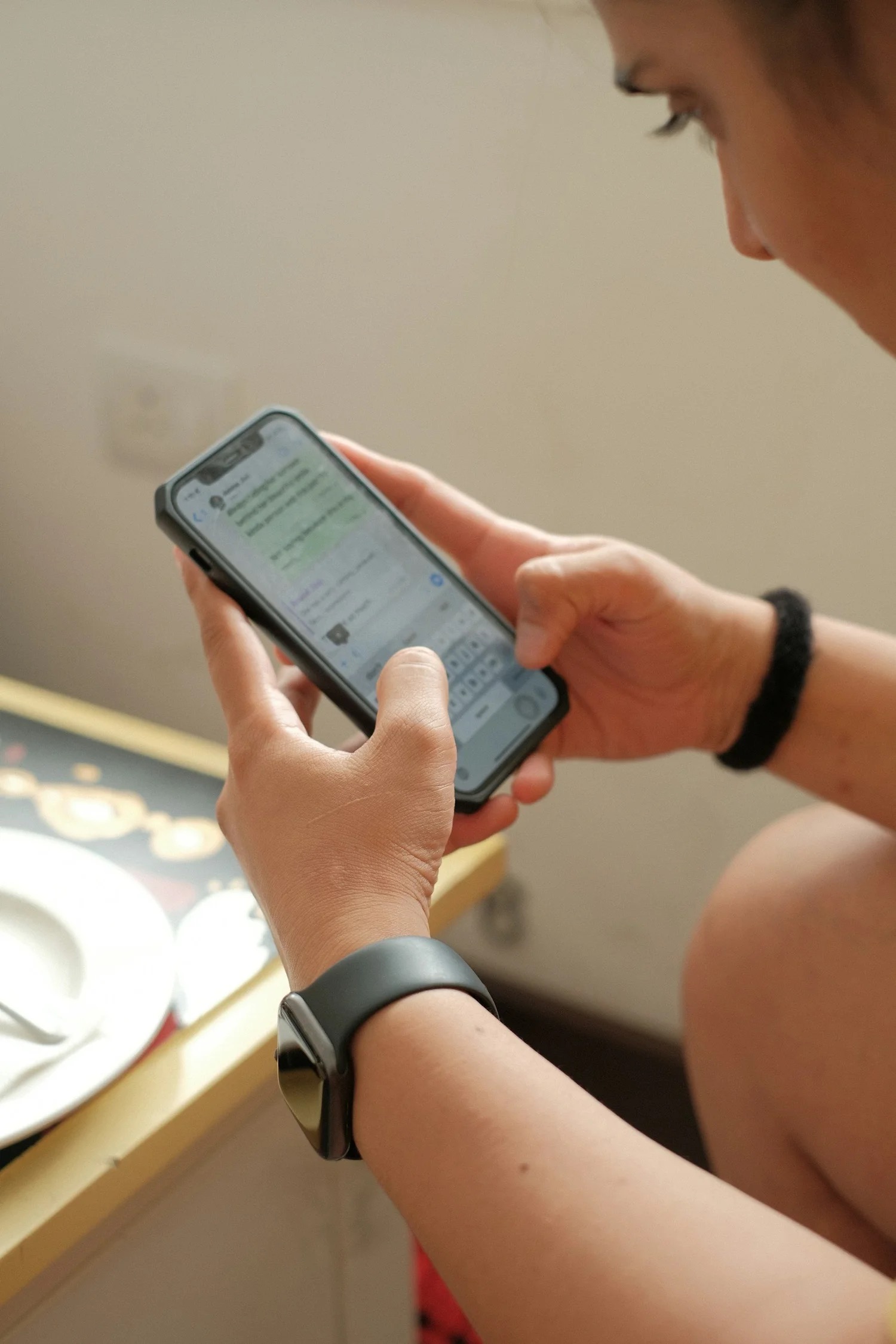
That pattern repeats because a text isn't an email. An unwanted email gets ignored and quietly forgotten. An unwanted text interrupts a phone in a pocket at dinner. There's no ignore button on a text, only unsubscribe.
So the first month of a new SMS programme isn't a cautious ramp. It's a measurement window. You're finding the real ceiling for this list, on this brand, instead of borrowing a frequency off a benchmark, and the only way to find it is to watch every send on its own.
Log opt-outs against every single send, never the monthly average
A monthly opt-out average is close to useless for spotting the moment things went wrong. One bad send gets diluted by seven decent ones and vanishes into a number that still looks fine on the report. So you get to month two thinking the list is behaving. Then you repeat the exact send that did the damage.
So we log opt-outs against each individual send instead, timestamped, with that send's own context attached. Within a handful of sends a shape appears. Most lists hold flat through the early texts, then one send bends the curve, and the context tells you why.
| What to attach | Why it matters |
|---|---|
| Send time | A promo at eight on a Sunday evening reads nothing like one at Tuesday lunchtime |
| Message type | Restock alerts and order updates earn a tolerance that discount blasts don't |
| Gap since the last text | A short gap after a quiet fortnight is a pattern break, whatever the calendar says |
| Segment | Repeat buyers forgive a text that a pop-up subscriber who has never bought won't |
The send that bent the curve is nearly always the same story. It landed outside a window the subscriber thought was reasonable: too soon after the last one, or at a bad hour. That spike marks your list's actual ceiling, and it's worth more than any industry chart.
The first pattern-breaking send is the test, not the welcome text
Everyone tests the welcome flow and almost nobody tests what happens after it. The welcome text is the safest message the programme will ever send. The subscriber has just opted in and expects to hear from you, so it tells you almost nothing about tolerance.
The real test is the first message that breaks the pattern the welcome flow taught. Somebody signed up expecting order updates and restock pings, and their fourth text is a generic discount blast. The deal they thought they'd made is broken. That mismatch triggers the opt-out far more often than frequency in the abstract.
So we look at that first category-changing send harder than send one, reading its opt-outs on their own against the baseline the early sends set. If it sits meaningfully higher, either the welcome flow has to set expectations honestly, or that segment should never get that message type at all.
Fix the timing before you touch the frequency
Before frequency becomes the conversation, timing usually needs fixing. A badly timed send at a sensible frequency does more damage than a well timed send at a slightly higher one. And the same timing mistakes turn up in almost every new programme we take on.
- Don't inherit the email schedule by default, because a slot that suits an inbox can feel like an interruption on a phone
- Keep promotional sends off weekend evenings, unless you've got real evidence that the segment welcomes them
- Separate transactional-feeling sends like restock alerts from promotional ones in the calendar, because subscribers tolerate very different frequencies for each
- Send against the subscriber's own time zone, not the account default, especially if a real share of your audience sits outside the UK
Fix the timing variable first, then read the curve. Once timing's controlled, the curve is measuring frequency tolerance and not a text that landed at a bad moment. Two different problems, identical on a report.
Build the ceiling from the list in front of you, not the playbook
The tempting shortcut is a frequency rule imported from another account, or off the platform's own benchmarking page. That number might suit a general apparel list and fail a supplements brand whose subscribers genuinely want frequent restock alerts. It fails the other way for considered homeware. A modest month of texts there feels like pestering.
So for the first month we deliberately send slightly under what we think the list can take, and watch where the curve stays flat. Frequency goes up one send at a time in week three or four. Never before, and only once there's a baseline to compare against. If the curve bends at send three, the list has answered early, at a far smaller cost in subscribers than running a borrowed cadence blind for a month.
The ceiling is a segmentation decision as much as a number, which is why the lifecycle side of the work matters more here than the SMS platform does. A subscriber who's bought several times, like the repeat buyers in the accounts we write up, takes more texts than somebody who came in off a pop-up and has never purchased. The first month finds both ceilings.
Sometimes the list is telling you it doesn't want texts
Now and then the first month tells you something less convenient than reduce the frequency or move the send time. The curve stays high at a genuinely conservative cadence, on well timed, well segmented sends. That's not a tuning problem. That's the list telling you SMS is the wrong channel for this audience.

Saying so out loud is part of running the programme honestly. It happens more with older audiences and considered purchases than with impulse DTC lists, and the right response is putting the budget back into channels the list does want. Quietly reducing volume forever and calling it optimisation is the dishonest version of the same call.
Alex Gregoriades
Operations director at Engage Commerce, where he runs the accounts the writing comes out of.
FAQs

How many texts a month is too many?
There's no universal number, and any figure you've seen quoted was measured on somebody else's list. Send slightly under what you think the list can take for the first month, then let its own opt-out curve set the ceiling, send by send.
Why do people opt out of marketing texts?
Usually because a text broke the deal they thought they'd made, not because of volume on its own. Somebody who signed up for order updates gets a discount blast, or a promo lands late on a Sunday evening. Message type and timing trigger far more opt-outs than the raw count of sends.
What is a good opt-out rate for SMS?
Judge it per send against your own early baseline, not a published average. The welcome text and the first few sends set the floor, and a healthy programme holds near it as cadence rises. One send sitting well above the floor is your signal to go and look, whatever the monthly average says.
Should SMS follow the same send schedule as email?
No. An email sits unread in a tab until the reader picks it up. A text interrupts whatever the phone's owner is doing. A slot that performs for email can quietly drive SMS opt-outs, so build the text calendar from scratch and test send times separately.
The ceiling was never in the benchmark
A benchmark can tell you what a thousand other lists tolerated, and nothing about yours. Thirty days of per-send logging will tell you the hour your subscribers resent, the message type they never agreed to, and the cadence they'll carry. Every text after that is sent on evidence, which is the only comfortable way to run a channel with no ignore button.
Programme and calendar
How often to send, what to send when, and what retention costs to run.

Most stores never capture emails from guest checkout, and they already paid for those clicks
Shopify collects an address on every guest order. What it never collects is permission, and the checkbox under the payment fields never gets it.
Read it
TikTok Shop customer emails are the cheapest ones you'll ever nearly lose
The order arrives as a name, an address and a SKU, with no way to speak to the buyer again. Fix that on purpose.
Read it
Shopify email capture is what turns a website into a list machine
The site takes the first order. The list pays for every order after it, so each template has to earn its place with an ask.
Read itWould you rather this was just handled?
Bring your Klaviyo account and the thing annoying you most. We will tell you what we would fix first, before you spend anything.


Half an hour with Theo, our founder.
We're all about relationships built on trust, mutual respect and a shared vision for success. If that sounds like your vibe, let's make some waves together 🌊