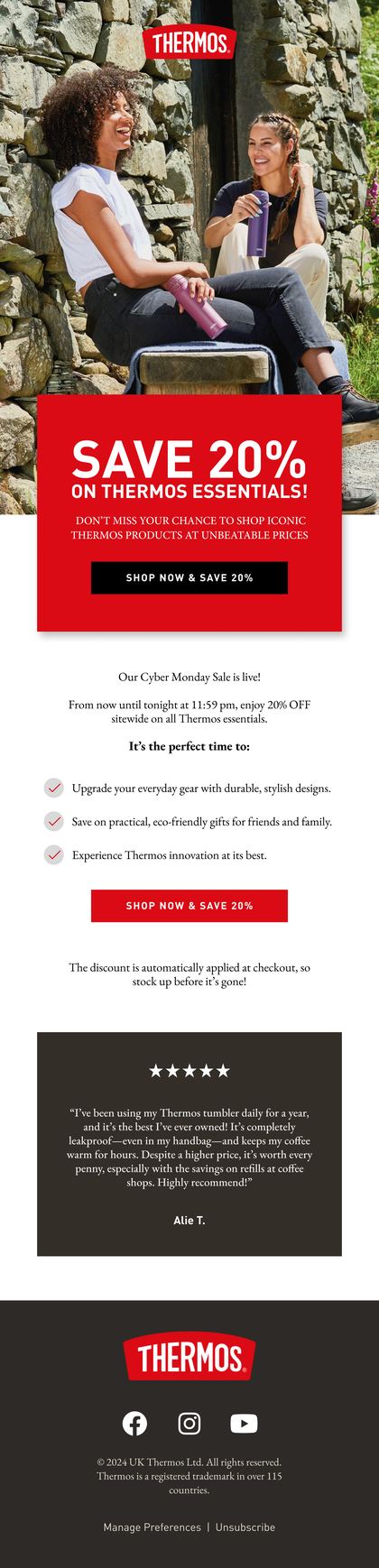
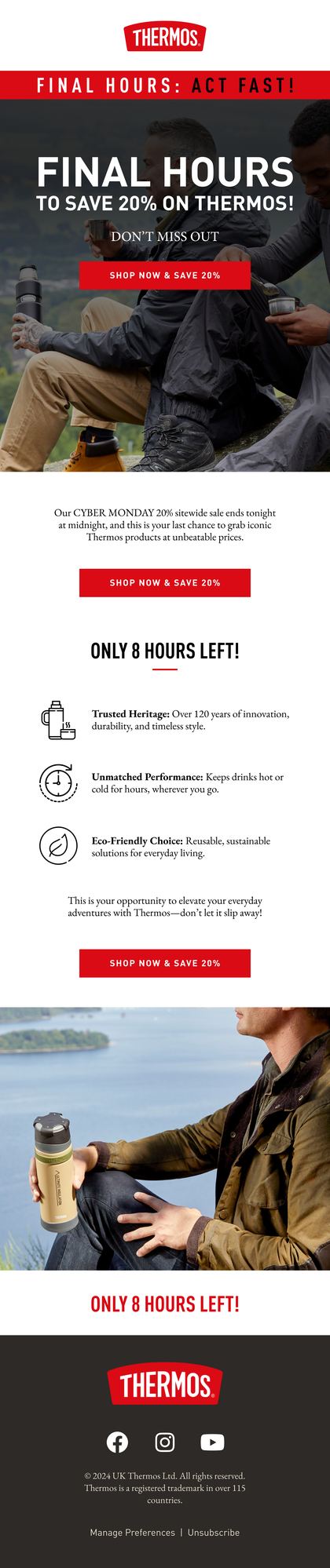
Social proof that sells: specific, true, and next to the doubt
Evidence from people who aren't you. Shoppers discount what you say about yourself, so the useful questions are which customer, saying what, and where on the page.
- 123Social Proof
- The concept that people are influenced by the actions and opinions of others, often used in marketing through testimonials and reviews.
- Comes as
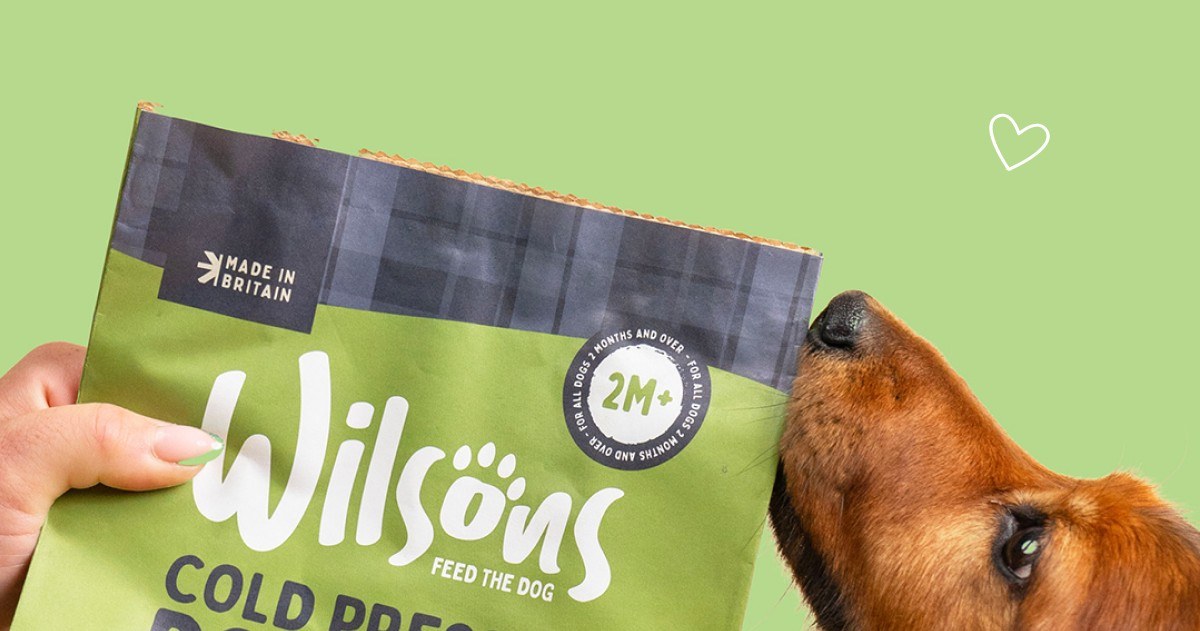
- Reviews, ratings, customer photos, bestseller badges, press, creator posts
- Works best when
- It answers the doubt this shopper has right now
- In email
- Abandoned cart sequences, the welcome series, testimonial campaigns
- Backfires when
- It's vague, out of date or plainly invented
The kinds of social proof, and what each one proves
| Type | What it proves | Where it's weak |
|---|---|---|
| Star rating and review count | Plenty of people bought it and rated it | Says nothing about this shopper's worry |
| A written review | One real person's experience | Generic praise reads like filler |
| A customer photo | It looks like that in a real home | Retouch it and the proof's gone |
| Bestseller badge | Other people chose it first | Plainly false if it never changes |
| Press and awards | Someone with standards noticed | Old logos with no link look borrowed |
| Creator posts | Someone people follow uses it | Obviously paid, it proves less |
Put each piece of proof next to the doubt it answers
A shopper worried about fit doesn't need your overall star rating. They need one review from someone their size, sitting beside the size guide. Worried about delivery? The review that mentions it arriving early belongs by the add to cart button.
Email works the same way. The testimonial email picks one objection and lets a customer answer it. The second email of an abandoned cart sequence is the natural home for proof, because the reader has already chosen and is now doing the doubting.
Fake social proof costs more than it earns
A counter claiming dozens of people are looking at this right now. A low stock badge that never moves. A review section with nothing under four stars. Customers can spot all three, and a shopper who catches you inventing one piece of proof stops believing the rest.
Honest proof includes the odd bad review, answered politely. A product page with a few critical ones reads as real, and the UK's rules on customer reviews now say you can't quietly hide them anyway.
Related terms
FAQs
What are some examples of social proof on a product page?
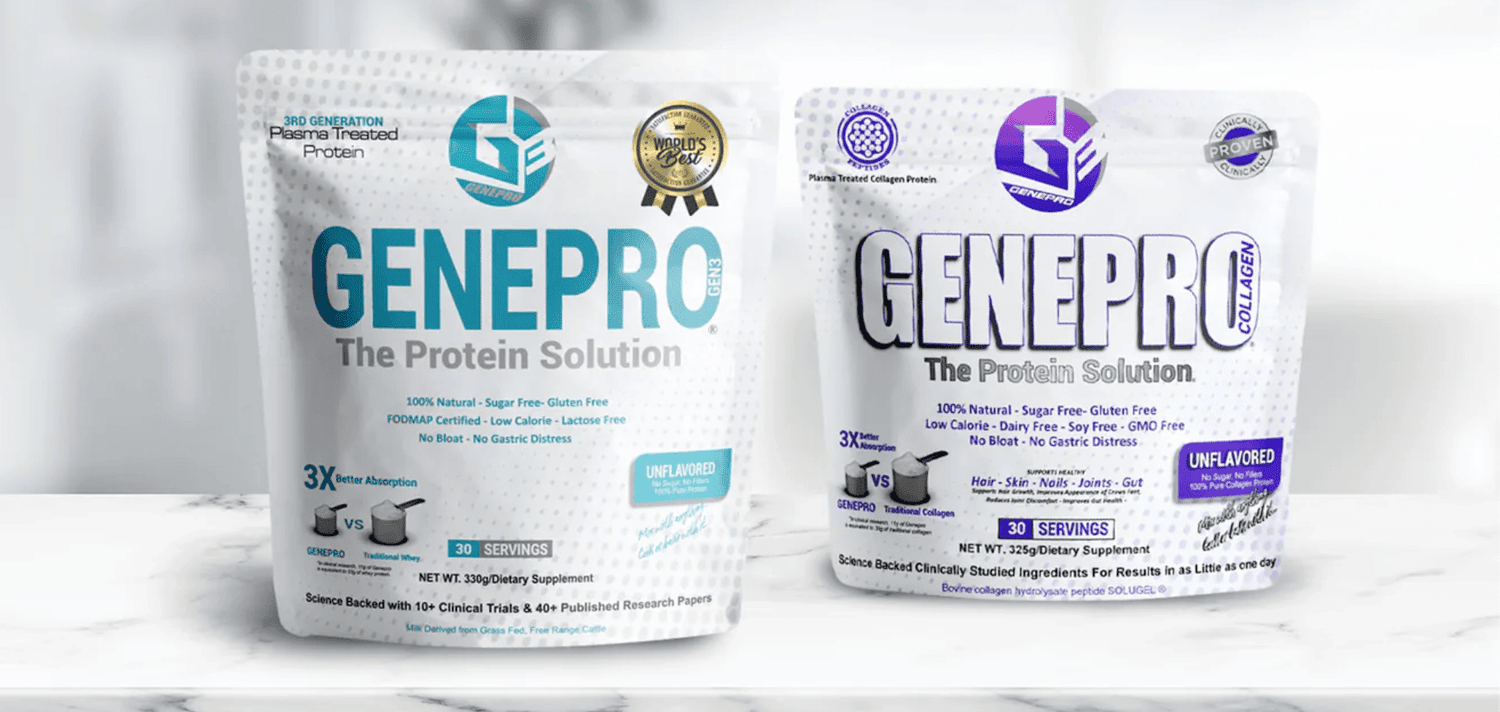
Star ratings with the number of reviews behind them, written reviews you can filter by size or use, customer photos, bestseller badges and press mentions. The strongest is a single review that answers the exact doubt a shopper has, placed where they have it. A rating on its own is the weakest, because every shop's got one.
Does social proof work in marketing emails?
When it's specific, yes. A named customer answering a real worry, a photo from someone's kitchen, a review that mentions the thing your support team gets asked about. A grid of star ratings under a banner gets scrolled past. Put one good quote where the reader is deciding and let it run long.
How does a new brand get social proof with no reviews yet?
Start with the proof you can show today: who makes it, how it's tested, where it's stocked, any press you've had. Then ask your first customers for reviews from the very first order, and if anyone got something free for writing one, say so on the review. It builds order by order.
Rather we explained it on your own account?
Bring your Klaviyo account to a growth consultation. We'll walk through what this means for your numbers, in plain English, and what we'd fix first.


Half an hour with Theo, our founder.
We're all about relationships built on trust, mutual respect and a shared vision for success. If that sounds like your vibe, let's make some waves together 🌊