What is DTC, and why the second order decides whether it pays
Selling straight to the people who use what you make, through your own website. You keep the margin and the customer's details. You also pay for every first order yourself.
- 030DTC (Direct-to-Consumer)
- Brands that sell their products directly to consumers without intermediaries like wholesalers or retailers.
- Also written
- D2C, both short for direct to consumer
- Sold through
- Your own website, usually on Shopify, with nobody in between
- What you keep
- The customer's email, their order history and the price
- The catch
- Nobody brings you footfall, so you pay for every first visit
Selling direct means the customer file is yours
The margin is the reason most founders give. The better reason is the name on the order. When somebody buys through your own checkout, you get their email address, what they bought and when, and with the right permission you can talk to them again next month without paying for the privilege.
Sell the same product through a shop or a marketplace and the retailer keeps all of that. You get a purchase order or a payout. The person using your product is somebody else's customer.
Every first order on a DTC site is one you paid for
Now the bit nobody puts on the pitch deck. A retailer brings people through the door. Your website brings nobody, so every first visit gets paid for one way or another: ads, influencers, search, PR. When the cost of that visit is bigger than the profit on the first order, the business only works if the customer comes back.
That's why DTC brands live or die on the second order. The first order mostly pays for the advert. The second, third and fourth are where the profit sits, and email is how you ask for them without paying for the visit again.
Most DTC brands sell somewhere else as well
Pure DTC is rarer than the label suggests. Plenty of brands that use it also sell on Amazon, through stockists or in a shop of their own. That's fine. Each channel does a different job.
| Your own site | A marketplace | A stockist | |
|---|---|---|---|
| Finds the shopper | You, and you pay for it | The marketplace | The shop |
| Gets the email address | You | The marketplace | The shop, if anybody |
| Margin per unit | Highest, before you pay for the visit | Less the marketplace's fee | Less the shop's markup |
Your own site's job in that mix is the relationship. It's where full price sells, where launches go first, and where a buyer from anywhere else becomes somebody you can email. The marketplace page covers how to move people across.
What a DTC site needs before it buys more traffic
- Every order creating a profile in Klaviyo, with marketing consent recorded properly
- A welcome series for people who sign up and haven't bought yet
- A post purchase flow timed off what was bought, not off the order date
- A winback for the customer who's gone quiet
- A report splitting new and returning revenue, so the second order shows up at all
None of it is clever. It's the plumbing that stops you paying twice for the same customer, and it's where the email systems we build begin.
Related terms
FAQs
What's the difference between DTC and B2C?
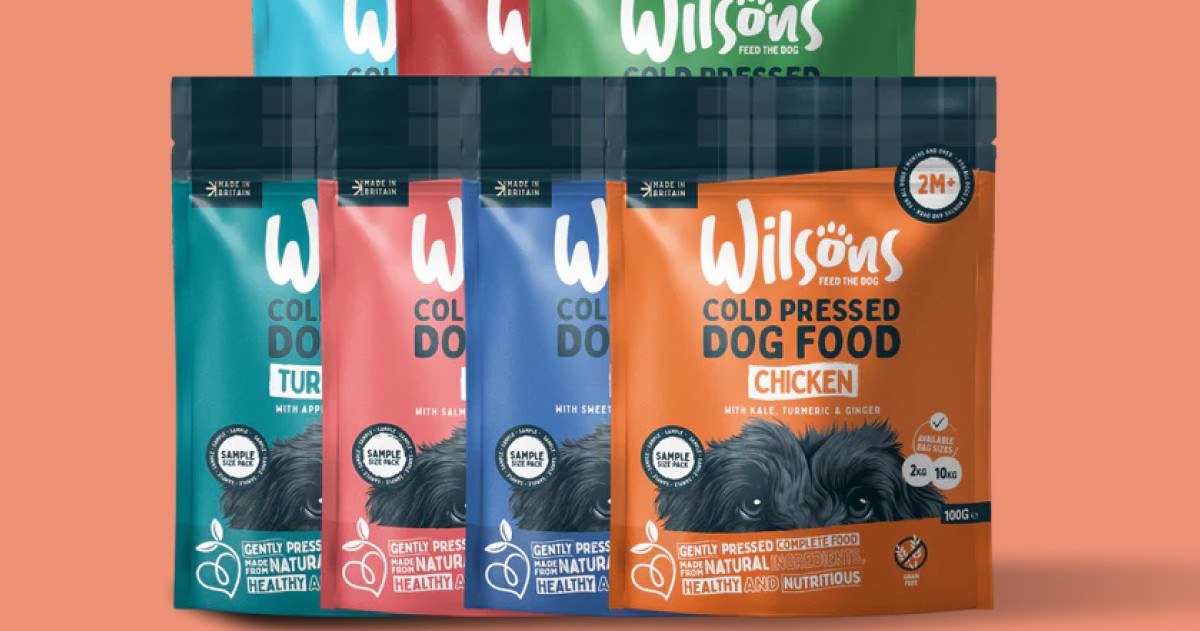
B2C says who you sell to: people, not businesses. DTC says how: straight from the brand, with no retailer in between. A supermarket is B2C but it isn't DTC, because it sells other people's products. A brand selling its own range on its own website is both.
Does DTC mean you can't sell through shops or Amazon?
No. Most brands that call themselves DTC sell in more than one place, and the label only describes your own website's part in it. Other channels can bring people in. Your site is where they become yours, so give every other channel a route back to it.
Is DTC still worth it if advertising keeps getting more expensive?
Only if customers come back. A DTC brand that needs every order to be a new customer is renting its growth from the ad platforms, and they set the rent. One that earns repeat orders through email, SMS and a product people rebuy can afford to pay more for the first order. That's the whole calculation.
Rather we explained it on your own account?
Bring your Klaviyo account to a growth consultation. We'll walk through what this means for your numbers, in plain English, and what we'd fix first.
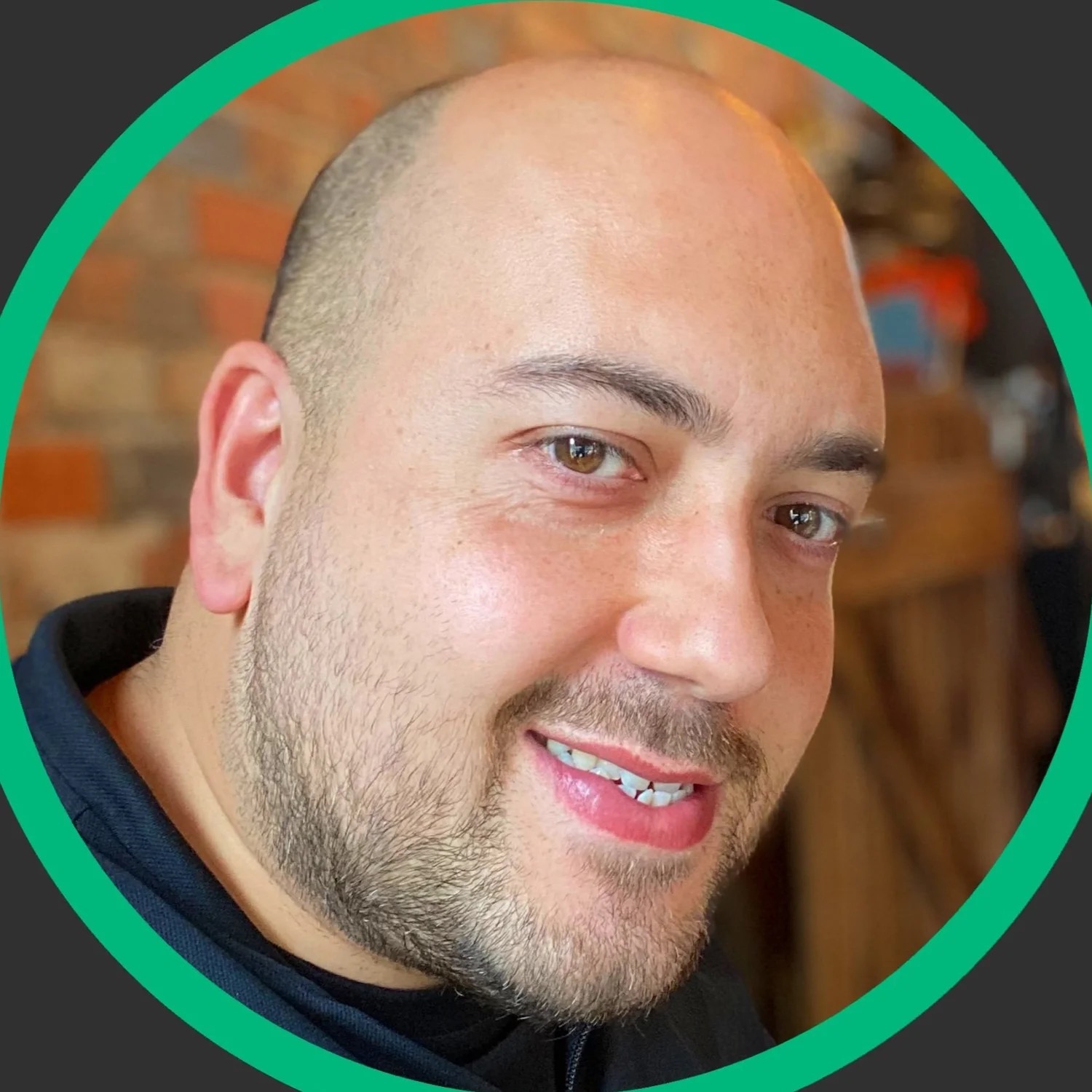
Half an hour with Theo, our founder.
We're all about relationships built on trust, mutual respect and a shared vision for success. If that sounds like your vibe, let's make some waves together 🌊