How to send an us vs them email without naming a competitor
The comparison send works when it argues with the way something is normally done, not with a brand you would rather nobody had heard of.

Comparison emails go wrong in two directions. Either they name a rival and hand them free advertising in your own inbox, or they compare against nobody in particular and say nothing at all. The one that works argues with the normal way of doing the job your product replaces.
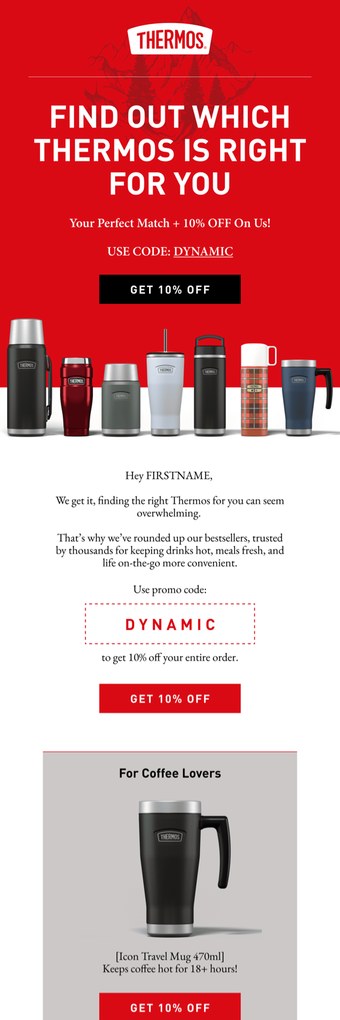
Naming a competitor is the version that backfires
You want to line up the brand that keeps beating you and build a feature table. It rarely pays. You've just introduced a competitor to everybody on your list who'd never heard of them, and handed the ones who had a reason to go and look.
There's a second problem. You can't win a comparison you wrote yourself. Readers know the table was built by the brand sitting at the top of it, so every row gets discounted before it's read.
The comparison that does land is against a method, not a company. Not us against them, but this way against the way you're probably doing it now. Nobody feels sold at, and the reader recognises themselves in the losing column.
Find the default your product is actually replacing
Every product displaces something, and it's usually not a competing product. It's a habit, a bodge, a spreadsheet, a supermarket own brand, or doing without. That displaced thing is your them. And it can't complain.
| What you sell | The tempting them | The better them |
|---|---|---|
| A cut to fit foam insert | The other foam supplier | Cutting it yourself with a bread knife |
| A cold pressed dog food | The rival brand | The bag from the supermarket nobody reads the back of |
| A specialist cleaner | The other bottle on the shelf | Bleach, a stiff brush and a lost Saturday |
Once the them is a method, the email stops being competitive and starts being useful. You're explaining why a job is annoying and what changes when it isn't.
Write the losing column first, and write it fairly
Draft the description of the old way before you write a word about your product, and write it the way somebody who's done it that way would. If your account of the alternative is a caricature, everybody who's ever used it stops reading.
- Name the job, not the product category, because the reader identifies with the job
- Describe the current method in enough detail that a person doing it nods along
- Concede the one thing it's genuinely better at, usually that it's cheaper or already in the cupboard
- Then show what changes, in the same order, so both versions sit side by side
- Close on the one product that does it, linked once
The concession is the part everybody skips, and it's the part that makes the rest credible. An email that admits the cheap option is cheaper reads as an honest account. Not a sales page.
A table isn't compulsory, and it's often the wrong shape
The tick and cross grid is the default because it's easy to design. It also flattens everything into claims. No evidence behind any of them. Two short columns of prose, or a before and after photograph with a paragraph under each, usually persuade more.
That send is a comparison in disguise. It never mentions a competitor. It just sorts the range by what people are actually trying to do, and the reader sorts themselves. Same job, none of the confrontation.
It belongs to the considering segment, not the whole list
Your customers don't need this email. They've already chosen, and reading a defence of a decision they made weeks ago does nothing for them. Send it to subscribers who've been reading and not buying, and to anybody who's browsed a category more than once without ordering.
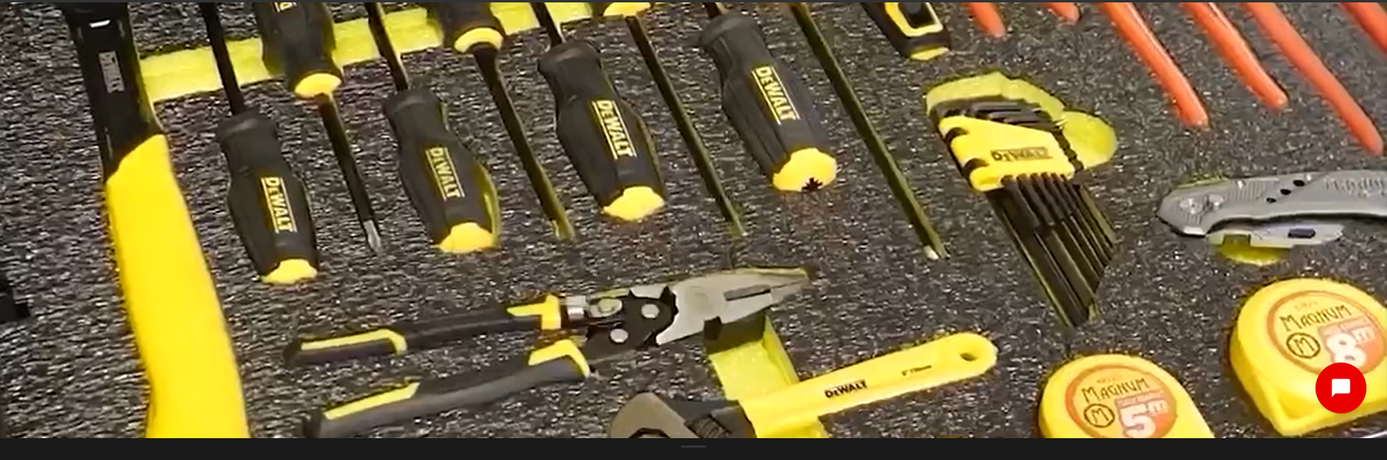
It earns its place before a launch too, where the new product needs the old method explained before anybody understands what it improves on. The Shadow Foam programme leans on that order, because the product only makes sense once you've pictured the drawer it replaces.
Ask support what people compared you with
Before you write anything, ask whoever answers your emails what customers say they were doing before they found you. That sentence, repeated back, is the whole campaign. It's usually not the answer the marketing team would have guessed.
Then look at whether your product pages already make the comparison. If they don't, the email will outperform the page it sends people to, and that's a conversion problem before it's an email one. Fix the page while the campaign is in draft. You get both.
Theo Tziapouras
Founder and strategy at Engage Commerce, the ecommerce agency for 7 and 8 figure DTC brands.
FAQs

Is it ever right to name a competitor in an email?
Rarely, and only where the comparison is already public and checkable, like a published specification the reader can look up themselves. Even then you're spending your own attention on their brand name. A method comparison gets you the same result without the risk.
What if our product genuinely is better than a specific rival?
Then let a customer say so. A testimonial that names what somebody switched from carries far more weight than the same claim in your own copy, and it moves the statement to a person with nothing to gain from making it.
Should the comparison email include pricing?
Only if price is the point of the comparison, which it usually isn't. If you're the expensive one, deal with it in the concession instead of hiding it. The reader already knows, and they're waiting to see whether you'll mention it.
How is this different from a comparison chart email?
The chart version sorts your own range so somebody can choose between your products. This one compares your approach with the way the job normally gets done. Different questions, different segments, and two different emails.
Argue with the method, not the market
An us vs them email is at its strongest when the them is a habit and not a rival. Nobody gets promoted in your inbox. Nothing you wrote can be checked against a competitor's price list next week. And the reader is invited to recognise their own situation instead of picking a side. Write the losing column honestly, concede the one thing it does better, and the comparison makes itself.
Campaigns that are not discounts
One campaign type per post: what it is for, who it is sent to, and how to build it without reaching for a code.
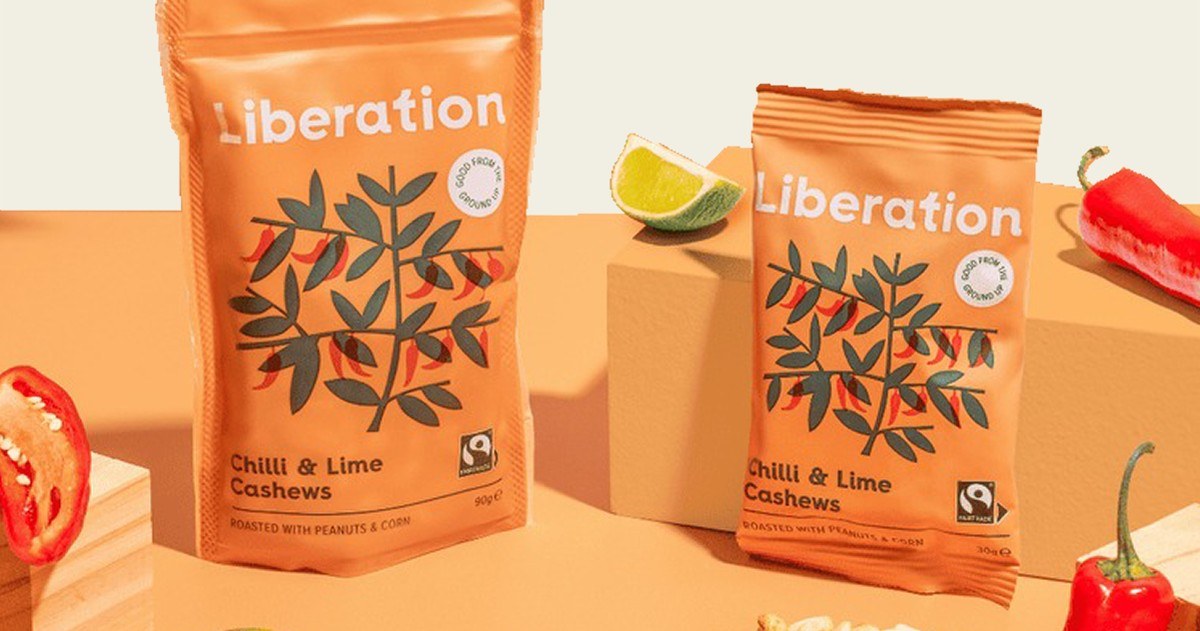
The unboxing email: what to send between dispatch and the doorstep
The days between paying and receiving are the most attentive a customer will ever be, and most brands fill them with a courier link.
Read it
The UGC email, and the permissions conversation nobody has first
Customer photographs outperform studio photography in almost every test, and using them without asking is how brands end up apologising.
Read it
How to build a testimonial email a sceptical reader believes
Star ratings persuade nobody. One customer, quoted at length, answering the objection that was already stopping the sale, is a different email.
Read itWould you rather this was just handled?
Bring your Klaviyo account and the thing annoying you most. We will tell you what we would fix first, on the call, before you spend anything.

Book a call with our founder.
We're all about relationships built on trust, mutual respect and a shared vision for success. If that sounds like your vibe, let's make some waves together 🌊