The UGC email, and the permissions conversation nobody has first
Customer photographs outperform studio photography in almost every test, and using them without asking is how brands end up apologising.
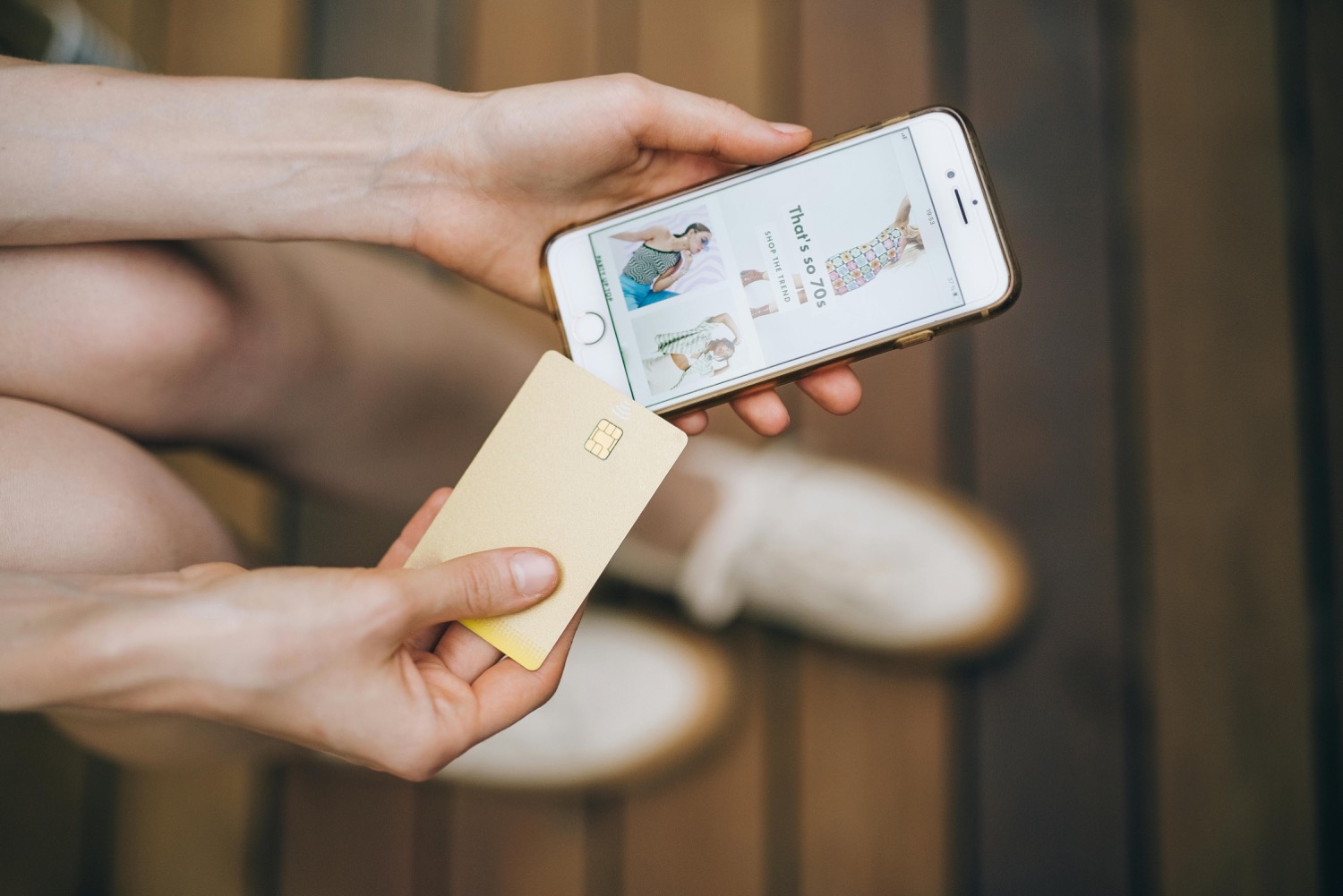

User generated content works because it's visibly not yours. The moment it's colour corrected, cropped to a grid and captioned in brand voice, it stops doing the one job you collected it for. And the permissions problem is still sitting there either way.

It's credible because it's worse
A customer photograph is badly lit, slightly out of focus and taken in a room nobody tidied first. Those are the qualities that make it persuasive. They're impossible to fake, and they show your product in the conditions a reader actually recognises.
Every step you take towards making it look professional takes some of that away. Crop it for the layout if you have to. Leave the rest alone.
A public post isn't permission
- Ask directly, in a message and not a comment, and say exactly where the photograph will appear
- Name the uses: email, product page, paid advertising, packaging, each one separately
- Confirm how they want crediting, and whether their handle or their first name is fine
- Keep the reply, with the date, somewhere your team can find it a year from now
- Honour a change of mind without arguing, because the alternative is a public complaint
Blanket terms attached to a hashtag are common and weak. They lean on somebody having read a competition rule, and they don't survive the moment a customer objects. Whatever the wording says.
Where a person is identifiable in the photograph, that's a second permission. And it belongs to whoever is in the picture, not to whoever took it.
Ask at the moment the photograph already exists
The best time to ask is the point where they've just used the product for the first time. Ask months later and you're asking them to go and take a picture from scratch. Almost nobody does.
| Ask at | Response | Quality |
|---|---|---|
| Delivery | High | Packaging shots only |
| First use | Moderate | The most useful pictures |
| Review request | Moderate | Good, and permission is easy |
| A campaign asking generally | Low | Mixed |
Make the ask specific. Show us yours produces nothing. A photograph of it in the room where you use it produces something you can publish.
Don't turn it into a grid
A neat four by four grid of customer images reads as a decorative pattern and gets scrolled straight past. Two or three photographs at a size where the detail is visible, each with the customer's own words underneath, does the job the grid can't.
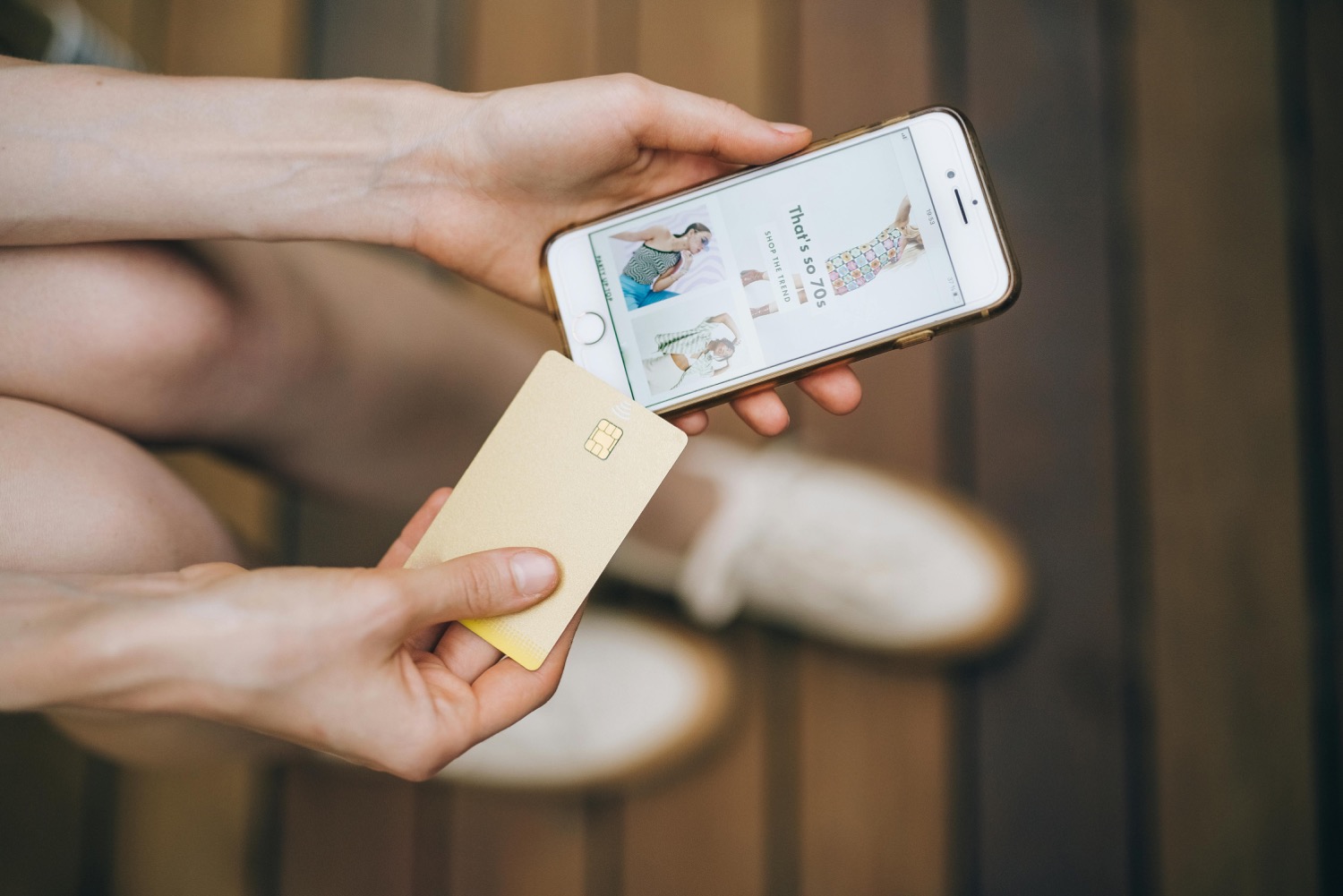
Where the photograph shows your product being used in a way you never intended, lead with that one. It's the most interesting picture in the set, and it doubles as a use case.
The permission you got is worth more than the campaign
Once you've cleared a photograph for every use, it belongs on the product page, in the abandonment sequence and in paid advertising, where customer imagery consistently beats studio work. The email is the least valuable place it'll ever appear.
- Product page, near the reviews and not in the gallery
- The second email of the abandonment sequence, where the doubt is about reality and not price
- Paid social, where it stops looking like an advert
- The next round of packaging, if the permission covered it
So the permission wording matters more than the campaign does, and it's why the conversion work and the email programme should be collecting into one library between them.
Count what you already have permission for
Ask whoever runs your social accounts how many customer photographs exist, then how many have written permission attached to them. The gap between those two answers is the campaign you can't currently send. Closing it is a week of messages.
Start with the ten best pictures, not with everything. Ten cleared photographs will carry a year of campaigns, product pages and advertising, which is more than most accounts we take over have cleared in total.
Alex Gregoriades
Operations director at Engage Commerce, where he runs the accounts the writing comes out of.
FAQs
Do we need written permission to use a customer photograph?
You need a clear yes that names the uses, and having it in writing is what makes it usable a year later when nobody remembers the conversation. A comment saying thanks isn't permission. Neither is a hashtag rule.
Can we edit customer photographs?
Crop for layout and leave the rest. Colour correcting, retouching or adding brand graphics strips out the quality that made the image persuasive in the first place, and heavy editing can breach what the person actually agreed to.
What if a customer asks us to stop using their photograph?
Take it down everywhere, promptly, without asking why. It's a small cost, and the alternative is a public complaint seen by a good deal more people than the campaign ever reached.
How do we get more customer photographs?
Ask at first use, not at delivery, and be specific about what to photograph and where. A general invitation to share yours produces almost nothing. A named situation produces pictures you can actually use.
Ask properly, then leave the pictures alone
User generated content earns its performance by looking exactly like what it is. Ask for permission in a message, not with a hashtag rule. Name every use you intend. Collect at the moment the photograph already exists, and resist the urge to tidy the images into a grid. The cleared library you end up with is worth a good deal more than any single send made out of it.
Campaigns that are not discounts
One campaign type per post: what it is for, who it is sent to, and how to build it without reaching for a code.
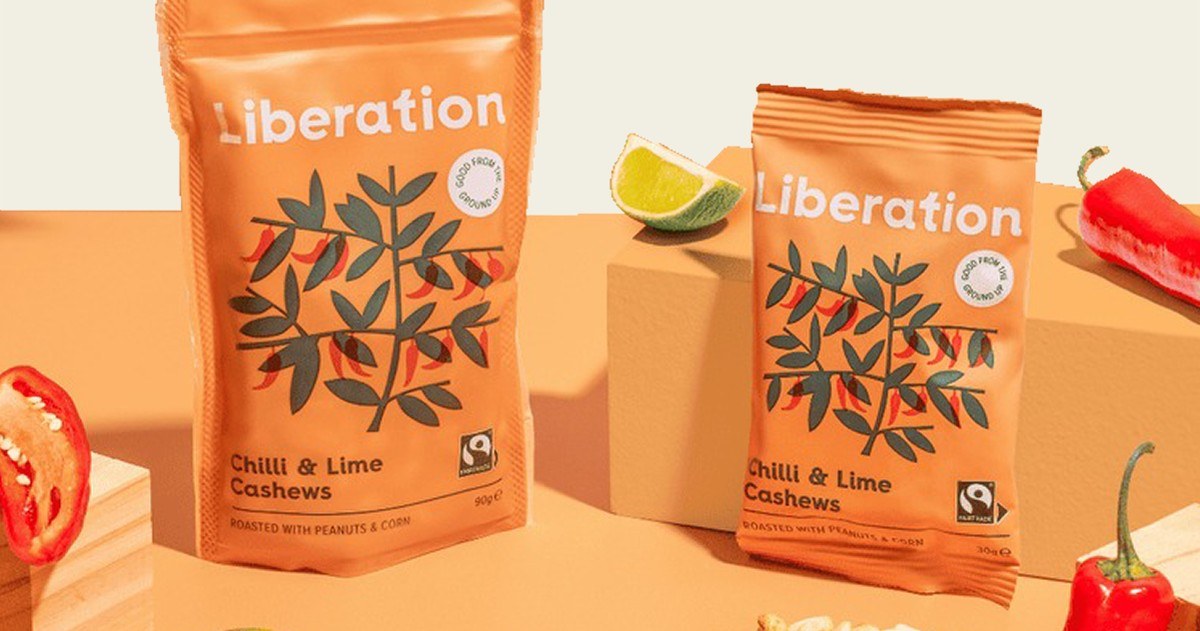
How to build a testimonial email a sceptical reader believes
Star ratings persuade nobody. One customer, quoted at length, answering the objection that was already stopping the sale, is a different email.
Read it
The style guide email for anything bought on how it looks
Customers hesitate because they cannot picture the thing in their own life. A styling email answers that better than any specification.
Read it
The staff picks email, when the shop floor knows the range best
A curated edit chosen by marketing is a promotion. The same edit chosen by the people who handle the returns is something else.
Read itWould you rather this was just handled?
Bring your Klaviyo account and the thing annoying you most. We will tell you what we would fix first, on the call, before you spend anything.


Book a call with our founder.
We're all about relationships built on trust, mutual respect and a shared vision for success. If that sounds like your vibe, let's make some waves together 🌊