The unboxing email: what to send between dispatch and the doorstep
The days between paying and receiving are the most attentive a customer will ever be, and most brands fill them with a courier link.

Nothing else in the lifecycle gets opened like a shipping notification. They've paid, they're waiting, and they'll read whatever you send them. Most brands spend that attention on a tracking number, then wonder why the review request never gets answered.
The most attentive days in the whole relationship
Look, between the order confirmation and the parcel landing, your customer is more likely to open your email than at any other point in the relationship. Including the day they signed up. They're checking whether it's shipped, and they'll read whatever's attached to that answer.
That window shuts the second the box gets opened. Whatever you want the unboxing to feel like has to be set up before it happens, and that's what this campaign is for.
Three things, and none of them is a product recommendation
They've just spent money with you. Asking for more, in the gap before they've received anything, is the most common mistake in this part of the lifecycle. And it reads exactly as badly as it sounds.
- What's in the box, described so they know when it's all there, which matters enormously on a multi item order
- What to do first when it arrives, in one line, linked to the fuller version
- What the packaging is and what to do with it, because somebody chose that material and nobody ever explains it
That third one is the quiet winner. Tell somebody the outer carton is recyclable and the inner wrap isn't, or that the box is meant to be kept, and the first ten seconds of the unboxing goes from a mess to a considered thing.
Plant the review request before the parcel lands
Review requests fail because they arrive cold, days later, from a brand the customer hasn't heard from since the tracking link. One sentence in the unboxing email saying you'll ask what they think once they've used it a few times makes the later request expected. Not intrusive.
It improves what comes back, too. A customer who knew the question was coming has been paying attention, and writes something specific instead of five stars and no words.
This is where before and after pairs come from
If your category has any visible result at all, this is where you ask for the first frame. One line, before they open it: if you're planning to use this on something, take a photo of it as it is now.
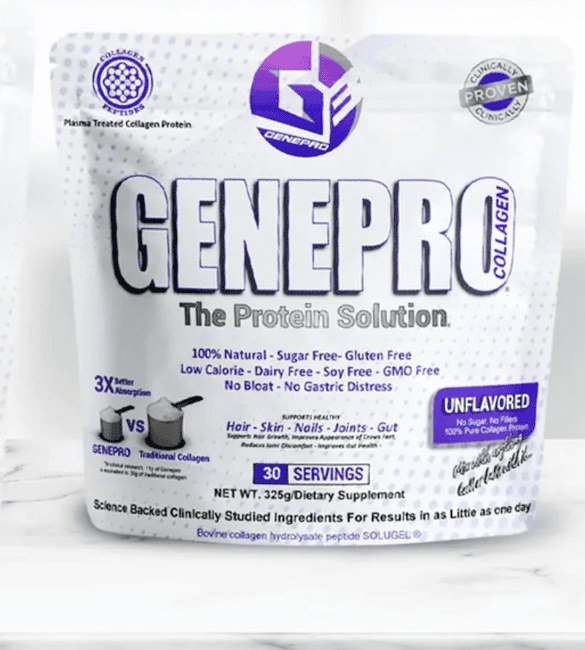
Almost nobody does this, and it's why most brands have hundreds of after photographs and no before ones. The ask costs a sentence, and it supplies the before and after campaign for the rest of the year.
Four ways this send annoys people
| What brands send | How it reads | Send instead |
|---|---|---|
| A cross sell before delivery | You haven't given me the first thing yet | What's in the box, and what to do first |
| A discount on a repeat order | I could have waited and paid less | Nothing about price at all |
| A tracking link with no message | A system notification | The courier detail plus one useful line |
| A survey | Work, before any benefit has arrived | A note that you'll ask later |
The second row is the expensive one. A code sent between payment and delivery is the fastest way to teach a brand new customer that they paid too much, and the damage carries into every send after it.
Open your own shipping notification
Place an order with your own store and read what turns up. In most accounts the dispatch email is whatever the platform sends by default: unbranded, no message in it, and the most opened email the brand sends all year.
Fixing it is an afternoon's work with an outsized return, and it's the first thing we look at inside the post purchase sequence on any account we take over. The attention is already there. It's just being wasted.
Theo Tziapouras
Founder and strategy at Engage Commerce, the ecommerce agency for 7 and 8 figure DTC brands.
FAQs
Is the unboxing email the same as the shipping notification?
It can be, and in most accounts it should be, because the notification is already the most opened email you send. Bolting a short useful message onto it beats sending a separate email that competes with it for the same attention.
Should we include a discount for the next order?
No. Between payment and delivery a code teaches a brand new customer that the price they just paid was negotiable. Want a second order? Earn it with a good first experience, and make the offer much later, if you make it at all.
What if fulfilment is handled by a third party?
You usually still control your own platform's notification, even where the courier sends its own tracking updates. Two emails is fine, as long as yours carries the message and theirs carries the logistics.
How long should this email be?
Short. Three items, a line each, and a link for anybody who wants more. The reader is checking one thing, so anything that delays the answer to has it shipped gets skimmed straight past.
Use the wait, don't fill it
The unboxing email is a gift your customer hands you: several days of guaranteed attention, in exchange for one useful message. Tell them what's coming, what to do with it and what you'll ask them later. Leave every offer out of it. The payoff turns up in reviews, in photographs and in a second order that arrives sooner than it otherwise would have.
Campaigns that are not discounts
One campaign type per post: what it is for, who it is sent to, and how to build it without reaching for a code.
The UGC email, and the permissions conversation nobody has first
Customer photographs outperform studio photography in almost every test, and using them without asking is how brands end up apologising.
Read it
How to build a testimonial email a sceptical reader believes
Star ratings persuade nobody. One customer, quoted at length, answering the objection that was already stopping the sale, is a different email.
Read it
The style guide email for anything bought on how it looks
Customers hesitate because they cannot picture the thing in their own life. A styling email answers that better than any specification.
Read itWould you rather this was just handled?
Bring your Klaviyo account and the thing annoying you most. We will tell you what we would fix first, on the call, before you spend anything.

Book a call with our founder.
We're all about relationships built on trust, mutual respect and a shared vision for success. If that sounds like your vibe, let's make some waves together 🌊