The FAQ email campaign: send the answers support keeps repeating
Every question your support inbox answers twice a week is a question the silent majority had and never asked.
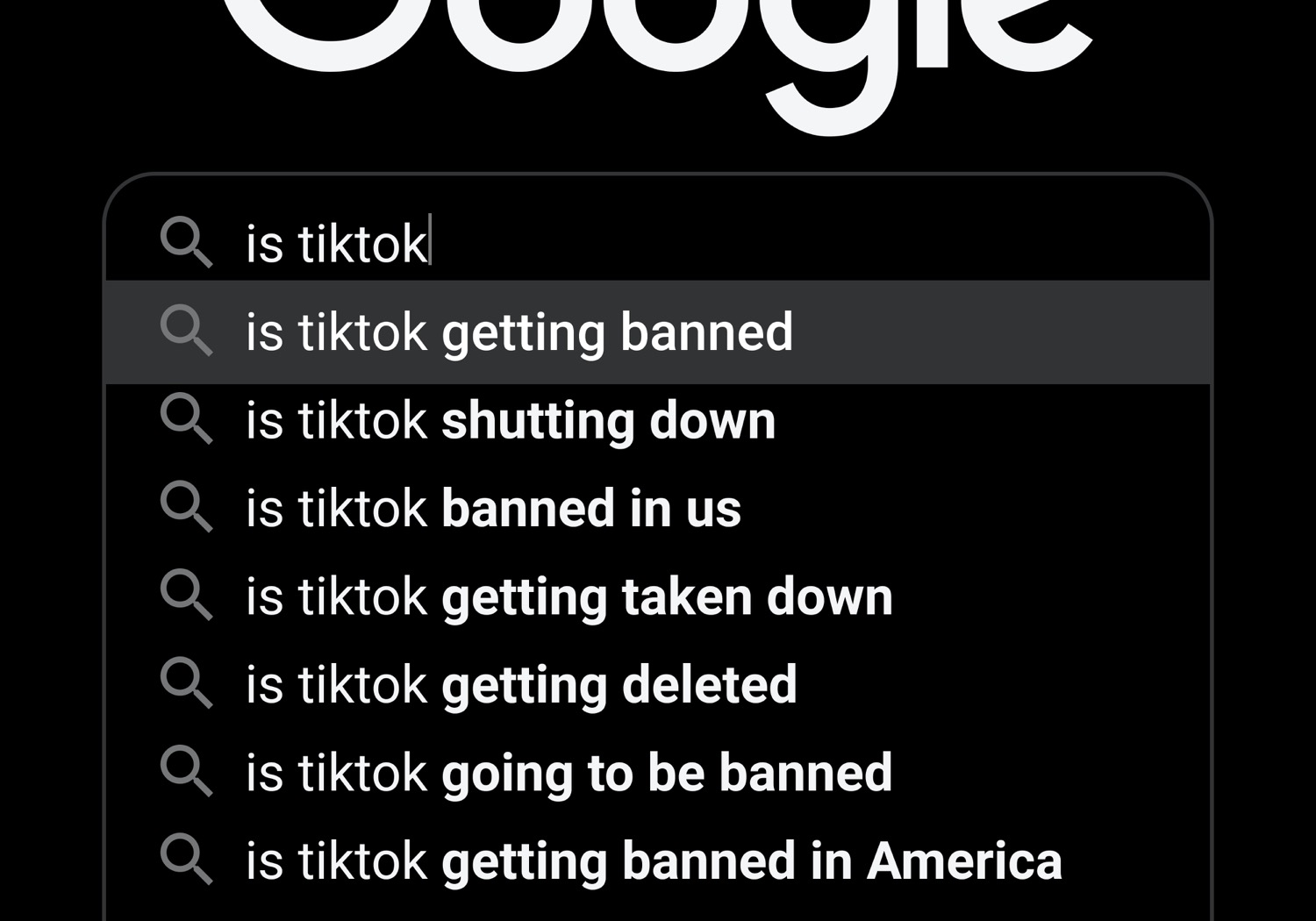

For every customer who emails to ask, a much bigger group wondered the same thing and closed the tab. This campaign takes the questions your team is sick of answering and sends the answers to everybody who was never going to ask in the first place.
Your support inbox has already written this campaign
There's no research to do here. Export three months of support tickets, sort by subject, and the top five recurring questions are your next five campaigns. They're already in the customer's own words, and that's the phrasing to keep.
Add two more sources if you've got them. Live chat transcripts are the most honest, because people type things there they'd never put in an email. Your site search log shows what people went looking for and didn't find.
Answer the questions that stop a purchase, not the ones about orders
Support questions come in two kinds and only one belongs in a campaign. Where is my order is an operations problem. Will this fit through a letterbox is a sales problem, and that's the one worth sending.
| Question type | Belongs in | Why |
|---|---|---|
| Order status and delivery | The shipping notification | It is personal to one order |
| Fit, size, compatibility | An FAQ campaign and the product page | It blocks a purchase for everybody |
| How to use it properly | A tutorial email after delivery | It arrives too late to matter before |
| Policy, returns, guarantees | An FAQ campaign | It is the objection nobody emails about |
Four to six questions is the right length. Go beyond that and it becomes a help centre, and your reader stops treating any single answer as important.
Answer properly, including the awkward part
The failure here is the answer that's technically true and dodges the point. If the honest answer is that the product doesn't suit a particular use, say so. They'll find out anyway, and a return costs you more than a lost sale.
- Give the direct answer in the first sentence, then the detail
- Use the words the customer used, not the internal term for the same thing
- Include the exception, because the exception is where support spends its life
- Link to the page that goes deeper, for anybody who wants it
- Give a real reply address for the question you didn't cover
Answers written that way get a second life. They belong on the product page, in the abandonment sequence and in whatever structured markup your site publishes. Few campaigns pay on the site as well as in the inbox.
Three shapes, depending on how many questions you have
The list of five is the default and it's fine. Two other shapes usually do better. One question answered at length reads as an article and gets forwarded. A question from a named customer, answered by a named member of staff, reads as a conversation and gets replies.
Whichever shape you pick, invite the question you haven't answered. It costs nothing, it writes your next campaign, and the replies are the most useful research marketing will get all quarter.
Judge it on the tickets that stop arriving
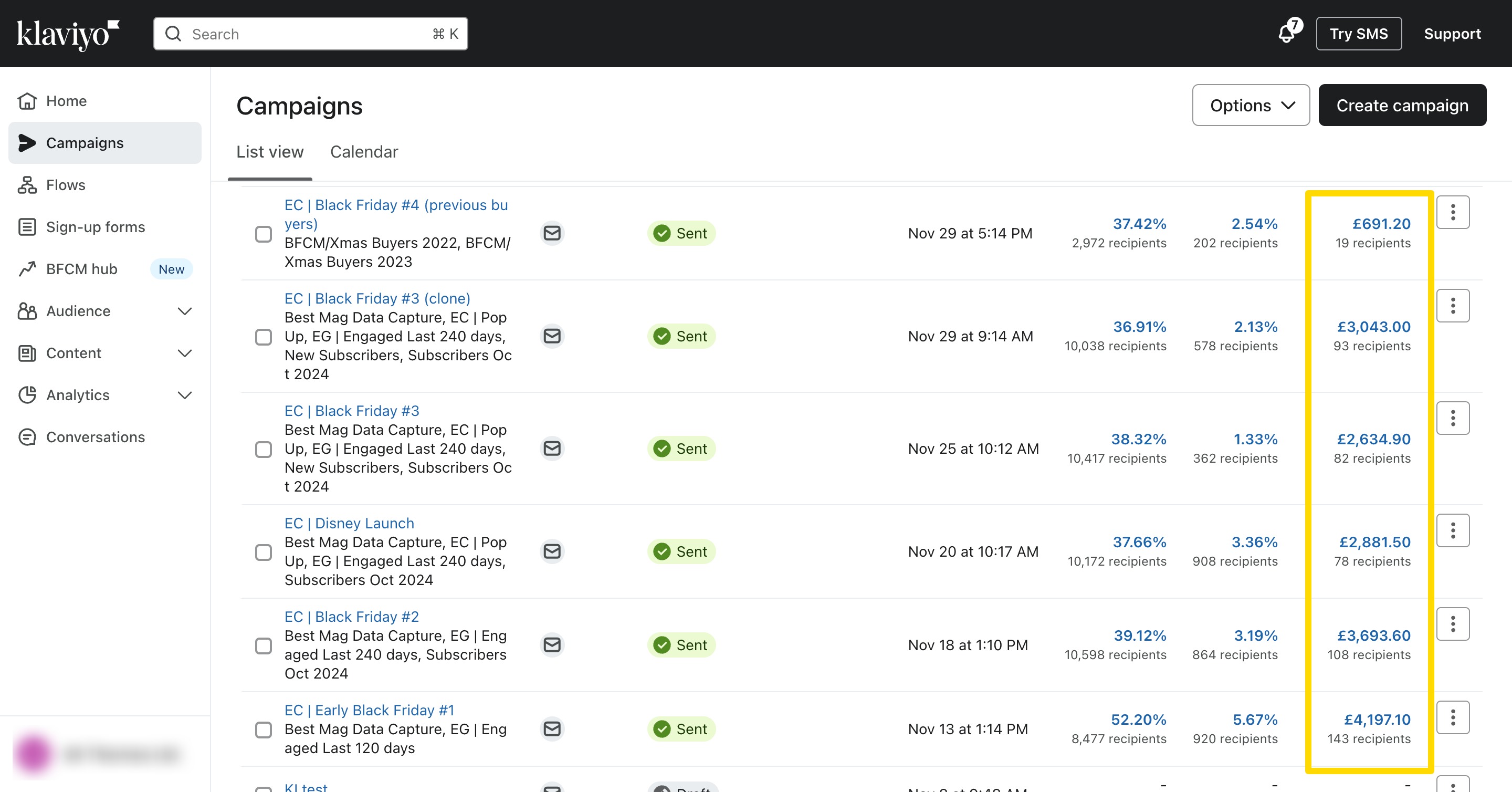
The campaign report will show a decent open rate and a dull revenue line, and neither is the number that matters. Count how often the question you answered turns up in support in the month after, against the month before.
If it halves, the campaign paid for itself twice: once in the orders it unblocked, once in the time it handed back. That second saving never appears in any email report, which is why this format is chronically undervalued.
Ask your support team for their most annoying question
Whoever answers your emails can name it without looking anything up. That question, answered honestly and sent to the whole list, is campaign one. Campaign two is whatever they name when you ask again a fortnight later.
Then check whether the answer appears on the product page. Usually it doesn't, or it's buried in a tab, and moving it up the page is worth more than the email was. The two together are the fix. Either on its own is half of one.
Theo Tziapouras
Founder and strategy at Engage Commerce, the ecommerce agency for 7 and 8 figure DTC brands.
FAQs

How many questions should one FAQ email cover?
Four to six for a list format, or one for the long form version. More than six and no single answer registers, because the reader files the whole thing as a reference document to come back to later. Nobody ever comes back.
Should the FAQ email go to the whole list?
Usually yes. The questions block purchases for subscribers and reassure customers thinking about a second order. The exception is a question specific to one product, which should go to the people who've looked at it.
Will answering objections put people off?
The opposite, as long as you answer honestly. Readers already have the objection, and a brand that names it and deals with it is far more convincing than one hoping nobody notices. Your returns rate usually improves too.
Can we reuse FAQ answers elsewhere?
You should. The same answers belong on the product page, in the abandonment sequence and in your structured data, and writing them once for the email is the cheapest way to produce all three.
Answer the question the quiet ones had
The FAQ campaign needs no creative brief, no new photography and no research budget, because the work is already done by the people answering your emails. Take the questions that block a purchase, answer them honestly including the awkward parts, send them, then move the answers onto the pages where the next reader will find them. Hour for hour it's the best return of any campaign in this set.
Campaigns that are not discounts
One campaign type per post: what it is for, who it is sent to, and how to build it without reaching for a code.
The employee spotlight email that is not internal comms in the wrong inbox
Nobody subscribed to meet your operations assistant. They will happily meet the person who packs the parcel, if that changes something for them.
Read it
The day in the life email, and the two versions worth sending
One version shows a customer's routine with your product in it. The other shows yours. They persuade different people and should not be mixed.
Read it
The customer spotlight email, built from one real order
A testimonial is a quote about you. A spotlight is a portrait of them, which is a longer read and a much better one.
Read itWould you rather this was just handled?
Bring your Klaviyo account and the thing annoying you most. We will tell you what we would fix first, on the call, before you spend anything.

Book a call with our founder.
We're all about relationships built on trust, mutual respect and a shared vision for success. If that sounds like your vibe, let's make some waves together 🌊